📊 Full opportunity report: How Venue Teams Handle Operations Without Phones on IdeaNavigator AI — validation score, market gap, and execution plan.

Get the latest gadgets delivered free with Prime
- Fast, free delivery on millions of items
- Prime Video, Amazon Music and more included
- Member-only deals all year
TL;DR
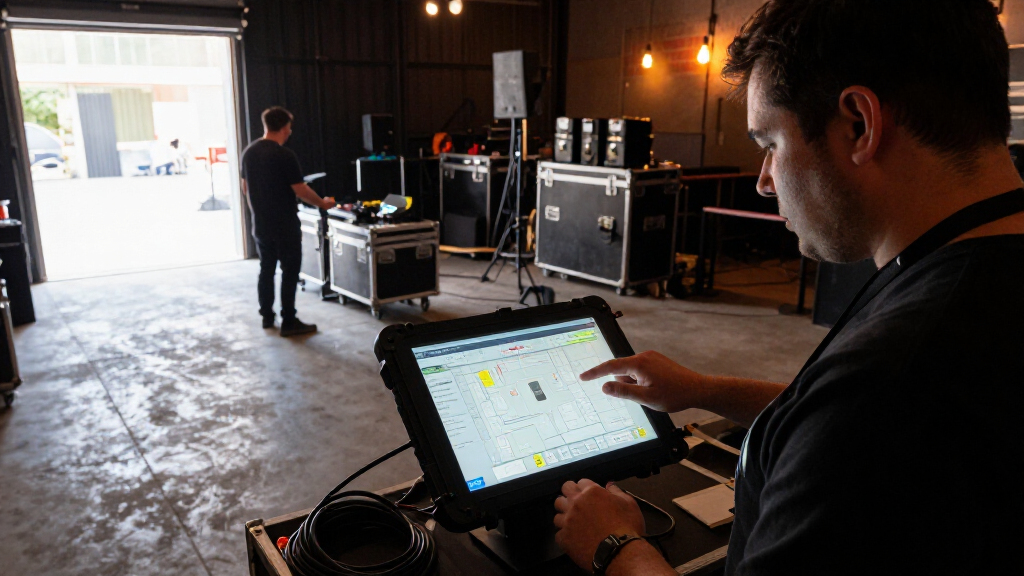
A proposal from IdeaNavigator AI describes an operations tool for venues and schools that require phones to be stored in locking pouches. It recommends testing check-in, exception handling, pouch tracking and emergency-unlock logging at five venues and three schools; no pilot results or product launch are reported.
IdeaNavigator AI has outlined a proposed operations tool for phone-free shows, comedy clubs, schools and courts, with features for pouch inventory, approved exceptions and emergency unlocks. The proposal recommends testing the workflow at five venues and three schools, but does not report that a product has been built or that any pilots have taken place.
The proposed software is intended for operators using phone-locking pouch systems. Its suggested minimum version would support check-in, maintain an exception registry for cases such as medical needs or on-call duties, track pouch inventory, and provide emergency-unlock stations that record the reason for each unlock.
The tool would also generate post-event operations reports and work alongside different pouch systems rather than depend on a single hardware provider. IdeaNavigator AI frames the main operational problems as lost-pouch incidents, improvised handling of exceptions, bottlenecks when attendees need phones unlocked, and re-entry lines.
For validation, the proposal calls for pilots at five venues and three schools. Operators would compare the time needed to handle exceptions and the completeness of incident logs with their current processes. The proposal suggests per-event or per-site subscriptions as possible pricing, but gives no pricing figures or commercial commitments.
Reducing Friction at Phone-Free Events
Phone-free policies depend on more than storing devices: staff must handle exceptions and emergencies while keeping entry and re-entry moving. A shared operations workflow could give teams a consistent way to record decisions and account for pouches, rather than relying on manual processes and improvised responses.
The proposal’s focus on exception-handling time and incident-log completeness makes the suggested pilot measurable. Those results could help operators judge whether dedicated software reduces staff workload or improves accountability. At present, however, these are questions for a proposed test, not demonstrated benefits.
The idea targets organizations with different needs, including entertainment venues, schools and courts. A tool usable across pouch hardware could be relevant to operators who do not want their administrative system tied to one supplier. The proposal does not establish how many organizations would buy such a product or whether one workflow could serve all of them.
As an affiliate, we earn on qualifying purchases.
Pouch Systems Need Staff Workflows
The proposal describes phone-free operations as relying on locking pouches alongside staff improvisation. Pouches restrict access to phones during an event or other setting, but the operational tasks around them include issuing and tracking inventory, responding to valid exceptions, and managing access when a phone is urgently needed.
IdeaNavigator AI says phone-free requirements are spreading across schools, comedy tours and courtrooms. It does not provide figures, dates or named examples to quantify that trend. Its central product argument is narrower: as organizations adopt phone restrictions, they may need administrative tools to manage the process, not just the pouch hardware.
The suggested product is therefore an operations layer, not a replacement for locking pouches. Its proposed scope combines check-in and recordkeeping with tools for exceptions and emergency unlocks, while leaving the existing hardware in place.
As an affiliate, we earn on qualifying purchases.
Pilot Results and Demand Remain Unknown
No pilot findings, product release or customer commitments are reported. It remains unclear whether operators have agreed to participate, how long testing would run, or what level of improvement would justify adopting the software.
The proposal does not specify how the tool would protect personal or medical information in an exception registry, who could authorize an emergency unlock, or how incident records would be retained. It also does not detail integration requirements, staffing needs, pricing, or how the product would accommodate differences among venues, schools and courts.
The claim that phone-free mandates are spreading is not accompanied by a dataset or a defined period. The scale of demand and the commercial viability of per-event or per-site subscriptions are therefore unestablished.
venue pouch inventory management software
As an affiliate, we earn on qualifying purchases.
As an affiliate, we earn on qualifying purchases.
Testing the Proposed Workflow
The next stated step is to recruit five venues and three schools for pilots. A test would need to define the comparison process and record exception-handling times and incident-log completeness consistently across participating sites.
If pilots proceed, operators could assess whether the software works with their existing pouch systems and whether staff can use it without adding delays or administrative burden. No start date, participating organizations, launch schedule or follow-up results have been announced in the proposal.
Until those details are available, the concept remains an unvalidated product proposal. Evidence from the proposed tests would be needed to establish whether the workflow solves the problems identified and whether operators are willing to pay for it.
Source: IdeaNavigator AI
As an affiliate, we earn on qualifying purchases.
Key Questions
What is the proposed phone-free venue tool?
It is a proposed operations system for organizations that use locking phone pouches, with check-in, exception records, pouch inventory tracking, emergency-unlock logs and post-event reports.
Has the tool launched?
The proposal does not say that the tool has been built or launched. It describes a suggested minimum product and a plan to test it.
Where would the proposed pilot take place?
The suggested test is at five venues and three schools. The proposal does not name participants or provide dates.
How would the pilot measure whether the tool works?
It would compare the time required to handle exceptions and the completeness of incident logs with the organizations’ current processes. No results are available.
Source: IdeaNavigator AI
Fall Picks
fall essentials
As an affiliate, we earn on qualifying purchases.