
The best Apple laptop for most people is the 13-inch MacBook Air with M5: it pairs a portable design with 16GB of memory and 512GB of storage. For larger-screen productivity, the 15-inch MacBook Air with M5 offers more room to work, while the 14-inch MacBook Pro with M5 Pro is the stronger fit for demanding creative and technical tasks. The main tradeoffs are Air portability versus Pro performance, screen size versus weight, and the convenience of more memory or storage versus choosing a basic configuration. This lineup also includes renewed models and the entry-level MacBook Neo, so condition and capability matter alongside chip generation. Read on for the full breakdown and a guide to choosing the right Apple laptop for your needs.

Get the latest gadgets delivered free with Prime
- Fast, free delivery on millions of items
- Prime Video, Amazon Music and more included
- Member-only deals all year
Complete the kit



Key Takeaways
- The 13-inch MacBook Air with M5 is the most balanced pick: its 16GB memory and 512GB SSD make it a practical starting point for everyday work without moving up to a Pro.
- The 15-inch Air is the screen-space choice, not a performance upgrade by itself: the M5 versions with 16GB or 32GB memory let buyers prioritize portability, display area, or room for heavier multitasking.
- Pro models earn their place through demanding workloads: the M4 Pro and M5 Pro configurations offer a better match for sustained creative or technical work than an Air, while adding bulk that casual users may not need.
- Memory and storage configurations change the value proposition: the 13-inch M5 Air with 32GB memory and 1TB SSD suits longer-term, heavier use, but everyday users may prefer the standard 16GB and 512GB configuration.
- Renewed and lower-spec options call for closer scrutiny: the renewed M3 and M4 Airs may suit buyers comfortable with older generations, while the MacBook Neo’s 8GB memory and 256GB storage favor lighter use.
| Apple 2024 MacBook Pro 14-inch with M4 Pro, 12-core CPU, 16-core GPU, 24GB Memory, 512GB SSD, Space Black |  | Best for demanding work in a compact Pro | Chip: Apple M4 Pro, 12-core CPU | Graphics: 16-core GPU | Display: 14.2-inch Liquid Retina XDR | VIEW LATEST PRICE | See Our Full Breakdown |
| Apple MacBook Pro 16.2-inch with M5 Pro, 24GB Memory, 1TB SSD, Silver | 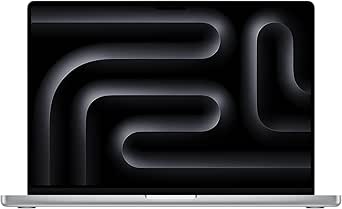 | Best for a large screen and sustained pro workloads | Chip: Apple M5 Pro | CPU and GPU: 18-core CPU, 20-core GPU | Display: 16.2-inch Liquid Retina XDR | VIEW LATEST PRICE | See Our Full Breakdown |
| Apple MacBook Air 13-inch (2024) with M3 Chip, 16GB RAM, 512GB SSD, Midnight (Renewed) |  | Best lightweight renewed pick | Model year and condition: 2024, renewed | Processor: Apple M3, 8-core CPU | Graphics: 10-core integrated GPU | VIEW LATEST PRICE | See Our Full Breakdown |
| Apple 14.2-inch MacBook Pro (2025) with M5, 10-core CPU and GPU, 16GB Memory, 1TB SSD, Space Black |  | Best balanced 14-inch MacBook Pro | Processor: Apple M5, 10-core CPU | Graphics: 10-core GPU | Display: 14.2-inch Liquid Retina XDR | VIEW LATEST PRICE | See Our Full Breakdown |
| Apple MacBook Air 15-inch with M5 Chip, 32GB Memory, 512GB SSD, Midnight |  | Best large-screen Air for multitasking | Chip: Apple M5, 10-core CPU and 10-core GPU | Display: 15.3-inch Liquid Retina | Display resolution: 2880 × 1864 listed; supplied resolution details are inconsistent | VIEW LATEST PRICE | See Our Full Breakdown |
| Apple MacBook Pro 14.2-inch Laptop with M6 Chip, Silver |  | Best for Long-Running Pro Work | Chip: Apple M6 | Display: 14.2-inch Liquid Retina XDR | Peak brightness: 1600 nits | VIEW LATEST PRICE | See Our Full Breakdown |
| Apple 2025 MacBook Air 15-inch with M4 chip, 16GB memory, 512GB SSD, Midnight (Renewed) |  | Best Renewed Big-Screen Value | Model year: 2025 | Processor: Apple M4, 10-core | Memory: 16GB unified memory | VIEW LATEST PRICE | See Our Full Breakdown |
| Apple MacBook Air 13-inch with M5 chip, 16GB memory and 512GB SSD, Midnight |  | Best Compact Everyday Mac | Chip: Apple M5 | Unified memory: 16GB | Storage: 512GB SSD | VIEW LATEST PRICE | See Our Full Breakdown |
| Apple MacBook Air 13-inch with M5 Chip, 32GB Memory, 1TB SSD, Silver |  | Best High-Memory Air | Chip: Apple M5 with 10-core CPU and 8-core GPU | Display: 13.6-inch Liquid Retina, 2560 × 1664 at 224 ppi | Unified memory: 32GB | VIEW LATEST PRICE | See Our Full Breakdown |
| Apple 14.2-inch MacBook Pro (2026, Silver) |  | Best Premium Display and Multi-Monitor Setup | Display: 14.2-inch tandem OLED, up to 2,000 nits peak brightness and 10,000,000:1 contrast ratio | Processor: M5 Pro or M5 Max | Battery life: Up to 22 hours | VIEW LATEST PRICE | See Our Full Breakdown |
| Apple MacBook Air 15-inch with M5 chip, 16GB memory, 512GB SSD, Silver |  | Best Large-Screen Air | Display: 15.3-inch Liquid Retina, supports 1 billion colors | Chip: Apple M5 | Unified memory: 16GB | VIEW LATEST PRICE | See Our Full Breakdown |
| Apple 2023 MacBook Pro 14-inch with M3 Chip, 16GB RAM, 512GB SSD, Space Gray (Renewed) |  | Best Renewed Pro for Built-In Ports | Model year: 2023 | Processor: Apple M3, 8-core CPU | GPU: 10-core GPU | VIEW LATEST PRICE | See Our Full Breakdown |
| Apple 2025 MacBook Pro 14.2-inch with M5 chip, 16GB memory, 512GB SSD, Space Black | | Best Compact Pro for Creative Work | Chip: Apple M5 with 10-core CPU | GPU: 10-core GPU | Memory: 16GB unified memory | VIEW LATEST PRICE | See Our Full Breakdown |
| Apple 2025 MacBook Air 15-inch with M4 Chip, 16GB Memory, 256GB SSD, and Touch ID – Midnight | 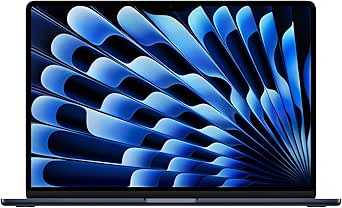 | Best Large-Screen Everyday Air | Display: 15.3-inch Liquid Retina | Processor: Apple M4 | Memory: 16GB unified memory | VIEW LATEST PRICE | See Our Full Breakdown |
| Apple MacBook Neo 13-inch Laptop with A18 Pro Chip, 8GB Memory, 256GB SSD, Liquid Retina Display, and 1080p Camera – Silver |  | Best Lightweight Pick for Basic Use | Display: 13-inch Liquid Retina, supports 1 billion colors | Processor: A18 Pro | Unified memory: 8GB | VIEW LATEST PRICE | See Our Full Breakdown |
| Apple laptop | Display | Weight | Storage | Ports |
|---|---|---|---|---|
| Apple 2024 MacBook Pro 14-inch | 14.2-inch Liquid Retina XDR | 3.52 pounds | 512GB SSD | — |
| Apple MacBook Pro 16.2-inch wi | 16.2-inch Liquid Retina XDR | 4.71 pounds | 1TB SSD | Three Thunderbolt 5, MagSafe 3, SDXC card slot, HDMI, headphone jack |
| Apple MacBook Air 13-inch | 13.6-inch Liquid Retina | 2.7 pounds | 512GB SSD | — |
| Apple 14.2-inch MacBook Pro | 14.2-inch Liquid Retina XDR | 3.41 pounds | 1TB SSD | Three Thunderbolt 4, MagSafe 3, SDXC card slot, HDMI, headphone jack |
| Apple MacBook Air 15-inch with | 15.3-inch Liquid Retina | 1.51 kg | 512GB SSD | Two Thunderbolt 4, MagSafe charging port, headphone jack |
| Apple MacBook Pro 14.2-inch La | 14.2-inch Liquid Retina XDR | 3.4 pounds | — | Three Thunderbolt 4 or 5 ports, MagSafe 3, SDXC card slot, HDMI, headphone jack |
| Apple 2025 MacBook Air 15-inch | 15.3-inch Liquid Retina LED, 2880 × 1864 at 224 ppi | 1.51 kg | 512GB SSD | — |
| Apple MacBook Air 13-inch with | 13.6-inch Liquid Retina | 2.71 pounds | 512GB SSD | Two Thunderbolt 4, MagSafe charging port, headphone jack |
| Apple MacBook Air 13-inch with | 13.6-inch Liquid Retina, 2560 × 1664 at 224 ppi | 1.23 kg | 1TB SSD | Two Thunderbolt 4, MagSafe charging port, headphone jack |
| Apple 14.2-inch MacBook Pro | 14.2-inch tandem OLED, up to 2,000 nits peak brightness and 10,000,000:1 contrast ratio | 3.04 pounds | — | Three Thunderbolt 5, MagSafe 3, SDXC, HDMI, headphone jack |
| Apple MacBook Air 15-inch with | 15.3-inch Liquid Retina, supports 1 billion colors | 3.32 pounds | 512GB SSD | Two Thunderbolt 4, MagSafe charging, headphone jack |
| Apple 2023 MacBook Pro 14-inch | 14.2-inch Liquid Retina XDR, 3024 × 1964 | — | 512GB SSD | Thunderbolt, HDMI, SDXC card slot, MagSafe 3 |
| Apple 2025 MacBook Pro 14.2-in | 14.2-inch Liquid Retina XDR | 3.41 pounds | 512GB SSD | Three Thunderbolt 4, MagSafe 3, SDXC card slot, HDMI, headphone jack |
| Apple 2025 MacBook Air 15-inch | 15.3-inch Liquid Retina | 3.32 pounds | 256GB SSD | Two Thunderbolt 4, MagSafe charging, headphone jack |
| Apple MacBook Neo 13-inch Lapt | 13-inch Liquid Retina, supports 1 billion colors | 2.71 pounds | 256GB SSD | — |
More Details on Our Top Picks
Apple 2024 MacBook Pro 14-inch with M4 Pro, 12-core CPU, 16-core GPU, 24GB Memory, 512GB SSD, Space Black
I’d choose this 14-inch MacBook Pro when intensive work matters more than having the newest chip or a large internal drive. Its M4 Pro 12-core CPU and 16-core GPU are suited to jobs such as compiling code and handling demanding creative projects, while 24GB of unified memory gives busy workflows room to run. The Liquid Retina XDR display is another advantage over the MacBook Air 13-inch (2024): it offers much higher stated peak brightness, which can help when working with HDR content or in bright settings.
The tradeoff is capacity and portability. This configuration pairs its Pro performance with just 512GB of storage, and at 3.52 pounds it is heavier than the 2.7-pound Air. I’d pick it over the 14-inch M5 MacBook Pro when the listed M4 Pro configuration suits the workload, but buyers wanting 1TB built in should compare that M5 model.
Pros:- M4 Pro chip and 24GB memory suit demanding creative and development workloads.
- Liquid Retina XDR display reaches up to 1600 nits peak brightness.
- Same performance on battery or while plugged in, according to the supplied product details.
- Supports Apple Intelligence with privacy protections.
Cons:- 512GB SSD may require external storage for large project files.
- At 3.52 pounds, it is heavier than the MacBook Air 13-inch (2024).
Best for: Developers and creative professionals who need Pro-class processing and a bright 14-inch display without carrying a 16-inch laptop.
Not ideal for: Frequent travelers prioritizing the lightest laptop, or users with large local media libraries who need more than 512GB of storage.
- Chip:Apple M4 Pro, 12-core CPU
- Graphics:16-core GPU
- Display:14.2-inch Liquid Retina XDR
- Memory:24GB unified memory
- Storage:512GB SSD
- Weight:3.52 pounds
- Color:Space Black
- Model number:MX2H3LL/A
Our verdict“Choose this MacBook Pro for demanding work in a smaller package, provided 512GB of storage is enough.”
Apple MacBook Pro 16.2-inch with M5 Pro, 24GB Memory, 1TB SSD, Silver
For buyers who want workspace and performance in one machine, this 16.2-inch MacBook Pro is the strongest fit in this group. The M5 Pro 18-core CPU and 20-core GPU, paired with 24GB of memory, target demanding creative and professional workloads; its 1TB SSD also doubles the built-in capacity of the 14-inch M4 Pro model. The larger Liquid Retina XDR screen gives timelines, documents, and multitasking layouts more room, while Thunderbolt 5, HDMI, and SDXC reduce the need for adapters.
That scale has a real cost in carry weight: 4.71 pounds makes it a less convenient daily travel companion than either 14-inch Pro. It supports up to three external displays, so buyers planning a larger multi-monitor setup should check that limit against their needs. I’d favor it over the 14-inch M5 Pro when screen area and storage matter more than keeping the laptop light.
Pros:- M5 Pro chip combines an 18-core CPU with a 20-core GPU.
- 16.2-inch Liquid Retina XDR display provides more workspace than the 14-inch Pro models.
- 1TB SSD offers more built-in capacity than the 512GB configurations in this roundup.
- Thunderbolt 5, HDMI, SDXC, and MagSafe 3 support varied peripherals.
Cons:- At 4.71 pounds, it is the heaviest option among these five laptops.
- External display support is limited to up to three displays.
Best for: Video editors, designers, and professionals who want a roomy built-in display, 1TB storage, and strong connectivity for a desk-centered setup.
Not ideal for: Commuters and frequent flyers who carry a laptop all day, or users who need support for more than three external displays.
- Chip:Apple M5 Pro
- CPU and GPU:18-core CPU, 20-core GPU
- Display:16.2-inch Liquid Retina XDR
- Memory:24GB unified memory
- Storage:1TB SSD
- Ports:Three Thunderbolt 5, MagSafe 3, SDXC card slot, HDMI, headphone jack
- Wireless:Wi-Fi 7, Bluetooth 6
- Weight:4.71 pounds
Our verdict“Pick this 16-inch Pro if you value a spacious screen and 1TB of storage more than low carry weight.”
Apple MacBook Air 13-inch (2024) with M3 Chip, 16GB RAM, 512GB SSD, Midnight (Renewed)
This renewed MacBook Air is the portability-focused choice for everyday tasks. At 2.7 pounds and 0.44 inches thick, it is easier to carry than either MacBook Pro here, and its M3 chip with 16GB of memory is a sensible configuration for study, office work, and general creative use. The stated battery life of up to 18 hours and 512GB SSD make it more than a bare-bones travel machine; compared with the newer 15-inch M5 Air, though, it gives up screen space and newer-generation hardware.
The main caveat is its renewed condition, backed by a listed 90-day limited warranty rather than the straightforward new-product choice some buyers want. Its two ports also leave less room for accessories than the Pros, which include HDMI and SDXC. I’d choose this over the 14-inch M4 Pro when light weight and routine work matter more than sustained high-performance tasks.
Pros:- Light 2.7-pound build is easier to carry than either MacBook Pro.
- M3 chip and 16GB unified memory suit common school and office workloads.
- 512GB SSD provides more room than an entry-level storage configuration.
- Stated battery life is up to 18 hours.
Cons:- Renewed condition and a listed 90-day limited warranty may not suit buyers seeking a new laptop.
- Two ports offer less built-in connectivity than the MacBook Pro models.
- The 13.6-inch display provides less workspace than the 15-inch Air and 16-inch Pro.
Best for: Students and mobile office users seeking a light 13-inch Mac for everyday work who are comfortable buying a renewed laptop.
Not ideal for: Buyers who want a new device with a longer warranty, extensive ports, or a large display for creative work.
- Model year and condition:2024, renewed
- Processor:Apple M3, 8-core CPU
- Graphics:10-core integrated GPU
- Display:13.6-inch Liquid Retina
- Memory:16GB unified memory
- Storage:512GB SSD
- Battery life:Up to 18 hours
- Weight:2.7 pounds
- Warranty:90-day limited warranty
Our verdict“Choose this renewed Air for a light everyday Mac if its condition and shorter listed warranty fit your comfort level.”
Apple 14.2-inch MacBook Pro (2025) with M5, 10-core CPU and GPU, 16GB Memory, 1TB SSD, Space Black
This 14-inch M5 MacBook Pro strikes a useful middle ground: it keeps the Liquid Retina XDR display and Pro-style port selection but pairs them with 1TB of storage. Compared with the 14-inch M4 Pro, it has a newer M5 chip and twice the SSD capacity, while its 16GB of memory is lower than that model’s 24GB. The M5’s Neural Accelerator in each GPU core is aimed at demanding tasks and on-device AI, and the 12MP Center Stage camera plus six-speaker audio make it well-equipped for calls and media.
This is a better match for buyers who want a versatile premium laptop than for those chasing maximum workstation headroom. The M4 Pro configuration may suit memory-heavy or especially demanding workflows better, and this model supports up to two external displays. At 3.41 pounds, it is also heavier than the renewed 13-inch Air. Its appeal is the combination of a bright screen, useful ports, and 1TB onboard storage.
Pros:- M5 chip includes a Neural Accelerator in each GPU core for on-device AI workloads.
- 1TB SSD provides twice the capacity of the listed 512GB Pro configurations.
- XDR display offers up to 1600 nits peak brightness and 1000 nits sustained brightness.
- Includes HDMI, SDXC, three Thunderbolt 4 ports, Center Stage camera, and six-speaker audio.
Cons:- 16GB memory is less than the 24GB in the 14-inch M4 Pro and 16-inch M5 Pro.
- Supports up to two external displays, fewer than the 16-inch M5 Pro.
- At 3.41 pounds, it is heavier than the MacBook Air options.
Best for: Professionals who want a 14-inch XDR display, 1TB of internal storage, strong connectivity, and a capable camera for frequent video calls.
Not ideal for: Users with memory-heavy professional workflows or multi-monitor desks requiring more than two external displays.
- Processor:Apple M5, 10-core CPU
- Graphics:10-core GPU
- Display:14.2-inch Liquid Retina XDR
- Memory:16GB unified memory
- Storage:1TB SSD
- Ports:Three Thunderbolt 4, MagSafe 3, SDXC card slot, HDMI, headphone jack
- External display support:Up to two displays
- Camera:12MP Center Stage
- Weight:3.41 pounds
Our verdict“Choose this 14-inch Pro for a bright XDR screen, broad connectivity, and 1TB storage without stepping up to the M5 Pro model.”
Apple MacBook Air 15-inch with M5 Chip, 32GB Memory, 512GB SSD, Midnight
I’d look at this MacBook Air for a large screen and ample memory without moving to the heavier 16-inch Pro. Its 15.3-inch Liquid Retina display gives documents and side-by-side apps more room than the 13-inch renewed Air, while the M5 chip and 32GB of memory create a strong setup for multitasking and creative work that does not require a Pro-class GPU. It is also listed at up to 18 hours of battery life, and its 12MP Center Stage camera is a practical plus for video calls.
The tradeoff is that this remains an Air: it has integrated graphics and only 512GB of storage, while the 16-inch M5 Pro offers a more powerful GPU, 1TB SSD, and a wider set of ports. This model has two Thunderbolt 4 ports, MagSafe, and a headphone jack, but no listed HDMI or SDXC slot. The supplied display-resolution details are inconsistent, so I would verify the exact screen specification before buying.
Pros:- 32GB of memory supports heavier multitasking than the 16GB Air configuration.
- 15.3-inch Liquid Retina screen offers more workspace than the 13-inch MacBook Air.
- M5 chip pairs a 10-core CPU with a 10-core GPU.
- Includes a 12MP Center Stage camera and supports up to two external displays.
Cons:- Integrated graphics are less suited to demanding graphics-heavy work than the MacBook Pro GPUs.
- 512GB SSD may be limiting for large local media or project libraries.
- Supplied display-resolution details are inconsistent and should be checked.
Best for: Multitaskers, students, and creative users who want a roomy 15-inch screen and 32GB of memory in a lighter Air-style design.
Not ideal for: Video professionals needing discrete-class graphics, more than 512GB of built-in storage, or the HDMI and SDXC connections found on the MacBook Pro.
- Chip:Apple M5, 10-core CPU and 10-core GPU
- Display:15.3-inch Liquid Retina
- Display resolution:2880 × 1864 listed; supplied resolution details are inconsistent
- Memory:32GB
- Storage:512GB SSD
- Battery life:Up to 18 hours
- Ports:Two Thunderbolt 4, MagSafe charging port, headphone jack
- Wireless:Wi-Fi 7, Bluetooth 6
- Weight:1.51 kg
Our verdict“Pick this Air if you want a spacious screen and 32GB of memory for multitasking, not Pro-level graphics or extensive built-in storage.”
Apple MacBook Pro 14.2-inch Laptop with M6 Chip, Silver
The 14.2-inch MacBook Pro with M6 is the work-focused choice here for buyers who need a bright screen, built-in connections, and long unplugged sessions in one machine. Its up to 24-hour battery life exceeds the Air models’ stated 18 hours, while the Liquid Retina XDR display and HDMI and SDXC ports reduce the need to carry adapters. Compared with the more configurable 2026 14.2-inch MacBook Pro, this listing specifies an M6 chip and up to two external displays rather than M5 Pro or M5 Max options and support for as many as four displays. That distinction matters for desk setups with several monitors. The tradeoff is a 3.4-pound weight, heavier than the 13-inch Airs, and the listing is unclear about whether its Thunderbolt ports are version 4 or 5.
Pros:- Up to 24 hours of stated battery life
- Bright Liquid Retina XDR display with up to 1600 nits peak brightness
- HDMI, SDXC, MagSafe, and three listed Thunderbolt ports
- Six-speaker audio and 12MP Center Stage camera
Cons:- At 3.4 pounds, it is heavier than either 13-inch MacBook Air in this group
- External display support is limited to two
- Thunderbolt port version is listed ambiguously as version 4 or 5
Best for: Mobile creative professionals who need an XDR screen, HDMI and SDXC connections, and long battery life for work away from a desk.
Not ideal for: Frequent travelers prioritizing the lightest laptop, or multi-monitor users who need more than two external displays.
- Chip:Apple M6
- Display:14.2-inch Liquid Retina XDR
- Peak brightness:1600 nits
- Battery life:Up to 24 hours
- Camera:12MP Center Stage
- Ports:Three Thunderbolt 4 or 5 ports, MagSafe 3, SDXC card slot, HDMI, headphone jack
- Wireless:Wi-Fi 7, Bluetooth 6
- Weight:3.4 pounds
Our verdict“Choose this MacBook Pro if long battery life, an XDR display, and built-in ports matter more than a lighter carry or support for several external displays.”
Apple 2025 MacBook Air 15-inch with M4 chip, 16GB memory, 512GB SSD, Midnight (Renewed)
This renewed 15-inch MacBook Air suits buyers who want a roomy screen and useful memory and storage without moving up to a Pro. Its 15.3-inch Liquid Retina display gives documents, split-screen work, and video more space than the 13.6-inch panels on the M5 Air models here. The M4 chip, 16GB of unified memory, and 512GB SSD make it a more balanced everyday setup than an entry-level configuration with less memory or storage. Compared with the newer 13-inch M5 MacBook Air, though, this model is larger and heavier, and its listed wireless connection is Wi-Fi 802.11ax rather than Wi-Fi 7. The main compromise is not only older-generation hardware: it is renewed condition and a 90-day limited warranty, which may not suit buyers who want a new laptop and longer warranty coverage.
Pros:- Large 15.3-inch Liquid Retina display
- 16GB unified memory and 512GB SSD
- Up to 18 hours of stated battery life
- Backlit keyboard and fingerprint reader
Cons:- Renewed condition may mean cosmetic wear or greater uncertainty than a new model
- 90-day limited warranty is shorter than many buyers may prefer
- Larger and heavier than the 13-inch M5 MacBook Air options
Best for: Students and home-office buyers who want a large workspace, 16GB memory, and 512GB storage, and are comfortable purchasing a renewed laptop.
Not ideal for: Buyers who want a new device, a longer warranty, the latest listed wireless standard, or a lighter 13-inch travel laptop.
- Model year:2025
- Processor:Apple M4, 10-core
- Memory:16GB unified memory
- Storage:512GB SSD
- Display:15.3-inch Liquid Retina LED, 2880 × 1864 at 224 ppi
- Battery life:Up to 18 hours
- Weight:1.51 kg
- Warranty:90-day limited warranty
Our verdict“Pick this renewed Air if you want a spacious screen and solid everyday configuration but accept the shorter warranty and renewed condition.”
Apple MacBook Air 13-inch with M5 chip, 16GB memory and 512GB SSD, Midnight
For buyers who carry a laptop often, this 13-inch M5 MacBook Air is the straightforward portability pick: it weighs 2.71 pounds yet includes 16GB of memory and a 512GB SSD. That makes it a more capable everyday configuration than a bare-bones setup, without the bulk of the 15-inch M4 MacBook Air listed here. The 12MP Center Stage camera and support for up to two external displays also suit video calls and a desk setup, while the stated 18-hour battery life supports long days away from an outlet. The compromise is the compact screen: its 13.6-inch Liquid Retina panel offers less room for side-by-side windows than the 15-inch Air. Built-in connectivity is sparse too, with two Thunderbolt 4 ports, MagSafe, and a headphone jack; accessories may call for a hub.
Pros:- Portable 2.71-pound design
- 16GB unified memory and 512GB SSD
- 12MP Center Stage camera with Desk View
- Supports up to two external displays
Cons:- 13.6-inch display gives less workspace than the 15-inch M4 Air
- Only two Thunderbolt 4 ports, plus MagSafe and a headphone jack
- No discrete graphics processor is specified
Best for: Students, commuters, and hybrid workers who want a lightweight new Mac for everyday work, video calls, and occasional external-monitor use.
Not ideal for: Buyers who regularly edit across several large windows on the laptop screen or need many built-in connections without a hub.
- Chip:Apple M5
- Unified memory:16GB
- Storage:512GB SSD
- Display:13.6-inch Liquid Retina
- Camera:12MP Center Stage
- Battery life:Up to 18 hours
- Ports:Two Thunderbolt 4, MagSafe charging port, headphone jack
- Weight:2.71 pounds
Our verdict“Choose this M5 Air for a portable everyday laptop with balanced memory and storage, provided its compact screen and limited ports fit your routine.”
Apple MacBook Air 13-inch with M5 Chip, 32GB Memory, 1TB SSD, Silver
This 13-inch Air stands apart from the standard M5 MacBook Air with 16GB memory and 512GB storage by doubling both capacities: 32GB unified memory and a 1TB SSD give demanding multitaskers more room for large projects and local files. The compact 13.6-inch design and stated 18-hour battery life keep it practical for mobile work, unlike stepping up to a larger Pro mainly to gain a more expansive screen and additional built-in ports. Its 10-core CPU and 8-core GPU are listed, but this remains an Air with integrated graphics, not a substitute for a MacBook Pro aimed at sustained graphics-heavy workloads. Buyers also give up connectivity convenience: the two Thunderbolt 4 ports, MagSafe, and headphone jack are the same limited selection found on the 16GB M5 Air. Choose this configuration for capacity, not for a Pro-class display or port array.
Pros:- 32GB unified memory supports heavier multitasking than the 16GB M5 Air
- 1TB SSD provides more local storage than the 512GB Air configurations
- Lightweight design with up to 18 hours of stated battery life
- 12MP Center Stage camera and support for up to two external displays
Cons:- Integrated graphics are less suited to demanding graphics-heavy work than a Pro-class setup
- Two Thunderbolt 4 ports may require a hub for multiple accessories
- 13.6-inch display is less spacious than the 15-inch Air
Best for: Mobile developers, researchers, and creative workers who keep many applications or large files open and want 32GB memory and 1TB storage in a compact laptop.
Not ideal for: Buyers whose work depends on sustained high-end graphics performance, a larger display, or several built-in ports.
- Chip:Apple M5 with 10-core CPU and 8-core GPU
- Display:13.6-inch Liquid Retina, 2560 × 1664 at 224 ppi
- Unified memory:32GB
- Storage:1TB SSD
- Battery life:Up to 18 hours
- Camera:12MP Center Stage
- Ports:Two Thunderbolt 4, MagSafe charging port, headphone jack
- Weight:1.23 kg
Our verdict“Select this Air when memory and storage capacity matter more than a larger screen, additional ports, or Pro-class graphics capability.”
Apple 14.2-inch MacBook Pro (2026, Silver)
This 14.2-inch MacBook Pro is the premium choice for buyers who need more than the Air lineup’s portability-first design. Its tandem OLED screen is specified at up to 2,000 nits with a 10,000,000:1 contrast ratio, and Multi-Touch adds direct on-screen interaction. Compared with the M6 14.2-inch MacBook Pro in this roundup, this listing offers Thunderbolt 5 and support for up to three displays with M5 Pro or four with M5 Max, rather than the M6 model’s stated two-display limit. The configuration matters: external-display capacity depends on which chip is selected, and the listing does not identify a single chip or memory and storage configuration. Up to 22 hours of battery life is strong for a Pro, but the actual result varies with workload. This is a premium workstation direction, not the simplest Air alternative.
Pros:- Tandem OLED display with up to 2,000 nits peak brightness
- Multi-Touch support for direct screen interaction
- Thunderbolt 5, HDMI, SDXC, MagSafe 3, and headphone jack
- Supports up to three external displays with M5 Pro or four with M5 Max
Cons:- Listing offers M5 Pro or M5 Max without specifying which configuration is included
- External-display support depends on the selected chip
- Up to 22-hour battery estimate varies with use
Best for: Video professionals and power users who want a high-brightness OLED display, Thunderbolt 5, and a multi-monitor workstation, with the budget and workflow to match a Pro chip.
Not ideal for: Everyday users who mainly browse, write, and stream, or buyers who need a clearly specified chip and configuration before choosing.
- Display:14.2-inch tandem OLED, up to 2,000 nits peak brightness and 10,000,000:1 contrast ratio
- Processor:M5 Pro or M5 Max
- Battery life:Up to 22 hours
- Camera:12MP Center Stage
- Ports:Three Thunderbolt 5, MagSafe 3, SDXC, HDMI, headphone jack
- Wireless:Wi-Fi 7 and Bluetooth 6
- External display support:Up to three displays with M5 Pro or four with M5 Max
- Weight:3.04 pounds
Our verdict“Choose this Pro for a premium OLED screen and multi-monitor capability, but confirm the chip configuration before buying.”
Apple MacBook Air 15-inch with M5 chip, 16GB memory, 512GB SSD, Silver
I’d choose this MacBook Air when a roomy screen matters more than the Pro line’s extra ports and display contrast. Its 15.3-inch Liquid Retina display gives spreadsheets, split-screen work, and creative apps more breathing room than the 14.2-inch MacBook Pro with M5, while the M5 chip, 16GB memory, and 512GB SSD make a balanced setup for everyday work and moderate creative tasks. It also has Wi-Fi 7 and supports up to two external displays, which helps it fit a flexible desk setup.
The tradeoff is a lean port selection: two Thunderbolt 4 ports plus MagSafe, compared with the Pro’s HDMI and SDXC slot as well as Thunderbolt. I’d skip this Air if sustained demanding workloads or a high-contrast XDR screen are priorities. At 3.32 pounds, it is also less compact than the 13-inch MacBook Neo.
Pros:- 15.3-inch display offers more workspace than the 14.2-inch MacBook Pro and 13-inch MacBook Neo.
- M5 chip, 16GB unified memory, and 512GB SSD suit everyday multitasking and moderate creative workloads.
- Up to 18 hours of battery life supports long stretches away from an outlet.
- 12MP Center Stage camera and Wi-Fi 7 add useful video-call and wireless features.
Cons:- Two Thunderbolt 4 ports mean many desk setups will need a hub for peripherals.
- Liquid Retina display lacks the XDR brightness and contrast of the MacBook Pro.
- At 3.32 pounds, it is heavier than the 13-inch MacBook Neo.
Best for: Students and mobile professionals who want a spacious screen for multitasking, video calls, and general creative work without moving to a MacBook Pro.
Not ideal for: Video editors and photographers who need an XDR display, built-in HDMI or SD card access, or more than two Thunderbolt ports.
- Display:15.3-inch Liquid Retina, supports 1 billion colors
- Chip:Apple M5
- Unified memory:16GB
- Storage:512GB SSD
- Camera:12MP Center Stage
- Battery life:Up to 18 hours
- Ports:Two Thunderbolt 4, MagSafe charging, headphone jack
- Wireless:Wi-Fi 7, Bluetooth 6
- Weight:3.32 pounds
Our verdict“Choose this Air if you want a large, capable everyday MacBook screen and can live without the Pro’s display and port advantages.”
Apple 2023 MacBook Pro 14-inch with M3 Chip, 16GB RAM, 512GB SSD, Space Gray (Renewed)
This renewed 14-inch MacBook Pro makes the most sense for buyers who want a Pro-class display and built-in connections without needing the newest chip generation. Its Liquid Retina XDR panel has a 3024 × 1964 resolution, and the combination of HDMI, SDXC, Thunderbolt, and MagSafe 3 reduces the need to carry adapters. Compared with the MacBook Air 15-inch with M5, it trades a larger, lighter Air design for a more versatile port selection and an XDR screen.
The age and condition are the main caveats: this is a 2023 renewed model, not a new M5 Pro, and its 16GB of memory may constrain larger creative projects. I’d favor the newer 14-inch MacBook Pro with M5 for a current-generation chip and Center Stage camera; this M3 pick is better for buyers who value the listed display and ports over those upgrades. Renewed condition also calls for checking the seller’s terms.
Pros:- Liquid Retina XDR display provides high resolution and stronger contrast than the MacBook Air 15-inch M5’s Liquid Retina panel.
- HDMI and SDXC slot make connecting a display and importing camera media easier.
- 16GB memory and 512GB SSD provide a balanced baseline for general creative work.
- MagSafe 3, Touch ID, and a backlit Magic Keyboard add practical everyday convenience.
Cons:- Renewed condition is not equivalent to buying a new MacBook.
- M3 generation is older than the M5 chip in the newer MacBook Pro and MacBook Air models in this lineup.
- 16GB of memory can limit heavier editing and larger multitasking workloads.
Best for: Photographers and students who want an XDR screen, HDMI, and an SDXC slot in a compact Pro chassis and are comfortable buying renewed.
Not ideal for: Buyers who want a new laptop, need more than 16GB of memory, or prefer the newer M5 chip and Center Stage camera.
- Model year:2023
- Processor:Apple M3, 8-core CPU
- GPU:10-core GPU
- Memory:16GB LPDDR5
- Storage:512GB SSD
- Display:14.2-inch Liquid Retina XDR, 3024 × 1964
- Ports:Thunderbolt, HDMI, SDXC card slot, MagSafe 3
- Wireless:Wi-Fi 6E, Bluetooth
- Condition:Renewed
Our verdict“Pick this renewed Pro if its XDR display and built-in HDMI and SDXC ports matter more than a newer chip or new-product condition.”
Apple 2025 MacBook Pro 14.2-inch with M5 chip, 16GB memory, 512GB SSD, Space Black
I’d put this 14.2-inch MacBook Pro ahead of the Air models for buyers who need a bright XDR display and a broad selection of built-in ports. Its M5 chip pairs a 10-core CPU and 10-core GPU with 16GB of unified memory, while the display reaches up to 1600 nits peak brightness. HDMI and an SDXC slot join three Thunderbolt 4 ports, so a photographer or editor can connect common gear with fewer adapters than on the MacBook Air 15-inch with M5.
That capability comes with a more compact work surface and a 3.41-pound weight, slightly above the 15-inch Air’s listed 3.32 pounds. The 16GB memory and 512GB SSD are also fixed limits for buyers with large projects. Compared with the renewed M3 MacBook Pro, this model offers a newer M5 chip and a 12MP Center Stage camera, but buyers seeking a larger screen should look to the Air instead.
Pros:- M5 chip with a 10-core CPU and 10-core GPU is better suited to demanding work than the M4 Air.
- Liquid Retina XDR display offers up to 1600 nits peak brightness and strong contrast.
- Three Thunderbolt 4 ports, HDMI, and SDXC provide more direct connectivity than either MacBook Air in this batch.
- 12MP Center Stage camera and six-speaker audio support video calls and media work.
Cons:- The 14.2-inch screen provides less workspace than either 15-inch MacBook Air.
- 16GB memory and 512GB SSD may be restrictive for large creative libraries and projects.
- At 3.41 pounds, it weighs slightly more than the 15-inch MacBook Air listed here.
Best for: Creative professionals and power users who need a portable XDR screen, built-in HDMI and SDXC, and strong performance for demanding everyday work.
Not ideal for: Buyers who prioritize a large display, need more than 16GB of memory or 512GB of storage, or want the lighter Air form factor.
- Chip:Apple M5 with 10-core CPU
- GPU:10-core GPU
- Memory:16GB unified memory
- Storage:512GB SSD
- Display:14.2-inch Liquid Retina XDR
- Brightness:Up to 1600 nits peak; up to 1000 nits sustained
- Camera:12MP Center Stage
- Ports:Three Thunderbolt 4, MagSafe 3, SDXC card slot, HDMI, headphone jack
- Weight:3.41 pounds
Our verdict“Choose this MacBook Pro if your work benefits from an XDR screen, built-in ports, and M5 performance more than it benefits from a larger Air display.”
Apple 2025 MacBook Air 15-inch with M4 Chip, 16GB Memory, 256GB SSD, and Touch ID – Midnight
This 15-inch MacBook Air is a sensible fit for buyers who want a large display and long battery life for school, office work, and entertainment. Its M4 chip and 16GB of unified memory support everyday multitasking, while the 15.3-inch Liquid Retina screen and six speakers with Spatial Audio make it more engaging for media than the smaller 13-inch MacBook Neo. The 12MP Center Stage camera is another useful step up for frequent video calls.
The key compromise is the 256GB SSD, half the capacity of the M5 MacBook Air 15-inch in this roundup. The M4 also gives way to that newer model’s M5 chip and Wi-Fi 7, while this version offers Wi-Fi 6E. Both Airs have two Thunderbolt 4 ports and support up to two external displays, so neither is the pick for built-in HDMI or SD card access. I’d choose this one only if its storage limits suit your files and workflow.
Pros:- 15.3-inch Liquid Retina display gives everyday apps and media more room than the 13-inch MacBook Neo.
- M4 chip and 16GB unified memory support multitasking and demanding everyday applications.
- Up to 18 hours of battery life suits long study or work days away from a charger.
- 12MP Center Stage camera and six speakers with Spatial Audio add useful video-call and media features.
Cons:- 256GB SSD leaves less room for apps and local files than the M5 MacBook Air 15-inch with 512GB.
- M4 chip and Wi-Fi 6E are older-generation specifications than the M5 Air’s M5 chip and Wi-Fi 7.
- Two Thunderbolt 4 ports limit direct wired connections without a hub.
Best for: Students and home-office users who want a large, lightweight screen for documents, browsing, streaming, and video calls, with modest local storage needs.
Not ideal for: Photographers, video editors, and users with large offline libraries who need more than 256GB of built-in storage or prefer the M5 Air’s newer chip.
- Display:15.3-inch Liquid Retina
- Processor:Apple M4
- Memory:16GB unified memory
- Storage:256GB SSD
- Camera:12MP Center Stage
- Battery life:Up to 18 hours
- Ports:Two Thunderbolt 4, MagSafe charging, headphone jack
- Wireless:Wi-Fi 6E, Bluetooth 5.3
- Weight:3.32 pounds
Our verdict“Choose this Air for a big screen and all-day use if 256GB is enough; otherwise, the M5 15-inch Air is the more flexible fit.”
Apple MacBook Neo 13-inch Laptop with A18 Pro Chip, 8GB Memory, 256GB SSD, Liquid Retina Display, and 1080p Camera – Silver
The MacBook Neo stands apart from the Air and Pro models by keeping the setup small, light, and straightforward. At 2.71 pounds with a 13-inch Liquid Retina display, it is easier to carry than the 15-inch MacBook Air models, and its A18 Pro chip, macOS, and Apple Intelligence support cover the basics for browsing, writing, schoolwork, and iPhone-related features. A 1080p FaceTime HD camera and up to 16 hours of battery life also make it a practical everyday companion.
The limits are clear beside the M5 MacBook Air 15-inch: the Neo has 8GB of memory and 256GB of storage, along with a smaller display and a less capable listed camera setup. I would not choose it for sustained creative workloads, large local files, or heavy multitasking. Buyers who want room for more apps and demanding work should step up to an Air with 16GB of memory; this model is most convincing when portability and routine tasks take priority.
Pros:- At 2.71 pounds, it is lighter than the 15-inch MacBook Air models in this roundup.
- 13-inch Liquid Retina display supports 1 billion colors in a compact form.
- Up to 16 hours of battery life supports everyday use away from an outlet.
- 1080p camera, dual microphones, and macOS suit calls and routine productivity.
Cons:- 8GB of unified memory is less suited to heavy multitasking than the 16GB in the MacBook Air options.
- 256GB SSD offers limited room for large apps and offline media.
- Smaller 13-inch display provides less workspace than either 15-inch MacBook Air.
Best for: Students and frequent travelers who need a compact Mac for writing, web use, video calls, and basic iPhone-connected tasks.
Not ideal for: Creative professionals, heavy multitaskers, and users who keep large photo or video libraries on their laptop; 8GB memory and 256GB storage leave less headroom.
- Display:13-inch Liquid Retina, supports 1 billion colors
- Processor:A18 Pro
- Unified memory:8GB
- Storage:256GB SSD
- Camera:1080p FaceTime HD
- Battery life:Up to 16 hours
- Microphones and speakers:Dual-mic array; two side-firing speakers
- Operating system:macOS
- Weight:2.71 pounds
Our verdict“Choose the Neo for a light, compact Mac devoted to everyday tasks, but opt for a 16GB MacBook Air for heavier workloads or more storage headroom.”

How We Picked
I ranked these best Apple laptops by how well each configuration fits a distinct buyer, rather than treating a newer chip or a Pro badge as an automatic win. I weighed chip capability against memory and storage, then considered screen size, portability, and whether the configuration makes sense for everyday tasks, demanding workloads, or a tighter set of needs. The ranking favors machines with a clear balance of capability and usability for their intended audience.
Tradeoffs shape the order: the M5 Airs lead for general-purpose use, while Pro models rise for buyers who need more performance and can accept a larger, heavier laptop. Configurations with more memory or storage earn attention when those upgrades address a likely workload, not just because the numbers are higher. Renewed models and the Neo remain useful options for specific buyers, but their age, condition, or lower specifications make them less broadly suitable. The product reviews are generated separately, so this structure identifies the editorial roles and comparison criteria without assigning unverified performance claims.
| Apple laptop | Battery life |
|---|---|
| Apple 2024 MacBook Pro 14-inch | — |
| Apple MacBook Pro 16.2-inch wi | — |
| Apple MacBook Air 13-inch | Up to 18 hours |
| Apple 14.2-inch MacBook Pro | — |
| Apple MacBook Air 15-inch with | Up to 18 hours |
| Apple MacBook Pro 14.2-inch La | Up to 24 hours |
| Apple 2025 MacBook Air 15-inch | Up to 18 hours |
| Apple MacBook Air 13-inch with | Up to 18 hours |
| Apple MacBook Air 13-inch with | Up to 18 hours |
| Apple 14.2-inch MacBook Pro | Up to 22 hours |
| Apple MacBook Air 15-inch with | Up to 18 hours |
| Apple 2023 MacBook Pro 14-inch | — |
| Apple 2025 MacBook Pro 14.2-in | — |
| Apple 2025 MacBook Air 15-inch | Up to 18 hours |
| Apple MacBook Neo 13-inch Lapt | Up to 16 hours |
Factors to Consider When Choosing Best Apple Laptops
Start with the work you actually do and the amount of time you expect to keep the laptop. Apple’s lineup can make a chip name seem like the whole decision, but screen size, memory, storage, and condition often shape day-to-day satisfaction just as much. These broader checks can help you avoid paying for capability you will not use—or choosing a configuration you will outgrow.
Choose Air or Pro by workload, not status
An Air is the sensible starting point for browsing, office work, study, video calls, and many creative tasks. A Pro makes more sense when your work regularly pushes the laptop for long periods, involves demanding media projects, or benefits from a more capable professional setup. Do not assume that every user will notice a practical gain from moving to Pro; for light daily work, portability may matter more. Also avoid buying an older Pro solely because the name sounds more powerful: compare its generation and configuration with a current Air. If your workload is uncertain, identify the applications you rely on and check their memory and performance needs before stepping up.
Pick screen size around how you work away from a desk
A 13-inch MacBook is easier to carry and fit into crowded bags, making it a strong choice for commuting, classes, and frequent travel. A 15-inch Air gives documents, timelines, and side-by-side windows more breathing room, which can reduce reliance on an external display. The larger screen does not automatically make the laptop a better choice if you carry it all day. Think about where you will work most often: a desk-based user may value screen space, while someone moving between rooms or campuses may favor a smaller chassis. If you regularly connect an external monitor, the built-in display size may deserve less weight in your decision.
Buy memory for the life of the laptop
Memory affects how comfortably a laptop handles several open apps, large files, and heavier creative projects. A basic configuration can be perfectly suitable for focused everyday use, but frequent multitasking or specialized software may make additional memory a more useful upgrade than a newer chip alone. A common mistake is to plan around what an app needs today without thinking about how your workload could grow over several years. List the programs you keep open at once and the largest tasks you handle, then choose a configuration with reasonable headroom. Do not pay for extra memory just for its own sake if your use remains light and predictable.
Treat storage as a workflow decision
Storage needs depend on whether you keep photos, video, games, and project files on the laptop or rely on cloud services and external drives. A 512GB SSD is a more flexible starting point than 256GB for people who install several apps or keep substantial files locally. Larger projects can make a 1TB configuration worthwhile, especially if moving files on and off the computer would disrupt work. External storage can reduce the need for a larger internal drive, but it adds another device to carry and manage. Check how much space your current computer uses before choosing, and leave room for future files rather than counting only the space currently occupied.
Compare chip generation with the complete configuration
A newer chip generation can be attractive, but it should not override practical differences in memory, storage, screen size, or condition. Compare laptops that match your intended workload and configuration before deciding that the newest model is the best fit. A higher-tier chip may offer more capability than a light-use buyer needs, while a model with more memory or storage may better serve a particular workflow. Product naming can also be confusing across years and sizes, so verify the full configuration rather than relying on the model name alone. When product details are unclear or incomplete, confirm the exact chip, memory, storage, and model year with the seller before purchasing.
Check renewed condition and entry-level limits
Renewed laptops can suit buyers who are comfortable with a previous-generation machine, but the listing’s condition, included accessories, return terms, and battery information deserve attention. Do not assume that renewed means equivalent to new, or that the model year alone tells you how well a unit has been maintained. The MacBook Neo’s 8GB memory and 256GB storage make it a more constrained choice than the Air configurations in this roundup, so match it to light tasks before choosing it for long-term, demanding use. A low entry point can lose its appeal if the machine lacks capacity for your normal workload. Review the seller’s specific unit details and policies rather than generalizing from the product family.
Frequently Asked Questions
Should I choose the M5 MacBook Air or an older MacBook Pro?
For everyday work, study, and general productivity, an M5 Air is likely the more straightforward fit because it is designed around portability and has a current-generation chip. An older Pro may be preferable if your workload benefits from a Pro-class configuration, but the model year, memory, storage, and condition all matter. Compare the exact configurations rather than assuming the Pro label means it is the better buy for every task. If you mostly use browser tabs, documents, and video calls, prioritize the Air’s size and configuration. For sustained professional workloads, check whether the specific Pro’s capabilities justify its added size and complexity.
Is 16GB of memory enough, or should I choose a 32GB Air?
For everyday browsing, office apps, streaming, and typical schoolwork, 16GB is a reasonable configuration among the options here. The 32GB M5 Air is a better match for heavier multitasking, large creative projects, or specialized apps that routinely use substantial memory. Extra memory is most helpful when your actual workload can use it, so it should not be an automatic upgrade. Consider how many demanding apps you run at the same time and whether your projects are likely to grow. If you cannot name a recurring task that strains a 16GB setup, the standard configuration may be the more sensible fit.
Is the 15-inch MacBook Air worth choosing over the 13-inch model?
The 15-inch Air makes sense if you often work with multiple windows, long documents, spreadsheets, or visual timelines on the built-in display. The 13-inch model is easier to carry and may be more comfortable for frequent travel or classroom use. Both sizes can suit everyday computing, so the decision is less about raw capability than about how much screen space you want to carry. If you use an external display most of the time, the larger built-in screen may offer less benefit. Try to weigh your typical work setting against how often you transport the laptop.
Should I buy a renewed MacBook Air instead of a newer model?
A renewed M3 or M4 Air can be a sensible choice for someone who does not need the newest generation and is comfortable checking a specific unit’s condition. Compare its memory and storage with the newer M5 Airs, since a configuration difference can matter more to your daily use than the generation label. Review the seller’s return policy, warranty details, battery information, and included accessories before committing. Renewed products can vary by seller and unit, so do not assume every listing offers the same condition. Choose a newer model if you value a clearer condition history or want the latest configuration available in this roundup.
Is the MacBook Neo a good first Apple laptop?
The Neo may suit a first-time Mac buyer whose needs center on web browsing, documents, video calls, and other light tasks. Its 8GB memory and 256GB SSD leave less room for heavy multitasking and large local files than the Air options listed here. Before choosing it, estimate how many apps you keep open and how much storage your current files require. A student with modest needs may find those limits manageable, while someone planning to edit large media projects or keep a large library locally should look at an Air configuration. The best first laptop is the one that fits the buyer’s actual workload, not simply the least capable option.
Conclusion
For most people, I recommend the 13-inch MacBook Air with M5 as the best overall choice: it balances a portable size with 16GB of memory and 512GB of storage. The 15-inch MacBook Air with M5 is my pick for buyers who want a larger work area, while the 32GB, 1TB 13-inch Air better suits heavier multitasking and larger local projects. For a best premium option, choose the 14-inch MacBook Pro with M5 Pro when your workload can use its higher-tier configuration; the M4 Pro model is another Pro-class choice in the lineup. Beginners with light needs can look at the MacBook Neo, but should be comfortable with its 8GB memory and 256GB storage, while buyers seeking a lower-spec older model can compare the renewed Airs and check seller terms closely. Match the machine to your workload, preferred screen size, and storage habits, and the right choice becomes much clearer.