
TL;DR

Get the latest gadgets delivered free — and shop member deals
- Fast, free delivery on millions of items
- Access to Prime Big Deal Days deals on October 6–7
- Prime Video, Amazon Music and more included
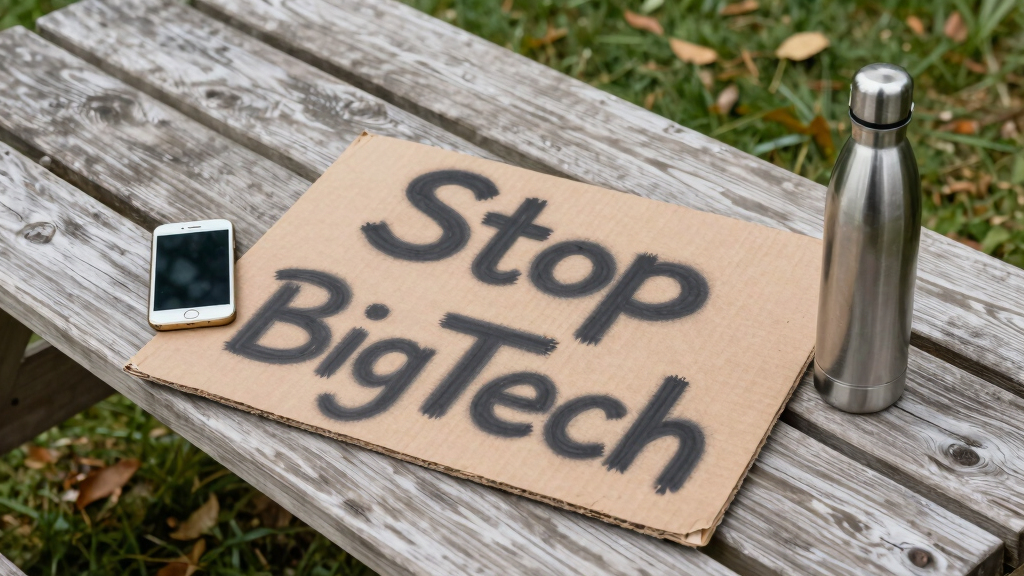
The Summer of Ludd festival in NYC is a weeklong event encouraging offline community and resistance to Big Tech. It highlights growing youth skepticism of digital tech’s societal impact and promotes alternative lifestyles.
In New York City’s East Village, hundreds gathered in Tompkins Square Park to participate in the Summer of Ludd, a weeklong event promoting offline community engagement and critiquing the dominance of Big Tech. The festival features performances, workshops, and activities designed to encourage people to disconnect from digital devices and reflect on technology’s societal role. This gathering marks a notable example of rising youth and community-led resistance to pervasive digital reliance.
The Summer of Ludd, which runs until July 5, includes activities such as a play about the historical Luddites, workshops on living without social media, and demonstrations against data centers. The event is organized by a loosely affiliated group of activists, who prefer to remain anonymous, and emphasizes in-person interactions over digital communication. The event’s organizers, including a puppet named Gowanus, state their goal is to foster social change through physical gatherings, counteracting what they see as the overreach of Silicon Valley and social media platforms.
Attendees include Gen Z individuals, Pride participants, families, and longtime East Village residents. A 2025 Pew Research study noted that nearly half of teens see social media as having negative effects, reflecting a broader skepticism among young people about digital technology. The festival’s activities and messaging aim to address these concerns and promote a more intentional, offline lifestyle.
Growing Youth Skepticism Toward Digital Tech
The Summer of Ludd exemplifies a broader cultural shift among younger generations, particularly Gen Z, who are increasingly critical of Big Tech’s influence on society. The event’s emphasis on offline community-building and resistance to digital surveillance resonates with rising concerns about data privacy, mental health, and societal control. This movement could influence future attitudes toward technology and policy debates around digital rights and regulation.
digital detox offline activity kits
As an affiliate, we earn on qualifying purchases.
As an affiliate, we earn on qualifying purchases.
Historical Roots and Modern Resurgence of Luddites
The original Luddites in 19th-century England opposed the adoption of industrial machinery that threatened their livelihoods, often resorting to protests and sabotage. Today’s Luddite-inspired events, like the NYC festival, draw on this history to critique modern technological overreach, including social media, AI, and data centers. The current wave reflects a growing awareness of the societal costs of digital dependence, amplified by studies showing increased teen dissatisfaction with social media’s effects.
“We believe that the event is the medium to enact social change, where people can meet up in physical space. When we organize online, we risk losing the human interactions that make us truly connected.”
— Gowanus, media puppet organizer
social media free living workshop books
As an affiliate, we earn on qualifying purchases.
As an affiliate, we earn on qualifying purchases.
Unclear Scope and Future of the Movement
It remains uncertain whether the Summer of Ludd will expand beyond this event or influence broader policy changes. The organizers are informal, and the movement’s long-term impact on tech industry practices or legislation is still unknown. Additionally, the extent to which this cultural critique will resonate with wider audiences or lead to sustained offline communities is yet to be seen.
As an affiliate, we earn on qualifying purchases.
Next Steps and Potential Growth of the Offline Resistance
The festival concludes on July 5, but organizers plan to evaluate its impact and possibly organize similar events in other cities. Attendees and supporters may continue advocating for digital detox practices and offline community-building. Policymakers and tech companies could face increased pressure as youth and community groups voice concerns about societal dependence on digital platforms.
As an affiliate, we earn on qualifying purchases.
Key Questions
What is the main goal of the Summer of Ludd?
The main goal is to promote offline community engagement and critique the influence of Big Tech, encouraging people to disconnect from digital devices and reflect on technology’s societal impact.
Who organizes the Summer of Ludd?
The event is organized by a loosely affiliated group of activists who prefer to remain anonymous, using symbolic figures like Gowanus to speak publicly on their behalf.
Is this movement gaining wider support?
The movement is currently localized around New York City, but it reflects a broader trend of youth skepticism toward digital technology, which could influence future activism and policy debates.
Will this event lead to policy changes?
It is too early to tell. The event aims to raise awareness and foster community, but whether it will impact legislation or corporate practices remains uncertain.
How is the event being received by the public?
The event has attracted diverse attendees, including youth, Pride communities, families, and local residents, and is generally seen as a meaningful form of cultural and political expression.
Source: Ars Technica
Halloween Picks
halloween
As an affiliate, we earn on qualifying purchases.