
📊 Full opportunity report: Are AI Visualizations The Future Of Military Operations? on ThorstenMeyerAI.com — validation score, market gap, and execution plan.
TL;DR
AI-generated visualizations are increasingly used to depict complex data in military contexts. Recent projects demonstrate their potential for strategic analysis, though their role in actual operations remains under development.
New AI-powered visualization tools are emerging that depict complex data, including financial markets and battlefield scenarios, in highly immersive, cinematic formats. While these technologies are currently experimental, their potential to influence military decision-making is drawing significant interest from defense analysts and technologists.
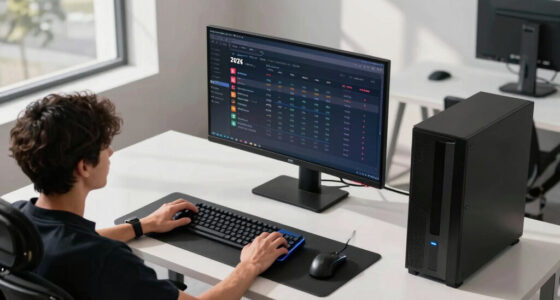
Recent projects, such as a real-time visualization of Bitcoin trading activity called Bitcoin War, showcase how advanced web technologies can create visceral, cinematic representations of complex data streams. These visualizations transform raw market activity into dynamic battlefield scenes, using browser-based graphics and sound to enhance engagement. Although primarily artistic and data-driven, such tools demonstrate the capacity of AI and web tech to produce immersive, real-time visual narratives.
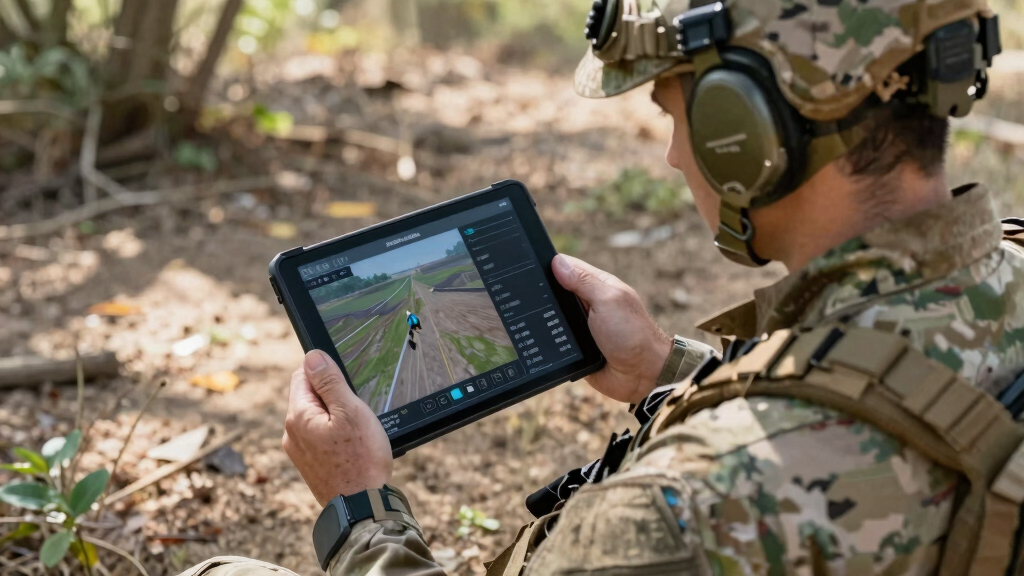
Experts note that similar visualization techniques could be adapted for military use, providing commanders with intuitive, immediate insights into battlefield dynamics, troop movements, or cyber threats. For more on this, see Technology Operations Signal Monitor: The Future Of Flipper Zero Development. However, these applications are still largely in the experimental or conceptual stage, and there is no confirmed deployment in active military operations.
Defense officials and researchers acknowledge the potential benefits of AI visualizations for strategic planning and situational awareness, but emphasize that their integration into operational contexts requires rigorous testing, validation, and ethical considerations. Current efforts focus on developing prototypes and assessing their effectiveness in simulated environments. For related insights, visit Trade and supply-chain operations signal monitor: U.S. strikes Iranian military sites after ship was hit in Strait of Hormuz.
Potential Impact of AI Visualizations on Military Strategy
The development of AI-driven visualizations could significantly enhance military decision-making by providing more intuitive, real-time representations of complex data. This can lead to faster, more informed responses in dynamic combat scenarios. However, reliance on such visualizations also raises concerns about accuracy, interpretability, and the risk of overdependence on AI-generated imagery. As these tools evolve, their integration into military workflows could reshape strategic planning, reconnaissance, and cyber defense, making understanding their capabilities and limitations crucial for future defense policies.

Better Data Visualizations: A Guide for Scholars, Researchers, and Wonks
As an affiliate, we earn on qualifying purchases.
As an affiliate, we earn on qualifying purchases.
Recent Advances and Experimental Visualization Projects
Over the past year, several projects have demonstrated the potential of AI and web technologies to produce immersive data visualizations. The Bitcoin War project, for instance, visualizes live cryptocurrency trades as a cinematic battlefield, leveraging browser-based graphics, sound, and real-time data streams. These innovations highlight the growing intersection of AI, data visualization, and web tech, with applications spanning finance, cybersecurity, and military strategy.
While these projects are currently artistic or analytical in nature, experts suggest they could inform future military visualization systems. The U.S. Department of Defense and allied nations are investing in AI research, exploring how such tools could improve battlefield awareness and command coordination, though no official systems have yet been publicly announced.
“AI-driven visualizations hold promise for transforming how military commanders perceive and respond to complex data in real time.”
— an anonymous researcher
real-time battlefield simulation tools
As an affiliate, we earn on qualifying purchases.
As an affiliate, we earn on qualifying purchases.
Unconfirmed Use and Future Deployment of AI Visualizations
It is not yet clear if or when AI-generated visualizations will be integrated into active military operations. No official military systems currently employ these tools, and their effectiveness, reliability, and ethical implications are still under assessment. Further research and testing are required before such technologies can be considered operational.
immersive military strategy visualization
As an affiliate, we earn on qualifying purchases.
As an affiliate, we earn on qualifying purchases.
Next Steps in Developing Military AI Visualization Tools
Future developments will likely include pilot programs, controlled exercises, and validation studies to evaluate the effectiveness of AI visualizations in military decision-making. Defense agencies and tech developers are expected to collaborate on prototypes, with a focus on accuracy, security, and ethical considerations. Monitoring these efforts will be key to understanding how quickly and broadly these tools might be adopted.

ASUS NUC 15 Pro Mini Desktop Computer, Intel Series 2 Core Ultra 7 255H, 32GB DDR5 RAM, 1TB PCIe SSD, Intel Arc 140T GPU, 8K/Quad 4K HDR, Win 11 Pro, Thunderbolt 4, WiFi 7, for AI & Data Analysis
⚡ Next-Gen AI & Multitasking Power – Powered by the latest Intel Series 2 Core Ultra 7 255H…
As an affiliate, we earn on qualifying purchases.
As an affiliate, we earn on qualifying purchases.
Key Questions
Could AI visualizations replace traditional military intelligence tools?
While AI visualizations can enhance understanding and speed of analysis, they are unlikely to fully replace traditional tools but rather serve as complementary aids in strategic and tactical decision-making.
Are there any risks associated with using AI visualizations in military contexts?
Yes, potential risks include inaccuracies, misinterpretation, overreliance on AI, and ethical concerns related to decision automation. These issues require careful management and validation.
When might AI visualizations see operational military use?
There are no confirmed timelines, but ongoing research and prototype testing suggest it could be several years before such tools are integrated into active operations, pending validation and ethical approval.
How do AI visualizations differ from current military mapping or simulation tools?
AI visualizations aim to provide more immersive, real-time, and cinematic representations of data, potentially offering faster insights and more intuitive understanding than traditional static maps or pre-programmed simulations.
Source: ThorstenMeyerAI.com