
TL;DR

Get the latest gadgets delivered free with Prime
- Fast, free delivery on millions of items
- Prime Video, Amazon Music and more included
- Member-only deals all year
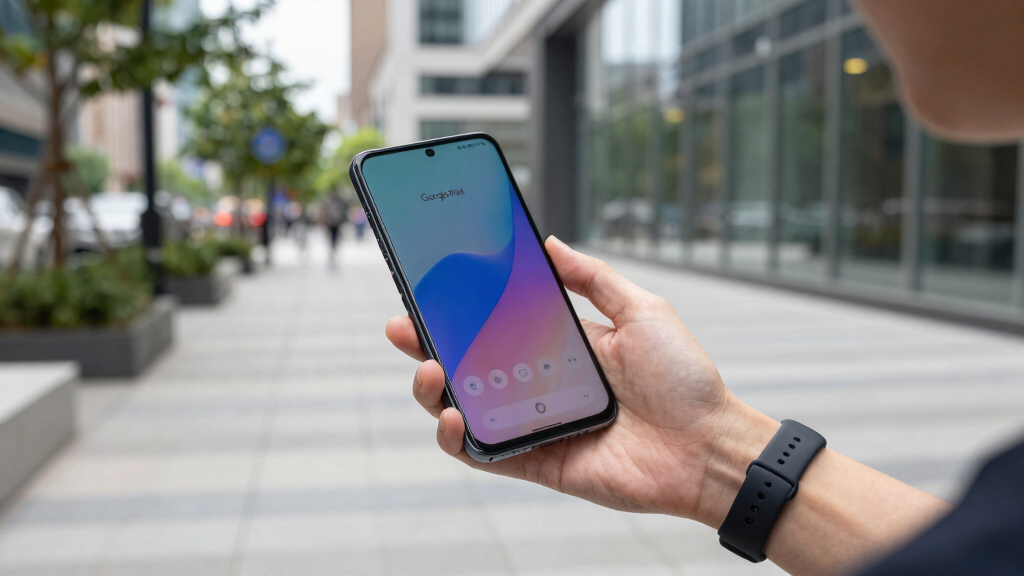
Google Pixel phones sold outside the US have subtle hardware and software differences, primarily in SIM support and cellular compatibility. These variations are tailored to regional networks and regulations, impacting usability for travelers and residents alike.
Google Pixel phones sold internationally differ from their US counterparts primarily in cellular support and SIM options, with notable implications for users traveling or relocating. This development is confirmed by recent reports from Engadget, highlighting regional hardware and software adjustments made by Google to meet local regulations and network standards.
According to Engadget, the core hardware components of recent Pixel models, including the Pixel 10 and Pixel 10 Pro, are largely consistent across regions, featuring the same Tensor G5 processor, RAM, storage options, and camera sensors. However, a key difference is that international versions of these phones support physical Nano SIM cards, whereas US models have shifted to eSIM-only configurations, primarily to save space for mmWave 5G components. Google confirmed this change was driven by regional carrier support and user convenience.
On the software side, localization efforts vary, with features like Magic Cue initially launching in select markets such as the US, UK, India, and Japan. These features are gradually expanding to other countries, but regional regulatory compliance and language support influence the rollout timeline. Cellular compatibility remains the most significant difference: US models often support mmWave 5G due to the investment of American carriers like Verizon, while international variants typically do not, focusing instead on mid-band and sub-6 GHz frequencies. This impacts network performance, especially in high-speed data scenarios.
Implications for Travelers and Regional Users
This distinction matters because users who travel internationally or move abroad may encounter compatibility issues with cellular networks, especially regarding 5G support and SIM card options. For residents and travelers, understanding these differences can influence device choice, ensuring seamless connectivity and avoiding potential frustrations with incompatible SIM slots or network bands. It also highlights how Google tailors its products to regional needs, which can affect software features and hardware capabilities.
Google Pixel international SIM card adapter
As an affiliate, we earn on qualifying purchases.
As an affiliate, we earn on qualifying purchases.
Regional Variations in Smartphone Design and Support
Google’s approach to regional differences in Pixel phones follows industry trends, where manufacturers adapt hardware and software to meet local regulations, network infrastructure, and consumer preferences. Unlike Samsung, which varies chipsets between Snapdragon and Exynos depending on the region, Google maintains consistent hardware across markets, with minor exceptions like SIM support. The move to eSIM-only US models aligns with broader industry shifts towards digital SIMs, but international models still retain physical SIM slots for broader compatibility.
Historically, US carriers have heavily invested in mmWave 5G, influencing hardware design choices by manufacturers like Google. Meanwhile, many international markets prioritize broader network coverage over peak speeds, reducing the need for mmWave support. These regional differences have become more pronounced with recent Pixel models, affecting user experience depending on location.
“The main hardware differences are minimal, but regional cellular support and SIM options are the primary distinctions between US and international Pixels.”
— an anonymous researcher
As an affiliate, we earn on qualifying purchases.
Remaining Questions on Future Regional Variations
It is not yet clear whether Google will standardize support for mmWave 5G globally or maintain regional differences in future Pixel models. Additionally, the timeline for expanding localized features like Magic Cue to more markets remains uncertain. The full extent of hardware and software adjustments for upcoming releases has not been publicly detailed.
Google Pixel 10 Pro global version
As an affiliate, we earn on qualifying purchases.
As an affiliate, we earn on qualifying purchases.
Next Steps in Pixel Regional Strategy
Google is expected to continue refining regional support, potentially expanding features like Magic Cue and adjusting cellular compatibility in future Pixel releases. Users planning to buy a Pixel should consider regional differences carefully, especially if they travel frequently or plan to relocate. Monitoring official updates from Google will clarify whether regional hardware distinctions will persist or evolve.
Google Pixel 5G mid-band compatible phone
As an affiliate, we earn on qualifying purchases.
As an affiliate, we earn on qualifying purchases.
Key Questions
Are international Pixel phones compatible with US carriers?
Compatibility depends on the specific model and carrier support. International Pixels generally support LTE and 5G bands common outside the US but may lack mmWave support, which is more prevalent in US models.
Can I use an international Pixel in the US?
Yes, but without mmWave 5G support, the device may have limited high-speed 5G access. Also, ensure the device supports the necessary LTE bands for your carrier.
Will future Pixels have the same regional differences?
It is unclear; Google has not officially announced plans to change its regional hardware and software strategies. Future models may continue regional variations based on network and regulatory requirements.
Why did Google switch US Pixel models to eSIM-only?
Google cited the widespread support for eSIMs among US carriers and the need to allocate space for mmWave 5G components as reasons for the switch.
Do software features differ between US and international Pixels?
Generally, software features are similar, but certain features like Magic Cue are initially limited to specific markets due to localization and regulatory factors.
Source: Engadget
Halloween Picks
halloween
As an affiliate, we earn on qualifying purchases.