
TL;DR

Get the latest gadgets delivered free with Prime
- Fast, free delivery on millions of items
- Prime Video, Amazon Music and more included
- Member-only deals all year
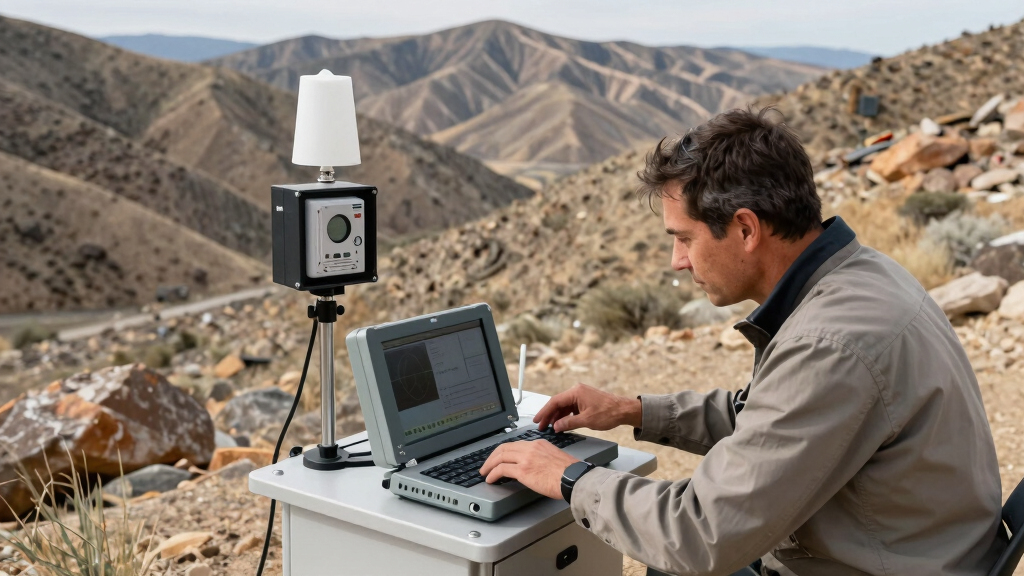
The San Andreas fault has reached its highest stress level in 1,000 years, according to recent scientific assessments. This development could signal increased earthquake risk in California. The situation is ongoing, and experts are monitoring the fault closely.
The San Andreas fault has reached its highest stress level in 1,000 years, according to recent scientific measurements, raising concerns about an increased likelihood of a major earthquake in California. This development is confirmed by geologists monitoring fault stress accumulation, and it underscores the potential for significant seismic activity in the near future.
Scientists have confirmed that the stress level along the San Andreas fault has reached a threshold not observed in the past millennium. This measurement was obtained through advanced seismic monitoring techniques and indicates a significant buildup of tectonic energy. The stress accumulation is believed to be a result of ongoing tectonic plate movements, which have been active in the region for decades.
While the precise timing of an earthquake remains uncertain, experts warn that such high stress levels increase the probability of a major seismic event. The last notable rupture along this fault occurred approximately 300 years ago, and the current stress levels suggest a potential for an event within the next few years or decades, though no specific date can be predicted.
Officials from geological agencies emphasize that this is a warning sign, not a guarantee of imminent quake, and they are intensifying monitoring efforts to better understand the fault’s behavior. Emergency preparedness agencies are also reviewing protocols in case of a major earthquake.
Implications of the Stress Level Surge for California
This development is significant because it indicates a heightened risk of a major earthquake along the San Andreas fault, which runs through California’s most populated regions. An earthquake of such magnitude could cause widespread damage, loss of life, and economic disruption. The high stress level signals that the fault is nearing a critical point, prompting authorities to reinforce emergency preparedness and public awareness campaigns. It also underscores the importance of ongoing scientific research to better predict seismic events and mitigate their impacts.
As an affiliate, we earn on qualifying purchases.
Recent Seismic Monitoring and Historical Stress Patterns
The San Andreas fault has long been a focus of seismic research due to its potential for large earthquakes. Historically, the fault has experienced major ruptures approximately every 150 to 200 years, with the last major event occurring in 1857. Over the past century, scientists have tracked stress accumulation along the fault, noting periods of increased activity that often precede earthquakes. Recent technological advances, including high-precision seismic sensors and satellite-based measurements, have enabled scientists to assess stress levels with greater accuracy. The current spike to a 1,000-year high marks a significant deviation from recent decades of relatively stable stress levels, indicating a potential shift in seismic risk.
“The stress levels we’ve measured are unprecedented in the last millennium, which could mean an increased likelihood of a significant earthquake.”
— an anonymous researcher
As an affiliate, we earn on qualifying purchases.
Uncertainties in Earthquake Timing and Magnitude
It remains unclear exactly when the fault might rupture or the magnitude of the potential earthquake. While high stress levels increase risk, they do not predict a specific event date. Scientists caution that stress accumulation can be released gradually or suddenly, and other factors influence earthquake timing. Further research is needed to refine risk assessments and improve predictive models.
earthquake preparedness supplies
As an affiliate, we earn on qualifying purchases.
As an affiliate, we earn on qualifying purchases.
Enhanced Monitoring and Preparedness Efforts Moving Forward
Scientists will continue to monitor the San Andreas fault closely, utilizing new sensors and modeling techniques to better understand stress evolution. Authorities are reviewing emergency response plans and public education initiatives to prepare for the possibility of a major earthquake. Updates on stress levels and potential risk assessments are expected in the coming months as data collection continues.
Key Questions
Does this mean an earthquake is imminent?
Not necessarily. High stress levels increase the likelihood but do not specify when or if an earthquake will happen. Scientists emphasize ongoing monitoring and risk assessment.
What regions are most at risk?
Areas along the San Andreas fault, including parts of California such as Los Angeles, San Francisco, and surrounding regions, are most at risk.
How serious is the potential threat?
A major earthquake along the San Andreas fault could cause widespread damage and loss of life, underscoring the importance of preparedness and resilient infrastructure.
Are there any current safety measures in place?
Emergency agencies are reviewing and updating response plans, and public awareness campaigns are ongoing to improve readiness.
How does this compare to past stress levels?
This is the highest stress level recorded in 1,000 years, marking a significant deviation from historical patterns and recent decades of relative stability.
Source: Google Trends
Halloween Picks
halloween
As an affiliate, we earn on qualifying purchases.