
TL;DR

Get the latest gadgets delivered free with Prime
- Fast, free delivery on millions of items
- Prime Video, Amazon Music and more included
- Member-only deals all year
Magic Leap has laid off nearly 200 employees amid a strategic shift to become a waveguide supplier for AR glasses. The move marks a significant change from their previous focus on developing proprietary headsets, aiming to accelerate AR ecosystem development through manufacturing expertise.
Magic Leap has laid off 193 employees at its Florida headquarters as part of a strategic shift to focus on waveguide technology manufacturing for other AR device companies, according to a WARN Act notice. The move signifies a major change in the company’s direction, away from first-party headset development toward becoming a key ecosystem partner in AR hardware production.
According to the WARN Act filing, the layoffs will affect roles across software, hardware, UX/design, product management, manufacturing engineering, quality, and senior leadership, with the affected employees leaving by October 1st. The company has not disclosed how many staff will remain, but estimates suggest a few hundred still at Magic Leap.
This shift follows earlier indications that Magic Leap was moving away from developing its own AR headsets. Earlier this month, the company announced a “strategic pivot” toward becoming a waveguide supplier and ecosystem partner to accelerate AR device deployment, especially in AI display glasses. Magic Leap’s SVP of display engineering stated the company is now focused on scaling waveguide production and device integration to help partners bring AR glasses to market quickly.
Founded in 2010, Magic Leap raised over $4 billion from investors including Saudi Arabia’s sovereign wealth fund, Google, Alibaba, and Qualcomm. Despite high funding, its first headset, launched in 2018 at $2,300, failed to meet commercial expectations, prompting a shift toward enterprise-focused devices like Magic Leap 2, released in 2020. The company has since reduced its own device development efforts, partnering with Google and Pegatron for licensing and manufacturing of waveguides.
Implications for AR Industry and Market Dynamics
This pivot indicates a major shift in Magic Leap’s strategy, from competing in the consumer and enterprise headset markets to becoming a key component supplier in the AR ecosystem. It underscores the increasing importance of manufacturing expertise and supply chain roles in AR hardware development, potentially impacting competitors and the pace of AR device deployment globally. The move also reflects broader industry trends toward specialization and collaboration rather than proprietary device dominance.
As an affiliate, we earn on qualifying purchases.
Recent Trends and Company History in AR Development
Magic Leap’s early ambitions centered on creating high-profile consumer AR headsets, but the 2018 launch of Magic Leap 1 was met with limited commercial success. The company pivoted to enterprise markets with Magic Leap 2 in 2020, but ongoing product development has been limited. Over the past two years, the company shifted focus away from first-party device creation, instead licensing waveguide technology to partners like Google and Pegatron. The recent layoffs and strategic pivot to waveguide manufacturing are consistent with this evolving approach.
“Magic Leap is now leveraging its manufacturing expertise to become a key player in AR ecosystem development through waveguide supply.”
— an anonymous researcher
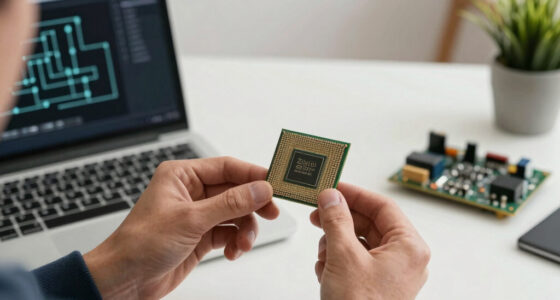
AR headset manufacturing components
As an affiliate, we earn on qualifying purchases.
As an affiliate, we earn on qualifying purchases.
Unclear Details on Future Product Development and Market Impact
It remains uncertain how many employees will stay at Magic Leap following the layoffs, or whether the company will develop any new first-party AR headsets in the future. The precise timeline for scaling waveguide manufacturing and the extent of collaboration with partners are still developing. Additionally, the overall impact on Magic Leap’s market share and competitive position is not yet clear, as the company’s strategic plans are still unfolding.
waveguide technology for AR glasses
As an affiliate, we earn on qualifying purchases.
As an affiliate, we earn on qualifying purchases.
Next Steps in Magic Leap’s Transition and Industry Adoption
Magic Leap is expected to focus on ramping up waveguide manufacturing capabilities and formalizing partnerships with device makers. The company may also announce new collaborations or products in the coming months, aiming to establish itself as a key supplier in the AR ecosystem. Monitoring upcoming industry events and company statements will be essential to gauge the pace of this transition and its influence on AR hardware deployment.
As an affiliate, we earn on qualifying purchases.
Key Questions
Will Magic Leap continue developing its own AR headsets?
It is not yet clear if Magic Leap plans to release new proprietary headsets or fully transition to a supplier role. The company appears to be prioritizing waveguide manufacturing and ecosystem partnerships at this stage.
How will the layoffs affect Magic Leap’s innovation and product pipeline?
The layoffs primarily impact engineering and product development staff, which could slow or halt new first-party headset projects. The focus seems to be shifting toward manufacturing and supporting partners.
What does this mean for Magic Leap’s investors and funding?
The company’s strategic pivot could realign its value proposition, emphasizing manufacturing and ecosystem roles over direct consumer sales. The long-term impact on investor confidence remains uncertain.
Will Magic Leap’s waveguides be used in consumer AR glasses?
Potentially, as the company aims to help partners bring AI display glasses to market quickly through its waveguide technology, but specific product plans are not yet public.
What are the broader implications for the AR industry?
This move highlights a shift toward supply chain specialization, which could accelerate AR device deployment but also reduce the number of independent headset manufacturers.
Source: Road to VR
Halloween Picks
halloween
As an affiliate, we earn on qualifying purchases.