
📊 Full opportunity report: Biofeedback & Voice Training: How Pocket Voice Lab Supports Gender-Affirming Goals on IdeaNavigator AI — validation score, market gap, and execution plan.

Get the latest gadgets delivered free with Prime
- Fast, free delivery on millions of items
- Prime Video, Amazon Music and more included
- Member-only deals all year
TL;DR
Pocket Voice Lab is a new mobile app providing objective, real-time voice biofeedback tailored for transgender and gender-nonconforming people. It aims to improve voice training accessibility and effectiveness outside clinical settings, addressing a significant gap in gender-affirming care.
Pocket Voice Lab is a new mobile application designed to provide real-time acoustic biofeedback for individuals undergoing gender-affirming voice training. The app targets transgender and gender-nonconforming people seeking to modify their pitch and resonance, offering an accessible alternative to traditional in-person speech therapy or vocal coaching, which can be costly and geographically limited.
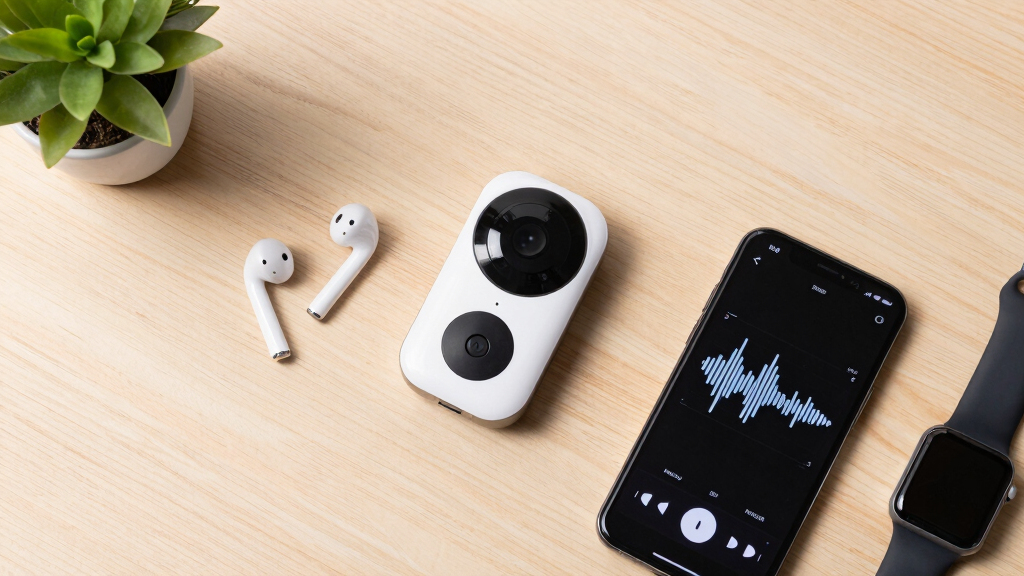
The app records a user’s voice sample and delivers immediate visual feedback on fundamental pitch, resonance, and strain indicators. It includes guided exercises tailored for voice feminization or masculinization, with features to track progress over time and generate shareable reports for clinicians. The platform is currently in the pilot testing phase, with plans to evaluate user engagement and willingness to pay through a 4-week trial.
Developers cite advances in smartphone microphone technology and acoustic analysis algorithms as enabling factors, making real-time feedback feasible without lab hardware. The initiative responds to documented gaps in gender-affirming voice care, where many users lack consistent objective feedback and long-term progress tracking. The app’s revenue model involves a freemium subscription, with premium features including unlimited sessions, detailed history, and clinician reports.
Impact on Accessibility and Quality of Gender-Affirming Voice Care
This development addresses a critical care gap for transgender and gender-nonconforming individuals who seek affordable, ongoing voice training. By providing objective, real-time feedback outside clinical settings, Pocket Voice Lab could enhance training efficacy and motivation, potentially reducing barriers to consistent practice. Its scalable, app-based approach also opens pathways for integration into clinical workflows and broader voice health applications, making gender-affirming voice care more accessible and data-driven.
voice biofeedback app for gender affirmation
As an affiliate, we earn on qualifying purchases.
As an affiliate, we earn on qualifying purchases.
Growing Demand for Objective, At-Home Voice Training Tools
Traditional voice training for gender affirmation relies heavily on in-person sessions with speech-language pathologists or vocal coaches, which are often expensive and limited by geography. Recent peer-reviewed research recognizes voice as a clinical biomarker, with parameters like pitch and resonance serving as measurable indicators of progress. Academic prototypes such as TruVox and Attuned have demonstrated the feasibility of AI-driven voice training, validating the need for accessible, at-home solutions. The market for voice health apps, particularly in gender-affirming care, has grown significantly, with over 4 million downloads of similar AI coaching apps, indicating strong consumer demand.
“Advances in smartphone technology now make real-time acoustic biofeedback practical for at-home voice training, especially for marginalized communities.”
— an anonymous researcher
gender-affirming voice training device
As an affiliate, we earn on qualifying purchases.
As an affiliate, we earn on qualifying purchases.
Uncertainties About User Engagement and Long-Term Effectiveness
It is not yet clear how well users will engage with the app over extended periods or whether the objective feedback will translate into meaningful, sustained voice changes. The pilot phase will assess user retention, satisfaction, and willingness to pay, but definitive data on clinical effectiveness remains to be seen. Additionally, integration with professional care and regulatory considerations are still under discussion.
at-home voice therapy app for transgender
As an affiliate, we earn on qualifying purchases.
As an affiliate, we earn on qualifying purchases.
Next Steps Include Pilot Evaluation and Broader Deployment Plans
The developers plan to conduct a 4-week pilot involving trans voice training and public-speaking communities to measure engagement and willingness to subscribe. Success metrics include at least 40% of users completing three or more guided sessions per week and 25% converting to paid subscriptions. Pending positive results, the app aims to expand features, refine the interface, and explore licensing opportunities with clinics and speech therapy practices.
real-time voice pitch feedback tool
As an affiliate, we earn on qualifying purchases.
As an affiliate, we earn on qualifying purchases.
Key Questions
How does Pocket Voice Lab improve over traditional voice training methods?
The app provides immediate, objective visual feedback on pitch and resonance, enabling users to practice independently with data-driven insights, unlike traditional methods that often rely on subjective assessments.
Is the app suitable for all transgender individuals seeking voice modification?
The current focus is on voice feminization and masculinization exercises; broader applications may be developed later based on user feedback and clinical validation.
Will this app replace in-person speech therapy?
It is designed as a supplementary tool to support ongoing practice between professional sessions, not as a replacement for clinical care.
How secure is the voice data collected by the app?
Data privacy and security measures are being prioritized, with plans to enable sharing reports securely with clinicians, but detailed security protocols are still under development.
When will the app be publicly available?
The pilot testing is ongoing; a broader release is expected pending successful validation and refinement, likely within the next year.
Source: IdeaNavigator AI
Halloween Picks
halloween
As an affiliate, we earn on qualifying purchases.