
📊 Full opportunity report: Practice App Gives Business Owners A Place To Rehearse On-Camera Speech on IdeaNavigator AI — validation score, market gap, and execution plan.

Get the latest gadgets delivered free with Prime
- Fast, free delivery on millions of items
- Prime Video, Amazon Music and more included
- Member-only deals all year
TL;DR
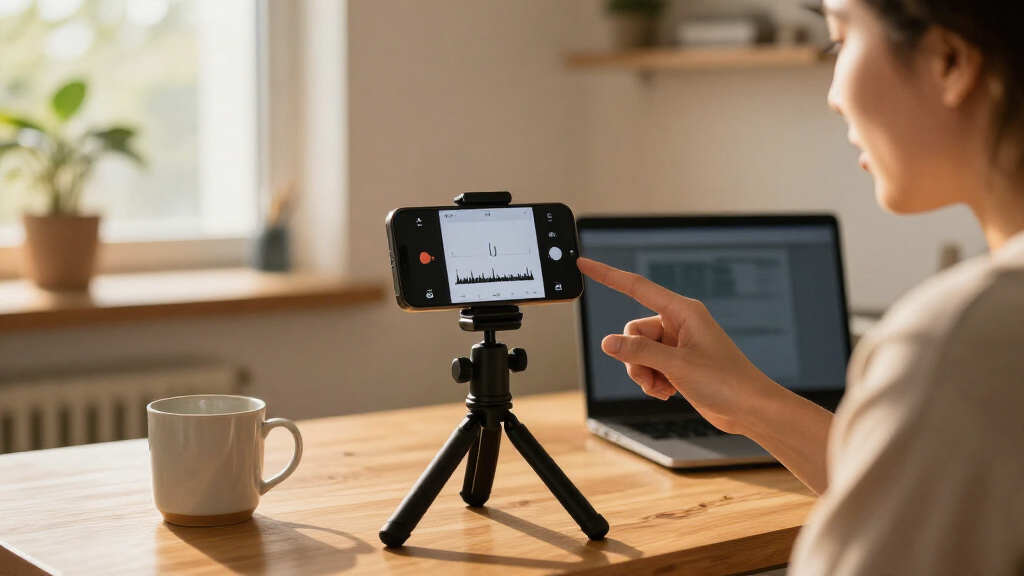
IdeaNavigator AI has outlined a proposed practice app for business owners who feel anxious recording videos. The concept includes short daily exercises and automated feedback, but it is a product proposal: no launch, completed trial, or evidence of results is reported.
IdeaNavigator AI has outlined a proposed practice app for business owners who know video marketing matters but freeze when recording themselves. The concept pairs short, prompted rehearsal exercises with feedback on delivery; it is not a confirmed product launch, and no test results or release date are provided.
According to the IdeaNavigator AI concept, the proposed app would guide users through daily, two-minute exercises, starting with reading prepared material and gradually moving to speaking more freely. The concept targets owners who struggle with stumbling, self-criticism, or repeated takes when they try to record. It distinguishes this solo-recording challenge from conventional public-speaking training, which may not focus on practising alone for a camera.
The concept’s suggested minimum viable product would use automated analysis to assess pace, filler words, eye line and energy, then show users how their performance changes over time. The proposal describes the exercises as private, with the aim of offering a judgment-free way to practise. It also suggests eventually encouraging users to record real business content and using a confidence streak to track continued practice.
IdeaNavigator AI proposes a consumer subscription alongside a team tier for agencies that coach clients. It recommends testing the concept with a 30-day cohort of 100 business owners and comparing the share who publish a first real video by day 45 with a waitlist control group. This is a proposed validation plan, not a reported trial: the source identifies no participants, measurements, or findings.
Product concept · IdeaNavigator AI
Practice Before You Press Record
A proposed app would give business owners a private place to rehearse on-camera speech through short daily exercises and automated delivery feedback.
The concept is not a confirmed launch. No completed trial, product release date, or evidence of results is reported.
01 / The proposed experience
Rehearsal, broken into manageable steps
The app concept targets owners who want to use video but struggle with nerves, stumbling, self-criticism, or repeated takes while recording alone.
Read prepared text
Start with a short, guided prompt in a private practice session.
Build a daily habit
Use a suggested two-minute exercise and confidence streak.
Speak more freely
Progress toward less scripted practice as comfort grows.
Try real content
Eventually move from rehearsal to recording business videos.
02 / Feedback areas
What the tool would assess
The proposed minimum viable product would use automated analysis to give users feedback on delivery and show how performance changes over time.
Pace & filler words
Spot speaking patterns that may make a message harder to follow.
Eye line & energy
Offer feedback on visual delivery and perceived presence.
Change over time
Track practice and encourage continued use with a confidence streak.
03 / Suggested validation
A cohort would test the idea
IdeaNavigator AI recommends a 30-day cohort and a waitlist control group. This is a proposed validation plan, not a reported study.
Practice group
Invite 100 business owners to use the proposed exercises during a 30-day cohort.
Illustrative concept metric; no recruitment is reported.
Behavior to measure
Compare the share who publish a first real video by day 45 with a waitlist control group.
No results, test schedule, or comparison data are available.
04 / Product & evidence
Key details are still pending
The outline does not name a product, developer, technical system, or existing service. It provides no launch date, development status, pricing, or agency-tier terms.
Recording methods, data collection, retention, privacy safeguards, and the accuracy of proposed feedback have not been specified. No results show that practice reduces camera anxiety or leads to more published videos.
Potential value would depend on whether the feedback is useful and appropriate across different speakers and recording setups.
05 / Open questions
What remains unanswered
Has the app launched?
No launch is reported. There is no product name, release date, or confirmation that development is complete.
Who is it for?
Business owners who want to use video but find recording alone uncomfortable or difficult.
How might it earn revenue?
The concept suggests a consumer subscription and a team tier for agencies. Pricing and demand are unknown.
Has it helped anyone publish?
No outcomes are reported. The proposed test would measure first-video publication by day 45.
A Rehearsal Step Before Publishing
The concept addresses a practical gap between being told to use video and actually publishing it. For owners who avoid recording because of nerves or repeated retakes, private, structured practice could offer a lower-pressure step toward making public content. Whether it would do so effectively has not been established.
The proposal also reflects an expanding use of multimodal AI for communication feedback. Its potential value would depend not just on detecting speech patterns, but on whether the feedback is useful, understandable, and appropriate for different speakers and recording setups. The suggested day-45 publishing measure would test a concrete behavior, rather than relying only on users’ impressions of their confidence.
For agencies, a team version could provide a shared practice tool for clients, while a consumer subscription would target owners directly. Those are proposed routes to market; the material does not report customer demand, pricing, adoption, or evidence that either model would be commercially viable.
Products Worth Considering

DJI Mic 3 Wireless Microphone Kit (2 Transmitters, 1 Receiver, Charging Case)
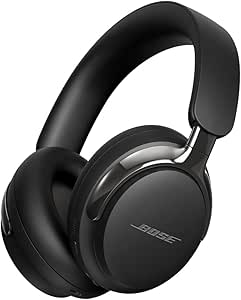
Bose QuietComfort Ultra Headphones (2nd Gen), Wireless Bluetooth Noise-Cancelling Over-Ear Headphones, Black

Logitech MX Brio Ultra HD 4K Webcam, Graphite
As an affiliate, we earn on qualifying purchases.
From Video Pressure to Practice
The IdeaNavigator AI proposal is framed around a familiar challenge for small-business marketing: owners may be encouraged to post video regularly but find the act of recording uncomfortable. Its proposed audience is specifically people who already see a role for video and have difficulty getting through the recording process—not every business owner or everyone seeking general presentation training.
IdeaNavigator AI cites video-first marketing pressure and the availability of multimodal AI as reasons to explore the concept now. The proposed feedback areas—speech pace, filler words, eye line, and energy—would make the tool more specific than a general public-speaking course. However, the outline does not name a product, developer, technical system, or existing service, and does not establish that the proposed analysis has been built.
The source suggests a 30-day cohort of 100 owners, with a waitlist control for comparison. The stated outcome is whether participants publish a first real video by day 45. It gives no schedule for recruiting the cohort or conducting that comparison.
Product and Evidence Still Pending
No app launch or completed pilot is reported in the IdeaNavigator AI concept. The proposal does not identify a development team, product name, release date, subscription price, or agency-tier terms. It is also unclear how users would record exercises, what data the app would collect, or how long video or audio would be retained.
The source describes proposed scoring categories, but their accuracy and usefulness have not been demonstrated. It provides no details about how eye line and energy would be assessed, how feedback would account for differences among users, or how private recordings would be protected. No results show that practice leads to more published videos or less camera anxiety.
The cohort and waitlist comparison are recommendations in the proposal. Until a test is conducted and its method and findings are reported, the likely effect on publishing behavior and the viability of the subscription model remain unverified.
A Cohort Would Test the Idea
IdeaNavigator AI proposes a 30-day test with 100 business owners, compared with a waitlist control group. As described in its concept, the outcome would be the share of participants who publish a first real video by day 45. No start date, recruitment plan, or confirmation that the test will proceed is available.
If a trial is carried out, its reported results would help show whether owners use the exercises and whether they move from rehearsal to publishing. Further information would also be needed about the feedback system, privacy protections, pricing, and any agency offering before the concept could be assessed as a functioning product.
Source: IdeaNavigator AI
Key Questions
Has the on-camera practice app launched?
No launch is reported. IdeaNavigator AI describes a product concept, without a product name, release date, or confirmation that development is complete.
Who is the app intended to help?
The proposed audience is business owners who want to use video but struggle with nerves, stumbling, self-criticism, or repeated takes while recording alone.
What would users practise?
The suggested format is a two-minute daily exercise, progressing from reading prepared text to speaking more freely. The app would offer feedback on pace, filler words, eye line, and energy.
Has the app been shown to help owners publish videos?
No outcomes are reported. A 30-day cohort of 100 owners and a comparison with a waitlist group are proposed, with first video publication by day 45 as the measure.
How might the service make money?
The concept proposes a consumer subscription and a team tier for agencies coaching clients. Pricing and commercial viability have not been established.
Source: IdeaNavigator AI