
To practice privacy-friendly camera placement, avoid pointing cameras at private areas like bedrooms, bathrooms, or personal gardens. Use natural barriers or physical obstacles to block views of sensitive spots. Position cameras higher and focus on public entry points or shared spaces, adjusting angles to minimize invasions. Make sure to incorporate privacy features like masking or motion zones if available. Keep these strategies in mind, and you’ll learn how to balance security with respect for privacy.

Get the latest gadgets delivered free with Prime
- Fast, free delivery on millions of items
- Prime Video, Amazon Music and more included
- Member-only deals all year
Key Takeaways
- Identify and exclude private spaces like bathrooms, bedrooms, and changing areas from camera coverage.
- Position cameras to monitor public or shared areas, avoiding views of sensitive zones.
- Use physical barriers or natural features to block camera views of private spaces.
- Adjust camera angles and heights to focus on entry points and common areas, minimizing privacy intrusion.
- Regularly review and update camera placements to ensure sensitive areas remain protected.
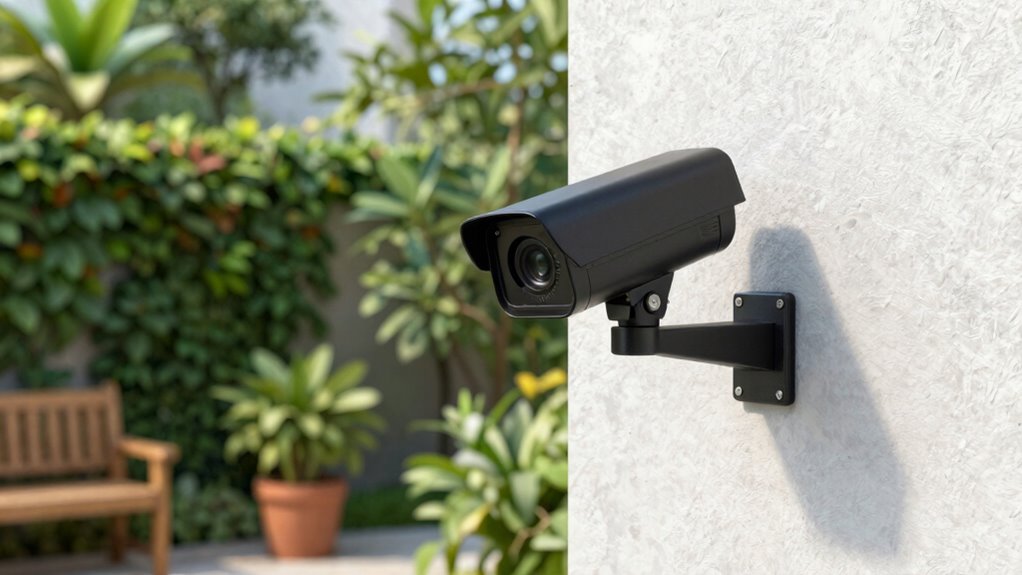
privacy-friendly security camera
As an affiliate, we earn on qualifying purchases.
As an affiliate, we earn on qualifying purchases.
How to Identify Privacy-Sensitive Areas for Camera Placement
To effectively identify privacy-sensitive areas for camera placement, you need to take into account the spaces where people expect privacy or are most vulnerable to intrusion. Public space, such as sidewalks or parks, usually requires less concern, but private areas do not. Focus on personal boundaries, like bathrooms, bedrooms, or areas where people change clothes. These are key zones where intrusion feels most invasive. When planning your camera setup, consider whether the camera’s view crosses these boundaries. Avoid pointing cameras directly into private spaces, even if they are technically accessible. Respecting personal boundaries helps maintain trust and prevents privacy violations. Additionally, understanding the basic principles of privacy can help guide responsible camera placement and prevent unintended surveillance issues. Recognizing that sensitive areas like bathrooms or bedrooms are off-limits is crucial, as they are often associated with privacy-sensitive zones. By recognizing these sensitive areas, you guarantee your camera placement is both effective and privacy-conscious, fostering a safer environment for everyone involved. Incorporating privacy-friendly practices ensures that surveillance respects individual rights while maintaining security, especially when considering the potential for misuse of footage in private settings. A thorough awareness of camera technology can further aid in choosing the right equipment to minimize privacy concerns.
As an affiliate, we earn on qualifying purchases.
Best Practices for Privacy-Conscious Camera Setup at Home and Work
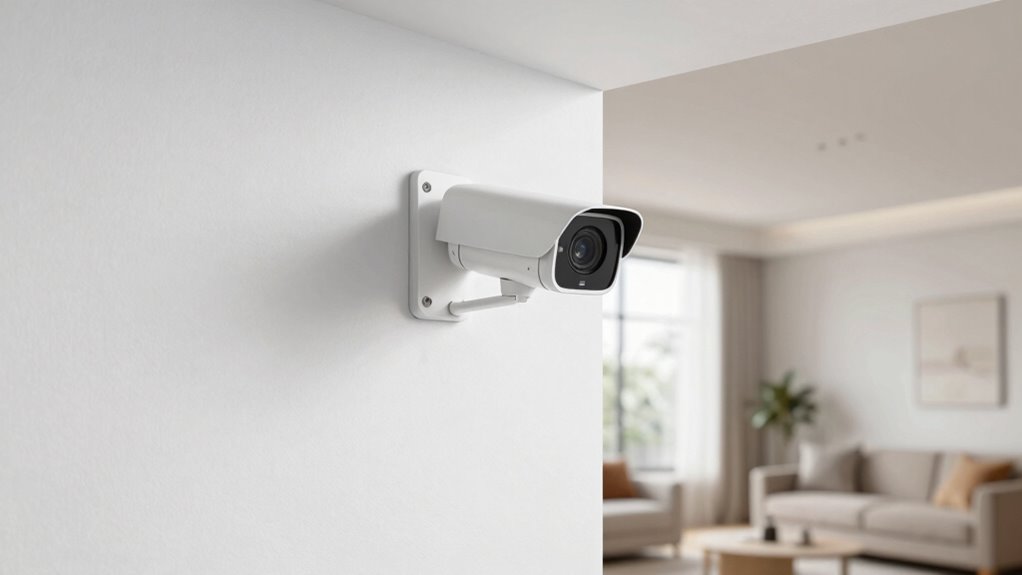
Setting up cameras at home or work requires careful planning to balance security needs with privacy considerations. Start by calibrating your camera lens properly to avoid capturing unintended areas. Adjust motion detection settings to reduce false alarms and limit recording to relevant activity. Regularly review footage to guarantee cameras aren’t intruding on sensitive spaces. Use the table below to understand the importance of these practices:
| Practice | Purpose |
|---|---|
| Camera lens calibration | Ensures accurate focus, reduces privacy risks |
| Motion detection settings | Limits recordings to necessary activity |
| Regular review | Maintains privacy and security balance |
Implementing these best practices helps you protect privacy while maintaining effective surveillance. Being aware of privacy considerations can help you avoid inadvertently capturing private or sensitive areas, especially in shared environments. Incorporating safety tips for portable oil radiators can also enhance overall safety in environments where cameras are installed, and paying attention to camera placement can further minimize privacy concerns. Additionally, understanding how privacy-friendly camera setup contributes to ethical surveillance practices can help you establish trust and respect in both personal and professional settings. Properly configuring surveillance equipment is essential to uphold privacy standards and prevent misuse.
As an affiliate, we earn on qualifying purchases.
Using Camera Angles and Heights to Respect Privacy
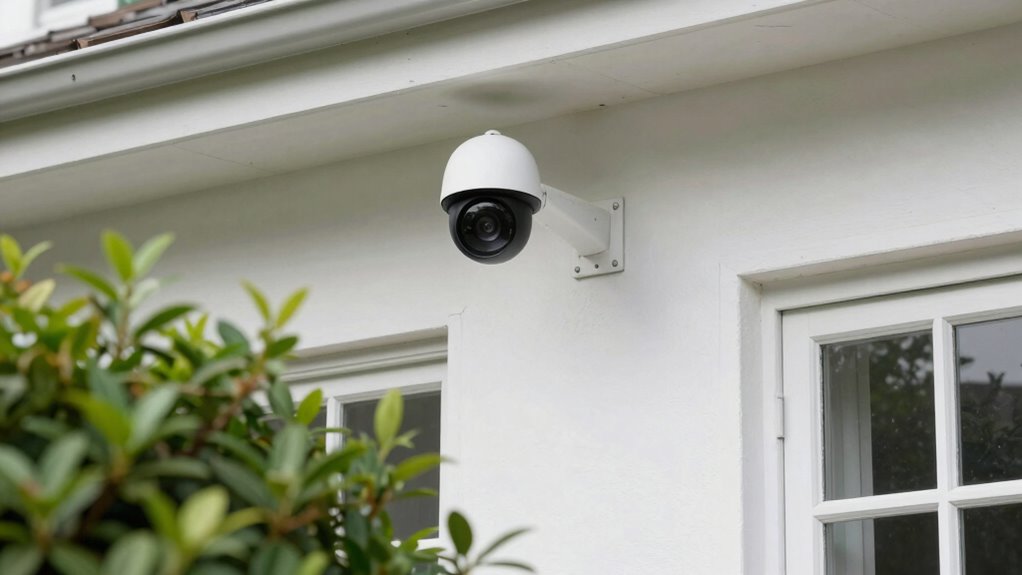
Choosing the right camera angles and heights is essential for respecting privacy while maintaining security. Effective camera angle optimization guarantees you cover the necessary areas without invading private spaces. Adjusting the height of your camera helps prevent it from capturing sensitive zones, such as windows or private yards. By positioning cameras higher up, you can monitor larger areas while minimizing the risk of intruding on personal spaces. Use height adjustment to avoid pointing directly into neighbors’ property or indoor spaces. Aim for angles that focus on entry points, driveways, or common areas, rather than private rooms or gardens. This approach balances the need for surveillance with privacy considerations, ensuring you monitor effectively without overstepping boundaries. Proper camera placement fosters trust and respects everyone’s privacy. Additionally, understanding nail biology and hygiene can remind us of the importance of respecting personal boundaries in all aspects of life, including surveillance practices. Maintaining respectful camera placement is akin to practicing good floor care—both require attention to detail and an understanding of boundaries to prevent damage or intrusion. Recognizing privacy boundaries in your camera setup helps create a secure environment that respects individual comfort levels. Being aware of security camera regulations in your area can further guide responsible placement and usage. Ensuring your camera setups adhere to privacy laws helps prevent legal issues and promotes ethical surveillance.
outdoor security camera with adjustable angles
As an affiliate, we earn on qualifying purchases.
As an affiliate, we earn on qualifying purchases.
Tech Tools and Features to Protect Privacy While Monitoring
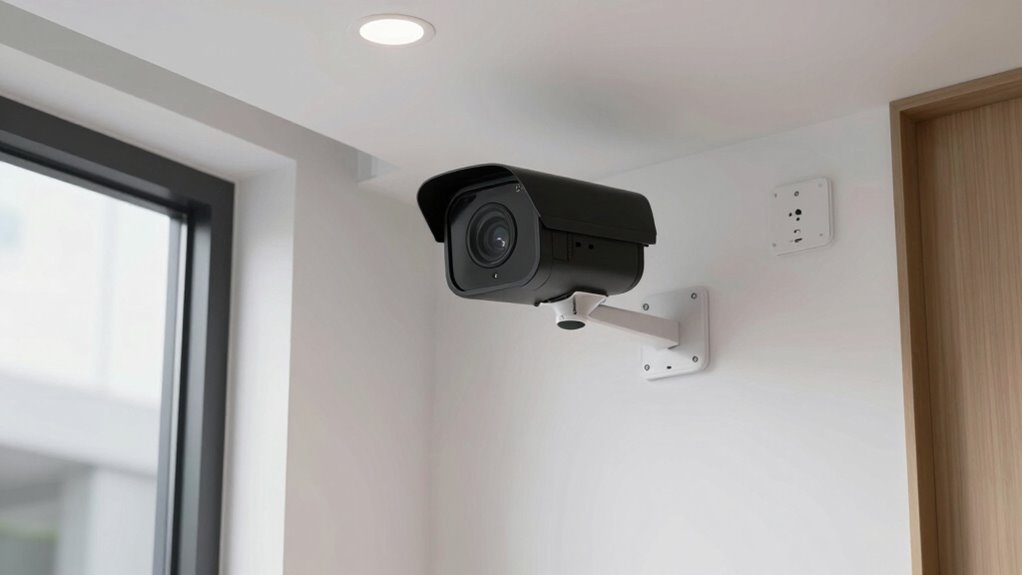
Modern security cameras come equipped with a variety of tech tools and features designed to help you monitor effectively while safeguarding privacy. These include:
- Advanced Camera Software – Enables you to set motion detection zones, blur sensitive areas, and schedule recordings, minimizing unnecessary coverage. A privacy-focused approach can also involve adjusting camera settings to reduce overreach and avoid capturing unintended areas. Additionally, incorporating personal privacy settings allows users to customize camera behavior based on specific needs and environments.
- Encryption Protocols – Protect your footage with end-to-end encryption, ensuring only authorized users access the video data.
- User Access Controls – Allow you to assign permissions, control who views the footage, and prevent unauthorized access.
- Smart Fabrication Techniques – Incorporate molecular-scale circuit design principles to develop more discreet and privacy-conscious camera hardware.
Common Mistakes to Avoid When Positioning Security Cameras
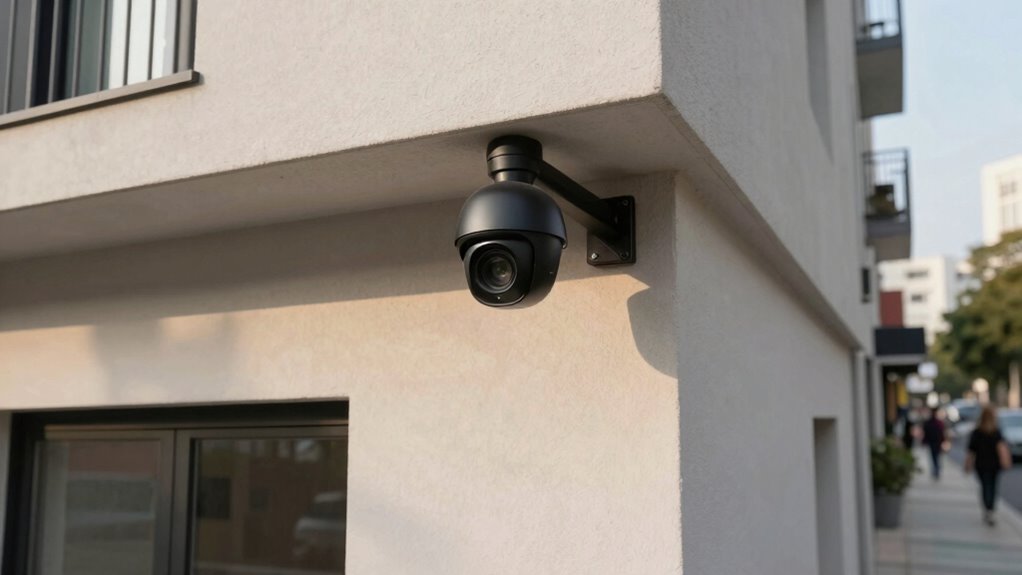
One common mistake to avoid when positioning security cameras is overlooking blind spots that leave critical areas unmonitored. You should guarantee cameras are placed to minimize camera obscuring, which can block important views. Additionally, avoid positioning cameras where sensitive areas might be unintentionally captured, risking privacy violations. Neglecting data encryption can also be a costly mistake, as unencrypted footage is vulnerable to hacking. Always choose cameras with built-in encryption features to protect your footage and maintain privacy standards. Be mindful of angles and placement to prevent unnecessary privacy invasions, especially near sensitive areas. Proper positioning combined with secure data handling helps you monitor effectively without compromising privacy or security. Staying informed about latest security camera features can further enhance your privacy protections. Moreover, understanding privacy-friendly camera placement practices is essential to avoid capturing areas that could infringe on individuals’ rights or privacy expectations. Being aware of privacy considerations ensures you balance security needs with respecting personal boundaries. To achieve this, consider integrating outdoor surveillance strategies that align with your privacy goals.
Frequently Asked Questions
How Do Privacy Laws Vary Across Different Regions?
You should know that regional regulations differ considerably, affecting how you can use cameras. Legal distinctions often specify what areas are off-limits, such as private properties or sensitive locations. In some regions, you need permits or notify others, while others have stricter restrictions. It’s crucial to research local laws because failing to follow regional regulations can lead to legal issues. Always ensure your camera placement respects privacy laws tailored to your specific area.
What Are the Best Signs to Indicate Camera Presence?
You should use clear, visible signage to indicate camera presence, ensuring it’s easily seen from multiple angles. Signs with bold lettering and contrasting colors boost visibility and reduce accidental obstruction. Regularly check that signs remain unobstructed and replace any that fade or get damaged. Proper signage not only informs people but also helps you stay compliant with privacy laws, preventing camera obstruction and ensuring that surveillance is transparent and respectful of privacy.
How Can I Inform Neighbors About Security Camera Use?
You can gently inform your neighbors about your security camera use by seeking their consent and installing clear camera signage. Approach them with kindness, explaining your goal of safety and peace of mind. Use signs to openly communicate camera presence, respecting their privacy. This transparent approach fosters trust and cooperation, making everyone feel secure. Ensuring neighbor consent and visible signage shows your commitment to a respectful, safe community.
Are There Specific Camera Models Designed for Privacy Protection?
Yes, some camera models are designed with privacy protection in mind. Look for models that feature privacy filters, which limit what the camera captures, and discreet lenses that blend into surroundings to avoid intrusive views. These cameras help you monitor areas effectively while respecting privacy. When choosing, prioritize those with adjustable privacy filters and discreet design to guarantee both security and privacy are maintained seamlessly.
How Often Should Camera Placement Be Reviewed for Privacy Compliance?
You should review your camera placement regularly, ideally every three to six months, to guarantee compliance with privacy standards. Check the camera angle to confirm it doesn’t intrude on privacy zones or sensitive areas. Regular reviews help you identify any unintended coverage and make adjustments, maintaining respect for privacy while keeping security effective. Staying proactive ensures your camera setup remains ethical and compliant with privacy regulations.
Conclusion
By carefully choosing camera locations and respecting privacy boundaries, you turn your security setup into a shield rather than a violation. Think of your cameras as silent guardians—wise enough to watch over your space without overstepping. When you apply best practices and leverage the right tech tools, you create a safer, more respectful environment. After all, isn’t peace of mind worth more than just catching every moment? Prioritize privacy, and your security system will truly serve its purpose.
Halloween Picks
halloween
As an affiliate, we earn on qualifying purchases.