
TL;DR

Get the latest gadgets delivered free — and shop member deals
- Fast, free delivery on millions of items
- Access to Prime Big Deal Days deals on October 6–7
- Prime Video, Amazon Music and more included
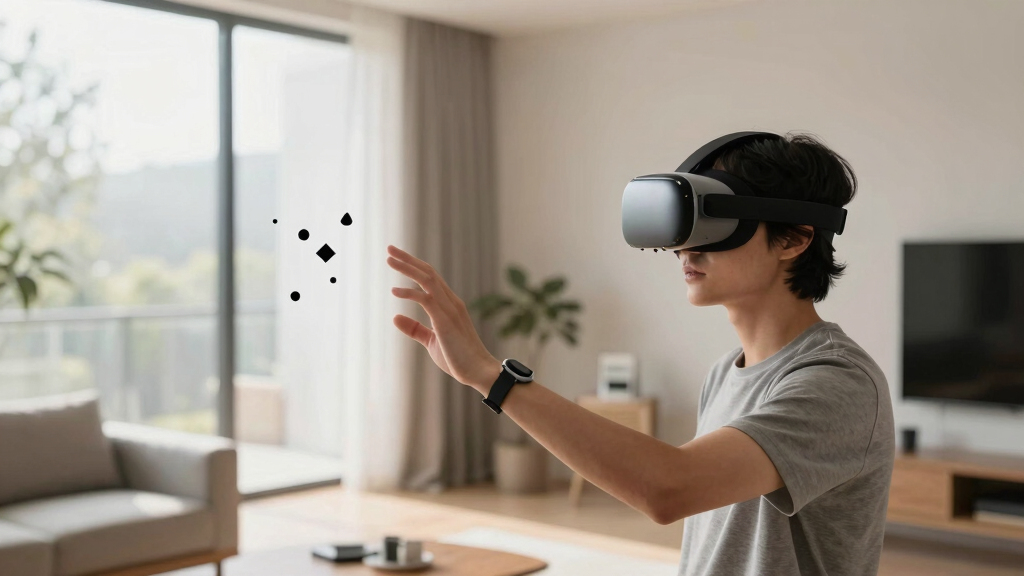
CONNECTOME, a spatial art and puzzle game, is now available on both Meta Quest and Apple Vision Pro. Developer Grant Hinkson encountered significant technical obstacles adapting the app for Vision Pro, revealing broader challenges in XR development.
CONNECTOME: The VR Points Game is now available on Apple Vision Pro, following its initial release on Meta Quest. Developer Grant Hinkson detailed the technical challenges faced during the porting process, highlighting difficulties with platform-specific tools and the need for custom solutions. This development underscores the growing adoption of XR applications across leading headsets and the ongoing technical hurdles developers face.
CONNECTOME, an immersive spatial art experience that involves connecting dots to form shapes, was initially launched on Meta Quest in May 2025. The developer, Grant Hinkson, demonstrated the game on Apple Vision Pro at AWE in June, confirming its availability on the new headset. However, porting the app involved overcoming significant technical obstacles, primarily due to differences in software development environments and tool support.
One major challenge was compatibility issues with Unity’s Shapes library, which is used in the app. While Shapes works well on Quest, it was incompatible with PolySpatial, Unity’s default toolkit for visionOS. Hinkson resolved this by switching to Metal rendering, but this introduced new issues, such as the lack of eye-tracking hover effects, which are core to the Vision Pro experience. To address this, he built custom bridges and post-build patches to integrate eye tracking and color management, a process that required extensive manual coding and workaround solutions.
Hinkson explained that these hurdles are typical when developing for new hardware platforms, especially when engine support is limited. Unity has acknowledged the lack of support for certain features on visionOS, and major engines like Unreal and Godot face similar issues. As a result, developers often need to create bespoke tools, which increases development time and costs. Despite these challenges, Hinkson confirmed that CONNECTOME is now accessible on Apple Vision Pro, demonstrating the potential for cross-platform spatial applications.
Implications of Technical Challenges for XR Developers
This development illustrates the broader challenges faced by developers working on new XR hardware, especially when platform-specific tools and engine support are incomplete. Overcoming these hurdles is essential for expanding the ecosystem of spatial applications and ensuring a diverse range of experiences on emerging headsets. It also highlights the need for better development support from engine providers and hardware manufacturers to accelerate adoption and innovation in XR.
As an affiliate, we earn on qualifying purchases.
Technical Barriers in XR App Development for New Hardware
Since the launch of Apple Vision Pro in 2024, developers have faced a steep learning curve due to limited tools and platform support. Unity’s Shapes library, widely used in spatial apps, was incompatible with visionOS’s default rendering toolkit, PolySpatial, forcing developers like Hinkson to build custom solutions. Similar issues have been reported across other engines, delaying the deployment of high-quality XR applications. Apple has provided some developer tools, but gaps remain, requiring extensive workarounds and custom coding to enable core features like eye tracking and color management.
This situation underscores a common pattern in XR development: new hardware often outpaces the software ecosystem, compelling developers to invest significant time in overcoming technical obstacles. As adoption increases, industry stakeholders anticipate that engine providers will improve support, but until then, individual efforts like Hinkson’s are crucial for advancing the platform’s capabilities.
“Porting CONNECTOME to visionOS required building custom bridges and patches, revealing the extent of technical gaps in current engine support.”
— an anonymous researcher
As an affiliate, we earn on qualifying purchases.
Unresolved Technical Support Gaps and Future Improvements
It remains unclear whether Unity or other engine providers will address these support gaps in the near term. The long-term impact of these technical hurdles on the pace of XR app development and ecosystem growth is also uncertain, as developers may continue to rely on custom solutions until official support improves.
As an affiliate, we earn on qualifying purchases.
Next Steps for CONNECTOME and XR Platform Development
Hinkson plans to refine and update CONNECTOME on visionOS, potentially releasing the custom tools he developed to the wider developer community. Industry analysts expect that platform providers and engine developers will gradually improve support for features like eye tracking and shader compatibility. As XR hardware adoption accelerates, the focus will shift toward streamlining development processes and expanding the range of available spatial applications.
Unity development tools for visionOS
As an affiliate, we earn on qualifying purchases.
As an affiliate, we earn on qualifying purchases.
Key Questions
What are the main technical challenges faced when porting XR apps to Apple Vision Pro?
The primary challenges include incompatibility of development libraries like Unity’s Shapes with visionOS’s rendering tools, lack of support for eye-tracking hover effects, and the need for custom patches to manage colors and interactions. These issues require significant manual coding and workaround solutions.
Will engine providers like Unity improve support for visionOS in the future?
While Unity has acknowledged current gaps and does not plan to add support for certain features, industry trends suggest that support will gradually improve as demand for XR applications grows and platform support matures.
How does this development impact the future of spatial applications on XR devices?
It highlights the importance of robust engine support for faster development cycles and richer experiences. Overcoming current technical hurdles is crucial for broader adoption and innovation in XR, especially on new hardware platforms like Apple Vision Pro.
Is the custom development work by Hinkson available for other developers?
This has not been confirmed. However, given the community’s interest, there is potential for such tools to be shared or open-sourced in the future to aid other developers facing similar challenges.
Source: UploadVR
Fall Picks
fall essentials
As an affiliate, we earn on qualifying purchases.