
TL;DR
Mayo Clinic has started using AI-enabled ambient listening to record emergency room visits. This technology captures patient interactions for analysis, with some concerns about consent and data accuracy. The development marks a significant shift in healthcare data collection practices.
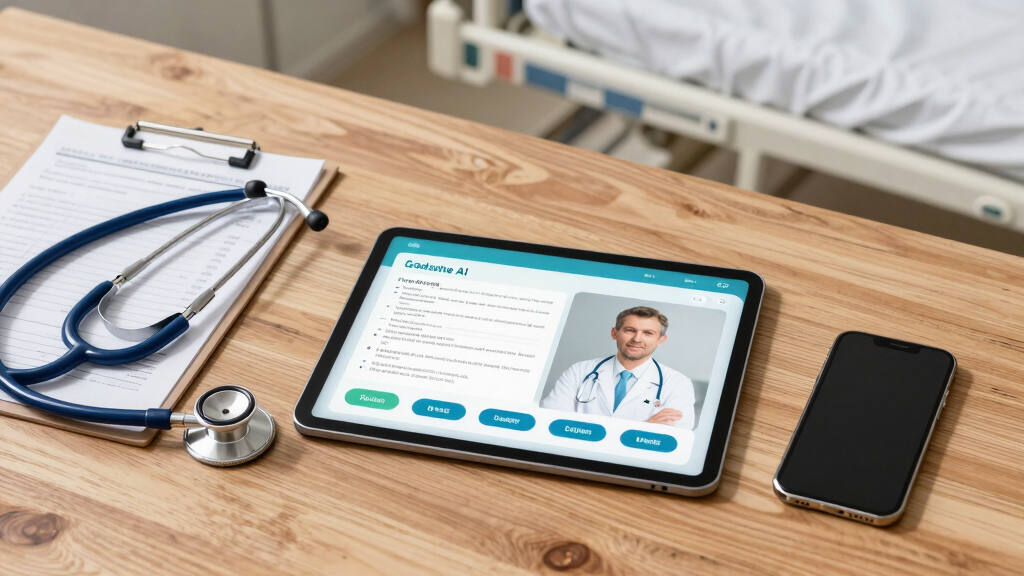
Mayo Clinic is now using AI-powered ambient listening technology in its emergency rooms to record patient interactions, including conversations with nurses. This initiative aims to improve documentation and patient care but raises questions about consent and data accuracy.
The Mayo Clinic’s new approach involves recording interactions in ERs through ambient listening devices that capture audio data, which is then processed by artificial intelligence systems. The program is opt-out, meaning patients are not explicitly asked for consent before recordings begin, although some may be unaware that their conversations are being recorded.
According to Mayo Clinic representatives, the technology is intended to enhance clinical documentation and support care delivery. The recordings are stored securely and analyzed to generate notes and insights that could help streamline workflows and improve patient outcomes.
However, the initiative has sparked privacy concerns. Critics highlight the lack of explicit informed consent, especially in high-stakes environments like emergency rooms. Additionally, questions remain about the accuracy of AI-generated notes, with recent studies indicating that AI transcription tools sometimes produce less reliable summaries than human scribes, depending on the context.
Why It Matters
This development is significant because it represents a shift toward more pervasive use of AI in healthcare settings, particularly in capturing sensitive patient interactions. It raises important ethical questions about patient privacy, informed consent, and data security. If successful, this technology could influence broader adoption of ambient listening in hospitals, but if privacy concerns grow, it could lead to regulatory scrutiny and pushback from patient advocacy groups.
AI transcription device for medical documentation
As an affiliate, we earn on qualifying purchases.
As an affiliate, we earn on qualifying purchases.
Background
AI-powered documentation tools have been gradually introduced in healthcare, but the use of ambient listening devices in ERs is a new frontier. Prior to this, hospitals have experimented with AI transcription and scribing tools, often relying on explicit consent. Mayo Clinic’s initiative appears to be among the first to implement ambient listening at this scale in a major hospital network, reflecting ongoing efforts to leverage AI for operational efficiencies and improved patient care.
“Our ambient listening technology is designed to support clinical documentation and improve patient care, with patient privacy and security as top priorities.”
— Mayo Clinic spokesperson
“Recording patient interactions without explicit consent raises serious ethical questions and could undermine trust in healthcare providers.”
— Privacy advocate
ambient listening recording device for hospitals
As an affiliate, we earn on qualifying purchases.
As an affiliate, we earn on qualifying purchases.
What Remains Unclear
It is not yet clear how many patients are aware of the recordings or have opted out, nor is it confirmed how Mayo Clinic manages data security and compliance with privacy laws. The accuracy and reliability of AI-generated notes in this context remain under evaluation, and the long-term impact on patient trust is still uncertain.
As an affiliate, we earn on qualifying purchases.
What’s Next
Next steps include monitoring patient feedback, regulatory responses, and the accuracy of AI-generated documentation. Mayo Clinic may expand or modify the program based on initial results and stakeholder input. Further studies are expected to evaluate the ethical, legal, and clinical impacts of ambient listening in healthcare settings.
hospital privacy compliant audio recording system
As an affiliate, we earn on qualifying purchases.
As an affiliate, we earn on qualifying purchases.
Key Questions
Is patient consent required for ambient listening in hospitals?
Currently, Mayo Clinic’s program is opt-out, meaning patients are not explicitly asked for consent, raising ethical questions about informed consent in healthcare recordings.
How accurate are AI-generated notes from ambient recordings?
Initial studies suggest that AI transcription tools can sometimes produce less accurate notes than human scribes, depending on the complexity of conversations and environment noise.
What safeguards are in place to protect patient privacy?
Mayo Clinic states that recordings are stored securely and used solely for clinical documentation and analysis, but specific privacy measures have not been publicly detailed.
Could this technology be expanded to other hospital departments?
While currently focused on ERs, the potential exists for expansion into other areas, contingent on outcomes, privacy considerations, and regulatory approval.