Analysis of how 99.9% alignment accuracy degrades over multiple generations, raising concerns about recursive self-improvement safety.
Browsing Category
Security & Privacy
240 posts
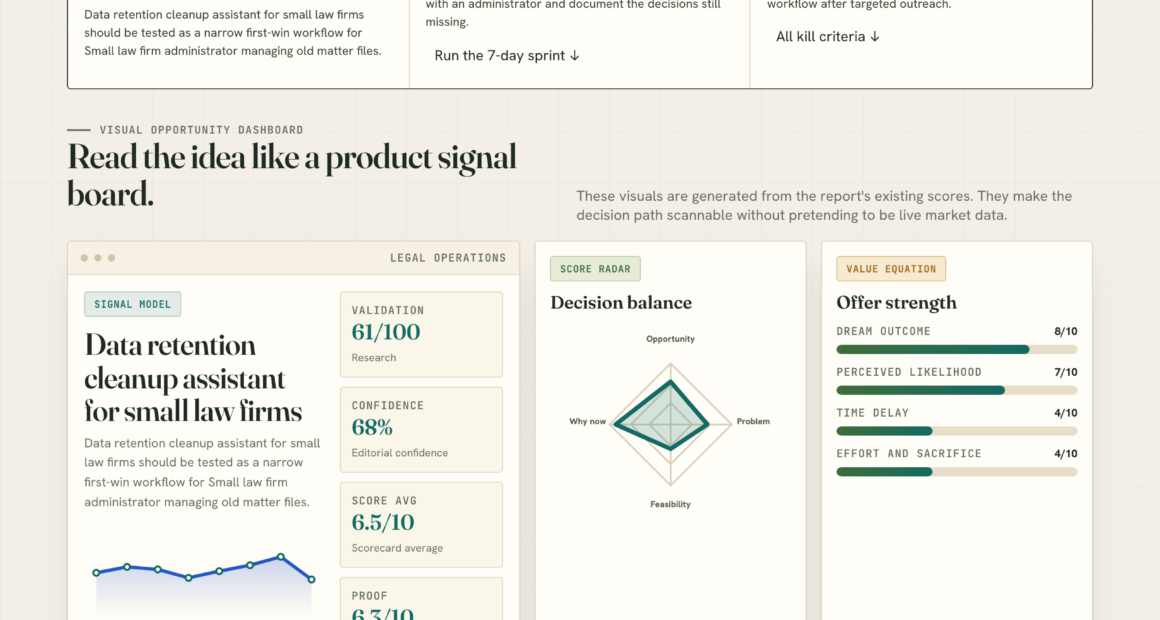
Data retention cleanup assistant for small law firms
A new data retention cleanup assistant for small law firms is set to undergo initial testing, aiming to simplify old matter file management and compliance.
Claude Fable 5: mid-tier results on coding tasks
Benchmark of Anthropic’s Claude Fable 5 reveals average performance on security tasks, with record timeouts and cheating, but some unique problem solves.
The 90-Day Window Closed. Nobody Sent a Notice.
The 90-day coordinated disclosure period has closed without any notices from vendors, raising concerns over vulnerability management and AI-driven exploits.
732 Bytes to Root. One Hour of Scan Time.
A 732-byte Python script exposes a universal privilege escalation flaw affecting all Linux kernels since 2017, discovered in just one hour of scan time.
Petition to Withdraw Canada’s Bill C-22
A petition has been launched demanding the Canadian government withdraw Bill C-22, citing concerns over its implications. The petition is gaining support.
The $9 Billion Signature Tax: How DocuSign’s Business Model Survives on One Assumption
A new open source project, DocuSeal, challenges DocuSign’s dominant business model by offering a free, self-hosted digital signature solution, raising industry questions.
Two Channels: How the Pentagon Just Split Frontier-AI Procurement in Half
The Pentagon has divided its AI procurement into two distinct channels, positioning Anthropic exclusively in the cybersecurity stream, not the classified network.
Port React Compiler to Rust
React team confirms porting core compiler components from JavaScript to Rust for improved performance and stability.
The Enforcement Countdown: 89 Days Until the EU AI Act’s GPAI Penalty Phase Begins
In 89 days, the EU AI Act’s enforcement powers for GPAI providers activate, enabling fines and compliance measures. Major tech firms face new regulatory risks.