
TL;DR

Get the latest gadgets delivered free with Prime
- Fast, free delivery on millions of items
- Prime Video, Amazon Music and more included
- Member-only deals all year
A recent trend shows smartphones incorporating LED-based AI features to detect hidden cameras. While confirmed by early reports, details about the technology’s effectiveness and availability remain unclear. This development could impact personal privacy and security practices.
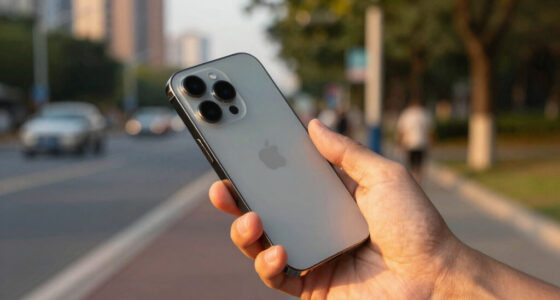
A new trend suggests that smartphones are beginning to incorporate LED-based sensors combined with artificial intelligence to detect hidden cameras. Early reports indicate that certain devices or apps are claiming to help users identify covert surveillance equipment, a development that has attracted increasing attention amid rising privacy concerns. While no major manufacturer has officially announced this feature, the surge in coverage points to growing interest in privacy-enhancing smartphone tools.
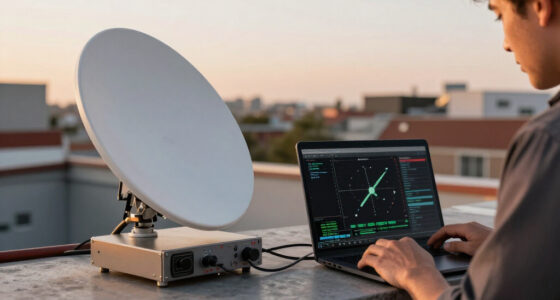
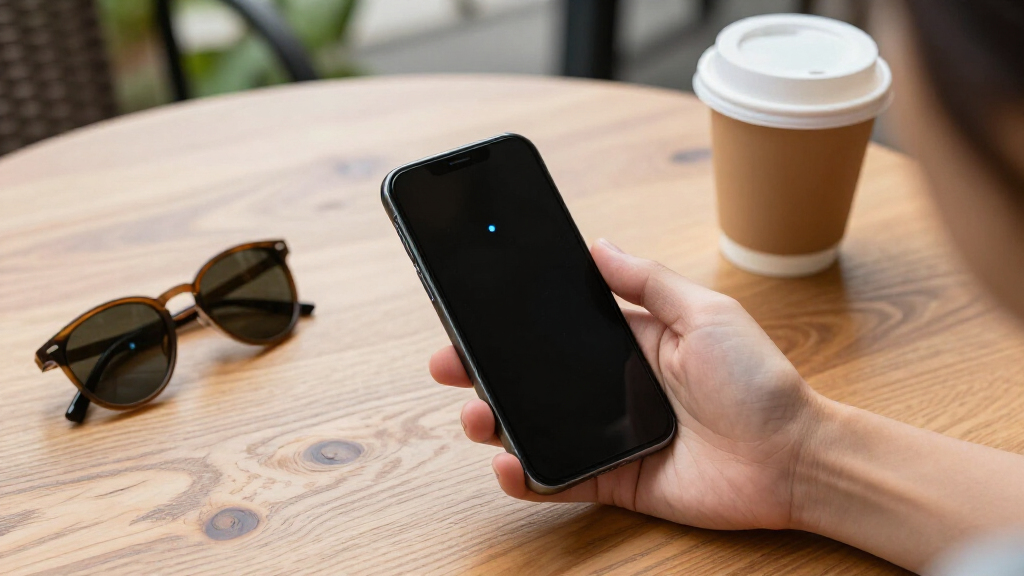
Sources indicate that some smartphones or third-party apps are using the device’s LED flash and camera sensors, paired with AI algorithms, to identify reflective surfaces or electronic signals associated with hidden cameras. According to early tests shared on social media, users report that the LED can illuminate or detect subtle reflections or infrared signals emitted by concealed cameras, suggesting a potential method for privacy protection. Experts note that this approach leverages the fact that many hidden cameras use reflective lenses or emit infrared light, which can be detected under certain conditions.However, the technology’s reliability, accuracy, and whether it is being integrated into mainstream devices remain unconfirmed. Industry insiders suggest that some apps claiming to offer this capability are still in experimental stages or rely on indirect detection methods, such as analyzing reflections or electromagnetic signals. No official product or software update from major smartphone manufacturers has been verified to include this feature as of now.
Potential Privacy and Security Implications of LED-Based Detection
This emerging technology could significantly impact personal privacy by empowering users to identify covert surveillance devices more easily. If proven effective, it may become a standard feature in smartphones, helping individuals protect themselves from unauthorized recording or spying. Conversely, the unverified nature of current claims raises concerns about false positives, misuse, or overreliance on unproven detection methods. The development also highlights the increasing intersection of AI, consumer electronics, and privacy protection, prompting discussions on regulation and ethical use.
hidden camera detector app for smartphone
As an affiliate, we earn on qualifying purchases.
As an affiliate, we earn on qualifying purchases.
Interest in detecting hidden cameras has surged in recent years, driven by reports of covert surveillance in hotels, Airbnbs, workplaces, and public spaces. This trend has led to a rise in dedicated detection devices and smartphone apps claiming to identify hidden recording equipment. The current spike in coverage appears to be triggered by unconfirmed reports of new smartphone features that use LED and AI for detection, reflecting broader anxieties about personal privacy and technological misuse. Experts note that while detection tools are not new, integrating such capabilities directly into smartphones could democratize access but also complicate regulatory oversight.
LED-based hidden camera detection device
As an affiliate, we earn on qualifying purchases.
As an affiliate, we earn on qualifying purchases.
Unverified Claims and Unknown Effectiveness of the Technology
It remains unclear whether the LED-based detection method is being implemented in actual devices or is limited to experimental apps. The accuracy, false positive rate, and practical usability of this approach have not been independently verified. Experts warn that some claims may be exaggerated or based on untested assumptions. Additionally, it is not yet confirmed if major manufacturers are developing or planning to include this feature in upcoming models.
As an affiliate, we earn on qualifying purchases.
Expected Testing, Validation, and Potential Official Announcements
Further testing by independent security researchers and consumer watchdogs is needed to verify the technology’s effectiveness. Industry insiders suggest that official announcements from smartphone manufacturers or app developers could follow if the technology proves reliable. Meanwhile, users are advised to remain cautious about unverified claims and to continue using established detection methods for privacy protection. The trend may also prompt regulatory discussions about privacy and surveillance detection tools in consumer electronics.
smartphone infrared camera detector
As an affiliate, we earn on qualifying purchases.
As an affiliate, we earn on qualifying purchases.
Key Questions
Can smartphones currently detect hidden cameras reliably?
At this stage, there are no confirmed, universally reliable methods for smartphones to detect hidden cameras using LED and AI. Some apps and devices claim to do so, but their effectiveness varies and remains unproven.
How does the LED-based detection method supposedly work?
The method reportedly uses the smartphone’s LED flash and camera sensors, combined with AI algorithms, to identify reflections or electromagnetic signals associated with hidden cameras, especially those using reflective lenses or infrared light.
Are major smartphone manufacturers developing this feature?
No confirmed reports indicate that leading manufacturers have integrated LED-based hidden camera detection into their devices. The current trend appears to be in the experimental or app-based stage.
What should users do to protect their privacy now?
Users should rely on established detection tools and remain cautious of unverified claims. Regularly inspecting personal spaces and using dedicated detection devices remain recommended until more reliable smartphone-based solutions are verified.
Could this technology become standard in future smartphones?
If validated through further testing, integrating LED and AI detection features could become a standard privacy tool in smartphones, but regulatory and technical challenges may influence its adoption.
Source: hn
Columbus Day / Indigenous Peoples' Day Picks
long weekend sales
As an affiliate, we earn on qualifying purchases.