
TL;DR

Get the latest gadgets delivered free with Prime
- Fast, free delivery on millions of items
- Prime Video, Amazon Music and more included
- Member-only deals all year
This article explains how organizations can own and tune AI models using three platforms: Tinker, Forge, and Frontier. Each offers different levels of control, security, and integration tailored to regulated sectors. The choice depends on data sensitivity, technical expertise, and regulatory needs.
Three major AI platforms—Tinker, Forge, and Frontier Tuning—are now offering tailored solutions for organizations seeking to own and customize AI models, especially in regulated industries. These platforms differ significantly in their approach, control, and compliance features, making the choice highly dependent on the organization’s data security needs and technical capabilities. This development signals a shift toward more enterprise- and regulation-friendly AI deployment options.
Tinker by Thinking Machines is designed for researchers and developers, providing open weights and low-level training functions that allow full control over the fine-tuning process. It supports multiple base models like Inkling, Qwen, and GPT-OSS, and enables users to download and retain their trained weights, ensuring data sovereignty. However, it requires considerable ML expertise, making it suitable for research-heavy organizations or technical teams.
Forge by Mistral offers a managed, full-lifecycle approach, focusing on European sovereignty and on-premises deployment. It handles domain-adaptive pre-training, fine-tuning, and deployment, with embedded engineers supporting the process. Its primary appeal is to EU-based organizations with strict data residency requirements, willing to invest in a comprehensive, enterprise-grade solution. Its complexity and cost make it less suitable for smaller or less mature data organizations.
Microsoft’s MAI + Frontier Tuning platform integrates tuning directly within Azure AI Foundry, offering models trained from scratch with clear data provenance. It provides seamless integration with existing enterprise tools, governance, and billing, targeting regulated industries that need traceability and compliance. This approach combines control with ease of use, appealing to organizations seeking a balance of security, integration, and operational simplicity.
Implications for Regulated Industries in AI Customization
The emergence of these platforms reflects a growing demand among regulated sectors—such as healthcare, finance, and defense—for AI solutions that ensure data privacy, legal compliance, and operational control. Choosing the right platform can influence an organization’s ability to deploy AI safely and effectively, impacting compliance, risk management, and competitive advantage.
Organizations now have options tailored to their maturity level and regulatory environment, shifting from reliance on third-party APIs to owning and controlling their models. This shift could reshape procurement, development, and deployment strategies across high-stakes industries.
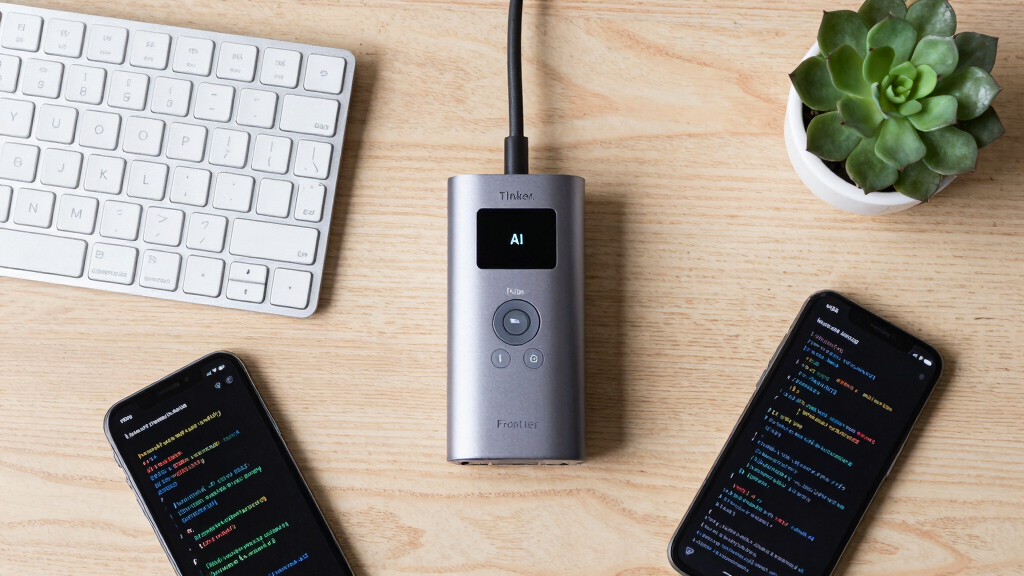
AI model tuning platform Tinker Thinking Machines
As an affiliate, we earn on qualifying purchases.
As an affiliate, we earn on qualifying purchases.
Recent Trends in AI Ownership and Regulation
Until recently, most organizations relied on third-party APIs for AI services, which posed challenges for data security and compliance. The industry has seen a push toward model ownership and local deployment, driven by increasing regulation—such as GDPR, HIPAA, and the EU AI Act—and the need for domain-specific reasoning.
Platforms like Tinker, Forge, and Frontier are responding to this demand by offering varying degrees of control, from open weights and low-level training APIs to fully managed, on-premises solutions. The trend signals a move toward more customizable, compliant, and secure AI deployment models.
“Forge provides a sovereign, full-lifecycle program that ensures data stays within regional boundaries, essential for EU organizations.”
— Mistral spokesperson
Forge Mistral enterprise AI deployment
As an affiliate, we earn on qualifying purchases.
As an affiliate, we earn on qualifying purchases.
Remaining Questions on Platform Capabilities and Adoption
It is not yet clear how widely organizations will adopt these platforms outside early adopters or how they will handle ongoing model updates and maintenance. The long-term costs, ease of integration, and real-world performance in high-stakes environments remain to be seen.
Additionally, the competitive landscape may evolve as new entrants or updates to existing platforms emerge, potentially shifting the balance of choice among organizations.
As an affiliate, we earn on qualifying purchases.
Upcoming Developments and Industry Adoption Trends
In the coming months, expect more case studies and pilot programs demonstrating these platforms’ effectiveness in regulated sectors. Vendors are likely to refine their offerings based on user feedback, and regulatory bodies may issue new guidelines influencing platform features and compliance standards. Organizations should monitor these developments to inform their AI ownership strategies.
AI model training tools for regulated industries
As an affiliate, we earn on qualifying purchases.
As an affiliate, we earn on qualifying purchases.
Key Questions
Who should consider using Tinker for AI customization?
Research-heavy organizations and technically capable teams in defense, academia, or advanced enterprise units seeking full control and flexibility should consider Tinker.
What are the main advantages of Forge for regulated industries?
Forge offers full data sovereignty, on-premises deployment, and embedded support, making it ideal for EU organizations with strict data residency and compliance requirements.
How does Microsoft’s Frontier Tuning differ from the others?
It integrates tuning within a unified platform, providing enterprise-grade governance, seamless tool integration, and models trained from scratch with clear provenance, suitable for regulated sectors needing traceability.
What remains uncertain about these platforms’ future adoption?
Widespread industry acceptance, long-term operational costs, and real-world performance in high-stakes environments are still to be proven as these platforms mature.
Can small organizations benefit from these solutions?
While possible, the complexity and cost of Forge and Frontier may limit their suitability for smaller or less mature organizations, who might prefer simpler API-based solutions.
Source: ThorstenMeyerAI.com
Halloween Picks
halloween
As an affiliate, we earn on qualifying purchases.