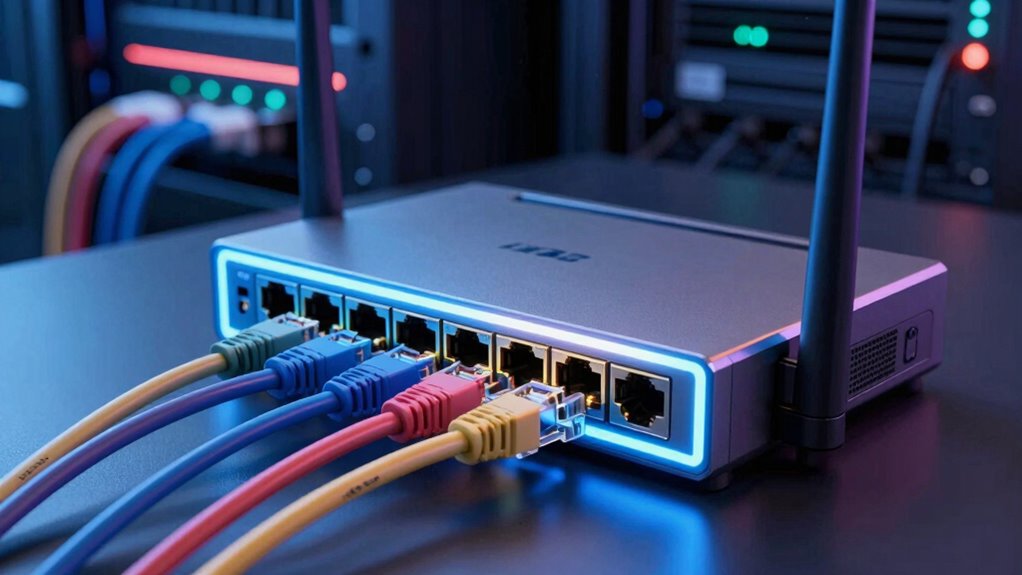

A Thread border router acts as a gateway connecting your smart home or industrial IoT network to the broader internet, ensuring devices communicate reliably and securely. It manages data flow, handles security updates, and supports various device protocols for seamless integration. This device is essential for maintaining network stability, scalability, and security as your system grows. To learn how these functionalities keep your network safe and efficient, keep exploring the details below.

Get the latest gadgets delivered free with Prime
- Fast, free delivery on millions of items
- Prime Video, Amazon Music and more included
- Member-only deals all year
Key Takeaways
- Thread border routers connect Thread networks to IP-based networks, enabling seamless communication between IoT devices and the internet.
- They serve as security gateways, managing data encryption and firmware updates to protect the network.
- Border routers support device interoperability, scalability, and reliable data flow within smart homes and industrial IoT environments.
- They enhance network stability and resilience by managing traffic, reducing downtime, and ensuring consistent connections.
- Proper configuration and maintenance of border routers are essential for expanding and troubleshooting IoT systems effectively.
Thread border router for smart home
As an affiliate, we earn on qualifying purchases.
As an affiliate, we earn on qualifying purchases.
What Are Thread Border Routers: And How Do They Work?

A Thread border router acts as a gateway between your Thread network and other IP-based networks, such as the internet or a local Wi-Fi network. It facilitates communication, enabling your connected devices to access external services seamlessly. Device compatibility is essential; the router must support various IoT devices and their specific protocols. Additionally, it handles firmware updates, ensuring your network remains secure and functions effectively. Firmware updates keep the border router’s software current, patching vulnerabilities and improving performance. This process is critical for maintaining the security and reliability of your smart home system. A well-designed network architecture ensures efficient data flow and minimizes latency within your connected environment. As the central hub, the border router manages data flow, translating between Thread’s low-power mesh network and broader IP networks, making your connected devices work together smoothly and securely. Proper device interoperability is vital for a cohesive smart home experience. Ensuring the border router supports security protocols is crucial for protecting your connected devices from potential threats. Moreover, network management features help optimize performance and troubleshoot issues efficiently. Additionally, implementing robust security measures helps safeguard your network from evolving cyber threats.
IoT border router with security features
As an affiliate, we earn on qualifying purchases.
As an affiliate, we earn on qualifying purchases.
Why Are Thread Border Routers Critical for IoT Connectivity?

Ever wonder why Thread border routers are essential for reliable IoT connectivity? They act as a bridge, connecting your local Thread network to the internet and other networks, guaranteeing seamless communication. Without them, wireless interference from other devices can cause disruptions, making your IoT devices unreliable. Border routers also handle firmware updates, which are indispensable for security and performance improvements. Regular updates keep your devices protected against vulnerabilities and guarantee they operate efficiently. By managing these updates and minimizing interference, border routers maintain a stable connection, reducing downtime and data loss. This reliability is critical for smart homes, industrial IoT, and other connected systems, making border routers a fundamental component in keeping your IoT ecosystem secure, current, and dependable. Interference mitigation is crucial for maintaining consistent device performance in crowded wireless environments. Additionally, implementing effective network management strategies helps optimize overall connectivity and resilience. Proper device security practices, including firmware management, are essential to prevent unauthorized access and ensure ongoing device integrity. Ensuring system resilience through these measures further reduces the risk of connectivity failures in complex IoT deployments. Moreover, understanding how landscape features influence wireless signals can help in designing more robust networks.
As an affiliate, we earn on qualifying purchases.
How Do Thread Border Routers Improve Network Security and Reliability?

Thread border routers bolster your network’s security and reliability by actively managing how data flows between your local devices and external networks. They implement robust encryption protocols to protect data in transit, preventing unauthorized access and guarantee your information stays confidential. Additionally, these routers optimize power management, which reduces device strain and maintains consistent performance even during high traffic. By enforcing security standards at the network border, they minimize vulnerabilities that could be exploited by cyber threats. Their ability to prioritize critical data and manage connections ensures your network remains stable and responsive. Overall, Thread border routers provide a secure foundation for your IoT ecosystem, enhancing both safety and dependability through secure data handling and energy-efficient operation. Implementing these routers also helps in maintaining network integrity, ensuring your system remains resilient against potential disruptions. An understanding of cabling solutions can further enhance the overall security and performance of your network infrastructure. Properly configuring and maintaining these network components ensures optimal operation and reduces the risk of security breaches. Furthermore, incorporating trusted device authentication measures can significantly strengthen your network’s defenses against unauthorized access.
As an affiliate, we earn on qualifying purchases.
What Features Should You Look for in a Thread Border Router?

When choosing a Thread border router, prioritizing key features can guarantee your IoT network remains secure, efficient, and scalable. First, check device compatibility—confirm it supports the devices you plan to connect now and in the future. Compatibility across multiple manufacturers and standards simplifies expansion and integration. Next, look for robust firmware update capabilities; regular updates keep your router secure, fix bugs, and improve performance. A border router with easy, automated firmware upgrades reduces maintenance effort and helps safeguard your network against vulnerabilities. Additionally, consider features like strong security protocols, reliable connectivity options, and management tools. These elements together ensure your IoT ecosystem remains resilient, adaptable, and protected over time. Incorporating efficient network management practices can further enhance the overall performance and longevity of your system. To maintain a secure and reliable network, understanding and implementing these features is essential. Moreover, selecting a border router with interoperability features can facilitate seamless communication across diverse devices and protocols. Ensuring compatibility and interoperability can significantly improve your network’s scalability and flexibility.
How Are Thread Border Routers Used in Smart Homes and Industrial IoT?

In smart homes and industrial IoT, you rely on Thread border routers to improve network connectivity across multiple devices. They also support device scalability, making it easier to add new gadgets without overloading the system. This guarantees your network remains stable and adaptable as your needs grow. Practical, safety-first information helps ensure your system operates reliably and securely. Additionally, they facilitate seamless integration of various protocols, enhancing overall home comfort and system efficiency. Incorporating essential safety tips ensures your network remains protected against potential vulnerabilities and hazards. Properly configured network security measures further strengthen your system’s resilience against cyber threats. Understanding anti-fatigue mats and proper ergonomic setup can also contribute to a safer and more comfortable working environment when managing these connected systems.
Enhancing Network Connectivity
Enhancing network connectivity in smart homes and industrial IoT environments relies heavily on the role of border routers. They enable seamless wireless integration, connecting various devices reliably. By managing data flow efficiently, border routers improve communication speed and reduce latency. They also prioritize power efficiency, guaranteeing devices conserve energy while staying connected. This balance is vital for battery-powered sensors and appliances.
| Feature | Benefit | Example |
|---|---|---|
| Wireless integration | Connects diverse devices | Smart thermostats, cameras |
| Power efficiency | Extends device battery life | Wireless sensors |
| Data management | Optimizes traffic flow | Industrial sensors |
| Connectivity stability | Ensures reliable network | Smart home hubs |
Supporting Device Scalability
Supporting a growing number of devices in smart homes and industrial IoT setups hinges on how effectively border routers, especially Thread border routers, facilitate scalability. These routers enable seamless device interoperability, allowing various devices—sensors, actuators, and controllers—to communicate effortlessly. By managing network traffic and routing data efficiently, Thread border routers expand network scalability without compromising performance. They connect devices across multiple networks, ensuring reliable communication even as device counts increase. This scalability is vital for smart homes that evolve and industrial IoT environments that require large, interconnected systems. With their ability to handle numerous devices and maintain stable connections, Thread border routers are essential for creating flexible, expandable, and resilient IoT ecosystems. Health considerations related to device performance and security are also key factors in the deployment of these networks.
Troubleshooting Common Issues With Thread Border Routers?
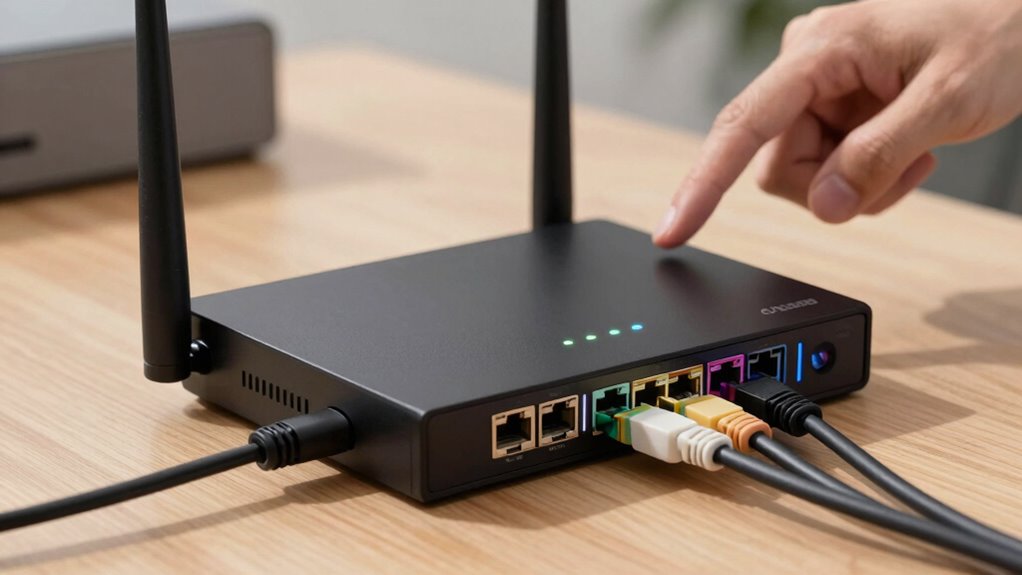
Are you experiencing connectivity issues or performance problems with your Thread border router? First, check device compatibility—some devices might not support Thread or the specific features your router offers. Make sure all devices are compatible and meet the necessary standards. Next, verify your router’s firmware is up to date; outdated firmware can cause bugs or slowdowns. Regular firmware updates fix known issues and improve stability. If problems persist, restart your router and reset network settings on affected devices. Confirm that your network isn’t overloaded with too many devices, which can impact performance. Finally, consult the manufacturer’s support resources for troubleshooting tips tailored to your specific model. Addressing device compatibility and keeping firmware current are key steps to resolving most common issues.
Frequently Asked Questions
Can Thread Border Routers Support Multiple Network Protocols Simultaneously?
Yes, Thread border routers can support multiple network protocols simultaneously. This capability enhances network security by allowing secure, seamless communication across different protocols, ensuring device compatibility. As you integrate various smart devices, a border router manages these protocols efficiently, maintaining security and connectivity. This multi-protocol support simplifies your network setup, improves device interaction, and strengthens overall network security by bridging different communication standards effortlessly.
What Is the Typical Power Consumption of a Thread Border Router?
On average, a Thread border router consumes about 2 to 5 watts, but power consumption can vary based on network load and features. You should consider energy efficiency strategies, like optimizing firmware and hardware, to reduce power use during low activity periods. Understanding this variability helps you manage costs and extend device lifespan, ensuring your smart home or IoT setup runs efficiently without unnecessary energy drain.
How Scalable Are Thread Border Routers for Large Iot Deployments?
You’ll find that thread border routers are quite scalable for large IoT deployments, but scalability challenges can arise as you expand. To address this, you should adopt effective deployment strategies, such as deploying multiple border routers to distribute traffic and guarantee reliable connectivity. Planning your network architecture carefully helps manage increased device density, maintaining performance and stability across the entire IoT ecosystem.
Are Thread Border Routers Compatible With Existing Wi-Fi or Zigbee Devices?
Yes, Thread border routers are compatible with existing Wi-Fi and Zigbee devices, enhancing device interoperability. They operate across different frequency bands, allowing seamless communication between diverse protocols. This compatibility simplifies integrating new smart home gadgets with your current setup, ensuring smoother device interactions. By bridging these technologies, Thread border routers improve network efficiency, making your smart home more reliable and easier to manage without replacing your existing devices.
How Often Should Firmware Updates Be Applied to Ensure Security?
You should apply firmware updates as soon as they’re available to maintain firmware security and protect your devices from vulnerabilities. Regular update frequency, ideally monthly or whenever security patches are released, helps guarantee your network stays secure. Ignoring updates can leave your device exposed to threats, so stay vigilant and keep your border router’s firmware current to safeguard your connected devices and data effectively.
Conclusion
Understanding Thread border routers is like opening the gateway to seamless IoT connectivity. They’re the backbone that keeps your smart devices talking smoothly and securely, whether at home or in industry. By choosing the right features and troubleshooting wisely, you can guarantee your network stays resilient and reliable. Think of these routers as the essential heartbeat of your connected world—pumping life into your smart environment and making everything work in perfect harmony.
Halloween Picks
halloween
As an affiliate, we earn on qualifying purchases.