

🔍 Read the full analysis: How AI Helped Generate 35,000 Designs In Allergy Drug Research on ThorstenMeyerAI.com

Get the latest gadgets delivered free with Prime
- Fast, free delivery on millions of items
- Prime Video, Amazon Music and more included
- Member-only deals all year
TL;DR
Anthropic says its Claude AI generated 35,000 designs during research related to an allergy drug. The available account does not explain what the designs were, how they were evaluated, or whether any were tested or advanced as a drug candidate.
Anthropic says its Claude AI generated 35,000 designs in research related to an allergy drug, offering a reported example of a general-purpose AI model being used in drug discovery. The account does not specify what the designs represent or say whether any were tested, validated, or advanced toward a drug candidate, so the figure measures reported output rather than a demonstrated treatment result.
The available report attributes the 35,000-design figure to Anthropic and connects the work to allergy drug research. It does not name the allergy condition, identify a biological target, describe the proposed treatment, or define what counted as a “design.” It also gives no date for the work.
There is no information about the data or instructions given to Claude, whether the model generated designs independently or in response to researchers’ direction, or how the outputs were screened. The account does not say how many designs researchers considered plausible, whether any were tested in a laboratory, or what those tests found.
No drug candidate, efficacy result, safety finding, clinical trial, or regulatory decision is reported. The item also provides no study paper, technical description, independent analysis, or named project partners. On the information available, the development is a report of AI-assisted research activity, not evidence that an allergy medicine has been discovered or shown to work.
What 35,000 Designs Can Show
The report gives a concrete output count for Anthropic’s stated use of Claude in drug research. If researchers can screen and test AI-generated proposals effectively, generating many designs could help them consider a broader range of possibilities during early research. That is a potential use, not a result established by this account.
Volume alone does not measure scientific value. To judge the contribution, readers would need to know how the designs were selected, how they performed in experiments, and whether the process offered an advantage over human-generated or other computer-generated approaches. Without those details, 35,000 is a count of reported outputs, not evidence of improved discovery or a more effective treatment.
The distinction matters to people following allergy research because a generated proposal is far from a medicine available to patients. Potential candidates must be evaluated for biological plausibility and then tested for safety and effectiveness. The report gives no basis for estimating whether this work could eventually affect patient care or how long that might take.
Products Worth Considering

LG UltraGear 27-inch QHD OLED Gaming Monitor, 240Hz, 0.03ms, G-SYNC Compatible, FreeSync Premium Pro, HDR True Black 400
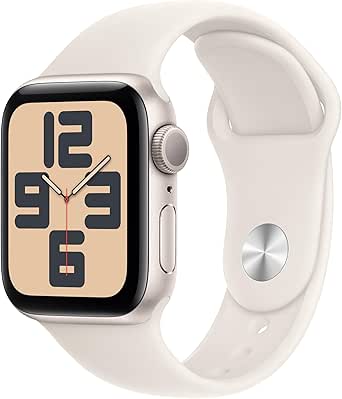
Apple Watch SE (2nd Generation) GPS 40mm Smartwatch with Starlight Aluminum Case and Starlight Sport Band (S/M)

Samsung 27-Inch Odyssey OLED G5 QHD Gaming Monitor (G50SF)
As an affiliate, we earn on qualifying purchases.
From AI Output to Drug Testing
Drug discovery involves steps beyond proposing designs. Researchers first need to understand what a proposal represents and whether it could plausibly act on the intended biological target. Experimental work is then needed to assess whether it behaves as expected. Further preclinical evaluation and, where warranted, clinical trials are separate stages that can test safety and effectiveness.
That distinction sets the limits of the current report: it describes Claude generating designs for an allergy-related effort, but does not locate the work on a research or development timeline. It does not identify an allergy, target, candidate, publication, or partner institution. Nor does it provide results that would allow comparison with established research methods. The available account therefore supports a narrow conclusion about reported AI use, not a claim that a drug-development milestone has been reached.
“Claude generated 35,000 designs in research related to an allergy drug.”
— Anthropic, as described in the available report
What the Report Leaves Open
The central unanswered question is what the 35,000 designs were: the report does not say whether they were proposed molecules, other kinds of research concepts, or a different output. It also leaves unclear what allergy or biological target the project addressed and what information Claude received.
Most importantly, the account does not say whether researchers screened or experimentally tested any designs, what the results were, or whether a promising candidate emerged. There is no reported comparison with other methods, independent review, or information about the project’s authors, partners, funding, or publication status. These omissions mean the scientific contribution and the status of any possible drug candidate cannot be assessed from the report alone.
Evidence Needed to Track Progress
A fuller account from Anthropic or the researchers would need to define the designs and describe how Claude was used, how the outputs were filtered, and what happened during evaluation. Details on laboratory testing and comparisons with other approaches would help establish whether the model contributed more than a high-volume set of proposals.
If a design has become a candidate, evidence of follow-up testing would clarify its status; any later clinical research would require further development and applicable reviews. No such milestone or release date is provided in the available account, so it is not clear when additional findings may be reported.
Key Questions
What did Anthropic say Claude generated?
Anthropic said Claude generated 35,000 designs in research related to an allergy drug. The available account does not define the designs in technical terms.
Does this mean an allergy drug has been discovered?
No drug discovery result is established in the report. It gives no evidence that a design became a validated candidate, passed testing, or was approved for use.
Were the designs tested in a laboratory?
The available account does not say whether any of the 35,000 designs were tested or how researchers evaluated them.
Which allergy or drug target was involved?
The report does not identify the allergy condition, biological target, or proposed treatment.
Primary source: Anthropic · via ThorstenMeyerAI.com