
TL;DR

Get the latest gadgets delivered free with Prime
- Fast, free delivery on millions of items
- Prime Video, Amazon Music and more included
- Member-only deals all year
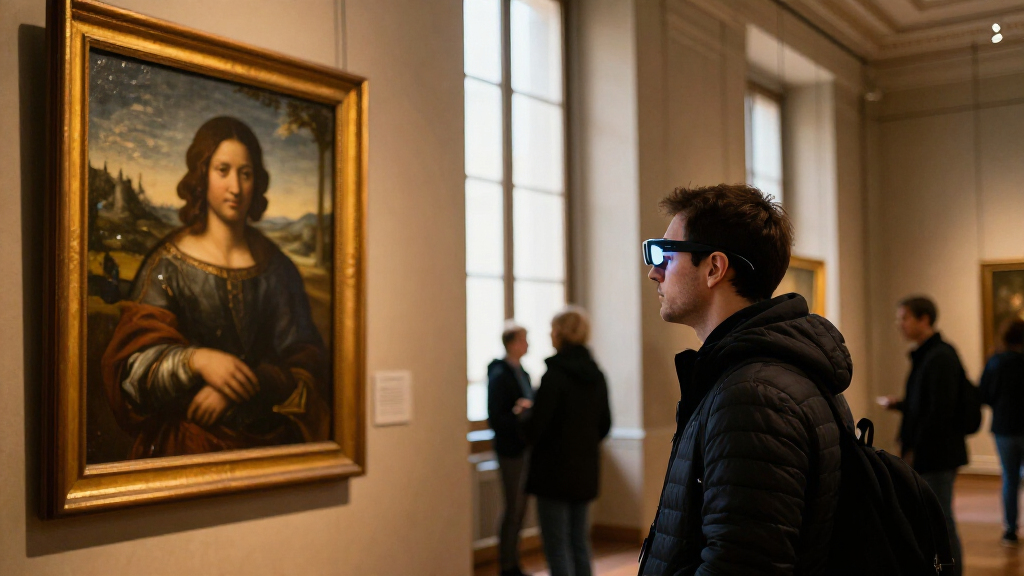
Meta, EssilorLuxottica and Milan’s Pinacoteca di Brera have launched a pilot tour using AI glasses to support blind and low-vision visitors. The reserved tour covers eight artworks and combines spoken descriptions, orientation tracks and optional real-time assistance.
Meta, Milan’s Pinacoteca di Brera and EssilorLuxottica have launched Sensing Art, a pilot using AI glasses to help blind and low-vision visitors experience selected works in the museum. The reserved itinerary covers eight artworks and combines spoken descriptions from the museum’s existing audio guide with tools for orientation and live assistance.
The glasses, developed by Meta and EssilorLuxottica, connect with the Pinacoteca’s Grande Brera app. Visitors can activate artwork recognition from the glasses while standing before one of the selected works, then hear its corresponding description through speakers built into the frames. The museum says the speakers are open-ear, so visitors can remain aware of their surroundings and communicate with people nearby.
The descriptions use DescriVedendo, a method developed by the Associazione Nazionale Subvedenti (ANS) that translates an artwork’s shapes, composition and visual details into spoken words. The route also includes short audio tracks to help visitors orient themselves between works. Visitors may use Meta AI to ask questions about the context or surroundings, and Be My Eyes to connect through the glasses with sighted volunteers or qualified operators for real-time support.
The project was developed with consultation and testing involving blind and visually impaired people, and with three Italian organizations working on sight loss: ANS, the Unione Italiana dei Ciechi e degli Ipovedenti, and the Fondazione Istituto dei Ciechi di Milano. The museum says the tour is available by reservation, Tuesday to Friday from 10 a.m. to 4:30 p.m. The announcement directs visitors to the Pinacoteca’s booking information for details.
A Museum Tour Built for Access
The pilot applies wearable technology to a specific barrier in museum visits: experiencing visual works when standard labels and displays are inaccessible. Its combination of curated spoken descriptions, route guidance and optional human assistance gives visitors several ways to engage with the collection, rather than relying on image recognition alone.
The approach also matters because it pairs a technology product with an established museum audio guide and disability organizations. That collaboration may offer practical lessons about designing cultural access around users’ needs. Meta’s announcement says more than one million people in Italy are blind or visually impaired; the figure is presented by the company and is not accompanied in the announcement by a source or a date for the estimate.
The project remains a pilot, so its launch does not by itself establish how well the glasses work across different visitors, artworks or museum conditions. The stated aim is to explore how AI glasses can improve access; evidence of visitor outcomes or plans to extend the tour has not been provided.
As an affiliate, we earn on qualifying purchases.
From DescriVedendo to Wearable Audio
The Pinacoteca di Brera’s Grande Brera app already includes an audio tour for blind and low-vision visitors, with descriptions developed by ANS using the DescriVedendo method. The new project adds a glasses-based way to trigger descriptions at selected works, while retaining the museum’s existing audio content and adding orientation tracks between stops.
Meta describes Sensing Art as one of the first projects of its kind, but that characterization comes from the company’s announcement. The pilot is framed as a collaboration among a technology company, an eyewear maker, a museum and sight-loss organizations, with consultation from blind and visually impaired people during development. The announcement does not provide comparative data on other museum projects or explain how the claim was assessed.
““Technology reaches its greatest potential when it succeeds in making information and daily experiences more accessible, natural, and immediate.””
— Maxine Williams, Meta vice president of accessibility
As an affiliate, we earn on qualifying purchases.
Pilot Results Still Unreported
The launch announcement does not report visitor numbers, user evaluations or measured accessibility outcomes. It also does not say how long the pilot will run, whether the eight-work itinerary will change, or whether the service will be expanded to more artworks or other museums. The specific glasses model and any costs or lending requirements for visitors are not detailed in the supplied information.
Meta says the pilot involved phases of testing and consultation with people who are blind or visually impaired, but the announcement does not describe the testing methods, participant numbers or findings. It is also unclear how the tour handles cases where artwork recognition does not work as intended, or what connectivity and device requirements apply. Visitors should check the museum’s reservation information for current practical details.
assistive technology for museum access
As an affiliate, we earn on qualifying purchases.
As an affiliate, we earn on qualifying purchases.
Reservations and Pilot Evaluation
Visitors can book the tour at the Pinacoteca di Brera, where the glasses are listed as available Tuesday through Friday, 10 a.m. to 4:30 p.m. Reservations are required. The museum’s booking page is the source for current availability and any instructions visitors need before arriving.
The next meaningful update would be information from the museum and its partners on how visitors use the itinerary and whether the pilot changes or expands. No evaluation timetable or expansion plan was included in the announcement. Until those details are published, Sensing Art should be understood as a limited, eight-artwork pilot rather than a permanent or museum-wide service.
smart glasses with real-time support
As an affiliate, we earn on qualifying purchases.
As an affiliate, we earn on qualifying purchases.
Key Questions
What is Sensing Art?
It is a Pinacoteca di Brera pilot tour using Meta and EssilorLuxottica AI glasses to provide spoken descriptions and orientation support for blind and low-vision visitors.
How does the artwork description work?
At one of eight selected artworks, visitors can activate artwork recognition through the glasses and hear the corresponding Grande Brera app audio description. The description follows the DescriVedendo method, which explains visual details in spoken words.
Can visitors get help during the tour?
Yes. The announcement says visitors can use Be My Eyes through the glasses to connect with sighted volunteers or qualified operators for real-time assistance. Meta AI is also available for questions about the surroundings or context.
When can visitors take the tour?
The glasses are available at the museum Tuesday through Friday from 10 a.m. to 4:30 p.m., with reservations required. Check the Pinacoteca’s booking page for current availability and further instructions.
Is the tour permanent or available throughout the museum?
The announcement describes it as a pilot covering eight artworks. It does not say whether the service will become permanent or expand to other works.
Source: rss
Halloween Picks
halloween
As an affiliate, we earn on qualifying purchases.