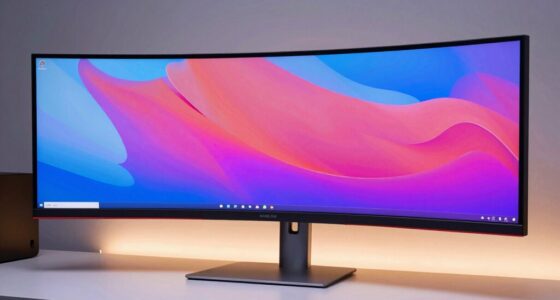
Choosing the best 27-inch gaming monitors requires balancing panel technology with refresh rate and budget. The Samsung 27-Inch Odyssey OLED G5 stands out as the top pick for its perfect blacks and instant response times, though it commands a premium price. For those prioritizing pure speed at a lower cost, the ASUS TUF Gaming VG27AQ3A offers excellent value with its fast IPS panel and high refresh rate. Budget shoppers should look at the Sceptre E275B-FW180T for solid performance without breaking the bank. The main tradeoff here is between image quality (OLED/IPS) and raw speed/price (VA/Entry-level IPS). Continue reading to see how these models stack up against each other.

Get the latest gadgets delivered free with Prime
- Fast, free delivery on millions of items
- Prime Video, Amazon Music and more included
- Member-only deals all year
Complete the kit



Key Takeaways
- OLED panels now dominate the premium tier, offering superior contrast and response times that traditional IPS and VA panels cannot match.
- The sweet spot for competitive gaming has shifted to 240Hz on QHD resolution, making 144Hz monitors feel dated for high-end builds.
- Curved screens (1500R or 1000R) are becoming standard even in mid-range models, improving immersion but potentially causing distortion in design work.
- Entry-level FHD monitors are surprisingly competitive, often matching mid-range QHD monitors in refresh rate while costing half as much.
- Build quality varies wildly; premium brands offer superior ergonomics and stand adjustability, while budget brands often fixate on screen specs at the expense of durability.
| Samsung 27-Inch Odyssey G3 (G30D) FHD Gaming Monitor |  | Best for High-Refresh FHD Gaming | Screen size: 27 inches | Resolution: 1920 × 1080 (FHD) | Refresh rate: 180 Hz | VIEW LATEST PRICE | See Our Full Breakdown |
| LG UltraGear 27GS60QC-B 27-Inch Curved QHD Gaming Monitor |  | Best Curved QHD Value | Screen size: 27 inches | Resolution: 2560 × 1440 (QHD) | Panel type: VA | VIEW LATEST PRICE | See Our Full Breakdown |
| Samsung 27-Inch Odyssey OLED G5 QHD Gaming Monitor |  | Best OLED Picture Quality | Screen size: 27 inches | Panel technology: QD-OLED | Resolution: 2560 × 1440 (QHD) | VIEW LATEST PRICE | See Our Full Breakdown |
| Z-Edge 27-Inch Curved QHD Gaming Monitor, 165Hz |  | Best for Flexible QHD Connections | Screen size: 27 inches | Resolution: 2560 × 1440 (QHD) | Panel type: VA LED | VIEW LATEST PRICE | See Our Full Breakdown |
| ASUS TUF Gaming VG27AQ3A 27-Inch QHD 180Hz Fast IPS Monitor |  | Best All-Rounder for Competitive QHD | Screen size: 27 inches | Resolution: 2560 × 1440 (QHD) | Panel type: Fast IPS | VIEW LATEST PRICE | See Our Full Breakdown |
| Acer Nitro KG271U 27-inch QHD IPS Gaming Monitor | 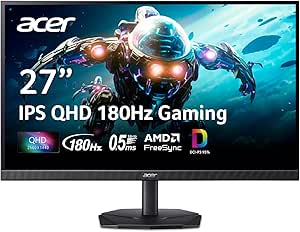 | Best QHD Value for Mixed Gaming | Screen size: 27 inches | Resolution: 2560 × 1440 (QHD) | Panel: IPS LCD | VIEW LATEST PRICE | See Our Full Breakdown |
| LG UltraGear 27-inch QHD OLED Gaming Monitor, 240Hz |  | Best OLED for High-Refresh QHD | Screen size: 27 inches | Display type: OLED | Resolution: 2560 × 1440 (QHD) | VIEW LATEST PRICE | See Our Full Breakdown |
| ASUS ROG Strix XG27ACMES 27-Inch QHD 255Hz Fast IPS Gaming Monitor |  | Best for Maximum IPS Refresh Rate | Screen size: 27 inches | Resolution: 2560 × 1440 (QHD) | Panel: Fast IPS | VIEW LATEST PRICE | See Our Full Breakdown |
| Sceptre 27-Inch Full HD Gaming Monitor, 180Hz (E275B-FW180T Series) |  | Best for Full HD Competitive Gaming | Screen size: 27 inches | Resolution: 1920 × 1080 (Full HD) | Refresh rate: 180Hz | VIEW LATEST PRICE | See Our Full Breakdown |
| SANSUI 27-Inch Curved 160Hz FHD Gaming Monitor |  | Best Curved Full HD Pick | Screen size: 27 inches | Resolution: 1920 × 1080 (FHD) | Curvature: 1500R | VIEW LATEST PRICE | See Our Full Breakdown |
| Amzfast 27-Inch Curved FHD Gaming Monitor, Up to 280Hz |  | Best for Maximum Refresh Rate on a 1080p Build | Screen size: 27 inches | Resolution: 1920 × 1080 (FHD) | Panel and curvature: VA, 1500R | VIEW LATEST PRICE | See Our Full Breakdown |
| Dell SE2726HG 27-Inch FHD 240Hz Gaming Monitor |  | Best for Fast IPS 1080p Gaming | Screen size: 27 inches | Resolution: 1920 × 1080 (FHD) | Panel type: Fast IPS | VIEW LATEST PRICE | See Our Full Breakdown |
| Dell 27 Plus QHD Monitor (S2725DSM), 27-inch, 144Hz, Ash White |  | Best for QHD Gaming and Ergonomic Adjustments | Screen size: 27 inches | Resolution: 2560 × 1440 (QHD) | Panel type: IPS LCD | VIEW LATEST PRICE | See Our Full Breakdown |
| Sceptre 27-Inch Curved Full HD Gaming Monitor, 180Hz, 1ms, 1500R, HDMI and DisplayPort, Built-in Speakers |  | Best for Multi-Device Curved Setups | Screen size: 27 inches | Resolution: 1920 × 1080 (Full HD) | Panel type and curvature: VA, 1500R | VIEW LATEST PRICE | See Our Full Breakdown |
| Samsung 27-inch Odyssey G5 (G51F) Series QHD Gaming Monitor |  | Best QHD Upgrade for High-Refresh Gaming | Screen size: 27 inches | Resolution: 2560 × 1440 (QHD) | Panel type: VA | VIEW LATEST PRICE | See Our Full Breakdown |
| 27-inch gaming monitor | Screen size | Resolution | Refresh rate | Response time |
|---|---|---|---|---|
| Samsung 27-Inch Odyssey G3 | 27 inches | 1920 × 1080 (FHD) | 180 Hz | 1 ms MPRT |
| LG UltraGear 27GS60QC-B 27-Inc | 27 inches | 2560 × 1440 (QHD) | Up to 180Hz | 1 ms GtG |
| Samsung 27-Inch Odyssey OLED G | 27 inches | 2560 × 1440 (QHD) | 180Hz | 0.03 ms GtG |
| Z-Edge 27-Inch Curved QHD Gami | 27 inches | 2560 × 1440 (QHD) | Up to 165Hz via DisplayPort; up to 144Hz via HDMI | 1 ms MPRT |
| ASUS TUF Gaming VG27AQ3A 27-In | 27 inches | 2560 × 1440 (QHD) | 180Hz | 1 ms |
| Acer Nitro KG271U 27-inch QHD | 27 inches | 2560 × 1440 (QHD) | Up to 180Hz | Up to 0.5ms GTG |
| LG UltraGear 27-inch QHD OLED | 27 inches | 2560 × 1440 (QHD) | Up to 240Hz | 0.03ms |
| ASUS ROG Strix XG27ACMES 27-In | 27 inches | 2560 × 1440 (QHD) | Up to 255Hz (overclocked) | 0.3ms minimum |
| Sceptre 27-Inch Full HD Gaming | 27 inches | 1920 × 1080 (Full HD) | 180Hz | 1ms |
| SANSUI 27-Inch Curved 160Hz FH | 27 inches | 1920 × 1080 (FHD) | Up to 160Hz | 1ms MPRT |
| Amzfast 27-Inch Curved FHD Gam | 27 inches | 1920 × 1080 (FHD) | Up to 280Hz | 1ms |
| Dell SE2726HG 27-Inch FHD 240H | 27 inches | 1920 × 1080 (FHD) | 240Hz | 0.5ms (title/content); 5ms (product information) |
| Dell 27 Plus QHD Monitor | 27 inches | 2560 × 1440 (QHD) | 144Hz | 1ms MPRT |
| Sceptre 27-Inch Curved Full HD | 27 inches | 1920 × 1080 (Full HD) | Up to 180Hz | 1ms with Blur Reduction |
| Samsung 27-inch Odyssey G5 | 27 inches | 2560 × 1440 (QHD) | 180Hz | 1ms MPRT |
More Details on Our Top Picks
Samsung 27-Inch Odyssey G3 (G30D) FHD Gaming Monitor
The Odyssey G3 makes the most sense for players who put high refresh rates ahead of resolution. Its 180Hz refresh rate and FreeSync support help keep fast gameplay fluid, while the adjustable stand offers more ergonomic flexibility than the tilt-only stand on the LG UltraGear 27GS60QC-B. The tradeoff is its 1920 × 1080 resolution: stretched across 27 inches, it looks less sharp than the QHD LG or ASUS TUF VG27AQ3A, especially for desktop text and detailed game scenes. Black Equalizer and Virtual Aim Point add useful gaming controls, but they do not make up for that resolution gap if clarity is your priority. I’d shortlist this model for competitive players with a system focused on high frame rates, but its glossy finish may be distracting in bright rooms.
Pros:- 180Hz refresh rate paired with AMD FreeSync
- Stand adjusts for height, tilt, swivel, and pivot
- Black Equalizer and Virtual Aim Point provide gaming-specific controls
- Three-sided borderless design suits dual-monitor setups
Cons:- FHD resolution looks less detailed than the QHD monitors in this roundup
- Glossy finish can reflect light from windows or lamps
Best for: Competitive players who want a 27-inch screen, 180Hz refresh rate, and an adjustable stand without prioritizing QHD detail.
Not ideal for: Players who want crisp QHD visuals at 27 inches or need a matte screen to manage reflections.
- Screen size:27 inches
- Resolution:1920 × 1080 (FHD)
- Refresh rate:180 Hz
- Response time:1 ms MPRT
- Adaptive sync:AMD FreeSync
- Panel contrast:3000:1
- Screen finish:Glossy
- Connectivity:DisplayPort, HDMI
Our verdict“Choose the Odyssey G3 if smooth 180Hz FHD play and stand adjustability matter more to you than QHD sharpness.”
LG UltraGear 27GS60QC-B 27-Inch Curved QHD Gaming Monitor
The LG UltraGear 27GS60QC-B is a strong fit if you want QHD resolution and a pronounced curve without stepping up to OLED. Its 1000R screen wraps more tightly around your field of view than the Z-Edge’s 1500R curve, which may feel more immersive in a centered gaming setup. Both offer VA panels and high refresh rates, but LG reaches up to 180Hz while the Z-Edge tops out at 165Hz over DisplayPort. FreeSync, Black Stabilizer, and Dynamic Action Sync round out a useful gaming feature set. The main compromise is the basic tilt-only stand; the Samsung Odyssey G3 gives you height, swivel, and pivot adjustments, though it has lower FHD resolution. The LG’s listed contrast figure also appears modest for a VA panel, so I’d prioritize its QHD curve and refresh rate over contrast claims.
Pros:- QHD resolution with refresh rates up to 180Hz
- 1000R curve creates a more enveloping view than the Z-Edge’s 1500R curve
- FreeSync, Black Stabilizer, and Dynamic Action Sync support gaming
- Two HDMI ports, DisplayPort, and a headphone connection
Cons:- Stand offers tilt adjustment only
- Curved screen may not suit players who prefer a flat display
- Listed contrast ratio is modest compared with the Z-Edge’s stated 3000:1
Best for: PC gamers seeking a curved QHD display with a high refresh rate and gaming tools, and who use a monitor arm or do not need stand height adjustment.
Not ideal for: Buyers who need built-in ergonomic stand adjustments beyond tilt or prefer a flat screen.
- Screen size:27 inches
- Resolution:2560 × 1440 (QHD)
- Panel type:VA
- Curvature:1000R
- Refresh rate:Up to 180Hz
- Response time:1 ms GtG
- HDR:HDR10
- Connectivity:2 HDMI, DisplayPort, headphone
Our verdict“Pick the LG if you want a tightly curved QHD screen and up to 180Hz, and can live with a tilt-only stand.”
Samsung 27-Inch Odyssey OLED G5 QHD Gaming Monitor
The Odyssey OLED G5 is the pick here for players who value OLED contrast and near-instant response more than a long port list. Its QD-OLED panel pairs QHD resolution with a 180Hz refresh rate and a stated 0.03ms GtG response time, while the listed 1,000,000:1 contrast ratio supports deep blacks that the VA-based LG UltraGear 27GS60QC-B and Z-Edge cannot match on paper. G-Sync compatibility and FreeSync give it broad adaptive-sync support, and the matte Glare Free finish helps limit reflections. OLED Safeguard features address burn-in risk, but OLED still calls for more care around persistent static content. At 280 cd/m² listed brightness and with just one HDMI port, it is less flexible for bright rooms or multi-device setups than the ASUS TUF VG27AQ3A.
Pros:- QD-OLED panel with QHD resolution and a stated 1,000,000:1 contrast ratio
- 180Hz refresh rate and 0.03ms GtG response time
- G-Sync Compatible and AMD FreeSync support
- Matte Glare Free finish and OLED Safeguard features
Cons:- Listed brightness is 280 cd/m², which may limit use in bright rooms
- Only one HDMI port is listed
- OLED requires attention to burn-in precautions around static content
Best for: Gamers who want OLED-level blacks, fast pixel response, and QHD detail for a primarily gaming-focused setup.
Not ideal for: Buyers who leave static desktop content on screen for long periods, need multiple HDMI connections, or play in a very bright room.
- Screen size:27 inches
- Panel technology:QD-OLED
- Resolution:2560 × 1440 (QHD)
- Refresh rate:180Hz
- Response time:0.03 ms GtG
- Brightness:280 cd/m²
- Adaptive sync:G-Sync Compatible, AMD FreeSync
- HDMI ports:1
- Warranty:3 years
Our verdict“Choose the Odyssey OLED G5 for QHD gaming with OLED contrast and very fast response, provided its brightness and single HDMI port fit your setup.”
Z-Edge 27-Inch Curved QHD Gaming Monitor, 165Hz
The Z-Edge suits players who want curved QHD gaming with a useful mix of ports. Its 1500R curve is less pronounced than the LG UltraGear 27GS60QC-B’s 1000R design, making it a middle ground for shoppers who want some wraparound feel without as tight a curve. The VA panel’s listed 3000:1 contrast ratio and 300 cd/m² brightness give it a different emphasis from the ASUS TUF VG27AQ3A’s Fast IPS panel, while FreeSync and FPS/RTS modes add basic gaming conveniences. The important connection caveat: 165Hz is available through DisplayPort, while HDMI tops out at 144Hz. That gives the LG a higher listed refresh ceiling, but the Z-Edge offers two HDMI ports alongside DisplayPort. Its fixed stand adjustment details are not specified, so check your mounting needs before choosing it.
Pros:- QHD resolution with up to 165Hz over DisplayPort
- 1500R curve is less aggressive than the LG UltraGear’s 1000R curve
- Two HDMI 2.0 ports and one DisplayPort 1.4
- FreeSync, FPS and RTS modes, and flicker-free features
Cons:- Refresh rate reaches 165Hz only through DisplayPort; HDMI supports up to 144Hz
- Curved display will not suit players who prefer flat screens
- Stand adjustment options are not specified in the product data
Best for: Players who want a curved QHD VA monitor with two HDMI ports, DisplayPort, and a standard VESA mounting option.
Not ideal for: Gamers who need 165Hz over HDMI, prefer a flat screen, or want a clearly specified ergonomic stand.
- Screen size:27 inches
- Resolution:2560 × 1440 (QHD)
- Panel type:VA LED
- Curvature:1500R
- Refresh rate:Up to 165Hz via DisplayPort; up to 144Hz via HDMI
- Response time:1 ms MPRT
- Contrast ratio:3000:1
- Ports:1 × DisplayPort 1.4, 2 × HDMI 2.0
- VESA mount:100 × 100 mm
Our verdict“Pick the Z-Edge if you want curved QHD gaming and multiple inputs, and can connect by DisplayPort to reach its highest refresh rate.”
ASUS TUF Gaming VG27AQ3A 27-Inch QHD 180Hz Fast IPS Monitor
The ASUS TUF VG27AQ3A is the most balanced choice for players who want QHD sharpness, fast IPS response, and broad sync support without choosing a curved screen or OLED. Its 180Hz refresh rate matches the LG UltraGear 27GS60QC-B, but the ASUS uses a Fast IPS panel rather than VA, a better fit for buyers who value wide viewing angles and a flat image. ELMB Sync combines motion-blur reduction with variable refresh support, while FreeSync Premium, G-SYNC compatibility, and AdaptiveSync provide flexibility across gaming systems. Compared with the Samsung Odyssey OLED G5, it gives up OLED contrast and the exceptionally low listed response time, but avoids making OLED care part of the buying decision. HDR10 and built-in speakers are useful extras, though HDR support is basic and the supplied power-voltage listing may need checking against your setup.
Pros:- QHD Fast IPS panel with 180Hz refresh and 1ms response time
- ELMB Sync plus FreeSync Premium, G-SYNC compatibility, and AdaptiveSync
- 130% sRGB gamut and 178-degree viewing angle
- Built-in speakers and HDMI, DisplayPort, and 3.5mm audio connections
Cons:- HDR support is limited to HDR10
- Listed contrast ratio is 1000:1, well below the OLED Samsung Odyssey G5’s stated figure
- Product data lists 240V power voltage, so buyers should check compatibility
Best for: Competitive PC gamers who want a flat QHD IPS display with 180Hz, wide viewing angles, and multiple adaptive-sync options.
Not ideal for: Buyers seeking OLED-level contrast, stronger HDR performance, or a curved screen.
- Screen size:27 inches
- Resolution:2560 × 1440 (QHD)
- Panel type:Fast IPS
- Refresh rate:180Hz
- Response time:1 ms
- Adaptive sync:FreeSync Premium, G-SYNC Compatible, VESA AdaptiveSync
- Color gamut:130% sRGB
- Connectivity:HDMI, DisplayPort, 3.5mm audio
- Built-in speakers:Yes
Our verdict“Choose the ASUS TUF VG27AQ3A for a flat, fast QHD IPS experience with extensive sync support, rather than OLED contrast or curved immersion.”
Acer Nitro KG271U 27-inch QHD IPS Gaming Monitor
The Acer Nitro KG271U makes the most sense for players who want the sharper detail of QHD without giving up a fast refresh rate. Its 180Hz IPS panel pairs well with fast-paced games, while AMD FreeSync helps reduce tearing when frame rates fluctuate. Compared with the Full HD Sceptre E275B-FW180T, the Acer gives you more workspace and finer image detail at the same screen size, though the Sceptre has more listed video inputs. The Acer’s 95% DCI-P3 coverage also suits colorful games and general media use, but HDR 10 support should not be mistaken for especially bright HDR: its listed brightness is just 250 cd/m². I’d choose it over the pricier feature-heavy options when QHD and a quick IPS display matter more than OLED contrast or extra connectivity.
Pros:- QHD resolution provides sharper detail than the Full HD Sceptre E275B-FW180T at the same screen size.
- Up to 180Hz refresh rate and listed 0.5ms GTG response time suit fast gameplay.
- AMD FreeSync helps reduce tearing as frame rates change.
- 95% DCI-P3 color coverage supports a broad, vivid color range.
Cons:- Listed 250 cd/m² brightness limits its appeal for bright rooms and HDR viewing.
- Connectivity is limited to DisplayPort and HDMI.
- HDR 10 support does not offset the modest listed brightness.
Best for: PC gamers seeking a 27-inch QHD IPS display for a mix of competitive play, story games, and everyday use.
Not ideal for: Players who prioritize bright, impactful HDR or need USB-C and multiple additional USB ports.
- Screen size:27 inches
- Resolution:2560 × 1440 (QHD)
- Panel:IPS LCD
- Refresh rate:Up to 180Hz
- Response time:Up to 0.5ms GTG
- Adaptive sync:AMD FreeSync
- Color gamut:95% DCI-P3
- Brightness:250 cd/m²
Our verdict“Choose the Acer for a balanced QHD, high-refresh IPS setup, but skip it if strong HDR brightness or broader connectivity is a priority.”
LG UltraGear 27-inch QHD OLED Gaming Monitor, 240Hz
The LG UltraGear 27GX704A-B is the image-quality pick for players who want QHD sharpness alongside OLED’s deep blacks and exceptionally fast pixel response. Its 240Hz refresh rate and 0.03ms response time give competitive games a fluid, immediate feel, while DisplayHDR True Black 400 and a stated 1.5M:1 contrast ratio make dark scenes more dimensional than on the Acer Nitro KG271U’s IPS panel. It also supports both G-SYNC Compatible and FreeSync Premium Pro, making it a flexible match for different gaming PCs. The tradeoff is OLED upkeep: image-retention care features help mitigate risk, but buyers still need to be comfortable with that consideration. The ASUS ROG Strix XG27ACMES reaches a slightly higher overclocked refresh rate, but this LG’s OLED contrast is the stronger draw.
Pros:- OLED panel and stated 1.5M:1 contrast ratio deliver deep blacks and strong dark-scene definition.
- 240Hz refresh rate and 0.03ms response time suit fast competitive games.
- Supports NVIDIA G-SYNC Compatible and AMD FreeSync Premium Pro.
- Stand adjusts for height, tilt, swivel, and pivot.
Cons:- OLED image retention remains a consideration despite built-in care features.
- The glossy screen may not suit rooms with distracting reflections.
- Peak refresh performance depends on the connected graphics hardware and configuration.
Best for: Competitive and cinematic PC gamers who want QHD OLED contrast, very fast response, and support for either major adaptive-sync ecosystem.
Not ideal for: Buyers who leave static content on screen for long periods, prefer a matte display, or want to avoid OLED image-retention care.
- Screen size:27 inches
- Display type:OLED
- Resolution:2560 × 1440 (QHD)
- Refresh rate:Up to 240Hz
- Response time:0.03ms
- HDR certification:VESA DisplayHDR True Black 400
- Adaptive sync:NVIDIA G-SYNC Compatible; AMD FreeSync Premium Pro
- Ports:2 × HDMI 2.1, DisplayPort 1.4, USB 3.2 upstream, 2 × USB 3.2 downstream, headphone jack
Our verdict“Pick the LG if OLED contrast and rapid QHD gameplay matter more than avoiding OLED care or choosing the highest listed refresh rate.”
ASUS ROG Strix XG27ACMES 27-Inch QHD 255Hz Fast IPS Gaming Monitor
For players chasing high frame rates without moving to OLED, the ASUS ROG Strix XG27ACMES stands out with a QHD Fast IPS panel rated up to 255Hz through overclocking. That gives it a higher listed ceiling than the LG UltraGear OLED’s 240Hz, while its matte finish and 400 cd/m² brightness make it a practical fit for brighter setups. ELMB Sync and support for AMD FreeSync Premium, G-SYNC Compatible, and VESA AdaptiveSync provide several tools for managing blur and tearing. The key tradeoff is that 255Hz is an overclocked mode, not the baseline refresh rate, and the listed USB-C connection offers DisplayPort Alt Mode but no stated power delivery. Compared with the Acer Nitro KG271U, this ASUS is aimed more squarely at speed-focused players than all-around value.
Pros:- QHD Fast IPS display with refresh rate up to 255Hz when overclocked.
- ELMB Sync and multiple adaptive-sync standards help address blur and tearing.
- 400 cd/m² listed brightness and matte finish suit brighter gaming spaces.
- USB-C with DisplayPort Alt Mode adds a useful video connection option.
Cons:- The 255Hz ceiling requires overclocking.
- USB-C power delivery is not specified.
- IPS contrast is lower than the OLED contrast offered by the LG UltraGear 27GX704A-B.
Best for: Competitive PC gamers with a system capable of high QHD frame rates who want a fast IPS panel and USB-C video input.
Not ideal for: Buyers who want OLED black levels, dependable performance at the advertised overclocked ceiling, or USB-C charging for a laptop.
- Screen size:27 inches
- Resolution:2560 × 1440 (QHD)
- Panel:Fast IPS
- Refresh rate:Up to 255Hz (overclocked)
- Response time:0.3ms minimum
- Brightness:400 cd/m²
- Adaptive sync:AMD FreeSync Premium, G-SYNC Compatible, VESA AdaptiveSync
- Connectivity:DisplayPort 1.4, HDMI, USB, USB-C with DisplayPort Alt Mode
Our verdict“Choose the ASUS for a very high-refresh QHD IPS setup, provided you accept an overclocked top mode and do not need USB-C charging.”
Sceptre 27-Inch Full HD Gaming Monitor, 180Hz (E275B-FW180T Series)
The Sceptre E275B-FW180T is a straightforward choice for players who value a high refresh rate and broad input selection more than QHD detail. Its 180Hz refresh rate, 1ms response time, Blur Reduction, and Adaptive-Sync target smooth Full HD gameplay, while two HDMI and two DisplayPort connections make it easier to keep multiple devices attached than with the Acer Nitro KG271U. The main compromise is resolution: on a 27-inch screen, 1920 × 1080 offers less fine detail and desktop space than the Acer’s QHD panel. That makes the Sceptre a better fit for competitive games where high frame rates take priority, especially with hardware that cannot push QHD at high settings. Built-in speakers are convenient, but they are not a substitute for a dedicated headset or speaker setup.
Pros:- 180Hz refresh rate and 1ms response time target responsive Full HD gameplay.
- Adaptive-Sync and Blur Reduction support smoother motion.
- Two HDMI and two DisplayPort connections accommodate several devices.
- Matte screen, VESA mounting, and built-in speakers add setup flexibility.
Cons:- Full HD resolution is less detailed than QHD models such as the Acer Nitro KG271U.
- Built-in speakers may not satisfy buyers who want fuller, dedicated audio.
- The 27-inch screen size makes the resolution tradeoff more apparent than on a smaller Full HD display.
Best for: Players with a modest gaming PC who want a 27-inch high-refresh display for Full HD competitive games and multiple connected devices.
Not ideal for: Gamers who want sharper QHD detail, more desktop workspace, or robust built-in audio.
- Screen size:27 inches
- Resolution:1920 × 1080 (Full HD)
- Refresh rate:180Hz
- Response time:1ms
- Picture features:Adaptive-Sync, Blur Reduction, Blue-Light Shift
- Video inputs:2 × HDMI, 2 × DisplayPort
- Built-in speakers:Yes
- Mounting:VESA mountable
Our verdict“Choose the Sceptre if your priority is high-refresh Full HD gaming and multiple inputs, not QHD sharpness.”
SANSUI 27-Inch Curved 160Hz FHD Gaming Monitor
The SANSUI ES-G27C1L gives Full HD players a curved-screen alternative to the flat Sceptre E275B-FW180T. Its 1500R curve and 4000:1 listed contrast ratio are intended to make games feel more enveloping and dark scenes look deeper, while FreeSync and a refresh rate up to 160Hz support smooth play. It also includes gaming presets and on-screen tools such as crosshair, timer, and shadow adjustment. Compared with the Sceptre, the SANSUI has a lower maximum refresh rate and no built-in speakers, but it lists higher brightness and a wider stated sRGB gamut. Both remain Full HD at 27 inches, so neither matches the finer detail of the Acer Nitro KG271U or ASUS ROG Strix XG27ACMES. Its HDMI-only HDR mode is another limitation.
Pros:- 1500R curved screen offers a more enveloping shape than the flat Sceptre E275B-FW180T.
- 160Hz refresh rate and FreeSync support smooth gameplay.
- 4000:1 listed contrast ratio and 300 cd/m² brightness suit varied game scenes.
- Gaming presets, crosshair, timer, and shadow adjustment provide useful on-screen controls.
Cons:- Full HD resolution offers less detail than the QHD Acer Nitro KG271U.
- Maximum refresh rate is lower than the Sceptre’s 180Hz.
- No built-in speakers, and HDR mode is available only through HDMI.
Best for: Gamers who prefer a curved 27-inch Full HD screen, play in a dimmer room, and want on-screen gaming tools.
Not ideal for: Buyers seeking QHD detail, built-in speakers, or HDR support that works across all video inputs.
- Screen size:27 inches
- Resolution:1920 × 1080 (FHD)
- Curvature:1500R
- Refresh rate:Up to 160Hz
- Response time:1ms MPRT
- Contrast ratio:4000:1
- Adaptive sync:FreeSync
- Ports:HDMI 2.0, DisplayPort 1.4, audio jack
Our verdict“Pick the SANSUI for a curved, feature-rich Full HD setup, but choose a QHD model if image detail is the priority.”
Amzfast 27-Inch Curved FHD Gaming Monitor, Up to 280Hz
The Amzfast AMZG27C1 PRO pairs a 280Hz ceiling with FreeSync Premium, making it a fit for competitive players whose PC can push very high frame rates at 1080p. Its curved VA panel and 4000:1 contrast favor darker, immersive scenes over the wider viewing angles and more consistent color typically associated with IPS. Compared with the Dell SE2726HG, it offers a higher stated refresh-rate ceiling and a deeper contrast spec, but Dell’s Fast IPS panel provides 99% sRGB coverage and a longer listed warranty. The main compromise is resolution: Full HD looks less crisp on a 27-inch screen than the QHD Samsung Odyssey G5 G51F. I’d choose this for speed on a capable esports setup, not for fine desktop detail; it also has just one HDMI input.
Pros:- Up to 280Hz refresh rate suits high-frame-rate competitive play.
- FreeSync Premium provides adaptive synchronization.
- 1500R curve and 4000:1 contrast support an immersive, high-contrast image.
- Built-in stereo speakers and anti-glare, anti-flicker, and low-blue-light features add setup and viewing flexibility.
Cons:- FHD resolution looks less detailed at 27 inches than the QHD alternatives.
- Only one HDMI port limits connected-device flexibility.
- The VA panel’s viewing angles are narrower than those of the Dell SE2726HG’s Fast IPS panel.
Best for: Competitive PC players with hardware capable of driving very high frame rates at 1080p who want a curved screen and built-in speakers.
Not ideal for: Players who prioritize sharp text and detailed 27-inch visuals, or need multiple HDMI-connected devices.
- Screen size:27 inches
- Resolution:1920 × 1080 (FHD)
- Panel and curvature:VA, 1500R
- Refresh rate:Up to 280Hz
- Response time:1ms
- Adaptive sync:FreeSync Premium
- Contrast ratio:4000:1
- Connectivity:HDMI 2.0, DisplayPort 1.4
- Speakers:Two built-in 2W speakers
Our verdict“Choose the Amzfast if very high 1080p refresh rates matter more to you than QHD sharpness or extra HDMI connectivity.”
Dell SE2726HG 27-Inch FHD 240Hz Gaming Monitor
The Dell SE2726HG is the more balanced pick for players who want 240Hz speed without choosing a curved VA screen. Its Fast IPS panel and 99% sRGB coverage suit mixed gaming and everyday use, while FreeSync Premium and HDMI VRR help reduce tearing across compatible setups. Against the Amzfast AMZG27C1 PRO, Dell trades the higher 280Hz ceiling and stronger listed contrast for IPS viewing angles, two HDMI ports, and a three-year warranty. It also has an edge in eye-comfort provisions, with a matte finish and TÜV Rheinland 3-star certification. The main limitation is shared with the Amzfast: 1080p is relatively coarse at 27 inches compared with QHD choices such as the Samsung Odyssey G5 G51F. The stand only tilts, so buyers seeking a fully adjustable desk setup should look elsewhere.
Pros:- 240Hz refresh rate supports fluid motion in fast games.
- Fast IPS panel offers 178-degree viewing angles and 99% sRGB coverage.
- FreeSync Premium and HDMI VRR support smoother gameplay.
- Two HDMI inputs, matte anti-glare finish, and a three-year warranty add practical value.
Cons:- FHD resolution is less sharp at 27 inches than QHD options.
- Stand adjustment is limited to tilt.
- The 1,000:1 contrast ratio is modest compared with VA choices such as the Amzfast.
Best for: Players seeking a flat Fast IPS display for high-refresh 1080p gaming, with wide viewing angles and a longer listed warranty.
Not ideal for: Buyers wanting QHD detail, height adjustment, or a refresh rate above 240Hz.
- Screen size:27 inches
- Resolution:1920 × 1080 (FHD)
- Panel type:Fast IPS
- Refresh rate:240Hz
- Response time:0.5ms (title/content); 5ms (product information)
- Color gamut:99% sRGB
- Adaptive sync:AMD FreeSync Premium, HDMI VRR
- Connectivity:2 × HDMI, DisplayPort 1.4
- Stand adjustment:Tilt
Our verdict“Pick the Dell for flat-screen Fast IPS gaming and broader connectivity, provided 1080p resolution and tilt-only adjustment suit your setup.”
Dell 27 Plus QHD Monitor (S2725DSM), 27-inch, 144Hz, Ash White
The Dell S2725DSM suits players who would rather gain QHD detail and a flexible stand than chase the highest refresh rate. At 144Hz, it is less focused on competitive speed than the 240Hz Dell SE2726HG or the 180Hz Samsung Odyssey G5 G51F, but its 2560 × 1440 resolution gives games and desktop content more room for fine detail. The IPS panel, FreeSync, and 1ms MPRT support a fluid, tear-reduced experience, while height, tilt, pivot, and swivel adjustments make it easier to fit different desks and viewing positions. Dual 3W speakers are a useful extra, though they do not replace dedicated audio. Its listed brightness is 350 nits, and the product data identifies just one HDMI port. I’d favor this Dell for mixed-use setups, not players who prize top-end refresh rates.
Pros:- QHD resolution delivers more detail than the FHD Dell SE2726HG.
- 144Hz refresh rate and AMD FreeSync support smooth, tear-reduced gaming.
- Height, tilt, pivot, and swivel adjustments make positioning more adaptable.
- Dual 3W speakers and TÜV 4-star eye-comfort features add useful everyday extras.
Cons:- 144Hz is a lower refresh rate than the 180Hz Samsung Odyssey G5 G51F and 240Hz Dell SE2726HG.
- Only one HDMI port is listed.
- A 1ms MPRT figure describes motion-blur reduction, not a general response-time specification.
Best for: Players who also use their monitor for work or general computing and want QHD clarity, an IPS panel, and a fully adjustable stand.
Not ideal for: Competitive players prioritizing refresh rates above 144Hz, or buyers who need several HDMI inputs.
- Screen size:27 inches
- Resolution:2560 × 1440 (QHD)
- Panel type:IPS LCD
- Refresh rate:144Hz
- Response time:1ms MPRT
- Brightness:350 nits
- Adaptive sync:AMD FreeSync
- Speakers:Dual 3W
- Stand adjustment:Height, tilt, pivot, and swivel
Our verdict“Choose the S2725DSM if QHD clarity and a fully adjustable stand matter more than maximum competitive refresh rates.”
Sceptre 27-Inch Curved Full HD Gaming Monitor, 180Hz, 1ms, 1500R, HDMI and DisplayPort, Built-in Speakers
The Sceptre 27-inch curved FHD monitor is the connectivity-minded choice for gamers who want a curved screen and several devices ready to use. Its two HDMI ports and two DisplayPort inputs offer more connection options than the single-HDMI Amzfast AMZG27C1 PRO, while its 180Hz refresh rate is enough for responsive play without targeting the Amzfast’s 280Hz ceiling or the Dell SE2726HG’s 240Hz. The 1500R curve and VA panel emphasize immersion, and built-in speakers plus an audio-out jack simplify a basic setup. The tradeoff is resolution: like the two FHD options, this 27-inch display offers less fine detail than the QHD Samsung Odyssey G5 G51F. Its 1ms figure uses Blur Reduction, so it should not be read as directly equivalent to every other response-time claim. Skip it if you prefer flat screens.
Pros:- Two HDMI ports and two DisplayPort inputs support multiple connected devices.
- 180Hz refresh rate and Adaptive-Sync suit responsive gaming.
- 1500R curve and VA panel create an immersive viewing setup.
- Built-in speakers, audio-out jack, and VESA mounting support flexible setups.
Cons:- FHD resolution is less detailed at 27 inches than QHD alternatives.
- The curved screen may not suit players who prefer a flat display.
- The 1ms specification is tied to Blur Reduction and may not be comparable to other response-time figures.
Best for: Gamers switching among multiple consoles and PCs who want a curved 27-inch display with several video inputs and basic built-in audio.
Not ideal for: Buyers who want QHD sharpness, a flat panel, or the highest refresh rate available among the FHD picks.
- Screen size:27 inches
- Resolution:1920 × 1080 (Full HD)
- Panel type and curvature:VA, 1500R
- Refresh rate:Up to 180Hz
- Response time:1ms with Blur Reduction
- Color gamut:100% sRGB
- Adaptive sync:Adaptive-Sync
- Connectivity:2 × HDMI, 2 × DisplayPort, audio-out jack
- Mounting:VESA wall-mountable
Our verdict“Pick the Sceptre if multi-device connectivity and a curved screen matter more than QHD detail or maximum refresh speed.”
Samsung 27-inch Odyssey G5 (G51F) Series QHD Gaming Monitor
The Samsung Odyssey G5 G51F is the strongest fit here for players who want QHD resolution without giving up a high refresh rate. Its 2560 × 1440 panel has substantially more pixels than the FHD Amzfast and Dell SE2726HG, making game scenes and desktop content more detailed at this size. The 180Hz refresh rate also exceeds the 144Hz Dell S2725DSM, while AMD FreeSync aims to reduce tearing and stutter. Samsung adds HDR10, Black Equalizer for adjusting dark areas, and a height-adjustable stand with tilt and pivot. Compared with the Dell S2725DSM, the Samsung prioritizes higher refresh and gaming-specific image controls; Dell supplies IPS technology and a stand with swivel adjustment. The Samsung’s VA panel and listed 300-nit brightness are tradeoffs, and no response-time result or port count is supplied beyond a 1ms MPRT claim.
Pros:- QHD resolution provides more detail than the FHD Amzfast and Dell SE2726HG.
- 180Hz refresh rate is higher than the 144Hz Dell S2725DSM.
- AMD FreeSync helps reduce tearing and choppiness.
- Black Equalizer, HDR10, and height, tilt, and pivot adjustments support gaming-focused use.
Cons:- VA panel and 300-nit brightness may not suit buyers seeking a brighter IPS display.
- The 1ms figure is specified as MPRT, which is not directly interchangeable with all response-time measurements.
- The supplied product information does not specify the port count or a detailed response-time mode.
Best for: PC gamers who want a detailed QHD image, 180Hz gameplay, and gaming-specific controls for visibility in dark scenes.
Not ideal for: Buyers who need a documented IPS panel, brightness above 300 nits, or fully specified response-time and port details before choosing.
- Screen size:27 inches
- Resolution:2560 × 1440 (QHD)
- Panel type:VA
- Refresh rate:180Hz
- Response time:1ms MPRT
- Contrast ratio:3000:1
- Brightness:300 cd/m²
- Adaptive sync:AMD FreeSync
- Stand adjustment:Height, tilt, and pivot
Our verdict“Choose the Odyssey G5 G51F for QHD detail at 180Hz, especially if its dark-scene controls appeal more than IPS viewing characteristics.”
How We Picked
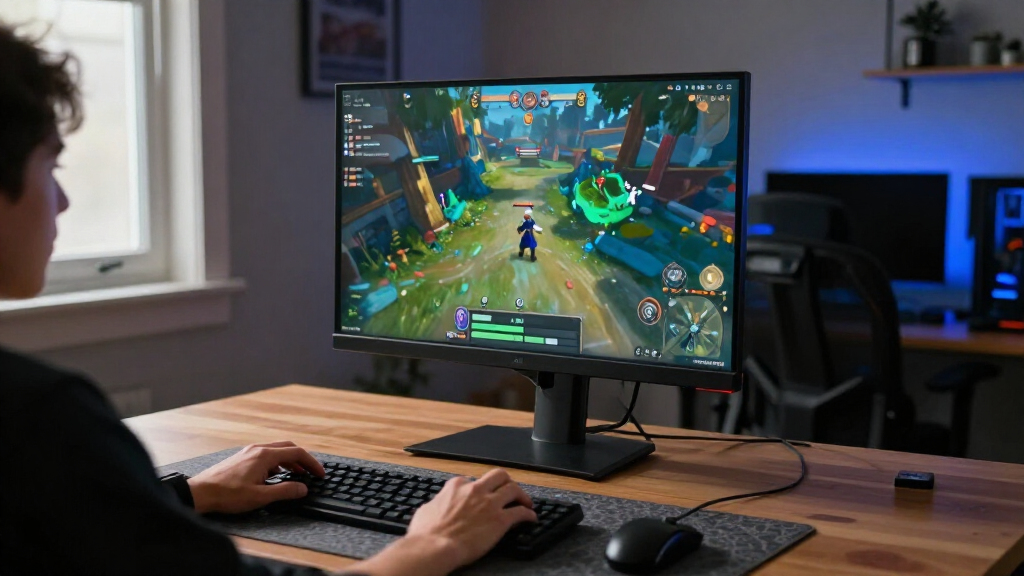
I evaluated these monitors based on panel technology, refresh rate, response time consistency, and color accuracy. My ranking logic prioritizes performance-per-dollar for the majority of gamers, which is why high-refresh-rate IPS panels often outrank slower premium models. I also weighed brand reliability and warranty support, as monitor failures are common in this category.
Products were grouped by resolution (FHD vs. QHD) and panel type (OLED, IPS, VA) to ensure fair comparisons. A monitor was only considered a ‘top pick’ if it excelled in at least two critical areas: speed, color, or value. This approach highlights specific strengths rather than declaring a single universal winner.
Factors to Consider When Choosing Best 27-inch Gaming Monitors
Selecting a monitor is rarely just about specs. Here is how to navigate the technical landscape to find the right fit for your setup.Panel Technology: OLED vs. IPS vs. VA
Understanding panel types is the most important step. OLED offers infinite contrast and instant pixel response, making it ideal for dark-room gaming and HDR content, but it carries a higher risk of burn-in over long periods. IPS provides the best color accuracy and viewing angles, making it the safest choice for mixed use like gaming and creative work, though it suffers from ‘IPS glow’ in dark scenes. VA panels offer high contrast ratios at a lower price point than OLED, but they often exhibit ‘black smearing’ during fast motion, which can hinder competitive play. Choose OLED for immersion, IPS for versatility, and VA for budget-conscious contrast.
Resolution and Pixel Density
At 27 inches, QHD (1440p) is the current standard for clarity. It provides a noticeable upgrade over FHD (1080p) without requiring the massive GPU power needed for 4K. However, if you are playing competitive shooters at high frame rates, FHD might still be preferable because it is easier for your graphics card to handle. If you play single-player RPGs or strategy games, the extra detail in QHD significantly enhances the experience. Do not buy 4K at this size unless you have a very high-end GPU and sit close to the screen.
Refresh Rate and Response Time
A higher refresh rate (Hz) means smoother motion, but it only matters if your GPU can output frames matching that rate. 144Hz is the baseline for gaming; anything lower feels sluggish. 240Hz is the sweet spot for competitive players, offering diminishing returns beyond that for casual gamers. Pay attention to real response times, not just the advertised ‘1ms’. Many monitors achieve 1ms only with aggressive Overdrive settings that cause inverse ghosting (overshoot). Look for reviews that measure actual motion clarity.
Connectivity and Compatibility
Check your graphics card’s ports before buying. To get the maximum refresh rate at QHD resolution, you typically need DisplayPort 1.4. HDMI 2.0 often caps refresh rates at 144Hz for 1440p, while HDMI 2.1 allows higher rates but is less common on older GPUs. Also, consider if you need USB-C connectivity for laptop docking, which is rare on pure gaming monitors. If you plan to use the monitor for console gaming, ensure it supports 4K@120Hz or 1440p@120Hz via HDMI 2.1.
Ergonomics and Build Quality
Many budget monitors come with fixed stands that only tilt. If you spend hours at your desk, full ergonomic adjustability (height, swivel, pivot) is worth the extra cost. A monitor that does not sit at eye level can cause neck strain. Premium brands like ASUS ROG and LG UltraGear typically include robust stands, while budget brands like Sceptre or SANSUI often require purchasing a separate VESA mount arm to achieve proper positioning. Factor in the potential cost of a mount if the included stand is inadequate.
Frequently Asked Questions
Is 27 inches too big for 1080p resolution?
For most users, yes. At 27 inches, 1080p has a lower pixel density (PPI), which can make text appear jagged and pixelated. If you are sitting more than 2.5 feet away from the screen, the lack of sharpness becomes noticeable, especially when reading or browsing the web. However, if your primary focus is competitive gaming where frame rate is king, and you are on a tight budget, a 1080p 27-inch monitor is acceptable. For a crisp desktop experience, I strongly recommend stepping up to 1440p (QHD) at this screen size.
Do I need a curved monitor for gaming?
Curved monitors enhance immersion by keeping the edges of the screen at a more consistent distance from your eyes, which can reduce eye strain during long sessions. They are particularly beneficial for ultrawide screens, but at 27 inches, the benefit is subtle. Some competitive players dislike curves because they can introduce slight geometric distortion in first-person shooters. If you play immersive RPGs or flight sims, a curve is a nice-to-have feature. For pure competitive FPS, a flat panel remains the standard choice for its geometric accuracy.
Is OLED burn-in a real risk for gaming?
Modern OLED monitors have significantly reduced the risk of burn-in through pixel shifting, logo dimming, and other protective technologies. However, the risk is not zero, especially if you use the monitor for static desktop tasks with fixed taskbars or HUD elements left on screen for hundreds of hours. If you play games with static HUDs for long periods, consider enabling screen savers or using dark mode interfaces. For pure gaming use, where content changes constantly, OLED is generally safe and offers the best visual experience available today.
Which is better for gaming: IPS or VA panels?
IPS panels are generally better for competitive gaming because they offer faster pixel response times and less motion blur. VA panels have higher contrast ratios, which makes blacks look deeper, but they suffer from ‘black smearing’ where dark objects leave a trail during fast movement. If you play fast-paced shooters like Call of Duty or Valorant, choose IPS. If you play atmospheric, slower-paced games like Cyberpunk 2077 or horror titles, a high-quality VA panel can provide a more cinematic experience due to its superior contrast.
Do I need G-Sync or FreeSync compatibility?
Yes, you should look for a monitor with Variable Refresh Rate (VRR) support. This technology synchronizes the monitor’s refresh rate with your GPU’s frame output, eliminating screen tearing and stuttering. While NVIDIA monitors are branded ‘G-Sync’ and AMD monitors are ‘FreeSync’, most modern monitors support both standards. Even if you have an AMD card, a G-Sync Compatible monitor will often work well, and vice versa. Always verify the specific VRR range to ensure it matches your system’s capabilities for a smooth experience.
Conclusion
Selecting the right monitor depends entirely on your specific gaming habits and budget. For the best overall experience, the Samsung 27-Inch Odyssey OLED G5 delivers unmatched contrast and speed, making it the premium choice for enthusiasts. If you seek the best value for competitive play, the ASUS TUF Gaming VG27AQ3A offers a perfect balance of fast IPS performance and QHD clarity without the premium price tag. Beginners or those on a strict budget should consider the Sceptre E275B-FW180T, which provides reliable FHD performance at an accessible cost. For those who want immersion without OLED burn-in fears, the LG UltraGear 27GS60QC-B curved QHD model is a strong contender. Match your GPU capabilities to these picks to avoid bottlenecking your new display.