📊 Full opportunity report: Remote Workforce Fitness: Digital Musculoskeletal Strength Assessments on IdeaNavigator AI — validation score, market gap, and execution plan.
Get ready for Prime Big Deal Days — try Prime free
Exclusive member deals on October 6–7, plus fast free delivery. Cancel anytime.
Start your free trialAs an affiliate, we earn on qualifying purchases.
TL;DR
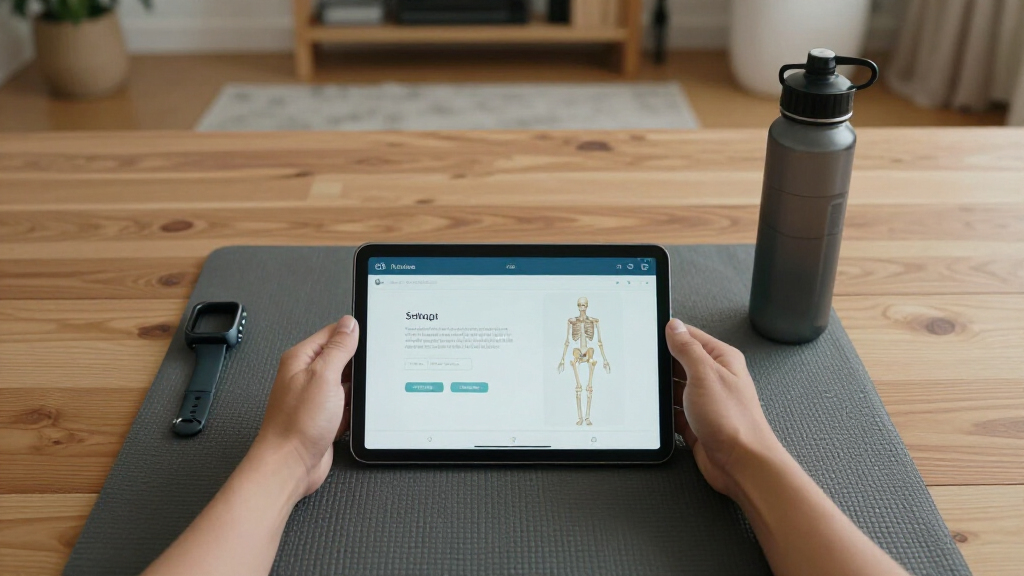
Employers are piloting digital, camera-based MSK assessments for remote workers to identify early mobility and posture issues. This innovation aims to reduce costly musculoskeletal problems caused by sedentary remote work. Pilot programs are being launched to validate effectiveness and engagement.
Employers and benefits providers are beginning pilot programs for digital, smartphone camera-based musculoskeletal (MSK) assessments for remote workers, aiming to detect early mobility and posture issues before they develop into costly health problems. This approach leverages advances in pose estimation technology to provide a quick, privacy-safe screening method that could transform how companies manage remote workforce health and reduce medical claims related to MSK conditions.
Remote work has led to a surge in neck, back, and posture-related MSK problems, driven by reduced incidental movement and ergonomic challenges. Currently, most employer health programs are reactive, addressing pain only after employees experience symptoms, which often results in high costs and lost productivity.
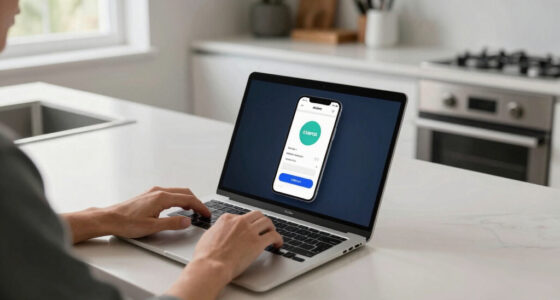
Recent technological advances in smartphone camera-based pose estimation now enable guided self-assessments of strength, mobility, and posture without specialized sensors or clinician involvement. These assessments typically take around 10 minutes and can produce a personalized MSK risk score, along with corrective exercises and progress tracking over time.
Initial pilot programs are planned with one or two employers, focusing on measuring assessment completion rates, retention, and the correlation of camera-derived risk scores with established clinical questionnaires. Success will be defined by meaningful engagement, valid scoring, and at least one signed paid pilot with clinical referral potential.
Employers and benefits brokers see this as a proactive way to identify at-risk employees early, potentially reducing future claims and improving workforce health. Revenue models involve SaaS subscriptions per employee per month, with optional outcome-based pricing and referral fees from clinical partners.
Potential Impact on Remote Workforce Health Management
This innovation could significantly shift how companies approach employee health in remote settings, moving from reactive treatment to preventive screening. Early identification of mobility and posture issues can lead to targeted interventions, reducing the incidence and severity of MSK conditions, which are already among the top drivers of employer medical costs.
By integrating privacy-safe, quick assessments into regular wellness routines, employers can foster healthier remote work environments, potentially lowering medical claims, reducing absenteeism, and improving employee well-being. This approach aligns with the broader trend of digital health tools enabling scalable, preventive care outside traditional clinical settings.
However, the real-world effectiveness, employee engagement, and integration with clinical care pathways remain to be validated through pilot results, which will determine whether this becomes a standard component of remote workforce health strategies.
posture correction ergonomic chair
As an affiliate, we earn on qualifying purchases.
As an affiliate, we earn on qualifying purchases.
Rise of Remote Work and MSK Health Challenges
The shift to remote and hybrid work models has become permanent for many organizations, especially among knowledge workers. This transition has inadvertently increased sedentary behavior, leading to a spike in musculoskeletal complaints such as neck pain, back discomfort, and posture-related issues.
Despite the growing burden, current employer health programs are primarily reactive, addressing MSK problems only after symptoms become severe. Prevention efforts are limited by the lack of scalable, easy-to-use screening tools suitable for distributed employees.
Recent advances in pose estimation technology, driven by improvements in smartphone cameras and AI, now make it feasible to develop at-home assessments that can identify early signs of mobility decline. These tools are seen as a promising solution to fill the gap in early detection and intervention.
Industry experts and benefits leaders are actively exploring pilot programs to validate these assessments’ accuracy, engagement, and utility, with the goal of integrating them into broader wellness strategies.
musculoskeletal assessment smartphone app
As an affiliate, we earn on qualifying purchases.
As an affiliate, we earn on qualifying purchases.
Effectiveness and Adoption of At-Home MSK Assessments
It remains unclear how accurately these smartphone-based assessments will correlate with clinical evaluations, and whether employees will consistently engage with the process. The success of pilot programs will determine their viability for broader deployment.
Additionally, questions about data privacy, integration with existing health systems, and employer willingness to adopt new screening protocols are still to be addressed as pilots progress.
As an affiliate, we earn on qualifying purchases.
Upcoming Pilot Programs and Validation Milestones
Several companies plan to launch pilot assessments within the next 3 to 6 months, aiming to measure engagement, scoring validity, and health outcomes. Results from these pilots will inform potential scaling and integration into standard remote workforce health initiatives.
Further development will focus on refining the assessment algorithms, expanding clinical partnerships, and establishing best practices for privacy and employee communication.
remote worker back support cushion
As an affiliate, we earn on qualifying purchases.
As an affiliate, we earn on qualifying purchases.
Key Questions
How do the digital MSK assessments work at home?
Employees use their smartphone cameras to perform guided strength, mobility, and posture tests, which are analyzed by AI to produce a risk score without sensors or clinical involvement.
What are the benefits of using these assessments?
They enable early detection of mobility and posture issues, helping prevent costly MSK conditions and supporting proactive health management in remote workers.
Are these assessments private and secure?
Yes, the assessments are designed to be privacy-safe, with data processed locally or securely stored, and only aggregate, anonymized insights shared with employers.
When will these tools be widely available?
Pilot programs are expected to start within the next 3 to 6 months, with broader deployment depending on pilot outcomes and validation results.
Will employees need special equipment to participate?
No, the assessments rely solely on standard smartphone cameras and guided instructions, making participation accessible for most remote workers.
Source: IdeaNavigator AI
Fall Picks
fall essentials
As an affiliate, we earn on qualifying purchases.