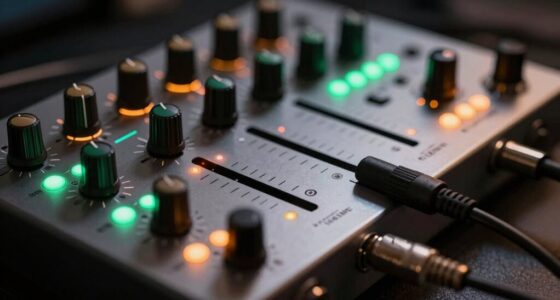

Noise suppression helps improve clarity by reducing background sounds in noisy environments, making speech easier to understand. It’s great during calls, recordings, or working in busy places. However, it can also distort voices, muffle subtle sounds, and cause delays that affect your awareness. Overusing it or applying it in quiet settings can lead to fatigue and missed cues. If you want to learn more about when and how to use it best, keep exploring.

Get the latest gadgets delivered free with Prime
- Fast, free delivery on millions of items
- Prime Video, Amazon Music and more included
- Member-only deals all year
Key Takeaways
- Noise suppression improves clarity by reducing background sounds but may distort speech or remove subtle audio details.
- It is most effective in steady, predictable environments like offices or cafes, less so with unpredictable noises.
- Processing delays from noise suppression can cause latency, affecting natural conversation flow and lip-sync during calls.
- Overusing noise suppression can cause audio muffling, artifacts, and listener fatigue, reducing overall sound quality.
- Properly calibrated noise suppression balances background noise reduction with maintaining natural, rich audio for better communication.
noise cancelling microphone for calls
As an affiliate, we earn on qualifying purchases.
As an affiliate, we earn on qualifying purchases.
What Is Noise Suppression, and How Does It Work?
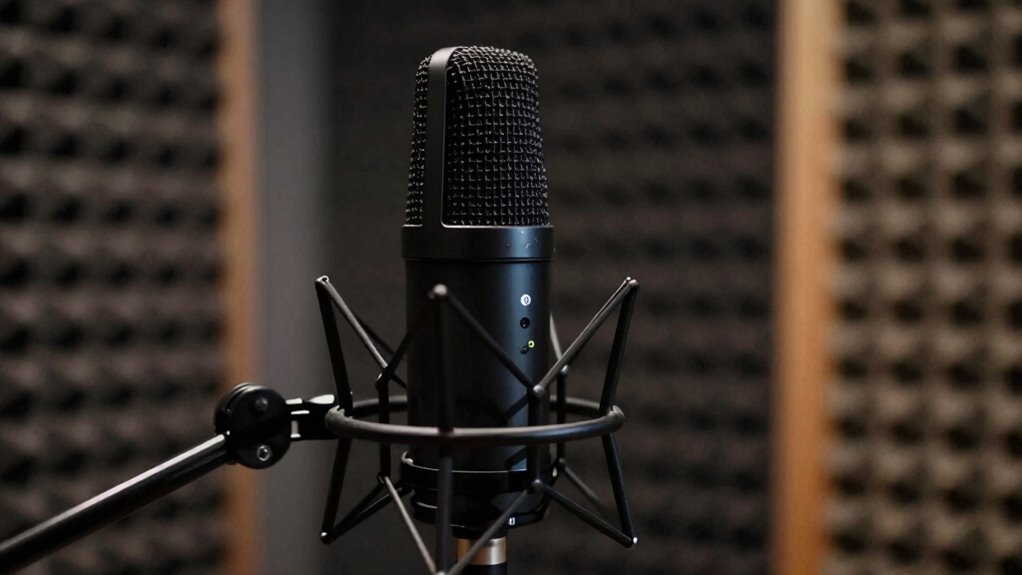
Have you ever wondered how microphones or audio devices reduce unwanted background sounds? That’s where noise suppression comes in. It works by using audio filtering techniques to identify and minimize background noise, allowing your voice or main sound to stand out clearly. Noise suppression algorithms analyze the incoming audio, detecting frequencies associated with background noise, and then dampen or eliminate those sounds. This process improves audio clarity, especially in noisy environments. It’s commonly used in phones, conferencing systems, and voice assistants. Additionally, digital concepts play a key role in developing these advanced filtering techniques. Implementing effective noise suppression also requires understanding the frequency spectrum, ensuring that the essential parts of your audio remain unaffected. When it functions well, it makes conversations clearer. When it’s overzealous, it can distort or remove parts of your voice, leading to unnatural sound.
As an affiliate, we earn on qualifying purchases.
Why Use Noise Suppression Technologies?
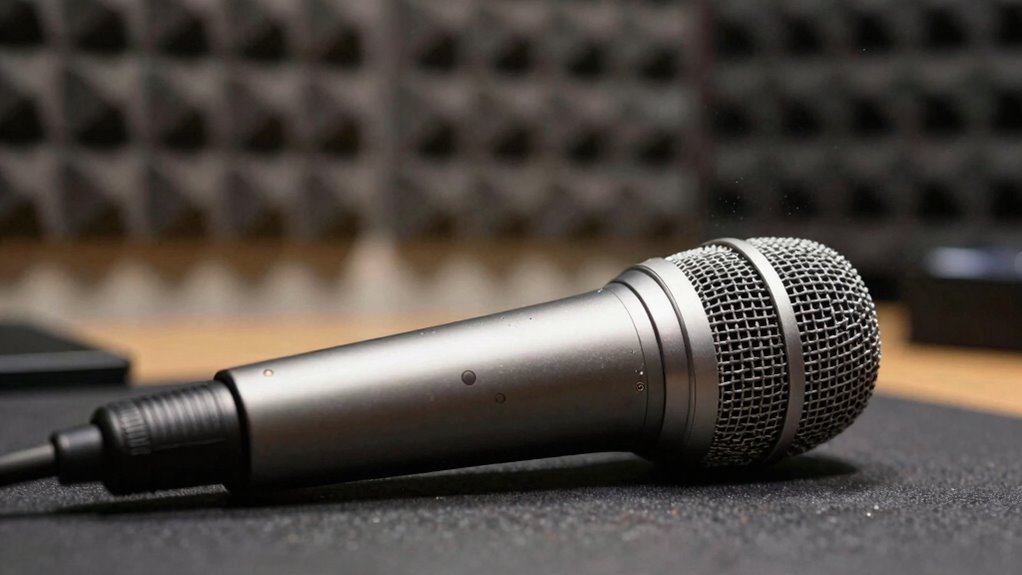
Using noise suppression technologies can greatly improve your audio quality by making speech clearer and easier to understand. They help you stay focused by reducing background distractions during calls or recordings. Incorporating sound masking can further enhance focus and reduce interruptions in noisy environments. Additionally, understanding the role of background noise can help you determine when these tools are most effective. In environments with ambient sounds, noise suppression can be particularly beneficial for achieving clearer communication, especially when managing dog breeds that may be vocal or excitable. Recognizing the types of local attractions nearby can also assist in choosing optimal settings for noise reduction during outdoor recordings or broadcasts.
Enhances Audio Clarity
Noise suppression technologies substantially improve audio clarity by reducing background sounds that can interfere with communication. They target ambient interference, such as traffic, chatter, or electronic hums, making your voice stand out clearly. This is especially important if your microphone sensitivity is high, as it can pick up more unwanted noise. A well-implemented noise suppression system can enhance audio quality significantly, providing a clearer listening experience. By filtering out these distractions, your speech becomes crisper and easier to understand. Without noise suppression, ambient interference can distort your message or force listeners to strain to hear you. These technologies help maintain a natural sound quality, ensuring that your voice remains the focus. Additionally, understanding side-channel attacks can be crucial when considering audio security and privacy. Ultimately, noise suppression enhances the overall clarity of your audio, making conversations more effective and less frustrating for everyone involved.
Reduces Background Distractions
While noise suppression enhances audio clarity by filtering out unwanted sounds, it also plays an essential role in reducing background distractions that can divert attention during conversations. By minimizing ambient sounds and background chatter, noise suppression helps you focus on what’s important, whether during meetings, calls, or virtual collaborations. It reduces the likelihood of missing key details or misinterpreting messages caused by distracting noises. This technology creates a more stable listening environment, allowing you to concentrate without constantly being pulled away by external sounds. Additionally, understanding roleplay etiquette can help ensure respectful and immersive communication in various settings. Implementing ethical technology use can further promote responsible adoption and avoid potential misuse of noise suppression devices. Properly managing background noise can also improve overall communication effectiveness and reduce listener fatigue. Incorporating advanced filtering techniques can optimize the balance between noise reduction and natural sound perception, enhancing the user experience. Moreover, awareness of noise suppression risks is crucial to prevent over-reliance that might hinder natural listening skills or cause discomfort during prolonged use.
As an affiliate, we earn on qualifying purchases.
What Are the Limitations and Risks of Noise Suppression?
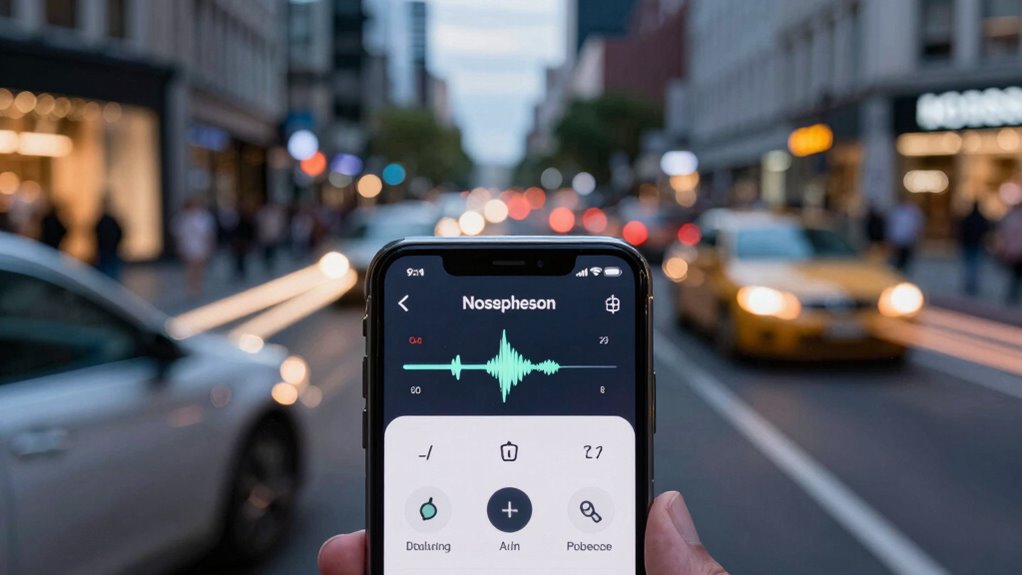
While noise suppression can improve audio clarity, it can also cause unintended effects like audio distortion or losing important speech details. You might notice that the technology sometimes introduces artifacts or muffles subtle sounds. Additionally, processing noise reduction can increase latency, which may disrupt real-time communication. In automotive performance, just as with sound systems, choosing the right engine upgrades ensures optimal results without unintended drawbacks. Moreover, improper implementation of noise suppression can sometimes interfere with surround sound systems, diminishing the immersive experience. Understanding the limitations of noise suppression can help you make better choices for your specific needs. Being aware of the potential impact on audio quality is crucial in balancing noise reduction benefits with maintaining sound fidelity. Awareness of potential microplastic contamination in indoor dust highlights the importance of balanced air quality management alongside noise control.
Potential Audio Distortion
Despite its benefits, noise suppression can sometimes lead to audio distortion, which occurs when the process unintentionally alters or removes parts of the original sound. This can create audio artifacts—unnatural sounds or glitches—that distract from clarity. Signal degradation happens when the suppression algorithm mistakenly interprets parts of speech or important audio as noise, removing or muffling those elements. As a result, your communication may feel less natural or harder to understand. Over-aggressive noise reduction settings increase this risk, especially in complex environments with fluctuating sounds. While noise suppression aims to improve audio quality, it can backfire if not carefully tuned, causing unintended distortion that compromises the overall listening experience.
Loss of Speech Details
Noise suppression tools are designed to improve audio clarity, but they often come with limitations that can impact how well speech is preserved. One common issue is speech detail loss, where subtle nuances and soft sounds get filtered out along with noise. This can make speech sound muffled or less natural, reducing overall audio fidelity. When noise suppression is too aggressive, you might notice that important cues—like a speaker’s intonation or subtle consonant sounds—disappear. This not only affects clarity but can also hinder understanding, especially in complex conversations. While noise suppression helps reduce background distractions, it risks stripping away essential speech elements. As a result, the audio may become less accurate and harder to interpret, compromising effective communication.
Increased Processing Latency
Have you ever noticed a delay between speaking and hearing your voice after noise suppression is applied? This is due to processing delays, which can cause latency issues. Noise suppression algorithms analyze sounds in real-time, but this processing takes time. As a result, you might experience a noticeable lag, making conversations feel unnatural or disjointed. Increased processing latency can also affect the synchronization of audio and video during calls, leading to a less seamless experience. While noise suppression improves clarity, it can introduce these delays, especially on devices with limited processing power. You need to weigh the benefits against potential latency issues, particularly in fast-paced conversations or professional settings where timing is critical. Additionally, understanding the limits of noise suppression can help you decide when it is beneficial versus when it might hinder communication.
professional noise cancelling headset
As an affiliate, we earn on qualifying purchases.
As an affiliate, we earn on qualifying purchases.
How Noise Suppression Can Distort Sound Quality
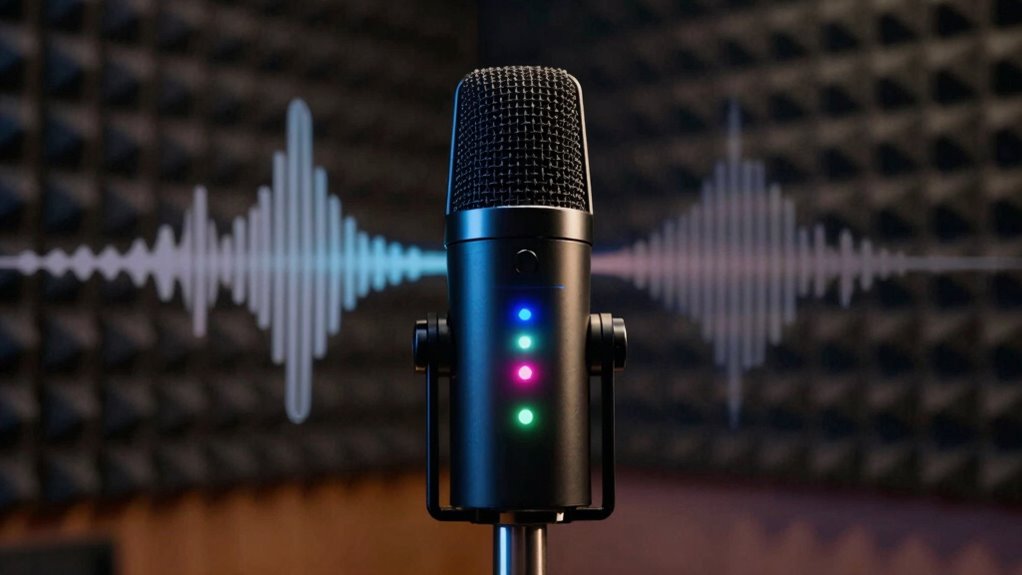
While noise suppression algorithms are designed to enhance audio clarity, they can sometimes distort sound quality in the process. These algorithms work by filtering out background noise, but they may also unintentionally remove or alter parts of the desired sound, reducing overall audio fidelity. As a result, voices can sound muffled, robotic, or less natural, making speech harder to understand. High-frequency sounds, like sibilance or subtle details, may be lost or distorted, impacting your listening experience. In some cases, noise suppression can introduce artifacts—unnatural sounds or static—that degrade the overall sound quality. You might notice a decrease in audio richness, making conversations less clear and immersive. This trade-off highlights the importance of balancing noise reduction with maintaining good sound quality. Understanding sound fidelity can help users better evaluate when noise suppression is beneficial or detrimental. Additionally, improper calibration or overly aggressive settings can amplify distortions, further impacting sound quality negatively.
When Should You Use Noise Suppression for Best Results?
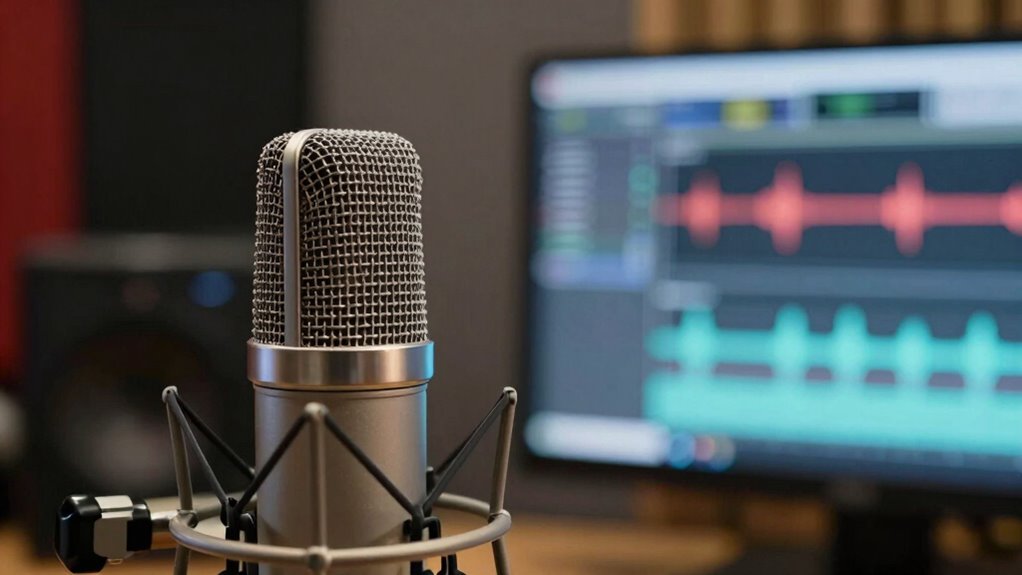
You should consider using noise suppression when you’re in an environment with consistent background noise, like an office or busy street. If maintaining clear voice communication is your top priority, it’s best to activate noise suppression carefully. Knowing when your environment and communication needs align helps you get the best results. Additionally, being aware of potential risks of overuse can prevent muffled or distorted audio during important conversations. Properly adjusting noise suppression settings can also enhance the home environment, making your conversations clearer without sacrificing audio quality. Being mindful of your sound environment ensures that noise suppression serves its purpose without unintended effects.
Optimal Noise Environments
Ideal noise suppression works best in environments where background sounds are steady and predictable, like offices or quiet cafes. In these settings, it can effectively reduce ambient sound without distorting communication. Noise suppression is less effective when sound masking is already in play or when ambient noise fluctuates unpredictably. Use it when the environment has consistent background noise, and you want to focus or communicate clearly.
| Suitable Conditions | Not Ideal Conditions |
|---|---|
| Steady ambient sound | Sudden loud noises |
| Quiet, predictable background | Fluctuating sounds |
| Controlled sound masking | High variability in noise |
| Low echo environments | Environments with unpredictable noise |
Voice Clarity Priorities
When prioritizing voice clarity, knowing exactly when to deploy noise suppression can make a significant difference in communication quality. Use it when background interference or ambient sounds threaten to drown out your voice, especially during calls or recordings. Noise suppression works best in environments where your voice is clear but background noise is distracting. Consider activating it:
- In noisy cafes or busy streets
- During virtual meetings with ambient sounds
- When recording podcasts in cluttered spaces
- In offices with constant chatter
- When speaking from a noisy environment
This guarantees your voice remains crisp and understandable, while minimizing distractions from background interference. However, avoid overusing it in quiet settings, where it might remove subtle vocal nuances or create a muffled sound. Use noise suppression thoughtfully for maximum voice clarity.
Situations Where Noise Suppression Is Most Helpful
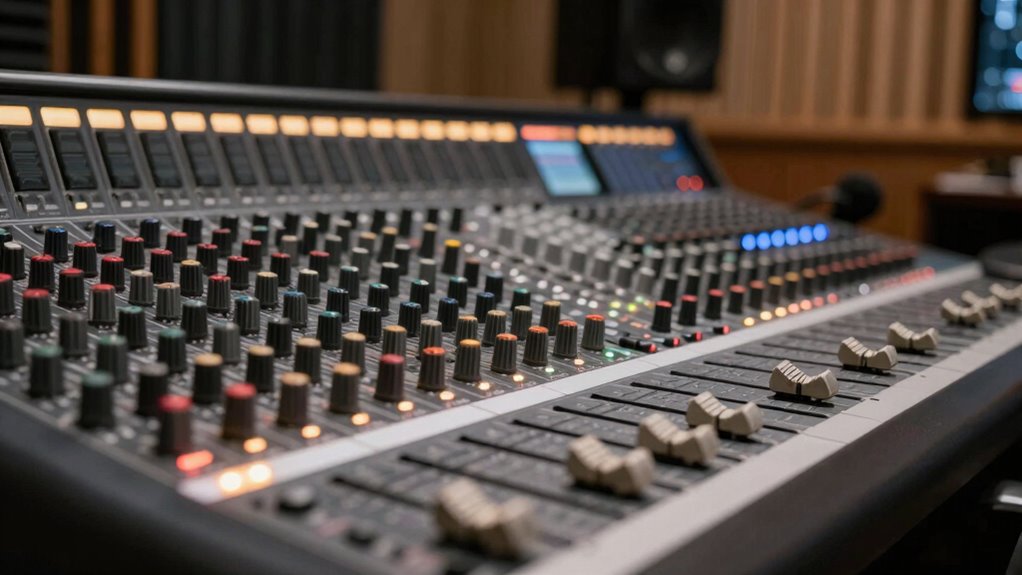
Noise suppression proves most beneficial in environments where background sounds can interfere with communication or concentration. It’s especially useful in spaces needing clear audio, like offices, call centers, or recording studios. In such settings, soundproofing techniques and acoustic treatments help reduce noise, but noise suppression adds an extra layer of clarity. Use it when external noise is unpredictable or loud, such as street traffic or machinery. The table below highlights scenarios where noise suppression excels:
| Situation | Benefit |
|---|---|
| Open-plan offices | Enhances speech clarity amidst chatter |
| Remote work from noisy locations | Improves concentration and communication |
| Recording environments | Minimizes background interference |
Implementing noise suppression alongside acoustic treatments ensures peak sound quality where it matters most.
Potential Downsides and Fatigue From Noise Suppression
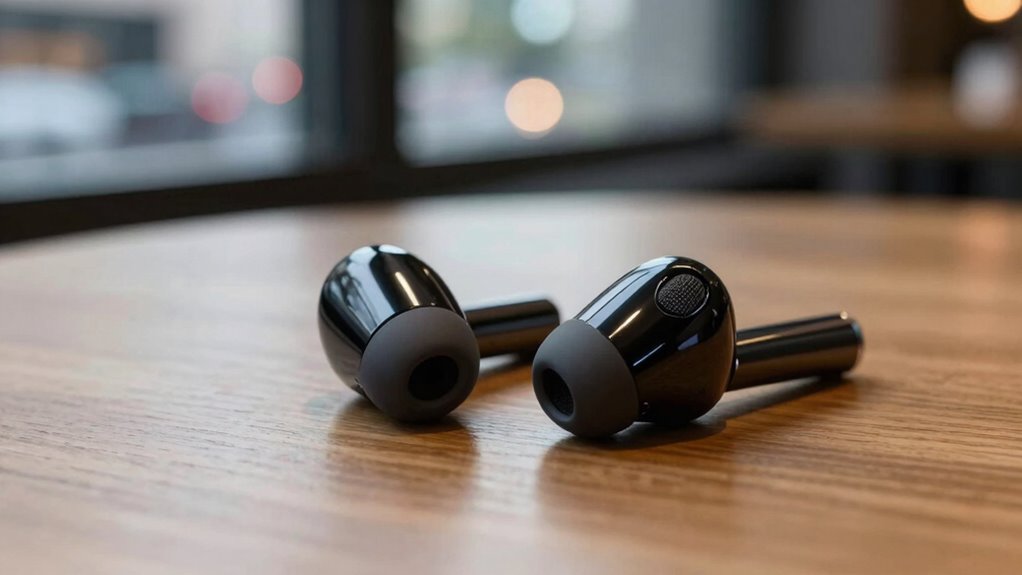
While noise suppression can considerably improve communication and focus in noisy environments, it’s important to recognize potential drawbacks. Overusing it may lead to listener fatigue, as your brain works harder to process sounds or silence. You might also experience cognitive overload, making it difficult to concentrate or stay alert. Imagine:
- Straining to distinguish essential sounds amid the suppression
- Feeling mentally exhausted after extended use
- Missing subtle auditory cues or nuances
- Becoming less aware of your surroundings
- Developing discomfort or irritation from constant filtering
These issues can diminish your overall productivity and comfort. While noise suppression is a powerful tool, excessive reliance can backfire, causing mental fatigue and diminishing your ability to process sounds naturally. Balance and awareness are key to avoiding these downsides.
How to Choose the Right Noise Suppression System
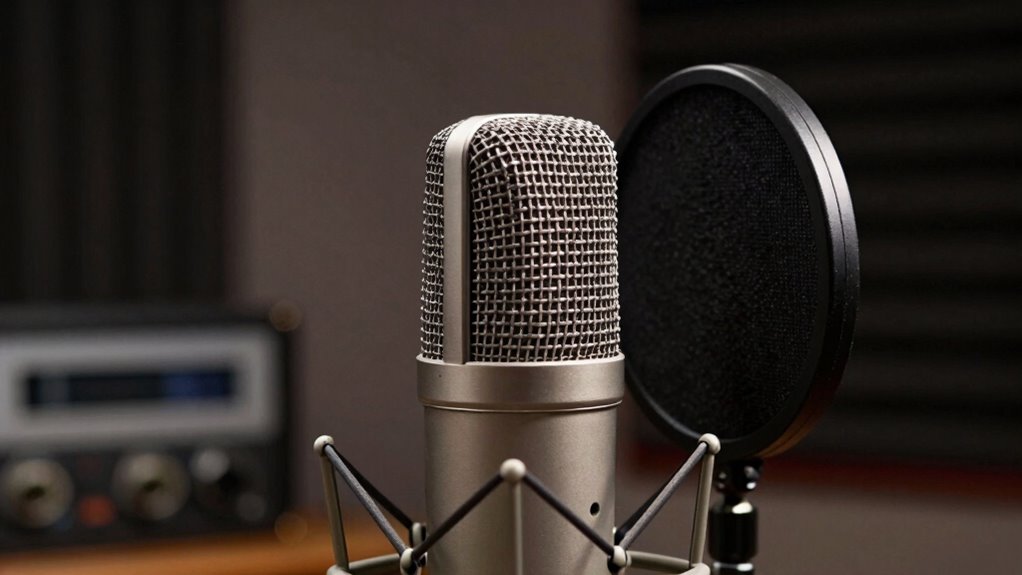
Choosing the right noise suppression system involves considering your specific needs and environment to guarantee it effectively enhances your experience without causing unnecessary fatigue. Focus on noise cancellation features that target the sounds you find most disruptive, whether it’s low-frequency hums or high-pitched chatter. Acoustic filtering helps by selectively blocking or reducing certain noise frequencies while preserving clarity of important sounds. Consider your setting—do you need a system for work, travel, or relaxation? Look for adjustable controls to customize noise suppression levels, ensuring comfort during extended use. Compatibility with your devices and ease of use are also vital. By evaluating these factors, you can select a noise suppression system that provides ideal acoustic filtering without overwhelming your senses or compromising sound quality.
Tips for Using Noise Suppression Effectively Daily
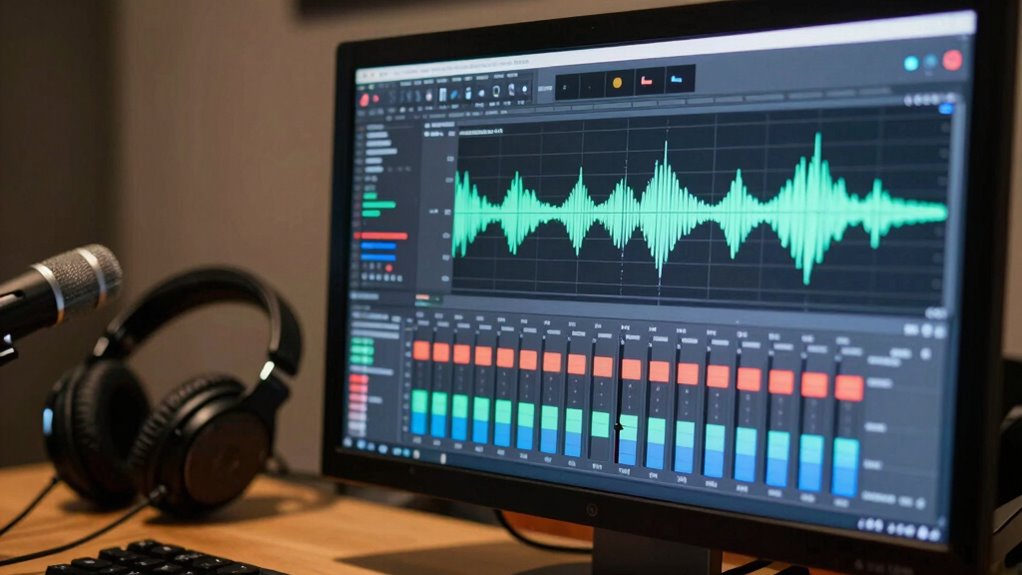
Once you’ve selected the right noise suppression system, using it effectively every day can make a significant difference in your experience. To maximize benefits, consider these tips:
- Adjust settings based on your environment to reduce unnecessary noise.
- Regularly update your device to benefit from the latest technological advancements.
- Use eco-friendly noise suppression tools to minimize environmental impact.
- Limit overuse in situations where awareness is vital to guarantee safety.
- Combine noise suppression with good habits, like maintaining a quiet workspace.
When to Turn Off Noise Suppression for Better Awareness

There are times when turning off noise suppression can actually enhance your awareness of your surroundings. If you’re in an environment with unpredictable environmental noise, such as traffic or conversations, disabling noise suppression helps you stay alert and maintain better situational awareness. When you rely solely on your natural hearing, you can better detect sudden sounds or changes around you, which is vital for safety or quick decision-making. Turning off noise suppression also allows you to pick up important cues like distant voices or alarms that might otherwise be muted. Use this feature selectively, especially in dynamic or unfamiliar settings, to make sure you stay connected to your environment and respond promptly to any potential hazards.
Frequently Asked Questions
Can Noise Suppression Be Used in Emergency Situations?
Yes, noise suppression can be essential in emergency communication, especially during urgent noise reduction. It helps guarantee your messages are clear and easily understood, even in loud or chaotic environments. You should use it when quick, accurate communication is needed to coordinate rescue efforts or inform others about dangers. However, avoid overusing it in situations where background sounds provide critical context, as it might hide important environmental cues.
Does Noise Suppression Affect Speech Recognition Accuracy?
Yes, noise suppression can affect speech recognition accuracy. It often reduces background interference, helping systems better understand your voice. However, if it’s too aggressive, it may cause speech distortion, making words sound unnatural or muffled. This can lead to errors in recognizing speech. To optimize accuracy, find a balance where background interference is minimized without sacrificing clarity, ensuring your voice is captured clearly for the system to interpret.
Are There Health Risks Associated With Prolonged Noise Suppression Use?
Prolonged noise suppression can pose potential health concerns, particularly long-term effects like ear fatigue or reduced awareness of environmental sounds. You might experience discomfort or diminished alertness over time, especially with frequent use. While direct health risks are minimal, it’s wise to take breaks, monitor your comfort, and avoid overusing noise suppression tools. Staying mindful helps prevent possible health hazards linked to long-term effects, ensuring your ears and overall well-being stay protected.
How Does Noise Suppression Impact Hearing Aid Performance?
Noise suppression can improve your hearing aid performance by enhancing hearing comfort and sound clarity, especially in noisy environments. It reduces background noise, allowing you to focus on speech and important sounds. However, if overused or improperly calibrated, it might diminish certain sounds, making it harder to hear subtle cues. Proper adjustment ensures ideal balance, so you enjoy clearer sound without sacrificing awareness of your surroundings.
Can Noise Suppression Be Customized for Individual Hearing Preferences?
Yes, noise suppression can be customized for your individual hearing preferences. You can access personalization options and adjust your hearing profile to better suit your environment and comfort level. By fine-tuning noise suppression settings through hearing profile adjustments, you guarantee a more natural listening experience. This customization helps you focus on speech and reduce unwanted background noise, enhancing overall hearing aid performance and your daily listening comfort.
Conclusion
In the symphony of everyday life, noise suppression is both a shield and a sword. When used wisely, it shields you from chaos, sharpening focus and peace. But overuse can distort sound and dull your awareness, like a fog that clouds your vision. By understanding its limits and applying it thoughtfully, you can tune your environment to harmony—enhancing clarity without losing the essential signals that keep you connected to the world around you.
Halloween Picks
halloween
As an affiliate, we earn on qualifying purchases.