
To protect your smart home today, start by reviewing and disabling unnecessary voice recognition features to prevent storing and sharing data. Change default passwords on your Wi-Fi and smart devices to strong, unique ones, and enable WPA3 encryption if available. Regularly update all firmware and software to patch security gaps, and revoke any unnecessary user permissions. Keep an eye on your privacy policies and stay updated on best practices—there’s more you can do to stay secure.
Key Takeaways
- Disable unnecessary voice recognition and limit data sharing in device privacy settings.
- Change default Wi-Fi passwords and enable WPA3 or WPA2 encryption for secure network access.
- Regularly update device firmware and software to fix security vulnerabilities.
- Create individual user accounts and restrict access to sensitive features.
- Review and adjust app permissions; revoke access for inactive or unknown users.

Philips Wi-Fi Smart Deadbolt Lock, Keyless Entry Door Locks for Front Door
- Multiple Unlock Methods: App, passcode, fingerprint, key, voice
- Remote Access: Control lock remotely via Wi-Fi
- Voice Control Compatibility: Works with Alexa and Google Assistant
As an affiliate, we earn on qualifying purchases.
As an affiliate, we earn on qualifying purchases.
Understanding the Privacy Risks of Your Smart Home Devices
Have you ever thought about what happens to your personal data when you use smart home devices? Many devices collect sensitive information through features like voice recognition, which learns your commands for smoother interactions. However, this data isn’t always secure. Without proper data encryption, your voice recordings and personal details could be vulnerable to hacking or unauthorized access. Some devices transmit data in plain text, making it easier for cybercriminals to intercept and misuse. Recognizing these risks helps you understand the significance of secure data handling. While convenience is great, being aware of how your data is protected—or not—is vital. Staying informed about these privacy risks ensures you can make smarter, safer choices about your smart home setup. Additionally, understanding power safety measures can help protect your devices from electrical hazards that could compromise your security. Being aware of device security best practices is crucial for maintaining your privacy and safeguarding your personal information. Moreover, understanding how electric power is generated and managed can help you prevent potential electrical issues that might affect your smart devices’ performance. Gaining knowledge about smart device data handling can further enhance your overall security awareness.
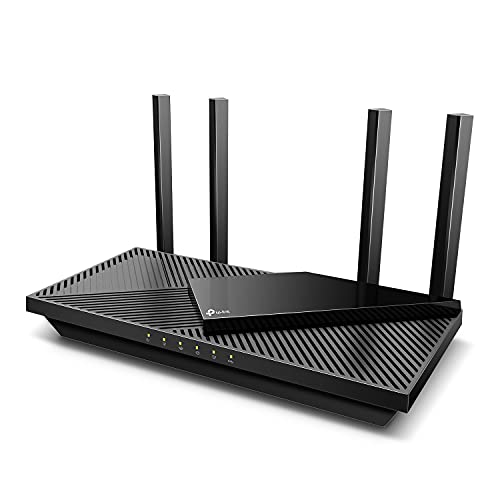
TP-Link Dual-Band AX3000 Wi-Fi 6 Router Archer AX55 | Wireless Gigabit Internet Router for Home | EasyMesh Compatible | VPN Clients & Server | HomeShield, OFDMA, MU-MIMO | USB 3.0 | Secure by Design
- Wi-Fi 6 Dual-Band Speeds: Up to 2402 Mbps on 5 GHz, 574 Mbps on 2.4 GHz
- Optimized for Responsiveness: Supports gaming, streaming, and live feeds
- Enhanced Multi-Device Performance: OFDMA reduces latency and jitter
As an affiliate, we earn on qualifying purchases.
As an affiliate, we earn on qualifying purchases.
Review and Customize Your Smart Home Privacy Settings
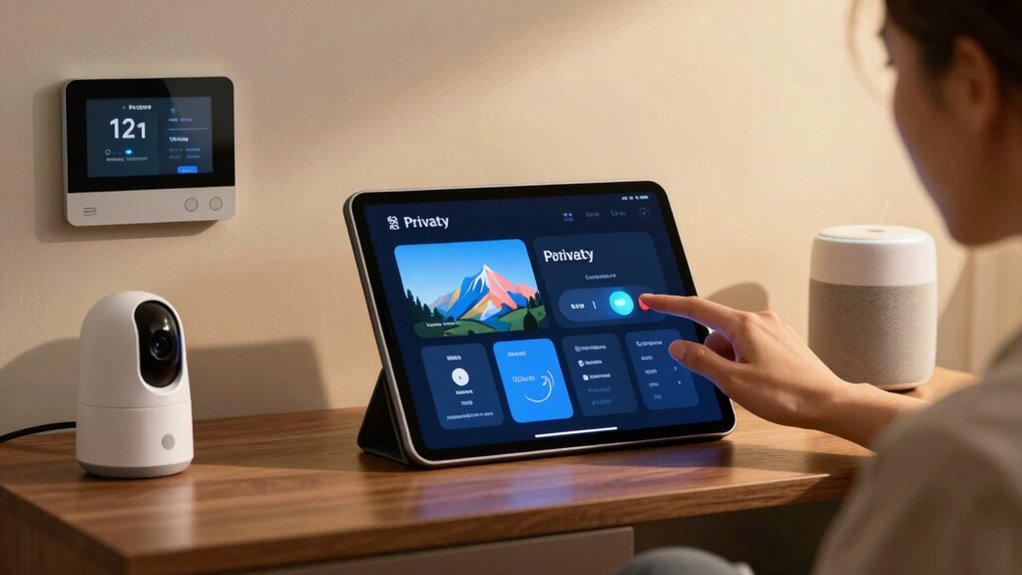
Once you’re aware of the privacy risks associated with your smart home devices, the next step is to review and adjust your privacy settings. Start by disabling voice recognition features if you don’t need them, as they can store and potentially share sensitive audio data. Check your device’s privacy options to limit data collection and sharing. Confirm that data encryption is enabled for all communications between your devices and the cloud, preventing unauthorized access. Review app permissions and revoke any unnecessary access. Regularly update firmware and software to patch security vulnerabilities. Customizing these settings helps protect your personal information and minimizes data exposure. Taking control of your device’s privacy features now can save you headaches later. For additional security, consult store return policies and hours to understand how device returns and support might assist with privacy concerns. Be sure to also review privacy settings regularly, as updates and new features can alter your device’s data sharing capabilities. Staying informed about regional regulations and local laws can also help you better understand your rights and options regarding data privacy. Additionally, understanding smart device security best practices can further enhance your overall privacy protection.
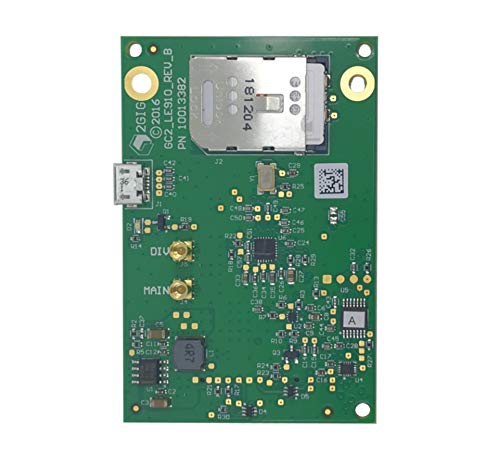
2GIG 2GIG-LTEV1-A-GC2 GC2 4G LTE CAT1 Cell Radio Module with Alarm.com, Works with Verizon Network, US Only, Includes 2 (Two) LTE Antennas
- Network Compatibility: Works with Verizon Network
- Firmware Requirement: Requires FW v1.19.1 or newer
- GC2E Compatibility: Requires FW v1.21 or newer
As an affiliate, we earn on qualifying purchases.
As an affiliate, we earn on qualifying purchases.
Secure Your Wi-Fi Network and Smart Hub
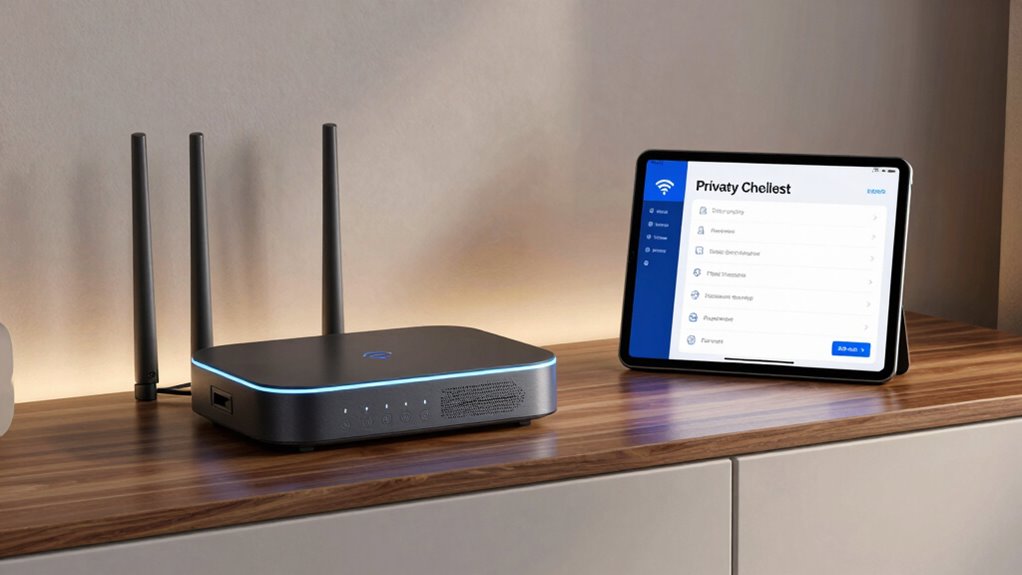
Are you confident your Wi-Fi network and smart hub are protected from intruders? Securing your network is vital to prevent unauthorized access and protect your smart home devices. Start by changing default passwords to strong, unique ones. Enable WPA3 encryption if available; if not, use WPA2 to guarantee data encryption for your network traffic. Consider hiding your SSID to make your network less visible. If your smart hub uses voice recognition, verify it’s configured securely to prevent eavesdropping. Regularly update your router’s firmware and smart hub software to patch vulnerabilities. Implementing secure network protocols further enhances your protection against cyber threats. Additionally, reviewing your privacy policies can help you understand how your data is managed and secured. To stay ahead of potential security issues, it’s also recommended to monitor network activity regularly for any suspicious device connections. Incorporating proper network segmentation can also limit the impact if a device is compromised, adding an extra layer of security. Being aware of cybersecurity best practices can further strengthen your overall smart home security.

TINGYI Webcam/Camera Covers Privacy Stickers for Lens Privacy Protection- 3 Sizes 2 Styles – 100 Black Ultra Glossy Privacy Stickers -Removable and Reusable Laptop's Webcam Sticker
- Includes 100 privacy stickers: Three sizes and two styles
- Removable and reusable design: No sticky residue, water resistant
- Universal compatibility: For laptops, phones, tablets, and more
As an affiliate, we earn on qualifying purchases.
As an affiliate, we earn on qualifying purchases.
Manage User Permissions and Control Access
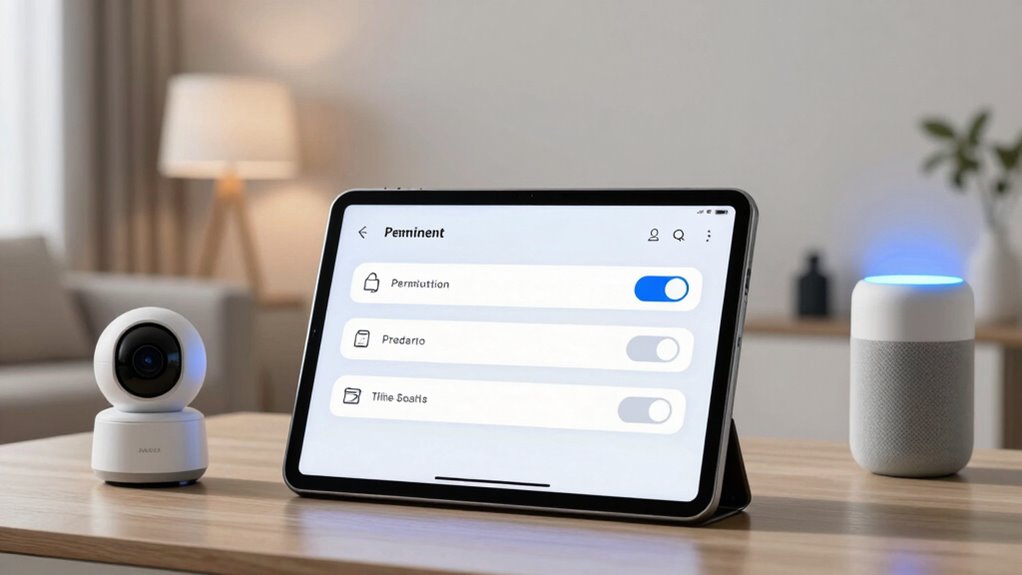
After securing your Wi-Fi network and smart hub, it’s important to control who can access your devices. Managing user permissions ensures that only trusted individuals can interact with your smart home. To do this effectively, consider these steps:
- Limit user access by creating unique accounts for family members and guests.
- Use permission control to restrict access to sensitive features or settings.
- Regularly review and update user access to remove inactive or unauthorized users.
- Incorporate best practices for user management to maintain a secure and efficient smart home system. Understanding Free Floating concepts can help you optimize your setup by reducing unnecessary clutter and ensuring a streamlined access process. Ensuring proper device security protocols can help prevent unauthorized access and protect your privacy. Additionally, implementing water-resistant features in smart devices can enhance durability and security in environments prone to moisture or water exposure. Regularly applying security updates to your devices further strengthens your system against potential vulnerabilities.
Keep Firmware Updated and Review Privacy Policies Regularly
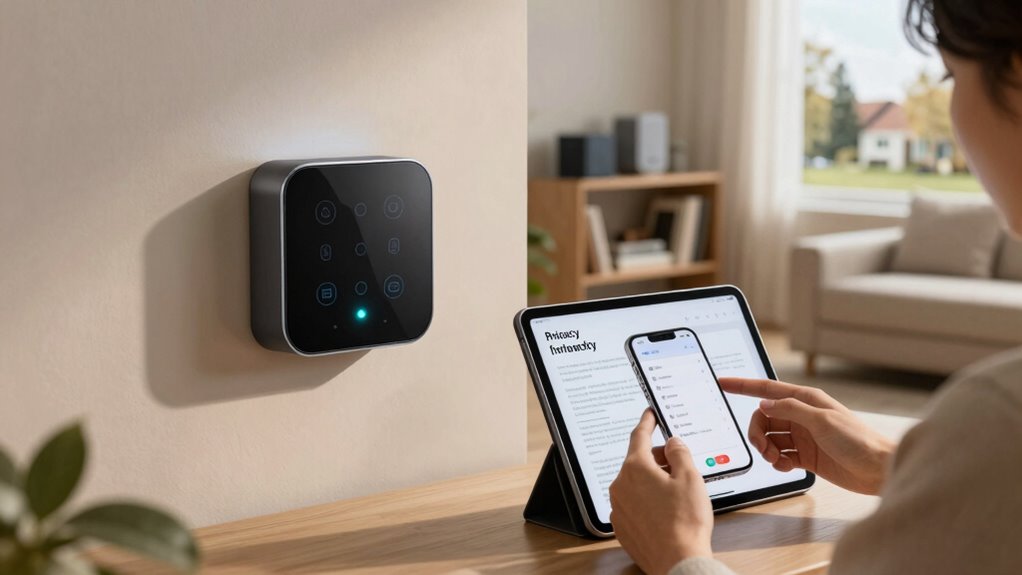
Keeping your device firmware up to date is essential because manufacturers regularly release updates that patch security vulnerabilities and improve functionality. These updates often include critical data encryption enhancements that protect your information. Additionally, reviewing privacy policies ensures you understand how your data is handled and whether vendors maintain transparency about their practices. Regular updates and policy reviews help you stay informed and in control of your privacy. Monitoring standby generator specifications and regulatory standards also ensures your data center remains compliant and secure.
Frequently Asked Questions
How Can I Identify Which Devices Collect the Most Personal Data?
To identify which devices collect the most personal data, check their privacy settings and user agreements. Devices that request extensive permissions or data often gather more personal info. Look for features like data encryption and ask if they require user consent before sharing data. You can also review device activity logs or privacy reports to see what data is being collected, giving you control over your personal information and ensuring your privacy is protected.
Are There Any Specific Brands Known for Better Privacy Practices?
When it comes to brands with better privacy practices, some stand out by prioritizing user data security. You’ll want to look for companies that limit third-party integrations and use strong data encryption. Brands like Apple and Samsung often lead the charge, but always do your homework. Remember, even the best can slip up, so stay vigilant and keep your privacy settings tight as a drum to protect your personal info.
Can I Completely Disable Data Sharing Without Losing Device Functionality?
Yes, you can usually disable data sharing without losing device functionality by adjusting settings related to data encryption and user permissions. Check your device’s privacy options to turn off data sharing features, ensuring data encryption remains active for security. You may need to modify user permissions to restrict data flow, but most smart devices retain core functions when you disable data sharing, maintaining usability while protecting your privacy.
What Are the Signs of a Compromised Smart Home Device?
If your smart home device is compromised, you might notice unusual behavior, slow responses, or unexpected network activity. Check for signs like unauthorized access or strange data transmissions. To protect yourself, make certain encryption protocols are in place and keep firmware updates current. These updates often patch security vulnerabilities, preventing potential breaches. Regularly monitoring your device’s activity and promptly applying updates help maintain your smart home’s security and detect any signs of compromise early.
How Do I Verify the Authenticity of a Smart Home Privacy Policy?
To verify a smart home privacy policy’s authenticity, first, read the policy carefully for clear explanations of data encryption and user consent. Look for transparency about how your data is collected, stored, and shared. Trust policies that emphasize strong data encryption methods and explicitly require your informed user consent before collecting sensitive information. If anything seems vague or overly complex, consider reaching out to the provider for clarification before proceeding.
Conclusion
By taking these simple steps, you’re building a fortress around your smart home, keeping unwanted eyes out. Think of your privacy settings as the gates and walls of your digital castle—regularly reviewing and updating them guarantees your home stays safe and secure. Don’t let your smart devices become open books; control who has access and stay vigilant. With these proactive measures, you’ll enjoy the convenience of your smart home without risking your privacy.