
TL;DR

Get the latest gadgets delivered free with Prime
- Fast, free delivery on millions of items
- Prime Video, Amazon Music and more included
- Member-only deals all year
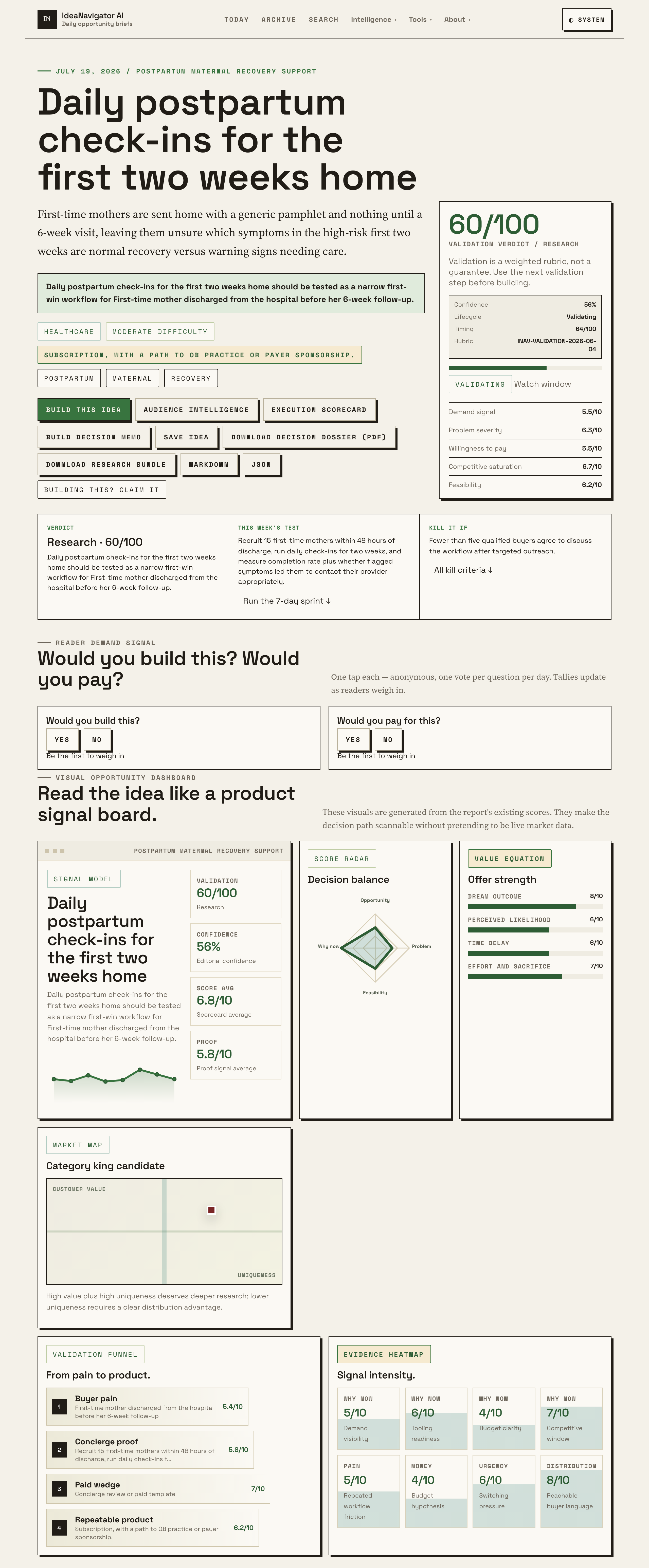
A pilot program is launching to implement daily postpartum check-ins for first-time mothers within the first two weeks after hospital discharge. The goal is to identify recovery issues early and improve maternal health outcomes.
Researchers are launching a pilot program to test daily postpartum check-ins for first-time mothers during the first two weeks after hospital discharge, aiming to improve recovery monitoring and reduce postpartum complications.
The initiative targets first-time mothers discharged before their six-week follow-up, a period identified as high-risk due to the lack of structured support. Currently, new mothers typically receive only a generic pamphlet, with no routine contact until their scheduled six-week appointment, leaving many unsure about normal recovery versus warning signs.
The proposed workflow involves an onboarding process that creates a personalized recovery profile based on delivery details, feeding method, and mental health baseline. This profile would then generate daily targeted check-ins via a smartphone app, prompting mothers to report symptoms and receive tailored recovery tips. If concerning symptoms are flagged, mothers would be encouraged to contact their healthcare provider promptly.
This approach is motivated by increased awareness of postpartum health gaps and the widespread use of smartphones, which make daily, personalized contact feasible. The program will be tested by recruiting 15 first-time mothers within 48 hours of discharge, with success measured through adherence rates and the appropriateness of provider contact prompted by flagged symptoms.
Potential Impact on Postpartum Care Quality
This initiative could significantly improve postpartum recovery by providing timely, personalized support during the vulnerable first two weeks. Early detection of complications may reduce hospital readmissions and improve maternal health outcomes, especially for first-time mothers who often lack immediate professional guidance.
If successful, the program could pave the way for broader adoption of digital postpartum support models, integrating with existing healthcare systems through subscriptions or insurance sponsorships, ultimately enhancing postpartum care standards nationwide.
As an affiliate, we earn on qualifying purchases.
Current Gaps in Postpartum Monitoring Practices
Most new mothers are discharged from hospitals with minimal guidance beyond a pamphlet, and routine follow-up occurs only at six weeks postpartum. This gap leaves a critical window of high risk—particularly in the first two weeks—where symptoms such as infections, bleeding, or mental health issues may go unnoticed or untreated.
Recent maternal health campaigns have highlighted the dangers of this gap, prompting interest in innovative solutions. Smartphone-based check-ins have emerged as a promising approach, leveraging technology to provide continuous, personalized support without requiring in-person visits.
Previous studies suggest that early, targeted interventions can improve postpartum outcomes, but large-scale implementation remains limited. The current pilot aims to gather data on feasibility, engagement, and impact, laying groundwork for future integration into standard postpartum care.
“Daily check-ins could transform postpartum care by catching warning signs early and providing mothers with tailored recovery support.”
— an anonymous researcher
As an affiliate, we earn on qualifying purchases.
Uncertainties About Pilot Outcomes and Scalability
It is not yet clear how many mothers will adhere to the daily check-ins or how effectively flagged symptoms will prompt appropriate provider contact. The pilot’s small sample size limits immediate generalizability, and questions remain about long-term sustainability, cost, and integration with existing healthcare systems.
Further research will be needed to determine whether this approach can be scaled effectively and whether it leads to measurable improvements in postpartum health outcomes across diverse populations.
As an affiliate, we earn on qualifying purchases.
Next Steps for Pilot Implementation and Evaluation
The pilot program is expected to commence within the next few months, recruiting 15 first-time mothers shortly after discharge. Researchers will monitor engagement, symptom reporting, and subsequent healthcare contacts over a two-week period. Results will inform adjustments to the workflow and support broader studies to assess efficacy and cost-effectiveness.
If positive, plans include expanding recruitment, integrating the system into standard postpartum protocols, and exploring partnerships with healthcare providers and payers to support wider adoption.
As an affiliate, we earn on qualifying purchases.
Key Questions
How will the daily check-ins be personalized for each mother?
The onboarding process will gather information about delivery details, feeding method, and mental health baseline to create a recovery profile, which will guide tailored check-in questions and tips.
What symptoms will the check-ins screen for?
The check-ins will focus on symptoms such as excessive bleeding, signs of infection, severe pain, mood changes, and other indicators of postpartum complications.
Will this program replace in-person postpartum visits?
No, it is designed to complement existing care by providing additional support during the first two weeks, not replace scheduled in-person follow-ups.
How will mothers be encouraged to contact their healthcare providers if needed?
The system will flag concerning symptoms and prompt mothers to seek medical advice, with clear guidance on how to contact their providers promptly.
Is participation in the pilot program voluntary?
Yes, mothers will choose to participate, and informed consent will be obtained before enrollment.
Source: IdeaNavigator AI
Halloween Picks
halloween
As an affiliate, we earn on qualifying purchases.