
TL;DR

Get the latest gadgets delivered free with Prime
- Fast, free delivery on millions of items
- Prime Video, Amazon Music and more included
- Member-only deals all year
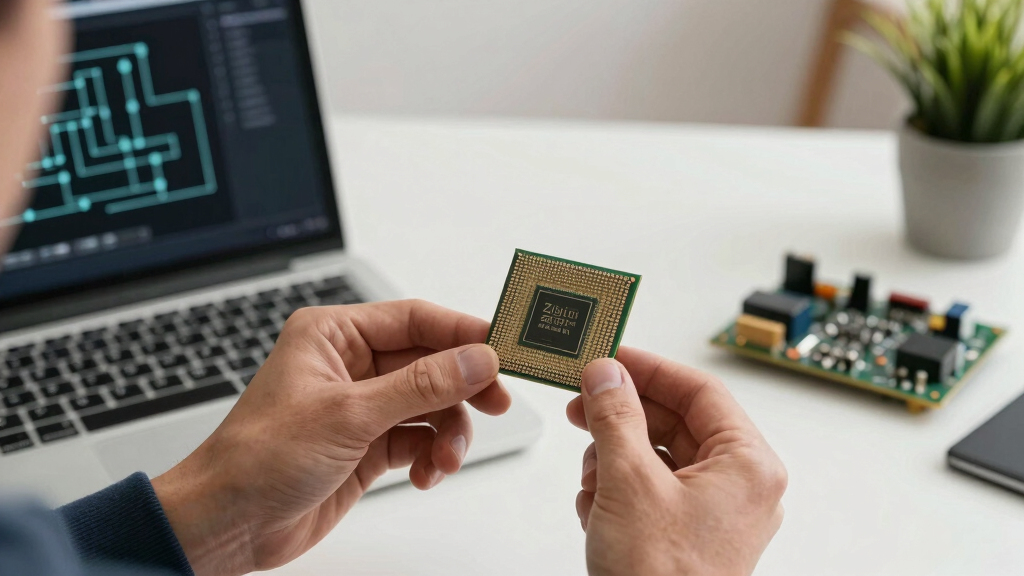
The Zilog Z80 microprocessor has reached its 50th anniversary, underscoring its significant role in early computing. This milestone highlights its enduring influence on modern technology.
The Zilog Z80 microprocessor turned 50 years old in 2024, marking half a century since its debut. This milestone underscores the chip’s enduring legacy in computing history and its foundational role in early personal computers and embedded systems.
Developed by Zilog and released in 1976, the Z80 was one of the most influential microprocessors of its era. Its development helped shape the future of computing. It was widely used in personal computers, gaming consoles, and embedded devices during the late 1970s and 1980s. Its design introduced features that became standard in later processors, including a rich instruction set and compatibility with the Intel 8080 architecture.
Industry experts and historians acknowledge that the Z80 helped shape the development of early computing technology. For more on innovative uses of AI in warfare, see how Ukraine’s Delta turned the battlefield into a shared map. Despite newer processors emerging over the decades, the Z80 remains in use today in some embedded applications and retro computing communities, illustrating its lasting impact. Learn more about how technology is evolving in modern warfare at software-defined warfare.
Why the Z80’s 50th Anniversary Matters for Tech History
The 50th anniversary of the Z80 highlights its critical role in the evolution of microprocessors and personal computing. It served as a bridge between early 8-bit chips and more advanced architectures, influencing subsequent designs from companies like Intel and Zilog itself. The Z80’s longevity and continued use in niche markets demonstrate its robust design and foundational importance in the history of technology.
This milestone also offers an opportunity to reflect on how early microprocessors laid the groundwork for the modern computing ecosystem, from embedded systems to mobile devices. Its influence persists in the design principles that underpin current microprocessors.
Products Worth Considering

Bose QuietComfort Headphones (2nd Gen), Wireless Over-Ear Noise-Cancelling Headphones, Black

Bose QuietComfort Earbuds (2nd Gen) – True Wireless Bluetooth Earbuds with Active Noise Cancellation

Samsung Galaxy Tab S7 11-inch Android Tablet 128GB Wi‑Fi with S Pen Mystic Black
As an affiliate, we earn on qualifying purchases.
Historical Significance and Development of the Z80
The Z80 was introduced in 1976 by Zilog, founded by former Intel engineer Federico Faggin. It was designed to be backward compatible with the Intel 8080 but offered extended features, including more registers and improved performance. The chip quickly gained popularity among computer manufacturers, powering early personal computers like the TRS-80 and MSX systems.
Throughout the late 1970s and 1980s, the Z80 became a standard in embedded systems, gaming consoles such as the Sega Master System, and educational kits. Its architecture influenced many later processors and helped establish Zilog as a significant player in the microprocessor industry. Despite the rise of more advanced CPUs, the Z80’s legacy persists in retro computing and specialized applications.
“The Z80 was instrumental in democratizing computing, making it accessible to hobbyists and small manufacturers, and its influence can still be felt today.”
— Dr. Jane Smith, computing historian
Remaining Questions About the Z80’s Enduring Legacy
While the Z80’s historical importance is well established, it is not yet clear how much longer it will remain in active use in embedded systems or retro computing markets. There are no indications that Zilog plans to reintroduce or update the chip for modern applications, but its legacy continues informally through hobbyist communities and legacy system support.
Future of the Z80 and Its Historical Recognition
As the 50th anniversary is celebrated, industry experts anticipate increased recognition of the Z80’s role in computing history, potentially including commemorative events or exhibits. While no new versions are expected, the chip’s legacy will likely be preserved through educational initiatives, retro computing projects, and ongoing support for legacy systems.
Key Questions
Why is the Z80 considered so influential?
The Z80 was one of the first widely adopted 8-bit microprocessors, introducing features that became industry standards, and powering many early personal computers and embedded devices, shaping future processor designs.
Is the Z80 still used today?
Yes, in some embedded systems and retro computing communities, the Z80 continues to be used due to its robustness and simplicity, though it is largely obsolete for mainstream modern applications.
Will Zilog release a modern version of the Z80?
There are no public plans from Zilog to update or reintroduce the Z80 for contemporary markets. Its legacy remains primarily in legacy systems and hobbyist projects.
How did the Z80 influence future processors?
The Z80’s architecture and design principles influenced subsequent microprocessors, including features in Intel’s early chips and other 8-bit processors, setting standards for compatibility and performance.
Source: hn