TL;DR

Get the latest gadgets delivered free with Prime
- Fast, free delivery on millions of items
- Prime Video, Amazon Music and more included
- Member-only deals all year
Micron, the leading U.S. memory chip maker, reported a fourfold increase in revenue and a substantial profit rise, benefiting from the ongoing memory shortage driven by AI demand. The company also secured new deals with AI labs.
Micron, the largest U.S. producer of computer-memory chips, announced a record-breaking third quarter, with revenue quadrupling to $41.45 billion and profits soaring to $28.2 billion, driven by the global memory chip shortage caused by surging AI demand.
Micron’s shares increased by more than 13% following the announcement, with the stock closing at $1,048.51. The company reported a significant turnaround from early 2024, when shares traded around $83 with a market cap of approximately $91 billion. The latest earnings reflect the impact of the ongoing shortage of memory chips, a critical component for AI and high-performance computing, which is expected to persist through 2027.
In addition to the strong financial results, Micron provided a positive outlook for the upcoming quarter, projecting revenue between $49 billion and $51 billion. The company also disclosed a new deal to supply AI lab Anthropic with memory and storage chips, and confirmed participation in Anthropic’s Series H funding round, although specific investment details were not disclosed.
Why Micron’s Earnings Signal a Market Shift
The company’s record financial performance underscores how the current memory chip shortage, driven by AI industry growth, is benefiting certain manufacturers. Micron’s surge highlights the strategic importance of memory components in AI development, and its success could influence supply chain dynamics and pricing trends across the tech industry.
This development is significant for investors, consumers, and tech companies, as it demonstrates how supply constraints can create opportunities for established players while potentially leading to higher prices for end-users.
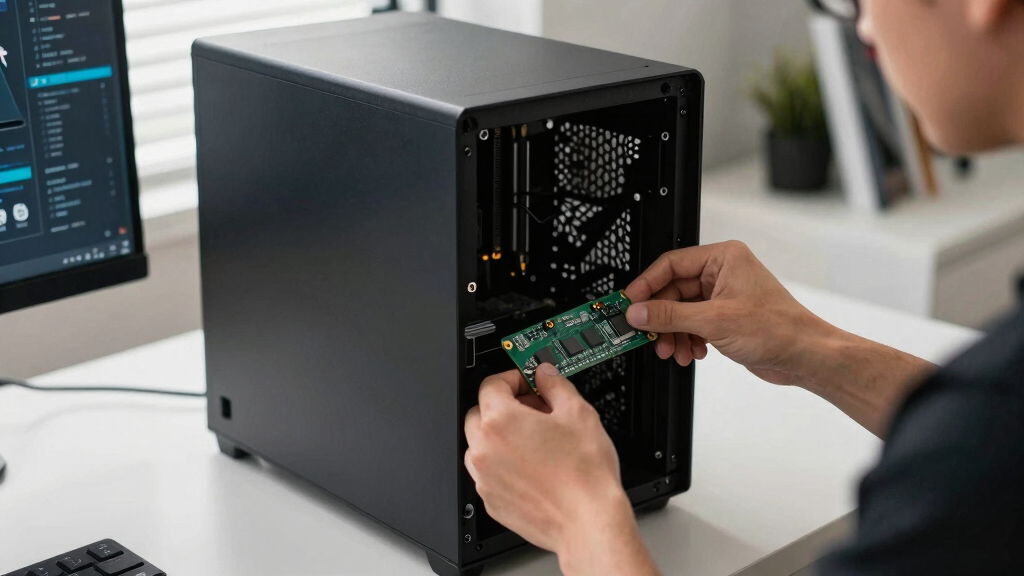
high performance computer memory modules
As an affiliate, we earn on qualifying purchases.
As an affiliate, we earn on qualifying purchases.
Memory Chip Shortage and AI Industry Boom Drive Revenue
The global demand for memory chips has surged due to the rapid expansion of AI applications, prompting shortages that are expected to last through 2027. This shortage has led to rising prices and increased profits for chip manufacturers like Micron, which has expanded its market share during this period.
Historically, Micron’s shares traded around $83 in early 2024, with a market cap of about $91 billion. The recent earnings report marks a dramatic shift, reflecting the supply-demand imbalance and the company’s strategic positioning to capitalize on the shortage.
“Micron’s recent earnings reflect the profound impact of the memory chip shortage, driven by AI industry demand, which has turned into a significant profit opportunity.”
— an anonymous researcher
As an affiliate, we earn on qualifying purchases.
Unclear Duration of Market Advantage
It remains uncertain how long Micron’s current profit trajectory will last, as supply-demand dynamics could change if new chip manufacturing capacities come online or if AI demand stabilizes. Additionally, the company’s future investments and potential market competition are still developing factors.
As an affiliate, we earn on qualifying purchases.
Upcoming Supply Chain Developments and Earnings
Micron is expected to continue expanding its production capacity and securing additional AI-related contracts. Investors will closely monitor upcoming quarterly earnings reports and industry supply chain updates to assess whether the current market advantage persists.
As an affiliate, we earn on qualifying purchases.
Key Questions
Will the memory chip shortage continue through 2027?
Industry forecasts suggest the shortage may persist through 2027 due to sustained demand from AI and high-performance computing sectors, but exact timelines remain uncertain.
How is Micron’s success affecting other chip manufacturers?
While Micron benefits from the shortage, competitors may face similar supply constraints or attempt to increase capacity, which could alter market dynamics in the coming months.
What does this mean for consumers and tech prices?
Rising memory chip prices can lead to higher costs for consumer electronics, including smartphones and PCs, as companies pass on increased component costs to consumers.
Could this profit surge be temporary?
Yes, if supply increases or AI demand stabilizes, Micron’s current profit margins might diminish. The longevity of this boom depends on market supply and technological developments.
Source: TechCrunch
Columbus Day / Indigenous Peoples' Day Picks
long weekend sales
As an affiliate, we earn on qualifying purchases.