
TL;DR

Get the latest gadgets delivered free with Prime
- Fast, free delivery on millions of items
- Prime Video, Amazon Music and more included
- Member-only deals all year
The U.S. Department of Justice has issued subpoenas to major tech and retail companies seeking personal data on over 100,000 users of EZ Lynk’s Auto Agent app. This move aims to identify individuals involved in vehicle emissions modifications, sparking privacy debates and legal challenges.
The U.S. Department of Justice has demanded personal data from Apple, Google, Amazon, and Walmart for over 100,000 users of EZ Lynk’s Auto Agent app, intensifying a legal dispute over vehicle emissions controls.
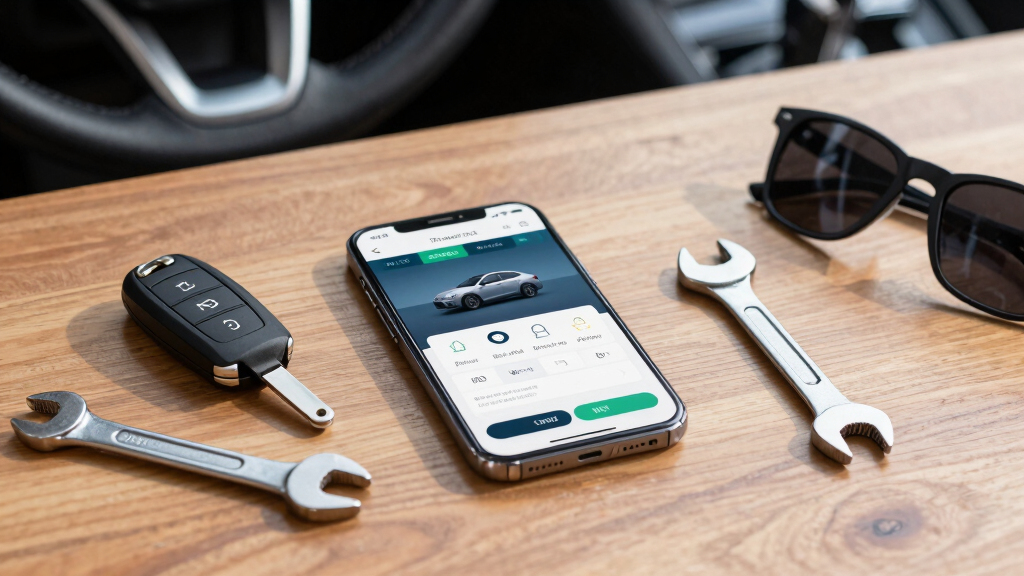
The DOJ issued subpoenas in March and April 2026 targeting download and account data from Apple and Google, as well as purchase records from Amazon and Walmart related to EZ Lynk’s hardware and app. The aim is to identify and interview users allegedly employing the app to disable emissions controls on diesel vehicles, a practice EZ Lynk denies facilitating intentionally.
EZ Lynk is accused of violating the Clean Air Act by marketing tools that enable defeat devices, though the company claims its products are primarily for diagnostics, vehicle monitoring, and legitimate modifications. The subpoenas reportedly seek data on more than 100,000 users, with authorities citing social media and forum evidence suggesting some employed the app for emissions-related purposes.
Why It Matters
This case underscores the growing tension between vehicle modification rights and environmental regulation enforcement. The broad data requests raise privacy concerns, especially given the potential for individuals to be swept into legal investigations for routine diagnostics or tuning activities. The outcome could influence how digital data is used in regulatory enforcement and impact the right-to-repair movement.
As an affiliate, we earn on qualifying purchases.
Background
The legal battle began in 2021 when the DOJ sued EZ Lynk, accusing it of selling defeat devices. EZ Lynk denies wrongdoing, asserting its products serve legitimate purposes. Previous legal efforts to shield the company under Section 230 were rejected in 2025, allowing the case to proceed. The current subpoenas reflect increased government efforts to trace app usage through app store and hardware purchase data, with similar precedents, like a 2019 demand for gun-scope app data, indicating a trend toward digital surveillance in enforcement actions.
“The subpoenas constitute an overreach that exceeds what is necessary for the case and violate Fourth Amendment protections.”
— EZ Lynk’s legal team
“Requiring personal data on all app users without specific suspicion raises serious privacy concerns and risks exposing individuals who merely downloaded diagnostic tools.”
— Privacy advocacy groups
“This case could set a significant precedent for how app store and hardware data are used in regulatory investigations, especially related to vehicle modifications.”
— Legal expert
As an affiliate, we earn on qualifying purchases.
What Remains Unclear
It is not yet clear whether Apple, Google, Amazon, and Walmart will challenge the subpoenas successfully or how the courts will interpret the privacy concerns involved. The precise scope of the data to be handed over and the potential legal repercussions for individual users remain uncertain as the case develops.
car emissions modification device
As an affiliate, we earn on qualifying purchases.
As an affiliate, we earn on qualifying purchases.
What’s Next
Next steps include legal responses from the targeted companies, possible court hearings on the scope of the subpoenas, and potential rulings that could define limits on government data requests related to app usage. The case may also influence future policies on digital privacy and vehicle modification enforcement.
As an affiliate, we earn on qualifying purchases.
Key Questions
Why is the DOJ interested in EZ Lynk’s app users?
The DOJ aims to identify individuals who may have used the app to disable emissions controls, which could violate environmental laws like the Clean Air Act.
Could this lead to criminal charges against users?
It is too early to determine; the investigation is ongoing, and the DOJ has not announced any charges yet.
What privacy concerns are raised by these subpoenas?
Privacy advocates worry that broad data requests could expose users who only engaged in routine diagnostics or vehicle tuning, without any illegal intent.
How might this case affect other app-based tools for vehicle modifications?
This case could set a precedent for how government agencies access and use digital data related to vehicle modifications, potentially impacting the right to repair and user privacy rights.
Columbus Day / Indigenous Peoples' Day Picks
long weekend sales
As an affiliate, we earn on qualifying purchases.