
📊 Full opportunity report: Women’s Health Radar on IdeaNavigator AI — validation score, market gap, and execution plan.
TL;DR
A digital health startup is developing a mobile app to detect early perimenopause symptoms in women aged 40-58. The tool uses symptom logging, wearable data, and AI to flag potential transition stages, aiming to improve diagnosis and care access.
The development of a new digital health platform is currently underway, focusing on early detection of perimenopause symptoms in women aged 40-58. This tool leverages symptom tracking and AI analysis to identify potential transition stages, aiming to address the longstanding underdiagnosis and misattribution of symptoms such as hot flashes, mood changes, and sleep disruption. The initiative reflects a growing trend in femtech toward proactive, digital menopause care, with potential benefits for women and employer-funded health benefits.
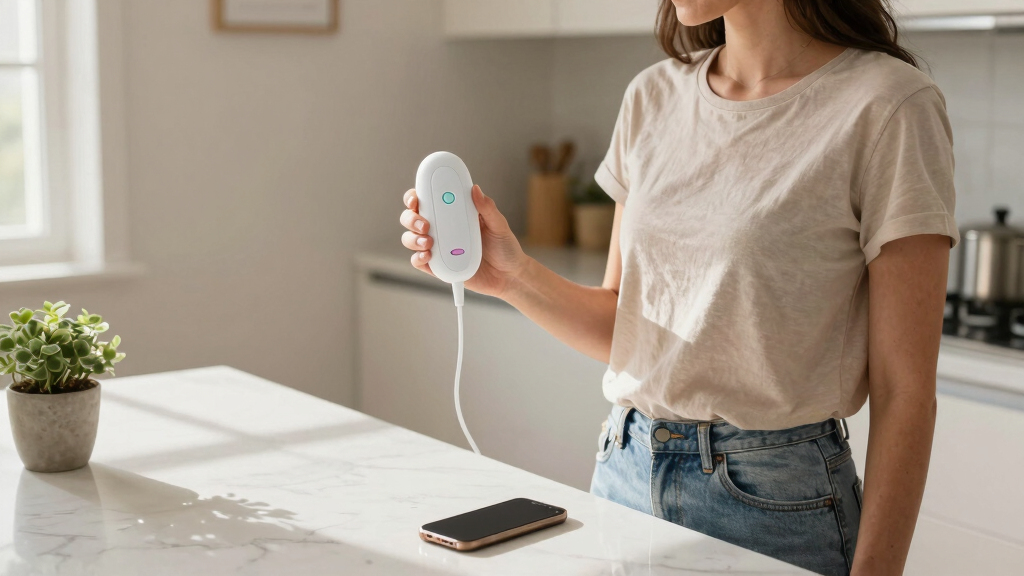
The initiative involves creating a mobile app where women log daily symptoms like sleep quality, mood, menstrual cycles, hot flashes, and energy levels. Optional wearable data may also be integrated. The app uses rules-based algorithms combined with machine learning to compare logged patterns against validated symptom scales for perimenopause, flagging likely transition signals early. It then generates a shareable, clinician-ready symptom summary and suggests routing women to covered telehealth or local menopause specialists. The outputs are positioned as educational and pattern-detection tools, not diagnostic devices.
The project is currently in a validation phase, with a 4-6 week landing page and waitlist test targeting women aged 40-55. You can also check the Chicago weather forecast for relevant weather alerts. The test measures engagement through quiz completion, ongoing symptom tracking, and requests for clinician summaries or telehealth referrals. A successful signal would be if more than 25% of quiz takers opt into ongoing tracking and over 10% request referrals, indicating market interest and usability.
Funding models include a freemium subscription for consumers, offering premium insights, exportable reports, and coaching, alongside licensing arrangements with employers and health plans funding menopause benefits. For more on related funding opportunities, see the grant deadline radar for arts nonprofits. The approach aims to improve early detection, reduce attrition and absenteeism, and facilitate timely care, potentially transforming menopause management and employer health strategies.
Implications for Women and Workplace Health Programs
This development could significantly improve early detection of perimenopause, reducing the years women spend undiagnosed and untreated. By providing accessible digital tools, it addresses gaps in primary care and clinician training, offering women a proactive way to understand their symptoms. For employers and insurers, the tool may help reduce attrition and absenteeism linked to menopausal symptoms, supporting workforce retention and health cost management. The initiative exemplifies a shift toward digital, consumer-driven health solutions in femtech, with potential to reshape menopause care pathways.
women's perimenopause symptom tracker app
As an affiliate, we earn on qualifying purchases.
As an affiliate, we earn on qualifying purchases.
Growing Interest and Market for Digital Menopause Solutions
Menopause has transitioned from a taboo topic to a rapidly expanding segment within femtech, with companies like Midi Health reaching a $1 billion valuation in February 2026. Most major PPO insurers now cover virtual menopause consultations, reflecting increased recognition of menopause as a key health issue. Advances in consumer wearables, validated digital symptom scales, and AI pattern recognition have made early detection of perimenopause increasingly feasible. Despite this progress, many women remain undiagnosed due to limited clinician training and symptom misattribution, highlighting the need for accessible digital tools.
The proposed women’s health radar aims to fill this gap by providing a scalable, user-friendly solution that can be integrated into existing health benefit programs. Its success depends on validation through initial testing phases and acceptance by women and healthcare providers.
“Early detection of perimenopause through digital symptom monitoring could transform women’s health management and workplace well-being.”
— an anonymous researcher
wearable devices for menopause symptoms
As an affiliate, we earn on qualifying purchases.
As an affiliate, we earn on qualifying purchases.
Unclear Aspects of Digital Perimenopause Detection
It is not yet confirmed how accurately the app’s algorithm will identify true perimenopause signals compared to clinical diagnosis. The effectiveness of the symptom scales and AI pattern detection in diverse populations remains to be validated. Additionally, user engagement and adherence over longer periods are still uncertain, as is the willingness of women to share symptom data with employers or insurers. The impact of integrating wearable data and the potential for false positives or negatives require further testing and refinement.
As an affiliate, we earn on qualifying purchases.
Next Steps for Validation and Market Adoption
The project will proceed with the planned 4-6 week landing page test, measuring engagement and referral requests. If the initial signals indicate strong interest and usability, the team will move toward developing a functional prototype for broader clinical validation. Simultaneously, partnerships with healthcare providers and insurers will be explored to facilitate integration into existing benefit programs. The long-term goal is to launch a full product offering, supported by ongoing research into algorithm accuracy and user outcomes.
As an affiliate, we earn on qualifying purchases.
Key Questions
How will this women’s health radar improve menopause diagnosis?
The radar uses symptom logging, wearable data, and AI analysis to identify patterns indicative of perimenopause, enabling earlier and more accurate detection than current standard practices.
Is this tool intended to replace clinical diagnosis?
No, the outputs are positioned as educational pattern detection tools that help women and providers decide on next steps, not as diagnostic devices.
How will the tool be funded and accessed?
It will operate on a freemium subscription model for consumers, with additional licensing and referral arrangements with employers and health plans funding menopause benefits.
What are the privacy implications of sharing symptom data?
Data privacy will be a key concern, with plans to ensure secure data handling and transparent user consent, especially if sharing with employers or insurers.
When will the full product be available?
The timeline depends on validation results; if successful, broader clinical validation and product development are expected over the next year.
Source: IdeaNavigator AI