
TL;DR

Get the latest gadgets delivered free with Prime
- Fast, free delivery on millions of items
- Prime Video, Amazon Music and more included
- Member-only deals all year
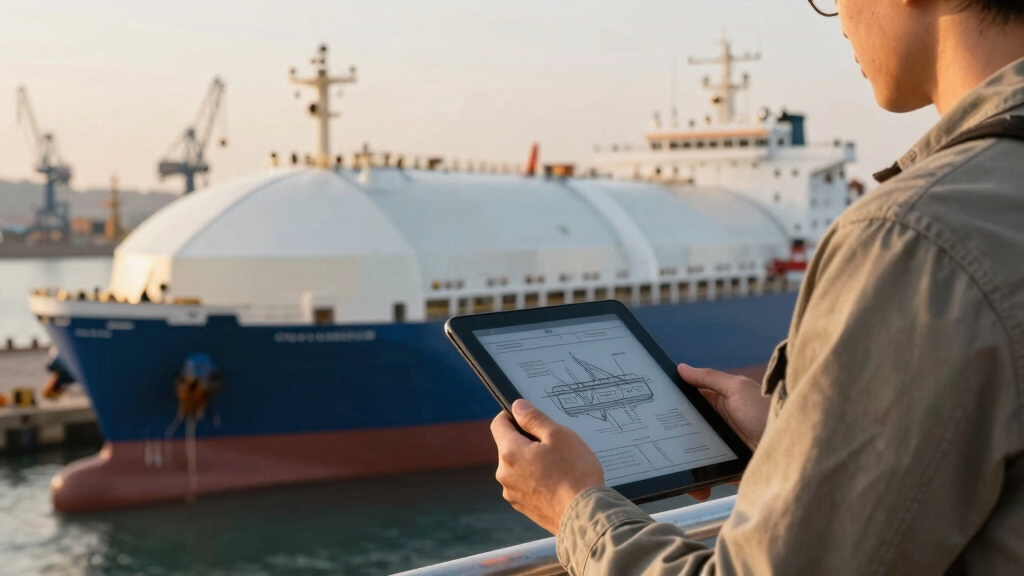
Japan is attempting to revive its liquefied natural gas carrier industry with support from South Korea. However, legal restrictions on technology transfer pose significant challenges, making the revival uncertain.
Japan’s efforts to rebuild its liquefied natural gas (LNG) carrier fleet are facing significant obstacles, primarily due to legal restrictions preventing technology transfers from South Korea. While Japan hopes to leverage South Korea’s advanced shipbuilding expertise, current laws hinder direct cooperation, raising questions about the timeline and feasibility of the revival.
Japan announced plans to revive its LNG carrier industry as part of its broader energy strategy, aiming to reduce reliance on foreign vessels and enhance energy security. The initiative involves seeking technological support from South Korea, a global leader in LNG shipbuilding. However, South Korean law prohibits the transfer of certain shipbuilding technologies to Japan, citing national security concerns. This legal barrier complicates negotiations, and experts suggest that overcoming these restrictions could require diplomatic and legislative adjustments.
Despite these hurdles, some industry insiders remain optimistic. They note that Japan has been exploring alternative routes, including joint ventures or licensing agreements that might circumvent direct technology transfer restrictions. The Japanese government has also signaled its intention to engage in bilateral talks with South Korea to find workable solutions, though no concrete agreements have been announced yet.
Why Restoring Japan’s LNG Fleet Matters
The revival of Japan’s LNG carrier fleet is significant for the country’s energy independence and environmental goals, as LNG remains a key part of its energy mix. Successfully building new vessels would reduce reliance on foreign-flagged ships and potentially lower transportation costs. Moreover, strengthening Japan’s domestic shipbuilding industry could have broader economic benefits and reinforce regional maritime capabilities. The diplomatic aspect is also notable, as cooperation with South Korea could influence broader bilateral relations amid ongoing tensions.
As an affiliate, we earn on qualifying purchases.
Historical Challenges in Japan-South Korea Shipbuilding Cooperation
Japan’s ambition to rebuild its LNG carrier fleet stems from a need to modernize and expand its energy infrastructure, especially in light of global energy transitions. Historically, South Korea has dominated the LNG shipbuilding market, with companies like Samsung Heavy Industries and Hyundai Heavy Industries leading global exports. However, legal and political tensions between Japan and South Korea have frequently hampered technological cooperation, with South Korea’s laws explicitly restricting technology transfers to Japan in certain sectors. This history complicates current efforts, as both nations navigate legal and diplomatic hurdles.
“Legal restrictions in South Korea are a major obstacle, and any progress will depend on diplomatic negotiations and potential legislative changes.”
— an anonymous researcher
As an affiliate, we earn on qualifying purchases.
Legal and Diplomatic Barriers to Collaboration
It is not yet clear whether South Korea will relax its technology transfer restrictions or whether Japan will develop alternative methods to access the needed expertise. The legal and diplomatic negotiations are still in early stages, and no formal agreements have been announced. The extent to which these hurdles can be overcome remains uncertain.
As an affiliate, we earn on qualifying purchases.
Next Steps in Japan-South Korea LNG Cooperation Talks
Japan and South Korea are expected to hold bilateral discussions in the coming months to explore possible solutions. Japan may consider promoting domestic shipbuilding capabilities or seeking third-party partnerships. Meanwhile, legislative changes in South Korea could be a prerequisite for closer cooperation. The outcome of these negotiations will determine the timeline and viability of Japan’s LNG carrier revival.
As an affiliate, we earn on qualifying purchases.
Key Questions
Why does Japan want to rebuild its LNG carrier fleet?
Japan aims to increase energy security, reduce reliance on foreign-flagged ships, and support its environmental goals by modernizing its LNG transportation capacity.
What are the main obstacles to Japan’s plan?
The primary obstacle is South Korea’s legal restrictions on technology transfers, which prevent direct cooperation in LNG shipbuilding.
Could Japan develop domestic shipbuilding capabilities instead?
While possible, developing domestic capabilities would require significant investment and time, making cooperation with South Korea the more immediate option.
How might diplomatic relations influence this effort?
Improved diplomatic ties could facilitate negotiations and lead to legislative changes or agreements that enable technology sharing.
When might we see concrete progress?
Progress depends on upcoming negotiations, but significant developments could occur within the next year if both sides reach agreements.
Source: Nikkei Asia
Halloween Picks
halloween
As an affiliate, we earn on qualifying purchases.