
When a blue screen pops up, start by noting the exact error code, as it helps identify the problem quickly. Next, consider any recent hardware or software changes that could be causing conflicts. Run system diagnostics and update your drivers to guarantee everything’s current. Check error logs and minidump files for clues about what’s wrong. Finally, inspect your hardware connections to make sure everything’s properly seated. Keep going to discover even more tips to fix your issue efficiently.
Key Takeaways
- Identify and record the exact blue screen error code for targeted troubleshooting.
- Review recent hardware or software changes that might cause conflicts.
- Run system diagnostics and ensure all device drivers are up to date.
- Analyze error logs and minidump files to find faulty drivers or processes.
- Check hardware connections and ensure all components are properly secured.

Wireless Barcode Scanner Support Bluetooth 2.4GHz USB Connection,1D Barcode Reader, Handhold Bar Code Reader for Windows, Mac, Android, iOS (N3-1D-Black)
3 in 1 Linear Barcode Scanner: Wired, Wireless, Bluetooth, and continuously connected via Bluetooth. The transmission distance varies…
As an affiliate, we earn on qualifying purchases.
As an affiliate, we earn on qualifying purchases.
Find Out the Exact Blue Screen Error Code
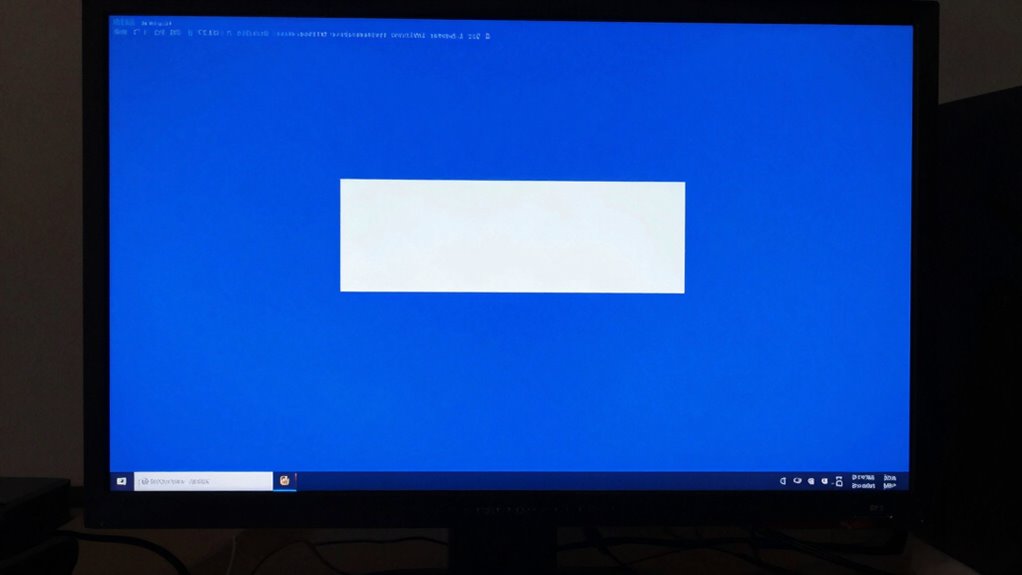
Have you ever wondered what causes a blue screen to appear? Identifying the exact error code helps you understand whether memory conflicts or driver issues are to blame. When you see a blue screen, note the specific error code displayed—these codes pinpoint the problem. Memory conflicts often trigger errors related to RAM or incompatible hardware, while driver issues can cause system crashes if drivers become outdated or corrupted. Recording the exact code allows you to search for solutions tailored to that error, saving time and avoiding unnecessary steps. This code acts as a vital clue, guiding you to fix underlying issues like faulty memory modules or problematic drivers that might be causing your system to crash unexpectedly. Recognizing error codes quickly can also help you determine whether a simple restart might resolve the issue or if more extensive troubleshooting is needed.

Troubleshooting with the Windows Sysinternals Tools (IT Best Practices – Microsoft Press)
As an affiliate, we earn on qualifying purchases.
As an affiliate, we earn on qualifying purchases.
Check for Recent Hardware or Software Changes
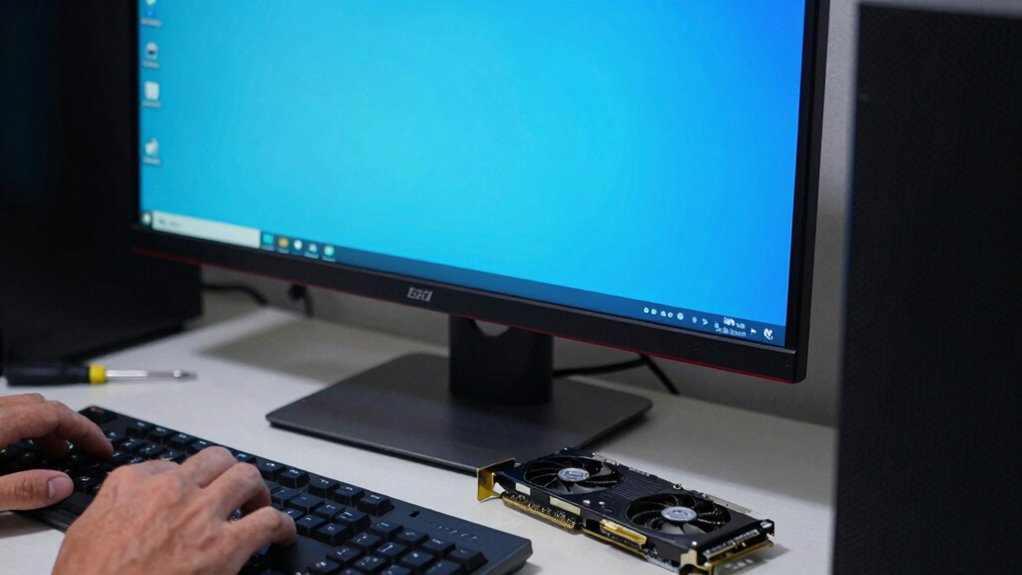
When a blue screen suddenly appears, recent changes to your hardware or software might be the culprit. Installing new drivers or software updates can cause driver conflicts or software compatibility issues, leading to system crashes. Review any recent changes and consider rolling back updates or removing hardware to see if the problem resolves. Use this table to identify common problematic areas:
| Hardware Change | Software Change | Potential Issue |
|---|---|---|
| New device added | Recent driver update | Driver conflicts |
| Hardware upgrade | OS or application update | Compatibility problems |
| Removed hardware | Software uninstall | Residual conflicts |
Focusing on recent modifications helps pinpoint the cause and prevents further blue screens. Additionally, understanding the importance of projector technology in home entertainment can help you troubleshoot display issues more effectively.
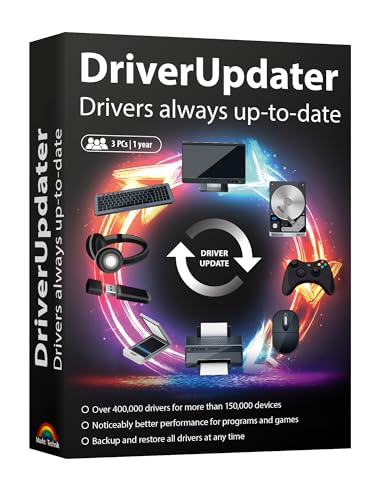
DriverUpdater – Automatically update Windows device drivers, faster and more stable Windows for Win 11, 10, 8, 7
Games and applications bogged down by outdated drivers run smoothly again and start faster.
As an affiliate, we earn on qualifying purchases.
As an affiliate, we earn on qualifying purchases.
Run System Diagnostics and Install Updates
Running system diagnostics and installing the latest updates are essential steps in troubleshooting a blue screen. First, run system recovery tools to identify hardware issues and test your system’s health. These diagnostics can reveal failing components or memory problems that cause crashes. Proper testing methodology ensures accurate results and helps pinpoint the root cause efficiently. Next, verify your drivers are up to date, especially graphics, chipset, and network drivers, as outdated drivers often trigger blue screens. Use your device manufacturer’s update utility or Windows Update to install the latest driver updates. Keeping your system current helps fix bugs and compatibility issues. If diagnostics reveal problems, consider repairing or replacing faulty hardware. Regular updates and system checks not only resolve existing issues but also prevent future crashes, making your PC more stable and reliable. Additionally, reviewing system stability can help identify underlying issues impacting performance. Ensuring your hardware components are compatible and functioning properly is also crucial for system reliability, which is essential for maintaining overall system performance.

4-in-1 DDR3/DDR4/DDR5UDMM/DDR5RDIMM Memory Diagnostic Tester Card Universal RAM Module & Motherboard Slot Analyzer Kit for Desktop, Laptop, and Server Computer Maintenance Repair
Universal Compatibility: This memory diagnostic tester supports four major RAM types—DDR3, DDR4, DDR5 UDIMM, and DDR5 RDIMM—making it…
As an affiliate, we earn on qualifying purchases.
As an affiliate, we earn on qualifying purchases.
Review Error Logs and Minidump Files for Clues
After completing system diagnostics and updating drivers, examining error logs and minidump files can provide valuable insights into what caused the blue screen. These files often reveal driver conflicts or pinpoint specific system errors, including network errors that might have triggered the crash. By analyzing the logs, you can identify patterns or recent changes that correlate with the blue screen events. Minidump files contain memory snapshots taken at the moment of the crash, offering clues about the faulty driver or process. Look for error codes or driver names associated with the crash. This information helps you target the problematic driver or system component. Reviewing these logs is essential for diagnosing complex issues and preventing future blue screens. Additionally, understanding support resources can guide you in resolving persistent errors effectively. Familiarity with error codes can further streamline troubleshooting efforts, especially when referencing system logs to pinpoint the root cause. Consulting diagnostic tools can also assist in automating the identification of common issues related to system crashes.
Inspect Hardware Connections and Critical Components

Ensuring all hardware components are properly connected is essential because loose or damaged connections can cause system instability and trigger blue screens. Start by checking your hardware ports—make sure each device, like your graphics card, RAM, and storage drives, is securely plugged in. Examine cable connections to ensure they’re firmly attached and undamaged. Loose cables or improperly seated components can cause intermittent errors or crashes. If you notice any bent pins or frayed cables, replace them immediately. Disconnect and reconnect hardware components systematically, ensuring each connection is snug. This simple step can often resolve issues caused by poor contact or loose connections, preventing further blue screen errors related to hardware faults. Additionally, hardware connection issues can sometimes be mistaken for software problems, so thorough inspection is crucial. Remember to also verify that your hardware compatibility aligns with your system requirements to avoid potential conflicts. Proper hardware maintenance and keeping your system free from dust or humidity can also help, as environmental factors like dust or humidity may impact hardware performance.
Frequently Asked Questions
Can a Virus Cause a Blue Screen Error?
Yes, a virus can cause a blue screen error. Malware removal and virus detection are essential steps to fix this issue. When your system gets infected, malicious software can corrupt critical system files, leading to crashes. You should run a reputable antivirus scan to identify and eliminate the malware. After removing the virus, update your drivers and Windows to prevent future blue screens caused by malicious code.
How Long Should System Diagnostics Take?
System diagnostics typically take between 15 to 60 minutes, depending on your system’s performance and hardware compatibility. If your computer has high system performance, diagnostics may run faster, but older or incompatible hardware can prolong the process. It’s best to let the diagnostics complete without interruption to accurately identify issues. Be patient, as rushing might result in incomplete checks, leading to unresolved problems and potential blue screen errors later.
Is It Safe to Remove Hardware Components?
Think of removing hardware components like delicately peeling an onion—you want to do it safely. It’s generally safe if your system is powered off and you follow proper hardware safety procedures, such as grounding yourself and handling components by the edges. Always consult your device’s manual for specific instructions. Proper component removal *guarantees* your system stays healthy, preventing potential damage or static discharge.
Will Reinstalling Windows Fix All Blue Screen Issues?
Reinstalling Windows can fix some blue screen issues, especially if they’re caused by software conflicts or corrupted files. However, it might not resolve hardware conflicts or driver update problems. Before reinstalling, update all your drivers and troubleshoot hardware components to identify conflicts. If you still experience blue screens after these steps, a clean reinstall could help, but make sure you back up your data first.
How Can I Prevent Future Blue Screen Errors?
Did you know that 60% of blue screen errors are caused by hardware conflicts or outdated software? To prevent future crashes, regularly check for software updates and guarantee all hardware components are compatible and properly installed. Keep drivers current and scan for malware. Avoid overclocking hardware, which can cause instability. By maintaining your system and staying up-to-date, you’ll reduce the chances of encountering blue screen errors.
Conclusion
Think of the blue screen as a silent alarm from your computer’s core, signaling that something’s amiss. By checking the error code, recent changes, diagnostics, logs, and hardware, you’re listening to its whispers. Addressing these signs can restore harmony and trust in your device. Remember, every error is a message from your machine’s heart—guiding you to heal and renew its spirit, so it can serve you faithfully once more.