TL;DR

Get the latest gadgets delivered free with Prime
- Fast, free delivery on millions of items
- Prime Video, Amazon Music and more included
- Member-only deals all year
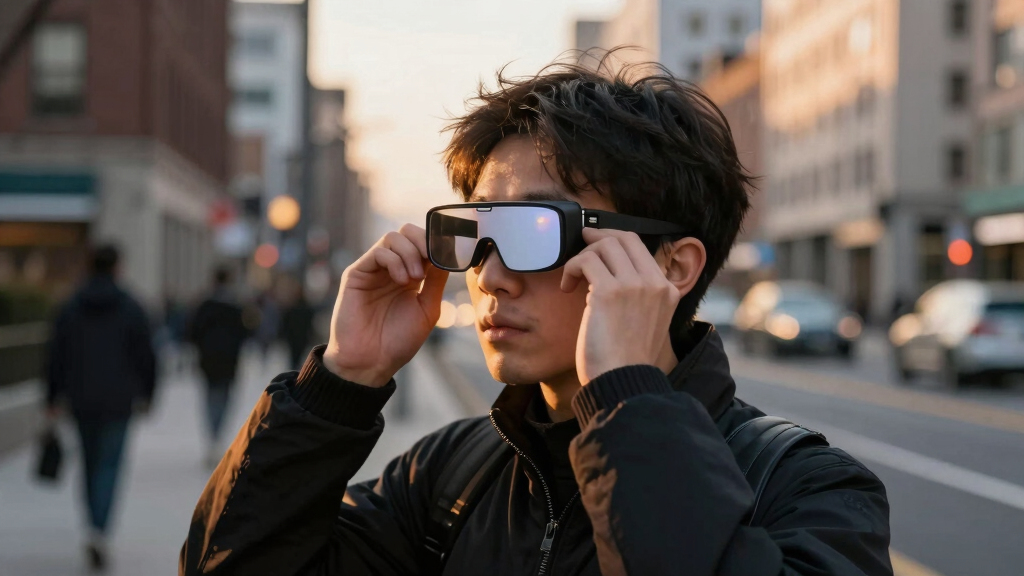
This article reviews the most notable features of several smart glasses tested in China, focusing on their strengths and what sets them apart. It provides insights into their usability and potential impact.
During a recent trip to China, multiple smart glasses were tested, revealing distinct features that set each device apart. This review highlights the most impressive functionalities confirmed during those tests, providing insights into their potential uses and advantages.
The Huawei AI glasses stood out for their high-quality photo and video capabilities, including RAW image shooting, AI-enhanced editing, and stabilized videos, with a battery life of 12 hours suitable for all-day wear. They also feature privacy-focused audio emission and are waterproof, according to the manufacturer.
Rokid’s XR glasses impressed with their mature design and aesthetic appeal, developed through a partnership with eyewear company Bolon. They are supported by an active developer community, SDKs, and integrations with Chinese services like OpenClaw, indicating a strong ecosystem for future development. Rokid’s glasses are also available in Western markets, expanding their reach.
Alibaba’s Qwen glasses offer a display with 4000 nits brightness, making them highly visible outdoors. They are deeply integrated with Alibaba’s ecosystem, including Alipay, TaoBao, and Amap, providing seamless access to payments, shopping, and navigation. Their swappable batteries allow for uninterrupted use, a feature confirmed during testing.
Inmo’s Go3 glasses focus heavily on translation, capable of offline translation of nine languages, which is uncommon among smart glasses. Their lightweight design and targeted features make them suitable for travelers and multilingual users.
Innovative Features Shape Future of Smart Glasses
The tested smart glasses demonstrate significant advancements in usability, integration, and specialized functionalities, highlighting their potential to influence consumer and enterprise markets. Features like high-quality imaging, immersive displays, seamless ecosystem integration, and offline translation address key user needs, making these devices more practical and appealing. Their development signals a growing maturity in the smart glasses industry, with Chinese manufacturers emerging as key players.
Products Worth Considering

Sonos Era 100 Wireless Smart Speaker, Black

Bose SoundLink Flex Bluetooth Speaker (2nd Gen), Portable Waterproof Speaker, Black

Amazon Kindle Paperwhite (12th Generation, 2024), 16 GB, 7-inch Display, Jade
As an affiliate, we earn on qualifying purchases.
Recent Developments in China’s Smart Glasses Market
China’s smart glasses market has seen rapid growth, with companies like Huawei, Rokid, Alibaba, and Inmo releasing innovative devices. Huawei’s AI glasses gained attention for their photography and privacy features, while Rokid’s XR glasses appeal to both consumers and developers with their design and ecosystem. Alibaba’s Qwen glasses leverage extensive ecosystem integration, and Inmo’s translation-focused glasses cater to travelers. These developments reflect a competitive landscape focused on specialized functionalities and ecosystem support.
“Huawei’s AI glasses have a remarkable ability to shoot raw photos and stabilize videos, making them a standout for multimedia capabilities.”
— Source from The Ghost Howls
Features and Long-Term Usability Still Uncertain
While the features highlighted are confirmed during testing, long-term durability, software stability, and user experience over extended periods remain unverified. Some functionalities, especially AI-based enhancements and ecosystem integrations, could evolve with software updates or face unforeseen limitations.
Upcoming Software Updates and Market Expansion
Manufacturers are expected to release firmware updates to improve stability and add new features. Rokid and Huawei may expand their markets beyond China, while Alibaba’s ecosystem integration could deepen with new services. Long-term user feedback and further testing will clarify the devices’ durability and overall user experience.
Key Questions
Which smart glasses have the best camera capabilities?
Huawei AI glasses are confirmed to have the best camera features, including RAW photo shooting and stabilized video recording, based on testing during the trip.
Are these smart glasses suitable for outdoor use?
Yes, Alibaba’s Qwen glasses, with their 4000 nits brightness display, are specifically designed for outdoor visibility, confirmed during testing.
Can these glasses be used for extended periods without charging?
Huawei’s glasses offer around 12 hours of mixed use, and Alibaba’s Qwen glasses feature swappable batteries, allowing for continuous use with spare batteries.
Are these devices available outside China?
Rokid’s glasses are available in Western markets, but Huawei’s and Alibaba’s models are primarily limited to China at this time, according to available information.
What are the main limitations of these smart glasses?
Long-term durability, software stability, and comprehensive user experience data are still unclear, as most testing was short-term and in controlled conditions.
Source: The Ghost Howls