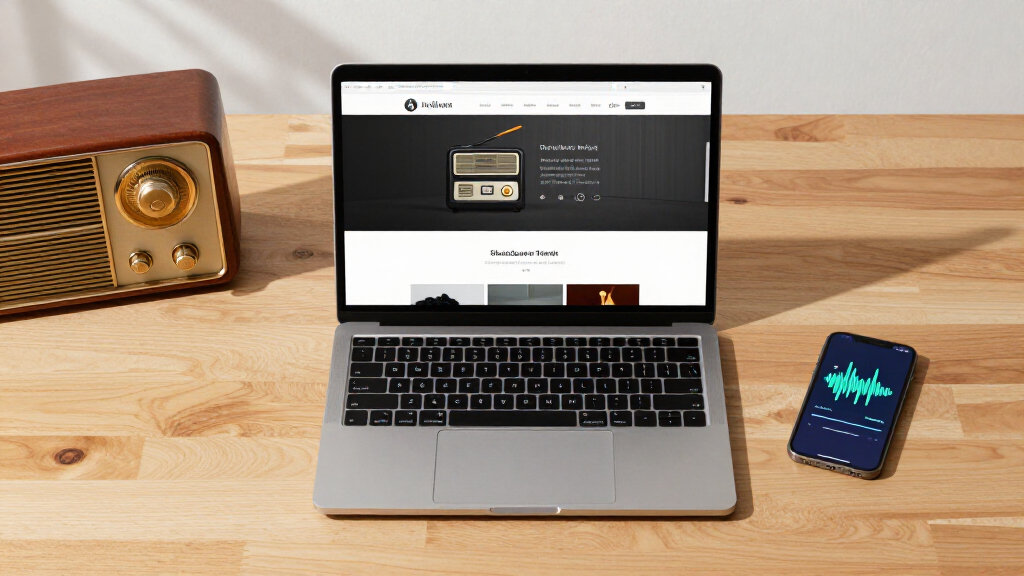

📊 Full opportunity report: Why AI-Designed Websites Like Station 36 Are Changing Shortwave Listening on ThorstenMeyerAI.com — validation score, market gap, and execution plan.

Get the latest gadgets delivered free with Prime
- Fast, free delivery on millions of items
- Prime Video, Amazon Music and more included
- Member-only deals all year
TL;DR
AI-designed websites like Station 36 create immersive, vintage-style shortwave listening experiences within browsers. This development is changing how enthusiasts engage with radio signals, blending history with modern web tech, as detailed in the original analysis.
Station 36, an AI-designed website simulating a vintage shortwave radio listening post, is gaining attention for its immersive, tactile interface that allows users to tune into secret signals within a browser. This development matters because it redefines digital engagement with shortwave radio, blending historical aesthetics with modern web technology, and potentially broadening access to radio signal hunting.
The website, created entirely through AI, features a detailed, tactile control panel resembling a Cold War-era radio room, with interactive SVG controls, spectral waterfall visualizations, and synthesized audio mimicking static, Morse code, and signals. This innovative approach is discussed in the original analysis. Users can manually tune frequencies via a drag-to-tune dial, activating audio layers that simulate real radio signals, including Morse bursts and heterodyne whistles. The site employs Web Audio API for authentic sound synthesis and uses inline SVG for crisp, scalable visuals, all built without external dependencies.
Developed as part of a series of AI-crafted web environments, Station 36 aims to evoke the slow, deliberate joy of manual signal hunting, offering an experience that is both nostalgic and technologically innovative. For more on how AI is used to create such detailed digital recreations, see the original analysis. It is part of a broader movement where AI is used to create highly detailed, interactive digital recreations of vintage hardware, making shortwave listening more accessible and engaging for modern audiences.
Impact of AI-Designed Radio Interfaces on Shortwave Enthusiasts
This development matters because it democratizes access to the experience of shortwave listening, which traditionally required physical hardware and technical knowledge. By providing a realistic, browser-based simulation, Station 36 makes the hobby more accessible to a wider audience, including younger generations and those unable to acquire vintage equipment. It also demonstrates how AI can craft highly detailed, immersive environments that blend history with digital innovation, potentially influencing future educational tools and hobbyist interfaces in radio technology.
As an affiliate, we earn on qualifying purchases.
Evolution of Digital Shortwave Listening and AI’s Role
Historically, shortwave listening has been a niche hobby involving specialized hardware, manual tuning, and an understanding of radio signals. In recent years, digital platforms and software-defined radios (SDRs) have expanded access, but many experiences remain technical and hardware-dependent. The advent of AI-generated websites like Station 36 marks a shift towards virtual, highly realistic recreations of vintage radio environments, integrating visual, audio, and tactile elements to simulate the experience without physical equipment. This trend aligns with broader efforts to preserve and innovate radio culture through web-based interfaces.
“AI allows for the creation of immersive, detailed environments that can replicate vintage radio hardware with unprecedented fidelity.”
— an anonymous researcher
As an affiliate, we earn on qualifying purchases.
Limitations and Future Developments of AI-Generated Radio Sites
It is not yet clear how widely adopted these AI-designed platforms will become within the radio hobby community, or how accurately they can replicate the full spectrum of real-world radio signals and hardware interactions. There are questions about the fidelity of audio synthesis, user engagement levels, and potential integration with actual radio hardware in the future. Additionally, the long-term sustainability and scalability of such AI-driven projects remain uncertain.
As an affiliate, we earn on qualifying purchases.
Next Steps for AI-Driven Shortwave Listening Platforms
Future developments may include expanding the realism of these virtual environments, integrating real-time signal interception, and developing educational modules that teach radio signal decoding. Developers might also explore hybrid models combining physical hardware with AI-enhanced virtual controls. Monitoring community feedback and technical advancements will determine how these platforms evolve and influence the broader radio hobby.
As an affiliate, we earn on qualifying purchases.
Key Questions
How does Station 36 simulate shortwave signals?
Station 36 uses Web Audio API to synthesize static, Morse code, heterodyne whistles, and other radio noises, synchronized with interactive SVG controls that mimic vintage hardware, creating a realistic listening environment.
Can users actually intercept real radio signals with this website?
No, Station 36 is a simulation that replicates the look, feel, and sound of shortwave signals. It does not connect to real radio hardware or intercept live signals.
Why is AI used to create these websites?
AI enables the detailed, immersive, and authentic recreation of vintage radio environments without manual coding of each element, allowing rapid development of highly realistic interfaces that blend history with modern web tech.
Will these virtual platforms replace traditional shortwave radios?
Currently, these websites serve as educational and hobbyist tools to simulate the experience. They are unlikely to replace physical radios but can complement and broaden access to shortwave listening.
Are there plans to make these platforms more interactive?
Future updates may include real-time signal decoding, user customization, and integration with actual radio hardware, enhancing interactivity and realism further.
Source: ThorstenMeyerAI.com
Fall Picks
fall essentials
As an affiliate, we earn on qualifying purchases.