A comprehensive analysis of six European institutional AI projects reveals a strategic framework for compliance before the August 2026 EU AI Act enforcement deadline.
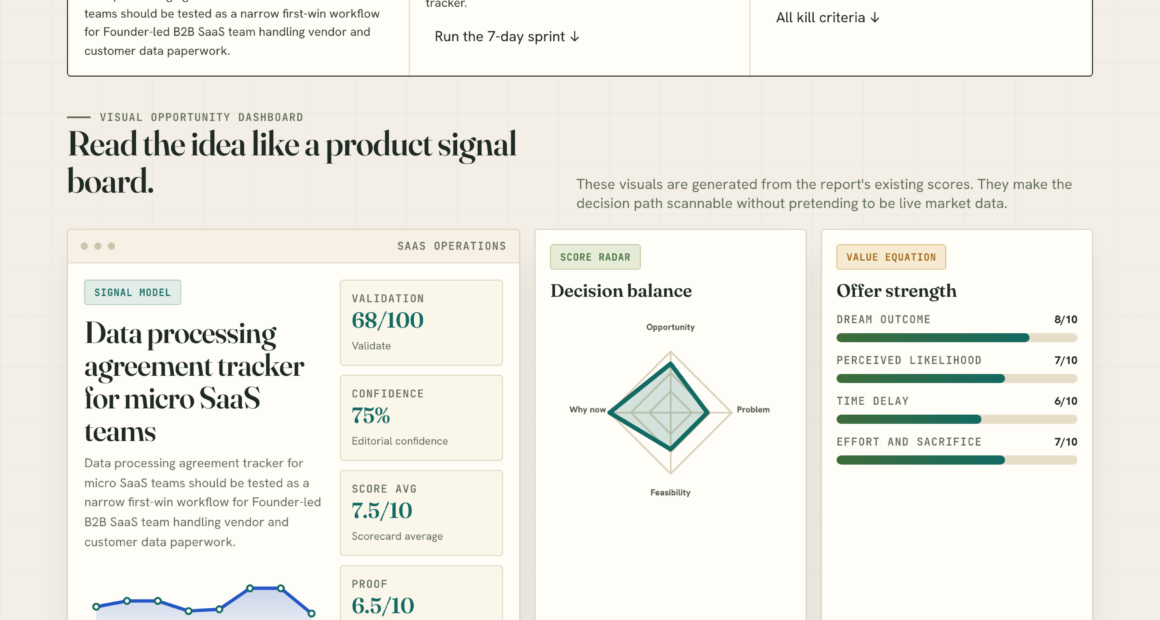
A new DPA tracker for micro SaaS teams is being tested as a workflow tool to streamline vendor and customer data paperwork, addressing privacy demands.
Italy’s Minerva-3B, trained from scratch on 2.5 trillion tokens, scores only 4.9% on Italian exams, raising questions about native-language investment and model scaling.
Google disclosed a zero-day vulnerability on May 11, 2026, but the regulatory framework to manage such AI-driven threats remains absent, raising urgent policy concerns.
A chain of three publicly documented vulnerabilities enabled a sophisticated attack on TanStack npm packages, exploiting trust boundaries in CI/CD workflows.
ShinyHunters has evolved into a distributed, AI-enabled extortion collective with a scalable business model, marking a shift from traditional APT threats.
Analysis of the ‘Allow All’ OAuth permission pattern as a major security risk, likened to SQL injection, with implications for enterprise security in 2026.
On May 11, 2026, Google Threat Intelligence disclosed the first real-world AI-built zero-day exploit. Defense capabilities exist but deployment lags, increasing risks.