
TL;DR

Get the latest gadgets delivered free with Prime
- Fast, free delivery on millions of items
- Prime Video, Amazon Music and more included
- Member-only deals all year
A joint venture between China’s CATL and UK’s Octopus aims to develop a battery-swapping network for electric trucks across Europe. However, industry skepticism and technical challenges threaten its success.
Britain’s Octopus Energy and Chinese battery maker CATL announced a joint venture to establish a battery-swapping network for electric trucks across Europe. Despite the ambition, industry skepticism and technical hurdles are raising doubts about the plan’s feasibility, according to analysts.
The partnership aims to deploy a network of battery-swapping stations designed to facilitate faster charging for electric trucks, with initial plans targeting key European logistics hubs. Octopus Energy and CATL have stated that the system will improve operational efficiency and reduce charging downtime for fleet operators. However, industry insiders and analysts warn that integrating a standardized swapping system across diverse truck models remains a significant challenge.
Several industry representatives have expressed reservations about the plan’s practicality. Critics cite the difficulty of ensuring compatibility with existing and future truck models, as well as the high costs associated with building and maintaining such infrastructure. Moreover, some European logistics firms prefer traditional fast-charging methods, citing existing infrastructure sufficiency and concerns over the complexity of swapping systems.
Industry Resistance and Technical Challenges Threaten Project
This skepticism highlights the broader challenges facing electric vehicle infrastructure development in Europe. If the plan fails to gain industry acceptance or overcome technical barriers, it could slow the adoption of battery-swapping technology for trucks, which is seen as a potential way to reduce charging times and increase fleet efficiency. The outcome could influence future investments and collaborations between Western and Chinese EV companies in the region.
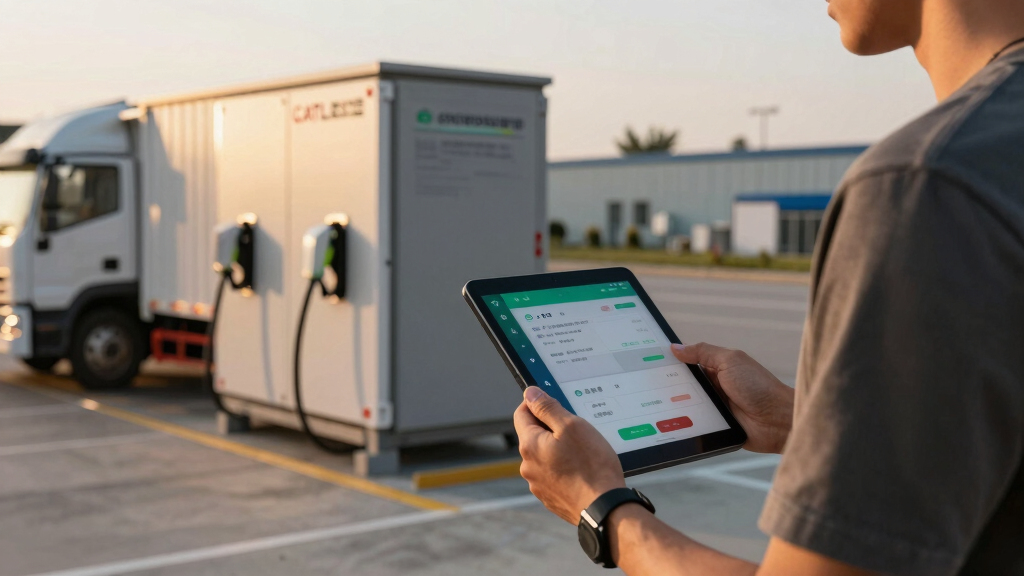
electric truck battery swapping station
As an affiliate, we earn on qualifying purchases.
As an affiliate, we earn on qualifying purchases.
European E-Truck Industry and Battery-Swapping Initiatives
The concept of battery-swapping for electric trucks has gained traction in China, with companies like CATL leading efforts to develop standardized systems. However, in Europe, the industry has largely favored fast-charging infrastructure, citing existing investments and compatibility concerns. The announcement by Octopus and CATL marks a rare attempt to introduce this technology outside China, but European industry players remain cautious, emphasizing the need for broad consensus and proven technology before large-scale deployment.
Previous attempts at battery-swapping in Europe have faced hurdles, including regulatory challenges and high infrastructure costs. The current skepticism reflects ongoing debates about the best approach to support electric truck adoption in the region.
“The technical complexity of ensuring compatibility across diverse truck models makes the success of this project uncertain.”
— an anonymous researcher
electric truck fast charging station
As an affiliate, we earn on qualifying purchases.
As an affiliate, we earn on qualifying purchases.
Unclear Factors Affecting Project Feasibility
It remains uncertain whether the technical challenges of standardizing battery swapping across various truck models can be overcome, or if industry acceptance will be sufficient to support large-scale deployment. Details about the timeline for rollout and potential regulatory hurdles are still emerging.
As an affiliate, we earn on qualifying purchases.
Next Steps for the Battery-Swapping Initiative
The partners are expected to conduct pilot projects in select European logistics hubs over the coming months. Monitoring the outcomes of these pilots and industry response will determine whether the plan advances toward wider adoption. Further discussions with regulators and fleet operators are likely to shape the project’s future trajectory.
electric truck charging infrastructure
As an affiliate, we earn on qualifying purchases.
As an affiliate, we earn on qualifying purchases.
Key Questions
Why is battery swapping considered for electric trucks?
Battery swapping aims to reduce charging time by allowing trucks to quickly exchange depleted batteries for charged ones, improving operational efficiency and fleet turnover.
What are the main challenges facing the project?
The primary challenges include ensuring compatibility across diverse truck models, high infrastructure costs, and gaining industry acceptance in Europe.
How does this initiative compare to existing charging solutions?
Unlike fast-charging stations, battery swapping requires specialized infrastructure and standardized batteries, which can be more complex but potentially faster for operators.
Could regulatory or policy issues impact the project?
Yes, regulatory approval and standards development are crucial, and delays or restrictions could hinder deployment.
Will this plan succeed outside China?
It is uncertain; industry resistance and technical hurdles in Europe pose significant obstacles, and the outcome depends on pilot results and stakeholder support.
Source: Nikkei Asia
Halloween Picks
halloween
As an affiliate, we earn on qualifying purchases.