
TL;DR

Get the latest gadgets delivered free with Prime
- Fast, free delivery on millions of items
- Prime Video, Amazon Music and more included
- Member-only deals all year
Flipper Zero’s successor, Flipper One, has published its official tech specs. This confirms hardware features but leaves some details unconfirmed. The release could impact the hacking and security community.
The official technical specifications for Flipper One have been released, confirming key hardware features and capabilities, marking a significant update for the device’s community and potential users.
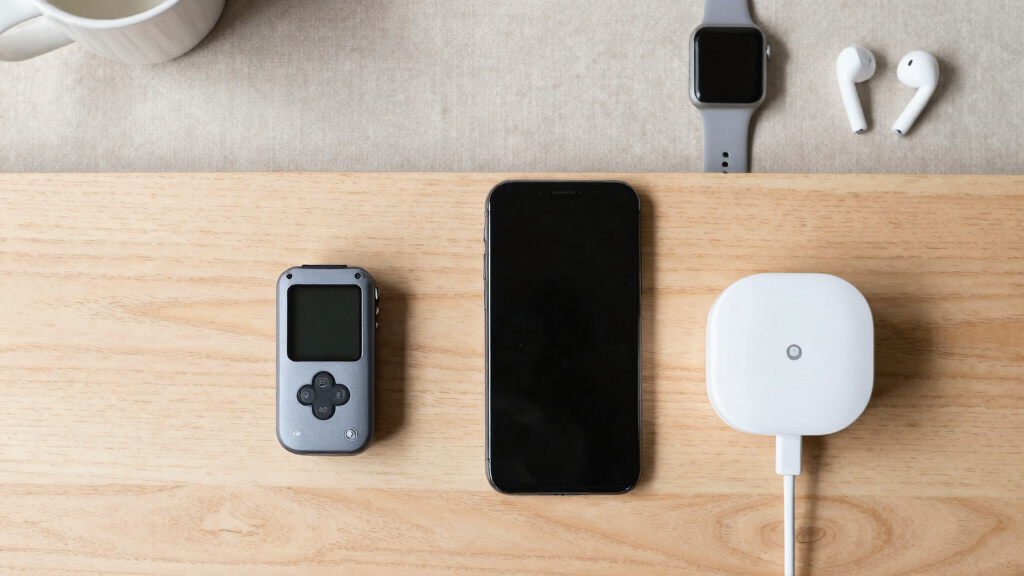
The tech specs were published on the official Flipper documentation site, providing detailed information on Flipper One’s hardware components, including processor, memory, connectivity options, and supported protocols. Official documentation The device features a quad-core ARM processor, 512MB of RAM, and a 2.8-inch display. It supports Wi-Fi, Bluetooth, and NFC, with a built-in rechargeable battery. The specifications also detail the device’s form factor, ports, and firmware capabilities.
While the documentation confirms these hardware features, some aspects, such as the exact security protocols, firmware update process, and third-party integration capabilities, remain unconfirmed or are only briefly mentioned. security protocols The specifications align with prior leaks but now have official backing, providing clarity for developers and potential users.
Why It Matters
This development matters because Flipper One is positioned as a successor to the popular Flipper Zero, a device widely used in security research, hacking, and educational contexts. Confirmed hardware specs give users and developers a clearer understanding of its capabilities and limitations, potentially influencing its adoption and the development of compatible tools. Additionally, official specifications can impact regulatory considerations and community trust in the device’s security and privacy features.
As an affiliate, we earn on qualifying purchases.
Background
Flipper Zero gained popularity as a versatile multi-tool for hardware hacking, RFID, and IR control. As anticipation built around its successor, Flipper One, leaks and rumors circulated regarding its hardware. The recent publication of official tech specs marks a milestone, providing transparency and confirming some previously speculated features. The device’s development has been closely watched by security researchers, hobbyists, and industry analysts, eager to understand its potential impact.
“The release of the official tech specs for Flipper One provides transparency and helps our community better understand the device’s hardware capabilities.”
— a Flipper official spokesperson
“With confirmed hardware specs, Flipper One could significantly expand the scope of hardware hacking and security research, but some details remain to be clarified.”
— a cybersecurity analyst
hardware security research tools
As an affiliate, we earn on qualifying purchases.
As an affiliate, we earn on qualifying purchases.
What Remains Unclear
It is not yet clear how the firmware will handle security updates, whether third-party modules will be supported, or how the device’s security protocols compare to previous models. Some specifications, such as detailed encryption standards and software compatibility, are still under review or unconfirmed.
As an affiliate, we earn on qualifying purchases.
What’s Next
Next steps include detailed testing of the device by community members, official firmware updates, and potential third-party integrations. Further disclosures from Flipper are expected, including software capabilities and security features.
As an affiliate, we earn on qualifying purchases.
Key Questions
What are the main hardware features of Flipper One?
Flipper One features a quad-core ARM processor, 512MB RAM, a 2.8-inch display, Wi-Fi, Bluetooth, NFC, and a rechargeable battery.
Are the security protocols of Flipper One confirmed?
No, the official documentation confirms hardware specs but does not detail specific security protocols or encryption standards.
How does Flipper One compare to its predecessor, Flipper Zero?
While hardware specs are now confirmed, detailed comparisons depend on additional firmware and security features, which are still being disclosed.
When will the device be available for purchase?
Availability details have not been announced yet; further updates are expected from the manufacturer. SpaceX Launch, Google I/O Headline a Big News Week in Tech
Will third-party developers be able to create modules for Flipper One?
This remains uncertain; official support for third-party modules has not been confirmed, but community interest is high.
Source: Hacker News
Halloween Picks
halloween
As an affiliate, we earn on qualifying purchases.