
The Sony WF-1000XM5 and Bose QuietComfort Ultra Earbuds are both premium true wireless earbuds built for people who want quiet during commutes, flights, and noisy workdays. The real choice is whether the strongest possible noise reduction matters more than a broader everyday package. Bose has the edge in noise cancellation, especially against steady background sound, while Sony combines very effective cancellation with extensive sound controls, wireless charging, and a more compact case. Choose Bose if silence is the main reason you are spending at this level; choose Sony if you want strong noise control plus flexibility for music and daily use.

Get the latest gadgets delivered free with Prime
- Fast, free delivery on millions of items
- Prime Video, Amazon Music and more included
- Member-only deals all year
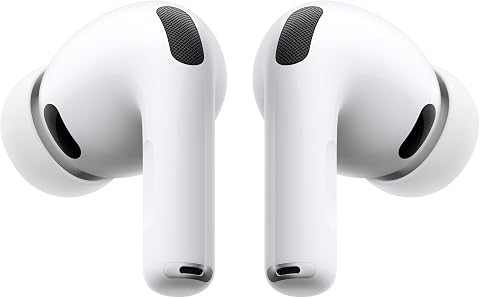
Apple AirPods Pro 3 Wireless Earbuds with Active Noise Cancellation
- ✔ Manufacturer: Apple
- ✔ Model: MFHP4LL/A
- ✔ Noise cancellation: Active noise cancellation; stated to remove up to twice as much unwanted sound as the previous generation

Soundcore P31i by Anker Translation Earbuds with Adaptive ANC
- ✔ Brand and model: Soundcore by Anker P31i (D1202)
- ✔ Noise cancellation: Adaptive ANC, stated to reduce noise by up to 52 dB
- ✔ Audio: Hi-Res Audio with LDAC

Soundcore P30i Noise Cancelling Wireless Earbuds with Phone Stand Case
- ✔ Brand and model: Soundcore by Anker P30i (A3959)
- ✔ Connectivity: Bluetooth 5.4
- ✔ Noise cancellation: Adaptive ANC, stated to reduce noise by up to 42 dB; transparency mode
At a Glance
| Criteria | Sony WF-1000XM5 | Bose QuietComfort Ultra Earbuds | Winner |
|---|---|---|---|
| Noise cancellation | Excellent cancellation with adjustable ambient sound | Class-leading cancellation, especially for steady low-frequency noise | B |
| Sound quality and adjustment | Detailed sound with an equalizer and multiple listening controls | Full, energetic sound; Immersive Audio adds a spatial mode | Depends |
| Comfort and fit | Compact earbuds; fit depends on the included foam tips | Secure fit with stability bands; larger earbuds may suit some ears less well | Depends |
| Battery and charging | About 8 hours per charge with cancellation; case supports wireless charging | About 6 hours per charge, less with Immersive Audio; case lacks wireless charging | A |
| Calls | Good voice pickup, though wind and busy streets can challenge both earbuds | Capable calls, with performance varying in wind and loud surroundings | Tie |
| Features and controls | Broad app controls, multipoint connection, and wireless charging | Immersive Audio and adjustable modes; fewer everyday conveniences in some areas | A |
| Value | Usually the more balanced purchase, especially when discounted | Worth the premium for listeners who place silence first | A |
Apple AirPods Pro 3 Wireless Earbuds with Active Noise Cancellation
The AirPods Pro 3 are the most complete match here for a buyer who wants noise cancellation at the center of an Apple-device setup. Apple says ANC removes up to twice as much unwanted sound as the previous generation, and the listed 8 hours of listening with ANC on gives us a useful measure for a typical workday or long stretch of travel. That stated single-charge figure is competitive with the P31i’s 8 ANC-on hours and exceeds the P30i’s 6.What separates this model is the surrounding feature set: adaptive EQ, three-dimensional audio, heart-rate sensing and workout tracking, plus live translation. Those extras may make the AirPods a more natural choice for someone who already uses an iPhone and values health and communication tools. Compared with the Soundcore P31i, the AirPods lean more on Apple integration than on listed codec options such as LDAC; compared with P30i, they offer more ecosystem features but not a stand case or the same headline case-assisted playback emphasis.The main limitation is compatibility: the full feature set works best with Apple devices, so buyers on other platforms may not get the same benefit. The supplied description also notes that battery capacity may trail some competing true wireless earbuds, and the product details do not give a case-assisted total for direct comparison with Soundcore’s 40 and 25 ANC-on hours. We would pick these for Apple users who value ANC plus integrated extras, and skip them if cross-platform flexibility or maximum stated total runtime is the priority.
Pros:
- ANC is stated to remove up to twice as much unwanted noise as the previous generation.
- Up to 8 hours of listening with ANC on per charge.
- Heart-rate sensing and workout tracking add health features.
- Live translation and three-dimensional audio broaden its feature set.
Cons:
- The full feature set works best with Apple devices.
- Battery capacity may be lower than some competing true wireless earbuds.
- The supplied details do not state total playback with the charging case.
Best for: Apple-device owners who want strong stated ANC, health tracking, and live translation in one pair.
Not ideal for: Buyers outside the Apple ecosystem or those who prioritize a clearly stated case-assisted ANC runtime.
Bottom line: For Apple users, AirPods Pro 3 offer the most rounded combination of stated ANC, ANC-on endurance, and integrated extras in this group.
“For Apple users, AirPods Pro 3 offer the most rounded combination of stated ANC, ANC-on endurance, and integrated extras in this group.”
Soundcore P31i by Anker Translation Earbuds with Adaptive ANC
The P31i are the Soundcore choice for buyers who want noise cancellation alongside more listening and communication options. Their adaptive ANC is stated to reduce noise by up to 52 dB, and the listed 8 hours per charge with ANC enabled makes them better suited to extended cancellation use than the P30i, which list 6 hours in the same mode. With the case, the P31i claim up to 40 ANC-on hours, compared with 25 for P30i.Beyond cancellation, the P31i support Hi-Res Audio with LDAC and real-time AI translation in over 100 languages. Six microphones, app-based EQ, HearID, Spatial Audio, and adjustable ANC give buyers several ways to tune the experience. This is a broader customization package than the P30i’s listed app EQ and ANC controls, and a more codec-focused option than the AirPods’ supplied feature description. These capabilities make the P31i stand out, but buyers should value them enough to use them: several personalization and update features depend on the Soundcore app.There is a practical caveat in interpreting the headline battery number: the 10-hour per-charge and 50-hour case totals are for playback generally, while the ANC-on figures are 8 and 40 hours. IP55 protection and a quick-charge claim of 3.5 hours of listening from 10 minutes of charging add useful flexibility, though fit and actual performance are not established by the supplied specifications. Choose the P31i if adaptive ANC, audio options, and translation make a more versatile set worthwhile; skip them if you want the simplest setup or a feature dedicated to hands-free phone viewing like the P30i case.
Pros:
- Adaptive ANC is stated to reduce noise by up to 52 dB.
- Up to 8 hours per charge and 40 hours with the case when ANC is enabled.
- Supports Hi-Res Audio with LDAC and translation in over 100 languages.
- IP55 protection, six microphones, and quick charging add practical flexibility.
Cons:
- Playback time is lower with ANC enabled than the headline 10-hour and 50-hour figures.
- Several personalization and firmware features require the Soundcore app.
- The supplied details do not specify compatibility or translation requirements.
Best for: Listeners who want adaptive ANC with LDAC audio, translation, and extensive app personalization.
Not ideal for: Buyers who prefer to avoid companion apps or want the P30i’s phone-stand case.
Bottom line: The P31i are the most versatile Soundcore option here when ANC, LDAC, and translation matter more than a specialized case.
“The P31i are the most versatile Soundcore option here when ANC, LDAC, and translation matter more than a specialized case.”
Soundcore P30i Noise Cancelling Wireless Earbuds with Phone Stand Case
The P30i make their case through practical extras and long overall playback, not through the broadest ANC-on battery figure in this lineup. They offer adaptive ANC and transparency mode, letting us switch between reducing surrounding sound and hearing more of it. Soundcore states up to 42 dB of noise reduction, while the case adds an unusual convenience: it doubles as a phone stand for hands-free viewing. For commuting, desk listening, or keeping a show visible while the earbuds are out, that case may be more useful than another app setting.Battery figures deserve a mode-by-mode comparison. The P30i list up to 10 hours per charge and 45 hours with the case, but with ANC enabled those figures fall to 6 and 25 hours. That is below the P31i’s listed 8 and 40 ANC-on hours, so frequent cancellation users should consider the higher-ranked model. The P30i still offer a quick-charge claim, Bluetooth 5.4, app EQ and ANC adjustments, four-microphone AI-enhanced calls, and IP54 protection; the P31i step up to IP55 and six microphones, while adding LDAC and translation.The tradeoff is straightforward: the P30i have fewer high-end audio and personalization claims than P31i, and their ANC-on runtime is shortest among the three products. The supplied case charging time is 2.5 hours, which may matter if the case is often depleted. We would choose them when the stand case and straightforward daily features matter more than maximum ANC endurance or translation tools. Buyers who keep ANC on for long stretches should compare the P31i’s longer stated runtime before deciding.
Pros:
- The charging case doubles as a phone stand.
- Adaptive ANC and transparency mode support different surroundings.
- Up to 25 hours of total playback with ANC enabled, or 45 hours without ANC.
- IP54 protection and four microphones support active daily use and calls.
Cons:
- ANC-on listening falls to 6 hours per charge and 25 hours with the case.
- The listed case charging time is 2.5 hours.
- The feature set is less extensive than the P31i’s LDAC, translation, and app options.
Best for: Everyday listeners who want adaptive ANC, a phone-stand case, and extended total playback when ANC is not always on.
Not ideal for: Frequent ANC users who need longer cancellation-on runtime or want LDAC and translation features.
Bottom line: Pick the P30i for its useful stand case and practical everyday package, while recognizing that P31i last longer with ANC enabled.
“Pick the P30i for its useful stand case and practical everyday package, while recognizing that P31i last longer with ANC enabled.”
As an Amazon Associate we earn from qualifying purchases.
Key Differences
The largest difference is noise cancellation. Bose is the safer choice for frequent flyers and commuters who want to reduce low, continuous sounds such as engine rumble and air conditioning. Sony is also very capable, but the advantage goes to Bose when the main goal is making a noisy environment feel quieter. Neither set can erase every voice, sudden sound, or changing noise, so expectations should stay realistic.
Sony answers with a more rounded feature and value proposition. Its app offers extensive sound adjustments, the earbuds support multipoint connection, and the charging case supports wireless charging. Bose offers its own compelling extras, especially Immersive Audio, but its shorter battery life and case trade-offs make the premium harder to justify if cancellation is not your top concern.
Fit and sound remain personal. Bose includes stability bands intended to keep the earbuds secure, while Sony uses foam tips that can help create a seal but may feel different from silicone. A poor seal reduces both comfort and cancellation, so fit may matter more than small differences in specifications. Buy from a retailer with a suitable return policy if you cannot try either pair first.
Detailed Comparison
Noise cancellation (Bose QuietComfort Ultra Earbuds wins — moderate)
Bose wins by a moderate margin for listeners who want maximum quiet. Its cancellation is particularly effective against steady low-frequency sounds, making it appealing on planes, trains, and buses. Sony still performs at a high level and can make everyday background noise much less distracting. In practice, choose Bose if noisy travel is a regular part of your week; Sony is sufficient for many office and commute settings.
Sound quality and adjustment (moderate difference)
This is a close call, and the better sound depends on taste. Sony gives listeners detailed equalizer controls and a flexible presentation that can be tailored to different genres. Bose sounds full and engaging, and Immersive Audio creates a wider-feeling presentation for supported listening habits. The spatial mode is a feature preference rather than a universal upgrade. Sony is the more adaptable choice; Bose suits buyers who like its presentation as delivered.
Comfort and fit (moderate difference)
Neither option wins for every ear, so this is a genuine tie. Sony’s foam tips can provide a strong seal, which supports both comfort and cancellation, but some users prefer the feel of silicone. Bose supplies stability bands that help keep the buds in place, though the earbuds are relatively substantial. For exercise or long listening sessions, fit should decide: choose the pair that stays secure without pressure.
Battery and charging (Sony WF-1000XM5 wins — moderate)
Sony wins by a moderate margin for daily convenience. Its stated listening time with cancellation is about eight hours per charge, compared with about six hours for Bose, and Sony’s case supports wireless charging. Bose’s runtime can fall further when Immersive Audio is used, and its case does not offer wireless charging. For long trips or a charging setup without spare outlets, Sony is the easier companion.
Calls (minor difference)
There is no clear overall winner. Both can handle routine calls, but background noise, wind, and the caller’s environment affect voice clarity. If frequent calls in busy streets are central to your purchase, neither should be chosen from marketing claims alone; check current call samples or reviews from sources that test the same conditions. For indoor meetings and occasional calls, either can work.
Features and controls (Sony WF-1000XM5 wins — moderate)
Sony wins by a moderate margin as an all-around toolkit. Its app offers detailed adjustment, multipoint connection helps switch between two devices, and wireless charging adds a useful case option. Bose’s Immersive Audio and listening modes are distinctive, but those features will matter most to people who actively want spatial listening. Sony’s extras are more broadly useful across everyday routines.
Value (Sony WF-1000XM5 wins — moderate)
Sony is better value for most buyers, particularly when the street price is lower than Bose’s. It delivers strong cancellation alongside longer battery life and a wider set of everyday conveniences. Paying more for Bose makes sense when its cancellation advantage will improve frequent travel or noisy work sessions. If you mostly listen in quiet rooms, that premium may buy little practical benefit.
Sony WF-1000XM5: Pros and Cons
Pros:
- Strong noise cancellation for daily use
- Longer stated battery life than Bose with cancellation
- Wireless charging case
- Extensive sound adjustment and multipoint connection
Cons:
- Cancellation falls short of Bose’s strongest performance
- Foam tips may not suit every listener
- Call quality can struggle in difficult outdoor conditions
Bose QuietComfort Ultra Earbuds: Pros and Cons
Pros:
- Best choice here for reducing steady background noise
- Secure fit system with stability bands
- Immersive Audio offers a distinctive spatial mode
- Full, engaging sound
Cons:
- Shorter stated battery life, especially with Immersive Audio
- No wireless charging case
- Premium is difficult to justify if top-tier cancellation is not needed
Who Should Choose What
Choose Sony WF-1000XM5 if:
- You want strong cancellation with longer battery life and wireless charging.
- You regularly move between a phone and computer and value multipoint connection.
- You want detailed sound adjustment or find Sony at a meaningfully lower price.
Choose Bose QuietComfort Ultra Earbuds if:
- You fly, commute, or work in noisy spaces often and want the strongest cancellation in this pairing.
- You prefer Bose’s sound presentation or specifically want Immersive Audio.
- You are willing to pay a premium for quieter travel and do not mind shorter battery life.
Skip both if: Skip both if you need all-day battery without recharging, rely on clear calls in wind or heavy street noise, or cannot get a comfortable seal from either design.
Value for Money
Sony is the better value for most people because it pairs high-level cancellation with longer battery life, wireless charging, and more broadly useful device and sound controls. Bose’s higher cost is justified when its cancellation advantage has daily value: a frequent flyer, a commuter exposed to loud engine noise, or someone who needs quiet to focus may notice the difference every week. If your listening is mostly at home or in a quiet office, pay less for Sony when prices differ. Compare current sale prices, since a large discount can change which pair is the stronger buy.
Final Verdict
Choose the Bose QuietComfort Ultra Earbuds if the biggest deciding factor is noise cancellation and you regularly face loud, steady background sound. That is the clearest reason to pay more. Choose the Sony WF-1000XM5 if you want a more balanced premium pair, with longer battery life, wireless charging, flexible sound settings, and generally stronger value. For most people, Sony is the recommendation; Bose is the specialist pick for buyers who will use its cancellation advantage often.
Frequently Asked Questions
Which earbuds have better noise cancellation?
Bose QuietComfort Ultra Earbuds have the advantage, particularly against steady low-frequency noise such as aircraft or bus rumble. Sony WF-1000XM5 also cancel noise very well, but Bose is the stronger choice when maximum quiet is the priority.
Are the Bose earbuds worth paying more for?
They can be worth the premium if you travel or work in noisy places often enough to benefit from their stronger cancellation. For quieter settings or general daily use, Sony’s longer battery life and broader conveniences make it better value.
Which pair lasts longer on a charge?
Sony has the longer stated runtime with cancellation enabled: about eight hours per charge compared with about six for Bose. Bose runtime decreases further when Immersive Audio is active.
Which is better for calls?
Neither is a dependable clear winner across every setting. Both can handle ordinary calls, but wind and loud surroundings can reduce voice clarity. People who make frequent calls outdoors should check call samples recorded in similar conditions.
Should I buy one without trying it on?
Fit affects comfort and noise cancellation, and the Sony foam tips and Bose stability bands feel different. If you cannot test them first, buy from a retailer with a return policy that lets you check fit safely.