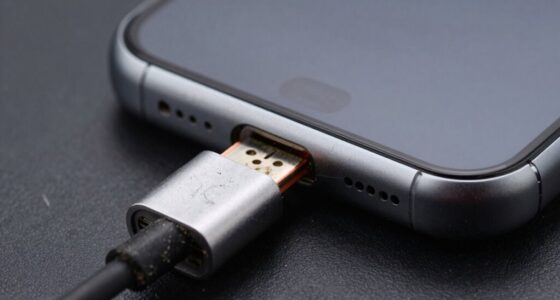

If your phone slows down after an update, start by restarting it to refresh system processes and close background apps. Clear app caches, delete unnecessary files, and uninstall unused apps or bloatware to free space. Tweak settings by disabling animations and limiting background activity. If issues persist, consider updating or reinstalling problematic apps for better compatibility. Want to restore your phone’s speed without losing data? Keep exploring for more helpful tips.

Get the latest gadgets delivered free with Prime
- Fast, free delivery on millions of items
- Prime Video, Amazon Music and more included
- Member-only deals all year
Key Takeaways
- Restart your device to clear temporary cache and refresh system processes.
- Close or disable background apps that may be consuming resources.
- Clear app caches and delete unnecessary files to free storage space.
- Check for app updates to ensure compatibility with the latest OS version.
- Perform basic troubleshooting like resetting network connections before considering a factory reset.
Products Worth Considering

DJI Osmo Mobile 8 Standard Combo Phone Gimbal Stabilizer

DJI Osmo Mobile 8 Phone Gimbal with Mic Mini Transmitter, Infinity Black

Samsung 27-inch Odyssey OLED G6 QD-OLED QHD Gaming Monitor
As an affiliate, we earn on qualifying purchases.
Restart Your Phone to Fix Slow Performance
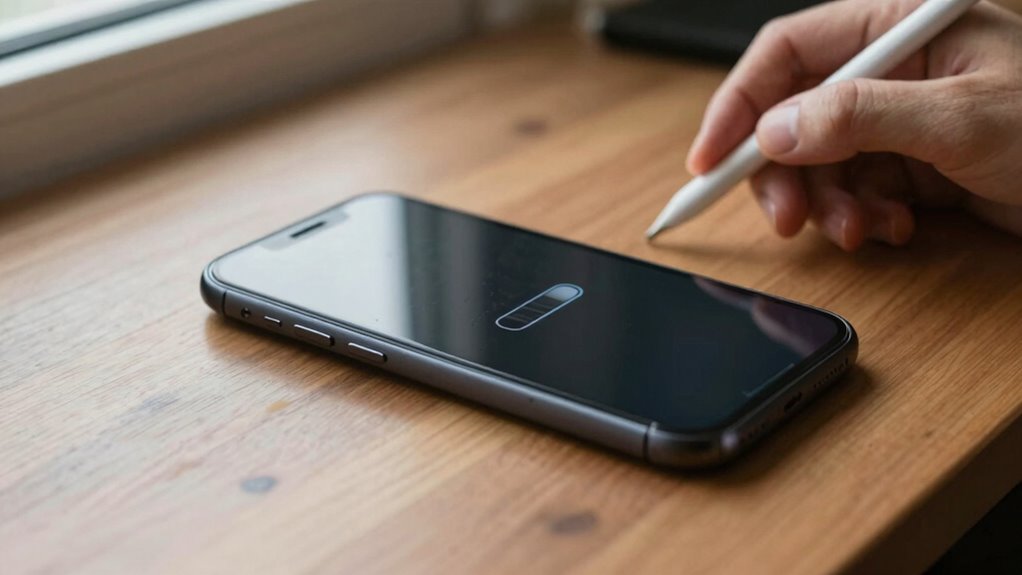
Sometimes, all your phone needs is a quick restart to fix slow performance after updates. Restarting can refresh system processes, giving your device a fresh start. This simple step helps with battery efficiency because it closes background apps that drain power unnecessarily. It can also resolve minor network troubleshooting issues, like slow internet or unstable connections, by resetting network settings temporarily. When you restart, your phone clears temporary cache and stops apps running in the background, which might be causing lag. Plus, it allows your device to re-establish connections to Wi-Fi or mobile networks smoothly. If your phone remains sluggish, try this quick fix first—sometimes, a simple restart is enough to restore peak performance after updates. Additionally, understanding device optimization techniques can help you improve overall performance and longevity of your device.
Identify Common Causes of Phone Slowness After an Update
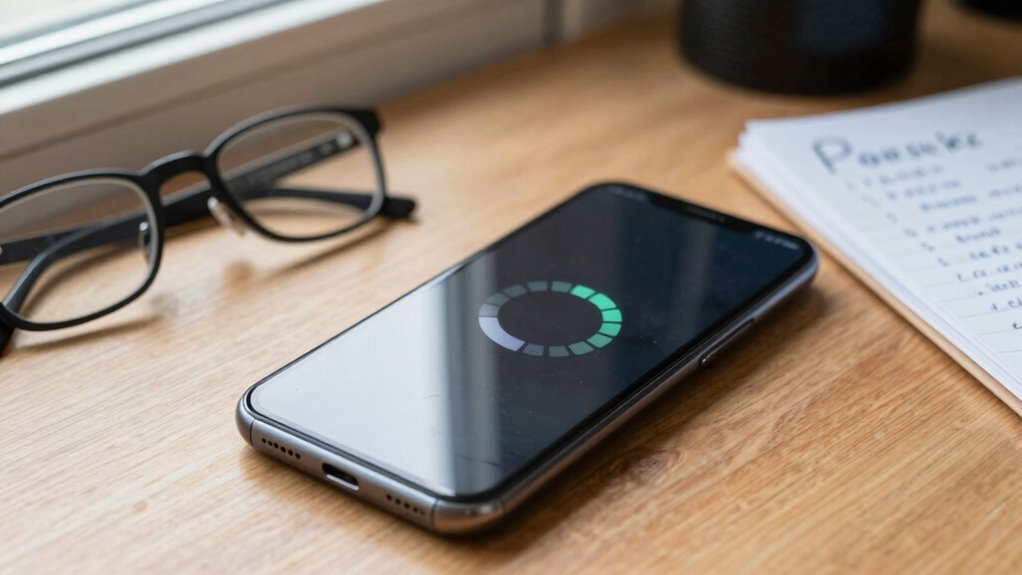
When your phone slows down after an update, it’s helpful to identify the common causes. Overloaded storage, ongoing background app activity, and software compatibility issues often contribute to the problem. Recognizing these factors can help you troubleshoot effectively before taking more drastic steps. Additionally, app optimization techniques can improve performance and restore speed. Regularly updating your apps and clearing unnecessary files can further boost device performance, preventing sluggishness after updates. Understanding sound healing science and how sound vibrations influence cellular regeneration can also inspire creative ways to relax your mind during troubleshooting. Incorporating performance-enhancing hardware upgrades, like a faster processor or additional RAM, can also significantly improve your device’s responsiveness.
Storage Space Overload
Have you noticed your phone slowing down after recent updates? One common cause is storage space overload. When your internal storage gets too full, your device struggles to run smoothly, especially after updates that add new features or files. Even if you use cloud storage, local storage still needs free space for system processes. If you’ve recently upgraded your hardware, like adding more RAM or a larger storage chip, your phone can better handle the load, but older hardware might still lag. Clearing unnecessary apps, photos, and files helps free up space, improving performance. Keeping enough free storage is essential for your device to operate efficiently after updates, preventing slowdowns and ensuring your phone runs smoothly.
Background App Activity
Background app activity is a common culprit behind phone slowdown after an update. When apps run in the background, they consume CPU, memory,, and battery, which can slow down your device. Sometimes, updates reset or change app permissions, causing apps to behave unpredictably or restart more often. If you notice certain apps are constantly active or updating in the background, it can bog down your system. Managing app permissions can help reduce unnecessary background activity. Check which apps have permission to run in the background and disable those that don’t need it. Closing or disabling unnecessary background apps can free up resources, improving your device’s speed. Regularly reviewing and controlling background app activity is a simple way to keep your phone running smoothly after an update. Additionally, understanding background app activity can help you identify the common causes of slow performance and take targeted actions to optimize your device. Being aware of resource consumption by apps can further assist in pinpointing which processes are most likely to impact your phone’s speed. Monitoring system resource usage can also help detect problematic apps that drain resources excessively.
Software Compatibility Issues
Software compatibility issues are a common reason your phone slows down after an update. When new software conflicts arise, they can cause sluggish performance or app crashes. Compatibility troubleshooting helps identify these issues early. For example, outdated apps might not work smoothly with the latest OS, creating bottlenecks. Sometimes, system updates change core features, making older apps incompatible. Hardware limitations also play a role if your device isn’t optimized for new software. Use the table below to understand common causes:
| Cause | Solution |
|---|---|
| Outdated apps | Update or uninstall problematic apps |
| OS conflicts | Perform compatibility troubleshooting |
| Insufficient storage | Free up space |
| Hardware limitations | Consider hardware upgrades |
| Corrupted files | Clear cache or reset apps |
Clear App Cache and Unnecessary Files to Speed Up Your Phone

To boost your phone’s speed, start by identifying storage-heavy apps and clearing their cache regularly. Removing unused files also frees up space and helps your device run smoothly. Taking these simple steps can make a noticeable difference before considering a factory reset. Additionally, ensure that your device’s storage is free from excessive cached data, which can slow down performance over time.
Identify Storage-Heavy Apps
Over time, certain apps tend to accumulate large amounts of data, slowing down your phone’s performance. To improve speed, you need to identify storage-heavy apps. Check your device’s storage settings to see which apps occupy the most space. Focus on apps that:
- Store cached data unnecessarily
- Have large media or downloads
- Use excessive network resources
- Impact battery optimization
- Affect overall system performance
Uninstall or clear data from these apps to free up space. Pay special attention to apps with outdated or redundant files. Managing storage not only boosts speed but can also improve network settings and battery life. Regularly reviewing heavy apps helps keep your device running smoothly, especially after updates that may cause bloat.
Clear App Cache Regularly
After identifying and removing storage-heavy apps, freeing up space becomes even easier by regularly clearing app caches. Cache files store temporary data, which can slow down your phone over time. By clearing app caches, you help optimize your device’s battery usage and improve overall performance. This process also benefits network settings, as apps run more smoothly without unnecessary data cluttering the system. To do this, go to your device’s settings, select each app, and clear its cache. Regularly doing this prevents apps from becoming sluggish and keeps your phone responsive. Remember, clearing caches isn’t the same as deleting app data, so your login info and settings stay safe. Making this a habit ensures smoother operation, especially after updates that may have added or changed cache files. Incorporating device optimization techniques like cache clearing is essential for maintaining peak performance.
Remove Unused Files
Removing unused files and clearing app caches can considerably boost your phone’s speed, especially if it’s been cluttered with unnecessary data. Over time, temporary files, downloads, and app caches pile up, slowing your device. To optimize performance, delete files you no longer need, like old downloads or duplicate photos. Be mindful of cloud synchronization settings to prevent unnecessary data from syncing and consuming space. Regularly clearing caches helps free storage and reduces processing load. Implement these steps for better battery optimization and smoother operation:
- Delete old or large files from downloads
- Remove duplicate or blurry photos
- Clear app caches regularly
- Disable unnecessary cloud sync features
- Uninstall unused apps
Additionally, practicing Stoic mindfulness can help you maintain a clear and focused mind, reducing unnecessary distractions that may contribute to clutter both digitally and mentally. Being aware of your digital habits can also prevent accumulation of unnecessary data, similar to how Flat Iron Bikes maintain efficiency through proper upkeep. These actions help declutter your device, improve speed, and extend battery life.
Update or Reinstall Problematic Apps for Better Compatibility
If you notice your phone slowing down after updates, one of the first steps is to update or reinstall problematic apps. Sometimes, app updates are released to fix bugs and improve compatibility with the latest OS versions. Check if your apps have pending updates in the app store. If an app continues to cause issues, uninstall it and reinstall the latest version. This can resolve compatibility issues that may be slowing your device. Outdated or corrupted app files can cause performance problems after system updates, so keeping apps current guarantees they’re optimized for your phone’s new software environment. Regularly updating or reinstalling problematic apps helps your device run smoothly, preventing slowdowns before you consider more drastic measures like a factory reset. Ensuring your apps are compatible with your device can significantly improve overall performance, especially when angel numbers appear to signal positive change and progress. Additionally, monitoring app performance and behavior can help identify problematic applications early, allowing you to address issues proactively. Performing these updates promptly can also help you avoid potential software conflicts that might cause further complications. Staying vigilant about system stability can help maintain your device’s long-term health and responsiveness.
Disable or Uninstall Bloatware and Unneeded Apps
Bloatware and unneeded apps can considerably slow down your phone’s performance, especially after updates. To improve speed, disable or uninstall these apps. They often run in the background, drain battery, and use up app permissions unnecessarily. Removing or disabling them helps free up resources and enhances battery optimization. Additionally, consulting a trusted business directory can help you find reputable service providers if you need professional assistance with your device. Consider these tips:
- Disable pre-installed apps you don’t use
- Uninstall apps that aren’t essential
- Check app permissions and revoke unnecessary access
- Use built-in tools to disable bloatware
- Monitor battery usage to identify resource-heavy apps, especially those linked to system stability and performance management. Recognizing early warning signs of system slowdown can help you address issues before they become critical. Regularly reviewing your device’s performance metrics can aid in maintaining optimal speed and responsiveness.
Tweak Settings Like Animations and Background Processes
Once you’ve cleared out unnecessary apps, the next step is to optimize your device’s performance by tweaking some settings. Reducing animations can make your phone feel faster and save battery life, so go into your developer options and lower or disable window and smooth animations. Limiting background processes helps free up resources, boosting speed and enhancing device security by preventing unwanted apps from running unnoticed. Adjusting these settings also promotes better battery optimization, extending your device’s longevity after updates. Be cautious not to disable essential processes that could compromise device security. Small tweaks like these can substantially improve your phone’s responsiveness without risking stability, making it a practical step before considering a factory reset. Additionally, understanding somatic therapy and its techniques can help you manage stress and improve mental clarity, which can be beneficial when troubleshooting device issues.
Signs You Need a Factory Reset and How to Back Up Data
Sometimes, despite your best efforts to maximize your device’s performance, it still feels sluggish or unresponsive. Recognizing signs you need a factory reset is vital to restore performance and maintain device security. Look for persistent crashes, unresponsive apps, or significant battery drain. If your device has trouble connecting to networks or experiences frequent disconnects, it might be time for a reset. Before doing so, back up your data to avoid losing important files, contacts, or photos. Key signs include:
- Slow app launches and operations
- Unusual device behavior
- Frequent network connectivity issues
- Excessive pop-ups or malware alerts
- Overwhelming storage or app crashes
Backing up ensures your data stays safe, and a reset can resolve lingering issues, restoring both device security and ideal network connectivity.
Frequently Asked Questions
Can Outdated Software Cause My Phone to Run Slower After Updates?
Yes, outdated software can cause your phone to run slower after updates. When your device’s software isn’t compatible with the latest update, it can lead to performance issues, including lag or slow response times. Update bugs may also contribute to this slowdown. To fix it, make sure your software is fully compatible and look for any new patches or bug fixes released after the update, rather than immediately performing a factory reset.
How Do I Identify Which Apps Are Causing Performance Issues?
Think of your phone as a busy highway—some apps act like reckless drivers, causing chaos. To identify resource hogs and app conflicts, go to your settings and check the battery or data usage section. Look for apps consuming excessive resources or running in the background. By pinpointing these troublemakers, you can close or uninstall them, restoring your phone’s speed without a factory reset.
Will Resetting My Phone Delete All My Personal Data?
Resetting your phone can delete all your personal data if you don’t back it up first. To protect your privacy, make sure to perform a data backup before resetting. This way, you won’t lose important photos, contacts, or messages. Resetting is effective for fixing performance issues, but always prioritize privacy protection by safeguarding your data beforehand. Once backed up, you can proceed confidently with the reset.
Are There Any Risks in Clearing App Caches Regularly?
Think of clearing your app cache as giving your device a gentle spring cleaning. There are minimal risks involved; it’s like tidying a cluttered desk rather than tearing down a house. Regularly clearing app cache can provide a noticeable performance boost, freeing up space and preventing slowdowns. Just be aware that clearing cache might temporarily log you out of some apps, but overall, it’s a safe way to keep your phone running smoothly.
How Often Should I Perform a Factory Reset to Maintain Phone Performance?
You should perform a factory reset only when necessary, like persistent performance issues. Regularly, focus on battery calibration and hardware diagnostics to keep your phone running smoothly. Resetting too often can erase valuable data and disrupt settings. Instead, perform resets every few months if issues arise, but prioritize diagnostics and battery calibration first, ensuring your device remains optimized without unnecessary resets that could cause more harm than good.
Conclusion
If your phone’s crawling like a snail stuck in molasses after updates, don’t despair! Follow these steps to breathe new life into your device—like giving it a turbo boost that turns it into a lightning-fast rocket. Clearing out clutter, tweaking settings, and updating apps can transform your sluggish phone into a sleek, nimble machine. Say goodbye to endless loading screens and hello to seamless performance—your phone will feel brand new, faster than you ever imagined!