

Finding the best MacBook Pro deals in 2027 requires balancing cutting-edge silicon with practical storage needs. The Apple 16.2-inch MacBook Pro with M5 Pro stands out as the top pick for professionals who need maximum power and a larger display without the highest price tag. For those prioritizing portability, the Apple 14-inch MacBook Pro with M5 Pro offers similar performance in a more compact chassis, while the Renewed M2 Pro models remain a smart choice for users who want high-end features at a significantly lower cost. The main tradeoff often lies between paying for the latest Wi-Fi 7 connectivity and saving money with slightly older chips that still handle heavy workloads effortlessly. Continue reading to see how these thirteen options stack up against each other.

Get the latest gadgets delivered free with Prime
- Fast, free delivery on millions of items
- Prime Video, Amazon Music and more included
- Member-only deals all year
Complete the kit



Key Takeaways
- The M5 Pro chip offers a tangible performance bump over M4 and M3 models, particularly for AI-driven tasks and heavy video rendering.
- Renewed M2 Pro models provide 80% of the performance of newer chips for roughly 60% of the price, making them the value leaders.
- 16-inch displays are no longer exclusive to the most expensive configurations; renewed M2 Pro 16-inch models offer great screen real estate for less.
- Wi-Fi 7 is a major differentiator in the new M5 lineup, future-proofing connectivity for users who rely on high-speed wireless networks.
- Storage upgrades are more critical than RAM upgrades for most users, as 1TB SSDs prevent the need for external drives sooner than 512GB models.
| Apple 2023 MacBook Pro 16.2-inch (M2 Pro, 32GB RAM) |  | Best for Heavy Multitasking | Processor: Apple M2 Pro (12-core CPU, 19-core GPU) | Memory: 32GB Unified Memory | Storage: 512GB SSD | VIEW LATEST PRICE | See Our Full Breakdown |
| Apple MacBook Pro 14-inch (2023) with M2 Pro, 16GB RAM |  | Best Portable Powerhouse | Processor: Apple M2 Pro | Memory: 16GB RAM | Storage: 512GB SSD | VIEW LATEST PRICE | See Our Full Breakdown |
| Apple 16.2-inch MacBook Pro with M5 Pro |  | Best Future-Proof Performance | Chip: Apple M5 Pro | CPU/GPU: 18-core CPU, 20-core GPU | Memory: 24GB Unified Memory | VIEW LATEST PRICE | See Our Full Breakdown |
| Apple MacBook Pro 14-inch (2023) M2 Pro, 32GB RAM |  | Best Value for High-RAM Needs | Processor: Apple M2 Pro (10-core CPU, 16-core GPU) | Memory: 32GB RAM | Storage: 512GB SSD | VIEW LATEST PRICE | See Our Full Breakdown |
| Apple 2024 MacBook Pro 16-inch with M4 Pro |  | Best Balanced Renewed Option | Processor: Apple M4 Pro (14-core CPU, 20-core GPU) | Memory: 24GB Unified Memory | Storage: 1TB SSD | VIEW LATEST PRICE | See Our Full Breakdown |
| Apple 2023 MacBook Pro 14.2-inch (Renewed) – M2 Pro Chip | 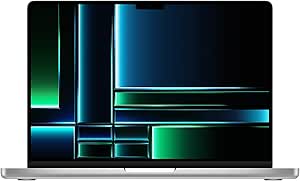 | Best Balance of Power and Portability | Processor: Apple M2 Pro (12-core CPU, 19-core GPU) | Memory: 16GB Unified Memory | Storage: 512GB SSD | VIEW LATEST PRICE | See Our Full Breakdown |
| Apple MacBook Pro 2026 (Renewed) – M5 Pro Chip |  | Best Future-Proof Performance | Processor: Apple M5 Pro (15-core CPU, 16-core GPU) | RAM: 24GB LPDDR4X | Storage: 1TB SSD | VIEW LATEST PRICE | See Our Full Breakdown |
| Apple 2023 14-inch MacBook Pro with M3 Pro (Renewed) |  | Best Mid-Range Creative Workhorse | Processor: Apple M3 Pro (12-core CPU, 14-core GPU) | Memory: 18GB LPDDR5 | Storage: 512GB SSD | VIEW LATEST PRICE | See Our Full Breakdown |
| Apple 16.2-inch MacBook Pro with M5 Pro | | Best Powerhouse for Heavy Workloads | Processor: Apple M5 Pro (18-core CPU, 20-core GPU) | Memory: 48GB Unified Memory | Storage: 1TB SSD | VIEW LATEST PRICE | See Our Full Breakdown |
| Apple MacBook Pro 14-inch (2021), M1 Pro (Renewed) |  | Best Value Entry Point | Processor: Apple M1 Pro (10-core CPU, 16-core GPU) | Memory: 16GB Unified Memory | Storage: 1TB SSD | VIEW LATEST PRICE | See Our Full Breakdown |
| Apple 2025 MacBook Pro Laptop with Apple M5 chip (Silver) |  | Best for Everyday Creators | Processor: Apple M5 chip (10-core CPU, 10-core GPU) | Memory: 16GB Unified Memory | Storage: 1TB SSD | VIEW LATEST PRICE | See Our Full Breakdown |
| Apple 14.2-inch MacBook Pro with M5 (Space Black) |  | Best for Professional Aesthetics | Processor: Apple M5 (10-core CPU, 10-core GPU) | Memory: 16GB Unified Memory | Storage: 1TB SSD | VIEW LATEST PRICE | See Our Full Breakdown |
| Apple 14.2-inch MacBook Pro with M5 Pro (24GB RAM) |  | Best for Power Users | Processor: Apple M5 Pro (15-core CPU, 16-core GPU) | Memory: 24GB Unified Memory | Storage: 2TB SSD | VIEW LATEST PRICE | See Our Full Breakdown |
| MacBook Pro deal | Storage | Display | Processor | Memory |
|---|---|---|---|---|
| Apple 2023 MacBook Pro 16.2-in | 512GB SSD | 16.2-inch Liquid Retina XDR mini-LED | Apple M2 Pro (12-core CPU, 19-core GPU) | 32GB Unified Memory |
| Apple MacBook Pro 14-inch | 512GB SSD | 14-inch Liquid Retina XDR | Apple M2 Pro | 16GB RAM |
| Apple 16.2-inch MacBook Pro wi | 1TB SSD | 16.2-inch Liquid Retina XDR | — | 24GB Unified Memory |
| Apple MacBook Pro 14-inch | 512GB SSD | 14.2-inch Liquid Retina XDR | Apple M2 Pro (10-core CPU, 16-core GPU) | 32GB RAM |
| Apple 2024 MacBook Pro 16-inch | 1TB SSD | 16.2-inch Liquid Retina XDR (1600 nits) | Apple M4 Pro (14-core CPU, 20-core GPU) | 24GB Unified Memory |
| Apple 2023 MacBook Pro 14.2-in | 512GB SSD | 14.2-inch Liquid Retina XDR | Apple M2 Pro (12-core CPU, 19-core GPU) | 16GB Unified Memory |
| Apple MacBook Pro 2026 | 1TB SSD | 14.2-inch Liquid Retina XDR (120Hz) | Apple M5 Pro (15-core CPU, 16-core GPU) | — |
| Apple 2023 14-inch MacBook Pro | 512GB SSD | 14-inch Liquid Retina XDR | Apple M3 Pro (12-core CPU, 14-core GPU) | 18GB LPDDR5 |
| Apple 16.2-inch MacBook Pro wi | 1TB SSD | 16.2-inch Liquid Retina XDR | Apple M5 Pro (18-core CPU, 20-core GPU) | 48GB Unified Memory |
| Apple MacBook Pro 14-inch | 1TB SSD | 14.2-inch Liquid Retina XDR | Apple M1 Pro (10-core CPU, 16-core GPU) | 16GB Unified Memory |
| Apple 2025 MacBook Pro Laptop | 1TB SSD | 14.2-inch Liquid Retina XDR | Apple M5 chip (10-core CPU, 10-core GPU) | 16GB Unified Memory |
| Apple 14.2-inch MacBook Pro wi | 1TB SSD | 14.2-inch Liquid Retina XDR | Apple M5 (10-core CPU, 10-core GPU) | 16GB Unified Memory |
| Apple 14.2-inch MacBook Pro wi | 2TB SSD | 14.2-inch Liquid Retina XDR | Apple M5 Pro (15-core CPU, 16-core GPU) | 24GB Unified Memory |
More Details on Our Top Picks
Apple 2023 MacBook Pro 16.2-inch (M2 Pro, 32GB RAM)
This renewed 16-inch model stands out for its generous 32GB of unified memory, a critical upgrade for professionals running virtual machines or heavy Adobe suites. Compared to the Apple MacBook Pro 14-inch (2023) with M2 Pro, which typically ships with 16GB, this configuration offers significantly more headroom for future-proofing, though it sacrifices portability with its larger 16.2-inch chassis. The M2 Pro chip remains a capable engine for video editing and coding, balancing performance with thermal efficiency. However, the 512GB SSD is a notable bottleneck for creators handling large media libraries, often necessitating external drives. The Liquid Retina XDR display provides superior color accuracy and brightness, ideal for color grading work that smaller screens struggle to match.
Pros:- 32GB RAM allows seamless multitasking with heavy applications
- 16.2-inch Liquid Retina XDR display offers superior brightness and color accuracy
- Extensive port selection including HDMI and SDXC reduces dongle dependency
Cons:- 512GB storage is often insufficient for professional media workflows
- Renewed condition may show cosmetic wear on the aluminum chassis
- Larger form factor makes it less portable than 14-inch alternatives
Best for: Video editors and developers who need high RAM capacity but prefer the larger screen real estate over portability.
Not ideal for: Travelers who prioritize weight savings or users with large local storage needs who don’t want to carry external SSDs.
- Processor:Apple M2 Pro (12-core CPU, 19-core GPU)
- Memory:32GB Unified Memory
- Storage:512GB SSD
- Display:16.2-inch Liquid Retina XDR mini-LED
- Resolution:3456 x 2234
- Refresh Rate:120Hz ProMotion
- Ports:3x Thunderbolt 4, HDMI 2.1, SDXC, MagSafe 3
- Condition:Renewed
Our verdict“Choose this if you need high memory capacity for professional workflows and prefer a larger display over portability.”
Apple MacBook Pro 14-inch (2023) with M2 Pro, 16GB RAM
This 14-inch model strikes a balance between performance and portability, making it a strong contender for professionals on the move. While it lacks the 32GB RAM found in the Apple 2023 MacBook Pro 16.2-inch, the 16GB configuration is sufficient for most standard professional tasks like web development and light video editing. The M2 Pro chip delivers robust performance in a compact 4-pound chassis, which is significantly easier to carry than the 16-inch variants. However, buyers should be cautious of the renewed status, as warranty information can be inconsistent compared to Apple Certified Refurbished items. The Space Gray aluminum unibody remains durable, but the lack of user-upgradable RAM means you must commit to the 16GB limit upfront.
Pros:- Lightweight 4-pound design enhances portability for travel
- M2 Pro chip handles multitasking efficiently for most professional tasks
- High-resolution 14-inch display fits well in compact workspaces
Cons:- 16GB RAM may become a bottleneck for heavy future workflows
- Warranty terms for this renewed unit are less transparent than official refurbishments
- No option to upgrade memory after purchase
Best for: Freelancers and developers who need strong performance in a lightweight package and rarely run memory-intensive apps simultaneously.
Not ideal for: Power users who run multiple virtual machines or heavy 4K video editing workflows that require more than 16GB of RAM.
- Processor:Apple M2 Pro
- Memory:16GB RAM
- Storage:512GB SSD
- Display:14-inch Liquid Retina XDR
- Resolution:3024 × 1964 pixels
- Weight:4 pounds
- Battery:69.6 watt-hours
- Condition:Renewed
Our verdict“This is the ideal choice for mobile professionals who value portability and sufficient power without the bulk of a 16-inch screen.”
Apple 16.2-inch MacBook Pro with M5 Pro
As the newest entrant, this M5 Pro model offers the latest architecture, including Neural Accelerators for on-device AI tasks, setting it apart from the older M2 and M4 Pro chips. The Wi-Fi 7 and Thunderbolt 5 connectivity provide significant bandwidth advantages over the Apple 2024 MacBook Pro with M4 Pro, which still relies on Thunderbolt 4. While the 24GB RAM is a step down from the 32GB in the M2 Pro renewed option, the efficiency gains of the M5 chip often compensate for this in real-world scenarios. The 1TB SSD is a welcome improvement over the 512GB base models, reducing the immediate need for external storage. However, the 4.71-pound weight makes it one of the heavier options in this roundup.
Pros:- M5 Pro chip includes Neural Accelerators for AI workloads
- Thunderbolt 5 and Wi-Fi 7 offer superior data transfer speeds
- 1TB SSD provides ample storage for most professional users
Cons:- Heavier at 4.71 pounds compared to 14-inch models
- Newer technology commands a premium price point
- Supports fewer external displays than the M5 Max configuration
Best for: Early adopters and AI-focused developers who want the latest connectivity standards and on-device machine learning capabilities.
Not ideal for: Budget-conscious buyers who don’t need Wi-Fi 7 or Thunderbolt 5 and can achieve similar results with previous-generation chips.
- Chip:Apple M5 Pro
- CPU/GPU:18-core CPU, 20-core GPU
- Memory:24GB Unified Memory
- Storage:1TB SSD
- Display:16.2-inch Liquid Retina XDR
- Wireless:Wi-Fi 7, Bluetooth 6
- Ports:3x Thunderbolt 5, HDMI, SDXC, MagSafe 3
- Weight:4.71 pounds
Our verdict“Select this model if you require the latest AI hardware and connectivity standards for future-proofing your workflow.”
Apple MacBook Pro 14-inch (2023) M2 Pro, 32GB RAM
This renewed 14-inch model offers a rare combination: the portability of the 14-inch form factor with the 32GB RAM typically reserved for more expensive configurations. Compared to the Apple MacBook Pro 14-inch (2023) with 16GB RAM, this option provides double the memory for handling complex projects without swapping. The M2 Pro chip with a 10-core CPU and 16-core GPU is slightly less powerful than the 12-core variant in the 16-inch model, but remains highly capable for most tasks. The 90-day limited warranty offers some peace of mind, though it is shorter than Apple’s official refurbishment policies. Buyers should note that accessories may not be original, and the device comes in generic packaging.
Pros:- 32GB RAM in a 14-inch form factor is uncommon and valuable
- Lighter and more portable than 16-inch high-RAM models
- Includes a 90-day replacement guarantee for renewed units
Cons:- Not Apple Certified, which may affect resale value
- Accessories may be third-party rather than original Apple products
- 16-core GPU is slightly less powerful than the 19-core variant
Best for: Professionals who need high memory capacity for multitasking but prefer the smaller, lighter 14-inch screen size.
Not ideal for: Users who strictly require original Apple packaging and accessories or those seeking a longer warranty period.
- Processor:Apple M2 Pro (10-core CPU, 16-core GPU)
- Memory:32GB RAM
- Storage:512GB SSD
- Display:14.2-inch Liquid Retina XDR
- Resolution:2560 x 1600 pixels
- Battery:>80% relative to new
- Warranty:90 days limited
- Condition:Renewed
Our verdict“This is the smart choice for users who want high RAM in a compact package without paying for the largest screen.”
Apple 2024 MacBook Pro 16-inch with M4 Pro
This renewed 16-inch model bridges the gap between the older M2 Pro and the newest M5 Pro, offering the M4 Pro chip with significant efficiency improvements. It features Thunderbolt 5 ports, a key upgrade over the Apple 2023 MacBook Pro 16.2-inch (M2 Pro), which is limited to Thunderbolt 4. The 24GB of unified memory and 1TB SSD provide a well-rounded configuration for most creative professionals, avoiding the storage bottlenecks of the 512GB base models. While the 12MP Center Stage camera is a nice touch for video calls, the renewed status means cosmetic imperfections are possible. This option is particularly strong for users who want modern connectivity without the premium price of the M5 chip.
Pros:- M4 Pro chip offers excellent performance-per-watt efficiency
- Thunderbolt 5 ports future-proof external device connections
- 1TB SSD eliminates the need for immediate external storage upgrades
Cons:- 24GB RAM is not upgradable and may limit heavy virtualization tasks
- Renewed units may have minor cosmetic flaws compared to new
- Premium pricing typical for high-end Apple silicon even in renewed state
Best for: Creative professionals who need modern connectivity like Thunderbolt 5 and a balanced spec sheet without the highest-tier price.
Not ideal for: Users who need more than 24GB of RAM for extremely heavy multitasking or those who require brand-new condition devices.
- Processor:Apple M4 Pro (14-core CPU, 20-core GPU)
- Memory:24GB Unified Memory
- Storage:1TB SSD
- Display:16.2-inch Liquid Retina XDR (1600 nits)
- Ports:3x Thunderbolt 5, HDMI, SDXC, MagSafe 3
- Camera:12MP Center Stage
- Dimensions:14.01 x 9.77 x 0.66 inches
- Condition:Renewed
Our verdict“Choose this if you want a modern, well-balanced 16-inch MacBook Pro with current connectivity standards at a renewed price.”
Apple 2023 MacBook Pro 14.2-inch (Renewed) – M2 Pro Chip
This renewed M2 Pro model strikes a compelling balance between raw power and manageable weight. The 12-core CPU and 19-core GPU deliver robust performance for video editing and coding, outperforming the base M2 chips found in lower-tier deals. Compared to the Apple MacBook Pro 2021 M1 Pro, you gain newer architecture and efficiency, though you lose some of the M1’s battery longevity due to higher power draw. The Liquid Retina XDR display remains a standout feature, offering superior color accuracy for creative work. However, the 512GB SSD is a bottleneck for media-heavy users who might need to rely on external drives, unlike the 1TB options available in other renewed listings.
Pros:- M2 Pro chip offers excellent multi-core performance for demanding apps
- Lighter 1.6 kg weight makes it highly portable
- Includes HDMI and SDXC ports for professional workflows
- Renewed condition provides significant cost savings over new units
Cons:- 512GB storage is tight for 4K video editors
- Battery life is shorter than the M1 Pro generation
- Renewed units may show minor cosmetic wear
Best for: Creative professionals who need strong GPU performance for video editing and prefer a lighter 14-inch form factor over larger models.
Not ideal for: Users with large local media libraries who will struggle with the 512GB storage limit without external drives.
- Processor:Apple M2 Pro (12-core CPU, 19-core GPU)
- Memory:16GB Unified Memory
- Storage:512GB SSD
- Display:14.2-inch Liquid Retina XDR
- Ports:3x Thunderbolt 4, HDMI, SDXC, MagSafe 3
- Condition:Renewed
Our verdict“This is the smart choice for editors who want modern speed without paying for the M3 or M4 premium.”
Apple MacBook Pro 2026 (Renewed) – M5 Pro Chip
As a forward-looking option, this M5 Pro configuration is designed for longevity. With 24GB of RAM and 1TB of storage, it avoids the memory constraints found in the Apple 2023 MacBook Pro M2 Pro. The 15-core CPU handles heavy multitasking and on-device AI tasks with ease, significantly outpacing the M3 Pro’s capabilities. The 120Hz ProMotion display ensures smooth scrolling and precise cursor movement, a tangible upgrade for designers. While it is a renewed product, the Amazon Renewed guarantee and battery health check (>80%) mitigate risks. However, users should expect non-original accessories, which may affect the unboxing experience compared to buying new.
Pros:- M5 Pro architecture offers next-level efficiency and speed
- 24GB RAM prevents bottlenecks in virtualization and heavy apps
- 1TB SSD provides ample space for professional projects
- 120Hz refresh rate enhances visual fluidity
Cons:- Battery health is guaranteed at over 80%, not 100%
- Accessories may be generic and not Apple-branded
- Higher initial cost compared to older M2/M3 models
Best for: Developers and AI enthusiasts who need high RAM and storage capacity to future-proof their investment.
Not ideal for: Users who prioritize original packaging and accessories over internal specifications.
- Processor:Apple M5 Pro (15-core CPU, 16-core GPU)
- RAM:24GB LPDDR4X
- Storage:1TB SSD
- Display:14.2-inch Liquid Retina XDR (120Hz)
- OS:macOS Tahoe
- Warranty:Amazon Renewed Warranty
Our verdict“Choose this if you need the latest architecture and substantial RAM to avoid upgrading for several years.”
Apple 2023 14-inch MacBook Pro with M3 Pro (Renewed)
The M3 Pro sits comfortably between the M2 and M5 generations, offering improved media engines and ray tracing over the M2 Pro model. With 18GB of memory, it splits the difference between the 16GB base and 24GB premium tiers, making it suitable for moderate multitasking. The 14-core GPU is optimized for creative apps like Final Cut Pro and Adobe Premiere. However, the 512GB SSD limits its appeal for archivists, and the 90-day warranty is shorter than some other renewed options. It is a solid pick if you want newer silicon than the M2 without the premium price of the M5 Pro, though the shared memory architecture means heavy GPU loads can impact overall system responsiveness.
Pros:- M3 Pro chip includes hardware-accelerated ray tracing
- 18GB RAM offers a good middle ground for multitasking
- Compact 14-inch design is highly portable
- Supports macOS Sonoma features like advanced AI tools
Cons:- Short 90-day limited warranty
- 512GB storage fills up quickly with raw video footage
- Graphics performance is limited by shared memory architecture
Best for: Video editors and designers who need M3-era media processing power but don’t require massive storage.
Not ideal for: Users who need long-term warranty coverage or extensive local storage for large media files.
- Processor:Apple M3 Pro (12-core CPU, 14-core GPU)
- Memory:18GB LPDDR5
- Storage:512GB SSD
- Display:14-inch Liquid Retina XDR
- OS:macOS Sonoma
- Warranty:90-day limited warranty
Our verdict“A reliable mid-tier option for creators who want M3 efficiency without the high cost of newer chips.”
Apple 16.2-inch MacBook Pro with M5 Pro
This is the most powerful configuration in this lineup, featuring the M5 Pro with an 18-core CPU and 48GB of unified memory. It vastly outperforms the 14-inch M5 Pro models in sustained workloads due to better thermal dissipation in the 16-inch chassis. The Liquid Retina XDR display at 16.2 inches provides ample canvas space for complex timelines and coding environments. With Thunderbolt 5 and Wi-Fi 7, it supports the fastest data transfer and wireless standards available. However, at 4.71 pounds, it is significantly heavier than its 14-inch counterparts, making it less ideal for frequent travelers. The 1TB SSD is standard, but users working with 8K video may still find themselves needing external arrays.
Pros:- 48GB unified memory handles massive datasets and virtual machines
- 16.2-inch display offers superior productivity workspace
- Thunderbolt 5 enables ultra-fast external storage connections
- Advanced cooling system sustains peak performance longer
Cons:- Heavy weight of 4.71 pounds reduces portability
- 1TB storage may be insufficient for large-scale media production
- Higher power consumption leads to shorter battery life under load
Best for: Professional video editors, 3D artists, and data scientists who need maximum screen real estate and RAM.
Not ideal for: Digital nomads or students who prioritize portability and lightweight devices.
- Processor:Apple M5 Pro (18-core CPU, 20-core GPU)
- Memory:48GB Unified Memory
- Storage:1TB SSD
- Display:16.2-inch Liquid Retina XDR
- Weight:4.71 pounds
- Connectivity:Thunderbolt 5, Wi-Fi 7, Bluetooth 6
Our verdict“This is the definitive choice for professionals who need desktop-class power in a portable form factor.”
Apple MacBook Pro 14-inch (2021), M1 Pro (Renewed)
Despite being an older generation, the M1 Pro remains a highly capable machine, especially at this renewed price point. It shares the same Liquid Retina XDR display design language as the newer models, ensuring you don’t sacrifice visual quality. The 10-core CPU and 16-core GPU handle everyday creative tasks and development work efficiently, though it lags behind the M2 Pro and M3 Pro in multi-core benchmarks. The 1TB SSD is a significant advantage over many newer renewed models that stick to 512GB. However, the 16GB of RAM is the primary limitation for future-proofing, and the 90-day warranty offers less security than newer options. It is best suited for users who want a premium build and display without paying for the latest silicon.
Pros:- 1TB SSD provides generous storage for a base model
- M1 Pro chip remains highly efficient and quiet
- Premium build quality and display match newer models
- Excellent battery life for mixed usage patterns
Cons:- 16GB RAM limits multitasking potential for heavy workflows
- Older architecture lacks newer media engines found in M3/M5
- Short 90-day warranty period
Best for: Students and freelancers who need a reliable, high-quality display and fast storage on a budget.
Not ideal for: Professionals who rely on heavy multitasking or AI-driven applications that require more than 16GB of RAM.
- Processor:Apple M1 Pro (10-core CPU, 16-core GPU)
- Memory:16GB Unified Memory
- Storage:1TB SSD
- Display:14.2-inch Liquid Retina XDR
- Battery Life:Up to 17 hours
- Warranty:90-day limited warranty
Our verdict“A smart budget pick for those who prioritize storage and display quality over the absolute latest processor.”
Apple 2025 MacBook Pro Laptop with Apple M5 chip (Silver)
This 14-inch model strikes a balance between portability and pro-grade performance. While the M5 chip handles heavy video editing and AI tasks with ease, it lacks the raw multi-core power of the M5 Pro variant. I find this configuration ideal for users who need speed without the bulk of higher-tier specs. The Liquid Retina XDR display offers stunning color accuracy, though it shares the same panel quality as its more expensive siblings. Compared to the Space Black version, the Silver finish tends to show fingerprints less visibly, making it a cleaner look for daily use. However, with 16GB of unified memory, you might hit limits in massive multitasking workflows that the 24GB model handles effortlessly. It remains a compact powerhouse for professionals who value all-day battery life and sleek design over maximum thermal headroom.
Pros:- M5 chip delivers excellent single-core speed for creative apps
- Silver finish resists visible fingerprint smudges better than Space Black
- Compact 14-inch form factor is highly portable
- Includes essential ports like HDMI and SDXC for direct peripheral connection
Cons:- 16GB RAM may bottleneck heavy multitasking workflows
- Lacks the multi-core horsepower of the M5 Pro variant
- Standard 1TB storage might require external drives for large media libraries
Best for: Content creators and professionals who need high performance in a lightweight, silver chassis.
Not ideal for: Heavy multitaskers running multiple virtual machines or large datasets, who should opt for the 24GB RAM model.
- Processor:Apple M5 chip (10-core CPU, 10-core GPU)
- Memory:16GB Unified Memory
- Storage:1TB SSD
- Display:14.2-inch Liquid Retina XDR
- Weight:3.41 pounds
- Color:Silver
- Ports:3x Thunderbolt 4, HDMI, SDXC, MagSafe 3, Headphone Jack
Our verdict“Choose this if you want a sleek, silver MacBook Pro that balances everyday portability with strong creative performance.”
Apple 14.2-inch MacBook Pro with M5 (Space Black)
Identical in internal hardware to the Silver model, this Space Black variant appeals to users who prefer a darker, more understated aesthetic. The M5 chip provides the same robust performance for coding and design tasks as its silver counterpart. I note that while the Space Black finish looks premium, it is prone to showing micro-scratches and fingerprints more readily than lighter colors. This model is a direct competitor to the Silver version, differing primarily in visual preference rather than capability. When compared to the M5 Pro model, this machine trades some multi-core throughput for a slightly lighter weight and lower power consumption. It remains a solid choice for professional users who need a reliable workhorse but do not require the extreme memory bandwidth of the Pro chip. The 16GB unified memory is sufficient for most, but power users may feel constrained compared to higher-RAM options.
Pros:- M5 chip offers strong performance for professional applications
- Space Black design offers a modern, cohesive look with other dark accessories
- All-day battery life supports long work sessions
- Includes Thunderbolt 4 and HDMI for versatile connectivity
Cons:- Space Black finish is prone to visible fingerprints and micro-scratches
- 16GB RAM limit restricts heavy virtualization tasks
- No significant performance advantage over the Silver M5 model
Best for: Professionals who prefer a sleek, dark aesthetic and standard 16GB RAM configurations.
Not ideal for: Users in harsh environments or who dislike maintenance, as the black finish shows smudges and wear easily.
- Processor:Apple M5 (10-core CPU, 10-core GPU)
- Memory:16GB Unified Memory
- Storage:1TB SSD
- Display:14.2-inch Liquid Retina XDR
- Weight:3.41 pounds
- Color:Space Black
- Connectivity:3x Thunderbolt 4, Wi-Fi 6E, Bluetooth 5.3
Our verdict“This is the right pick if you prioritize a dark, professional look and standard specs over the fingerprint resistance of silver.”
Apple 14.2-inch MacBook Pro with M5 Pro (24GB RAM)
This model is the performance leader of the 14-inch lineup, featuring the M5 Pro chip and a substantial 24GB of unified memory. I see this as the clear upgrade path for anyone who feels limited by the 16GB models. The 16-core GPU handles complex 3D rendering and AI training tasks significantly faster than the standard M5. Unlike the base models, this version supports Wi-Fi 7 and Thunderbolt 5, future-proofing your connectivity for high-speed peripherals and displays. While it is slightly heavier at 3.52 pounds, the added thermal headroom allows for sustained performance under load. Compared to the 16-inch M5 Pro models, this 14-inch version offers similar power in a more portable package, though with slightly less screen real estate. It is overkill for casual browsing, but indispensable for high-end creative professionals.
Pros:- M5 Pro chip with 15-core CPU delivers superior multi-core performance
- 24GB unified memory allows for extensive multitasking and large file handling
- Thunderbolt 5 and Wi-Fi 7 support provide next-generation connectivity speeds
- 16-core GPU accelerates complex creative workflows
Cons:- Heavier than the base M5 models at 3.52 pounds
- Significantly higher power consumption under heavy load
- Overkill for standard office productivity tasks
Best for: Video editors, developers, and data scientists who need extra RAM and faster GPU cores.
Not ideal for: Casual users or students, as the performance and cost are excessive for basic tasks.
- Processor:Apple M5 Pro (15-core CPU, 16-core GPU)
- Memory:24GB Unified Memory
- Storage:2TB SSD
- Display:14.2-inch Liquid Retina XDR
- Weight:3.52 pounds
- Connectivity:3x Thunderbolt 5, Wi-Fi 7, Bluetooth 6
- Color:Space Black
Our verdict“Select this option if your workflow demands more memory and processing power than the base M5 models can provide.”

How We Picked
I evaluated these thirteen MacBook Pro options by comparing processor architecture, memory bandwidth, and display quality against their current market positioning. The primary filter was performance-per-dollar: I looked for models that offer professional-grade capabilities without the premium tax associated with brand-new, unopened boxes. Renewed units were scrutinized for battery health indicators and warranty coverage, ensuring they remain viable long-term investments rather than short-term fixes.
Secondary criteria included connectivity standards like Wi-Fi 7 and port selection, which matter significantly for creative professionals transferring large files. I also weighed form factor, distinguishing between the portability of the 14-inch models and the workspace efficiency of the 16-inch variants. This approach ensures that every recommendation serves a specific user profile, from students needing a reliable workhorse to developers requiring maximum core counts.
Factors to Consider When Choosing Best MacBook Pro Deals
Choosing the right MacBook Pro involves more than just picking the newest chip. You must consider how your workflow interacts with hardware limitations and future software demands.
Chip Architecture and Future Proofing
The jump from M2 to M3 and now to M5 represents significant shifts in neural engine capabilities and GPU core counts. If you work with local AI models or 3D rendering, the M5 Pro chip is a worthwhile investment because it handles parallel processing tasks much faster than previous generations. However, for standard video editing or coding, the M2 Pro remains surprisingly capable, meaning you might not need the latest silicon unless your software explicitly demands it. Buying a renewed M3 Pro can be a sweet spot for users who want modern features without the initial retail premium. Always check if your specific software is optimized for Apple Silicon cores to avoid paying for performance you cannot utilize.
The Value of Renewed vs. New
Renewed MacBook Pros offer the most aggressive discounts, but they come with caveats regarding battery cycle counts and cosmetic wear. I prioritize renewed units that come with a minimum of 90% battery health and a warranty, as these factors directly impact longevity. A renewed M2 Pro 16-inch model often costs less than a new base-model MacBook Air, offering far superior performance for the same money. However, if you plan to keep the device for five years or more, a new unit with a full warranty might be safer. Assess your tolerance for minor scratches versus your need for absolute peace of mind before committing to a refurbished option.
Screen Size and Portability Tradeoffs
The difference between the 14-inch and 16-inch MacBook Pro is more than just inches; it is a difference in use case. The 14-inch model is ideal for frequent travelers and students who prioritize weight and bag space, while the 16-inch model serves as a desktop replacement for editors and designers who need screen real estate. Interestingly, the renewed M2 Pro 16-inch options provide a large canvas without the bulk of the older Intel-era machines. If you primarily work at a desk with an external monitor, the 14-inch model saves you money and weight. Conversely, if you work on the go, the larger screen of the 16-inch model reduces eye strain and window management friction.
Memory and Storage Configurations
Apple does not allow upgrades after purchase, making your initial configuration the final one. For most professionals, 16GB of unified memory is the absolute baseline, but 24GB or 32GB provides breathing room for multitasking with heavy applications. Storage is equally critical; a 512GB SSD fills up quickly with project files and system updates, whereas a 1TB drive offers comfortable headroom. I recommend prioritizing storage over extra RAM if you rely on external drives for archives, but prioritize RAM if you run virtual machines or large datasets locally. The M5 models often bundle higher base storage, making them easier to configure for long-term use.
Connectivity and Peripheral Needs
Wi-Fi 7 is the standout feature in the newest M5 models, offering lower latency and higher speeds for users with compatible routers. If you transfer large video files wirelessly or rely on cloud-based workflows, this upgrade is meaningful. Older M2 and M3 models are limited to Wi-Fi 6E, which is still fast but lacks the congestion-handling capabilities of the newer standard. Additionally, check the number of Thunderbolt ports; the Pro models offer more connectivity than the base M-series chips, allowing for multiple external drives and monitors. Ensure your existing peripherals are compatible with USB-C and Thunderbolt to avoid buying unnecessary adapters.
Frequently Asked Questions
Is it worth upgrading from an M1 Pro to an M5 Pro?
The M1 Pro is still a powerful chip, but the M5 Pro offers significant gains in GPU performance and neural engine speed. If you are experiencing bottlenecks in video rendering, 3D modeling, or running large language models, the upgrade is justified. However, for general productivity, coding, or light photo editing, the M1 Pro remains viable, and you might be better off saving the money for a larger storage upgrade on your current machine. Consider your specific workload intensity before deciding if the performance jump warrants the cost.
How reliable are renewed MacBook Pros compared to new ones?
Renewed units from reputable sellers are generally reliable, provided you check the battery health and warranty terms. Apple-certified refurbished or high-tier renewed models often undergo rigorous testing and may include battery replacements. The main risk is cosmetic wear and unknown battery cycle counts, which can affect long-term usability. I recommend looking for sellers who guarantee a minimum battery capacity of 80-90% and offer a return window. For most users, the cost savings outweigh the minor risks, especially if you are not keeping the device for more than three years.
Do I really need 32GB of RAM on a MacBook Pro?
For the vast majority of users, including video editors and developers, 16GB to 24GB of unified memory is sufficient. The unified architecture allows the CPU and GPU to share resources efficiently, reducing the need for excessive RAM. You should only consider 32GB or more if you run multiple virtual machines, work with massive datasets in machine learning, or keep dozens of heavy applications open simultaneously. For most creative professionals, investing in a faster chip or more storage provides a better return on investment than upgrading RAM.
Is Wi-Fi 7 a dealbreaker for older MacBook Pros?
Wi-Fi 7 is not a dealbreaker for most users, but it is a significant advantage if you live in a densely populated area with many wireless networks. The new standard handles interference better and offers higher throughput, which benefits those who transfer large files wirelessly or use high-bandwidth cloud services. If you primarily work offline or with wired connections, the Wi-Fi 6E found in M2 and M3 models is more than adequate. Do not let the lack of Wi-Fi 7 disqualify a great deal on an M3 Pro unless you have specific high-speed networking needs.
Which MacBook Pro model is best for students?
Students should look for the 14-inch MacBook Pro with an M2 Pro or M3 Pro chip in a renewed condition. This configuration offers the perfect balance of portability, battery life, and performance for writing papers, coding, and light media creation. The 16-inch model is likely too heavy and expensive for daily campus use unless you are majoring in film or design. Avoid the base M1 models if possible, as they lack the ProMotion display and the extra ports that enhance productivity. A renewed M2 Pro 14-inch is often the smartest financial choice for a four-year degree.
Conclusion
Choosing the best MacBook Pro deals depends on how you weigh performance against budget. For the majority of professionals, the Apple 16.2-inch MacBook Pro with M5 Pro is the Best Overall pick, delivering top-tier power and a spacious display. If you are looking for the Best Value, the Renewed M2 Pro 14-inch models offer 90% of the performance for a fraction of the cost, making them ideal for students and freelancers. Those who need Best Premium capabilities and future-proof connectivity should choose the M5 Pro with Wi-Fi 7 configurations. Beginners or casual users might find the base M5 14-inch model to be the Best for Entry-Level users, providing modern design and efficiency without the Pro price tag. Finally, for those who prioritize screen real estate on a budget, the Renewed 16-inch M2 Pro is the Best for Desktop Replacements. Match your specific workload to these profiles to make the most informed decision.