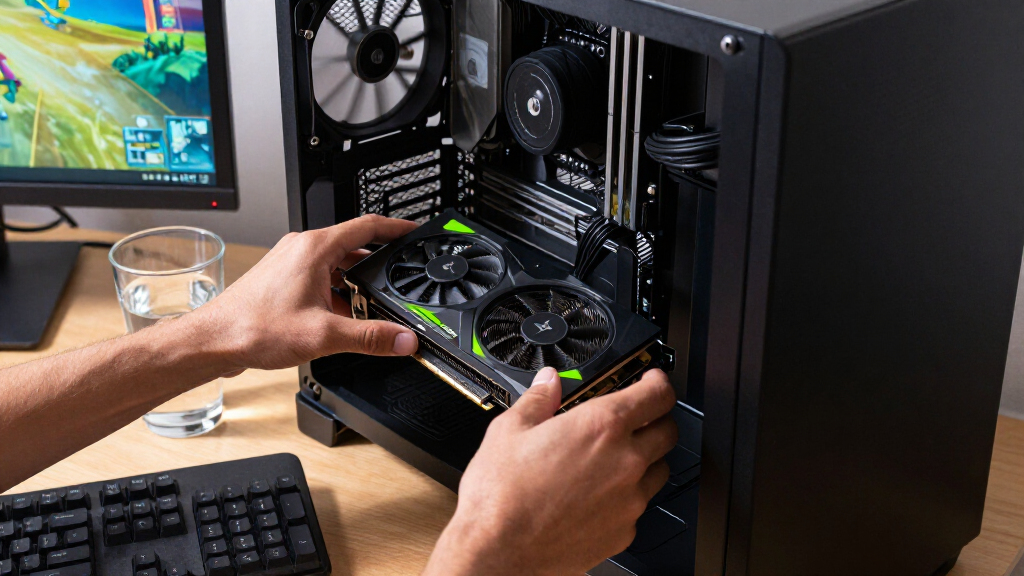

The best NVIDIA graphics card for most buyers in this roundup is the ASUS Prime RTX 5070 Ti: its 16GB of memory and upper-tier GPU make it a strong fit for demanding gaming and creative workloads without stepping up to an RTX 5080. For a more accessible current-generation option, the ASUS Prime RTX 5070 offers a lower hardware tier, while the RTX 5080 Founders Edition suits buyers seeking flagship performance in NVIDIA’s own design. The lineup ranges from older, modest cards to large, power-hungry premium models, so the main tradeoffs are capability, memory, system fit, and how much performance your work actually needs. Product names and memory specs matter, but case clearance, power supply capacity, and monitor resolution can change which card makes sense. Read on for the full breakdown and guidance on matching a card to your PC and workload.

Get the latest gadgets delivered free with Prime
- Fast, free delivery on millions of items
- Prime Video, Amazon Music and more included
- Member-only deals all year
Complete the kit



Key Takeaways
- The ASUS Prime RTX 5070 Ti is the roundup’s best overall balance: 16GB of GDDR7 gives it more memory headroom than the 12GB RTX 5070 models, without requiring an RTX 5080-class build.
- RTX 5080 options differ more in design and installation demands than GPU tier: the Founders Edition, MSI Ventus, ASUS TUF, ASUS ROG Astral, and MSI SUPRIM Liquid SOC share the same GPU family but offer distinct cooling, size, and build approaches.
- Memory capacity alone does not make an older card a better choice: the RTX 3060 12GB models have more VRAM than the listed RTX 5060 8GB, but generation, workload, and performance needs all matter.
- The entry-level choices involve real compromises: the GT 1030 DDR4, RTX 3050 6GB, and RTX 3050 6G Ventus are aimed at modest workloads, not high-resolution gaming or demanding creation.
- Card fit and power planning separate sensible upgrades from costly mismatches: the three-fan and liquid-cooled RTX 5080 designs call for more build planning than a compact dual-fan card.
| MSI Gaming RTX 3050 Ventus 2X 6G OC Graphics Card |  | Best Compact Entry-Level RTX Card | Chipset: GeForce RTX 3050 | Memory: 6GB GDDR6 | Memory interface: 96-bit | VIEW LATEST PRICE | See Our Full Breakdown |
| MSI Gaming GeForce GT 1030 4GB DDR4 OC Graphics Card |  | Best for Basic Display and Multimedia | Chipset: NVIDIA GeForce GT 1030 | Memory: 4GB DDR4 | Memory interface: 64-bit | VIEW LATEST PRICE | See Our Full Breakdown |
| MSI Gaming GeForce RTX 3060 12GB GDDR6 PCIe 4.0 Graphics Card with Dual Fans |  | Best for VRAM-Heavy Gaming | Graphics processor: NVIDIA GeForce RTX 3060 | Memory: 12GB GDDR6 | GPU clock speed: 1837 MHz | VIEW LATEST PRICE | See Our Full Breakdown |
| ASUS Dual NVIDIA GeForce RTX 5060 8GB GDDR7 OC Edition |  | Best for New-Generation Features | Architecture: NVIDIA Blackwell | Memory: 8GB GDDR7 | AI performance: Up to 623 AI TOPS | VIEW LATEST PRICE | See Our Full Breakdown |
| ASUS Dual GeForce RTX 4060 Ti 16GB GDDR7 OC Edition Gaming Graphics Card |  | Best for High-Memory Cooling Flexibility | GPU architecture: NVIDIA Blackwell | Memory: 16GB GDDR7 | OC-mode clock: 2632 MHz | VIEW LATEST PRICE | See Our Full Breakdown |
| ASUS Prime NVIDIA GeForce RTX 5070 Ti 16GB GDDR7 OC Edition Gaming Graphics Card |  | Best for Compact High-Performance Builds | GPU: NVIDIA GeForce RTX 5070 Ti | Memory: 16GB GDDR7 | GPU clock speed: 2527 MHz | VIEW LATEST PRICE | See Our Full Breakdown |
| MSI Gaming RTX 5080 16G Ventus 3X OC Black Graphics Card (16GB GDDR7, 256-bit, 2640 MHz, DisplayPort x 3, HDMI 2.1b, NVIDIA Blackwell Architecture) |  | Best for a Straightforward RTX 5080 Build | GPU: NVIDIA GeForce RTX 5080 | Memory: 16GB GDDR7 | Memory interface: 256-bit | VIEW LATEST PRICE | See Our Full Breakdown |
| ASUS TUF Gaming GeForce RTX 5080 16GB GDDR7 OC Edition Graphics Card | 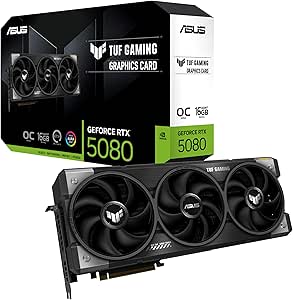 | Best for Durability-Focused RTX 5080 Builds | GPU architecture: NVIDIA Blackwell | Memory: 16GB GDDR7 | Boost clock: 2730 MHz | VIEW LATEST PRICE | See Our Full Breakdown |
| MSI Gaming GeForce RTX 3060 Ventus 2X 12G OC V1 Graphics Card |  | Best for Entry-Level NVIDIA Gaming on a Legacy Platform | GPU: NVIDIA GeForce RTX 3060 | Architecture: NVIDIA Ampere | Memory: 12GB GDDR6 | VIEW LATEST PRICE | See Our Full Breakdown |
| ASUS Prime GeForce RTX 5070 12GB GDDR7 OC Edition Gaming Graphics Card |  | Best for SFF-Friendly RTX 50-Series Builds | GPU: NVIDIA GeForce RTX 5070 | Architecture: NVIDIA Blackwell | Memory: 12GB GDDR7 | VIEW LATEST PRICE | See Our Full Breakdown |
| ASUS TUF Gaming GeForce RTX 5070 12GB GDDR7 OC Edition Graphics Card |  | Best for Durability-Focused 1440p Gaming | GPU: NVIDIA GeForce RTX 5070 | Memory: 12GB GDDR7 | GPU clock speed: 2640 MHz | VIEW LATEST PRICE | See Our Full Breakdown |
| MSI GeForce RTX 5080 16G SUPRIM Liquid SOC Graphics Card |  | Best Liquid-Cooled RTX 5080 | GPU: NVIDIA GeForce RTX 5080 | Video memory: 16GB GDDR7 | Memory interface: 256-bit | VIEW LATEST PRICE | See Our Full Breakdown |
| ASUS Dual GeForce RTX 3050 6GB GDDR6 OC Edition Gaming Graphics Card |  | Best Compact NVIDIA Card for Entry-Level Builds | GPU: NVIDIA GeForce RTX 3050 | Memory: 6GB GDDR6 | GPU clock speed: 1500 MHz | VIEW LATEST PRICE | See Our Full Breakdown |
| ASUS ROG Astral GeForce RTX 5080 16GB GDDR7 White OC Edition Graphics Card |  | Best Premium White RTX 5080 | GPU: NVIDIA GeForce RTX 5080 | Memory: 16GB GDDR7 | GPU clock speed: 2790 MHz | VIEW LATEST PRICE | See Our Full Breakdown |
| NVIDIA GeForce RTX 5080 Founders Edition |  | Best Straightforward RTX 5080 | GPU: NVIDIA GeForce RTX 5080 | Memory: 16GB GDDR7 | GPU clock speed: 2806 MHz | VIEW LATEST PRICE | See Our Full Breakdown |
| NVIDIA graphics card | Memory | Video outputs | Dimensions | GPU |
|---|---|---|---|---|
| MSI Gaming RTX 3050 Ventus 2X | 6GB GDDR6 | HDMI 2.1a; DisplayPort 1.4a | 7.4 × 4.3 inches | — |
| MSI Gaming GeForce GT 1030 4GB | 4GB DDR4 | 1 × DisplayPort 1.4a; 1 × HDMI 2.0b | — | — |
| MSI Gaming GeForce RTX 3060 12 | 12GB GDDR6 | 3 × DisplayPort 1.4a; 1 × HDMI 2.1 | 9.25 × 4.88 inches | — |
| ASUS Dual NVIDIA GeForce RTX 5 | 8GB GDDR7 | HDMI 2.1b; DisplayPort 2.1b | — | — |
| ASUS Dual GeForce RTX 4060 Ti | 16GB GDDR7 | — | — | — |
| ASUS Prime NVIDIA GeForce RTX | 16GB GDDR7 | 3 × DisplayPort 2.1a, 2 × HDMI 2.1b | 12 × 5 inches | NVIDIA GeForce RTX 5070 Ti |
| MSI Gaming RTX 5080 16G Ventus | 16GB GDDR7 | 3 × DisplayPort 2.1a, HDMI 2.1b | — | NVIDIA GeForce RTX 5080 |
| ASUS TUF Gaming GeForce RTX 50 | 16GB GDDR7 | — | 348mm length; 3.6-slot design | — |
| MSI Gaming GeForce RTX 3060 Ve | 12GB GDDR6 | 3 × DisplayPort 1.4a, 1 × HDMI 2.1 | — | NVIDIA GeForce RTX 3060 |
| ASUS Prime GeForce RTX 5070 12 | 12GB GDDR7 | — | 12 × 5 inches | NVIDIA GeForce RTX 5070 |
| ASUS TUF Gaming GeForce RTX 50 | 12GB GDDR7 | 3 x DisplayPort 2.1a, 2 x HDMI 2.1b | 13 x 5.5 inches; 3.125-slot design | NVIDIA GeForce RTX 5070 |
| MSI GeForce RTX 5080 16G SUPRI | — | 3 x DisplayPort 2.1a, HDMI 2.1b | 10.5 x 4.4 inches | NVIDIA GeForce RTX 5080 |
| ASUS Dual GeForce RTX 3050 6GB | 6GB GDDR6 | — | 7.9 x 4.7 inches; two-slot design | NVIDIA GeForce RTX 3050 |
| ASUS ROG Astral GeForce RTX 50 | 16GB GDDR7 | 2 x HDMI 2.1b, 3 x DisplayPort 2.1b | 14.1 x 5.9 inches; 3.8-slot design | NVIDIA GeForce RTX 5080 |
| NVIDIA GeForce RTX 5080 Founde | 16GB GDDR7 | HDMI and DisplayPort | — | NVIDIA GeForce RTX 5080 |
More Details on Our Top Picks
MSI Gaming RTX 3050 Ventus 2X 6G OC Graphics Card
The RTX 3050 Ventus 2X 6G OC is the more gaming-capable entry-level pick here: unlike the MSI GT 1030, it has an RTX chipset and 6GB of GDDR6 memory, making it better suited to modern games and graphics features. Its 7.4-inch length also gives it an advantage for compact builds over the larger RTX 3060 in this lineup. The tradeoff is its 6GB memory and 96-bit interface, which limit headroom for demanding settings and high-resolution textures. Dual fans provide active cooling, while HDMI 2.1a and DisplayPort 1.4a support a range of displays. I’d choose it for a small, modest gaming PC, not as a substitute for the RTX 3060’s extra memory or the newer RTX 5060’s Blackwell features.
Pros:- Compact 7.4-inch length suits many smaller PC cases.
- RTX 3050 chipset is more capable for gaming than the GT 1030.
- 6GB GDDR6 memory and dual fans support a more substantial gaming setup than basic display cards.
- HDMI 2.1a and DisplayPort 1.4a provide current display connectivity.
Cons:- 6GB of VRAM and a 96-bit memory interface constrain demanding games and texture settings.
- Less memory capacity than the RTX 3060’s 12GB.
- Does not offer the newer Blackwell generation features listed for the RTX 5060.
Best for: Builders with a compact case who want an entry-level NVIDIA RTX card for casual gaming and everyday graphics work.
Not ideal for: Players targeting demanding games, high texture settings, or substantial ray-tracing workloads; the 6GB memory and narrow interface offer limited headroom.
- Chipset:GeForce RTX 3050
- Memory:6GB GDDR6
- Memory interface:96-bit
- Boost clock:1492 MHz
- Video memory speed:14 Gbps
- Video outputs:HDMI 2.1a; DisplayPort 1.4a
- Dimensions:7.4 × 4.3 inches
- Cooling:Dual fans
Our verdict“Choose this compact RTX card for modest gaming in a smaller build, but step up to the RTX 3060 if you need more memory headroom.”
MSI Gaming GeForce GT 1030 4GB DDR4 OC Graphics Card
The MSI GT 1030 4GB DDR4 is the simplest card in this group, aimed at adding discrete graphics and basic multimedia support rather than delivering modern gaming performance. Its single-fan design and HDMI and DisplayPort outputs make it a practical fit for straightforward desktop builds. Compared with the RTX 3050 Ventus 2X, though, it lacks an RTX-class chipset and uses slower DDR4 memory on a 64-bit interface, so buyers should not expect similar gaming capability. DirectX 12 support is useful for compatibility, but it does not change the card’s entry-level performance position. I’d shortlist it for light games, video playback, or a desktop that needs display connections; gamers seeking stronger performance should move up to the RTX 3050 or RTX 3060.
Pros:- Compact single-fan design can suit smaller desktop builds.
- Includes both HDMI 2.0b and DisplayPort 1.4a outputs.
- 4GB of memory supports basic graphics and multimedia tasks.
- DirectX 12 support helps with software compatibility.
Cons:- DDR4 memory and a 64-bit interface limit graphics bandwidth.
- Not a suitable pick for demanding modern gaming.
- Only one HDMI and one DisplayPort connection are specified.
Best for: Desktop builders who need a basic NVIDIA card for multimedia, everyday display output, and light gaming.
Not ideal for: Gamers who want modern titles at demanding settings or RTX features; the GT 1030 sits well below the RTX 3050 and RTX 3060 in this lineup.
- Chipset:NVIDIA GeForce GT 1030
- Memory:4GB DDR4
- Memory interface:64-bit
- Boost clock:1430 MHz
- Video outputs:1 × DisplayPort 1.4a; 1 × HDMI 2.0b
- Cooling:Single fan
- Graphics API support:DirectX 12
Our verdict“Pick the GT 1030 for basic desktop graphics and multimedia, not for a gaming build that could use the RTX 3050 instead.”
MSI Gaming GeForce RTX 3060 12GB GDDR6 PCIe 4.0 Graphics Card with Dual Fans
The MSI RTX 3060 with 12GB GDDR6 stands out for memory capacity: it doubles the RTX 3050 Ventus 2X’s 6GB, giving games with large textures and graphics workloads more room. It also includes ray-tracing and Tensor Cores, placing it well above the GT 1030 for gaming capability. Unlike the newer Blackwell-based RTX 5060, however, this is an older-generation option, and its listed specifications do not include the newer card’s DLSS 4 support. The dual-fan cooler and three DisplayPort outputs plus HDMI 2.1 suit multi-display setups, but its 9.25-inch length calls for a case check. I’d favor it over the RTX 3050 when memory headroom matters, while buyers prioritizing newer-generation features should compare it with the RTX 5060.
Pros:- 12GB GDDR6 provides substantially more memory capacity than the RTX 3050’s 6GB.
- Ray-tracing and Tensor Cores support modern graphics workloads.
- Three DisplayPort outputs and one HDMI connection suit multi-display setups.
- Dual-fan cooling and a three-year warranty are specified.
Cons:- Its 9.25-inch length may not fit compact cases.
- It is an older-generation option compared with the Blackwell RTX 5060.
- The supplied data does not clearly distinguish boost clock from GPU clock.
Best for: PC gamers and graphics users who want 12GB of VRAM for larger textures, high-resolution displays, or memory-hungry workloads.
Not ideal for: Small-case builders and buyers who specifically want newer Blackwell-generation features such as the RTX 5060’s listed DLSS 4 support.
- Graphics processor:NVIDIA GeForce RTX 3060
- Memory:12GB GDDR6
- GPU clock speed:1837 MHz
- Video outputs:3 × DisplayPort 1.4a; 1 × HDMI 2.1
- Maximum display resolution:7680 × 4320
- Dimensions:9.25 × 4.88 inches
- Cooling:Dual fans
- Interface:PCI-Express x16
Our verdict“Choose the RTX 3060 when 12GB of VRAM matters more than having the newer-generation features listed for the RTX 5060.”
ASUS Dual NVIDIA GeForce RTX 5060 8GB GDDR7 OC Edition
The ASUS Dual RTX 5060 OC brings the newest stated architecture in this five-card group: NVIDIA Blackwell, GDDR7 memory, PCIe 5.0, and DLSS 4. Its 623 AI TOPS and 2565 MHz OC-mode clock make it the feature-forward choice over the older RTX 3060, whose main advantage here is its larger 12GB memory pool. That capacity difference matters: the RTX 5060 has 8GB, so buyers handling large textures or memory-heavy tasks may prefer the RTX 3060 despite its older generation. Axial-tech cooling and newer display standards add flexibility, but the supplied details leave power requirements and dimensions unspecified, so check system compatibility before buying. I’d choose this card for Blackwell-era features, not for maximum VRAM in this lineup.
Pros:- Blackwell architecture and DLSS 4 bring newer-generation features than the RTX 3060.
- 8GB of GDDR7 memory and PCIe 5.0 provide a modern platform.
- HDMI 2.1b and DisplayPort 2.1b support current display standards.
- Axial-tech fan design and a three-year warranty are specified.
Cons:- 8GB of memory is less than the RTX 3060’s 12GB.
- The provided product data does not list dimensions or power requirements.
- Its feature set may matter less to buyers focused on memory capacity over newer-generation tools.
Best for: Gamers and creators who want a newer Blackwell card with DLSS 4, GDDR7, and current display connectivity.
Not ideal for: Users whose games or creative workloads need more than 8GB of graphics memory, or builders who need confirmed dimensions and power details before choosing.
- Architecture:NVIDIA Blackwell
- Memory:8GB GDDR7
- AI performance:Up to 623 AI TOPS
- OC-mode clock:2565 MHz
- Default-mode clock:2535 MHz
- Interface:PCIe 5.0
- Cooling:Axial-tech fan design
- Video outputs:HDMI 2.1b; DisplayPort 2.1b
Our verdict“Choose the RTX 5060 for Blackwell, DLSS 4, and newer connectivity, but favor the RTX 3060 if 12GB of VRAM is the priority.”
ASUS Dual GeForce RTX 4060 Ti 16GB GDDR7 OC Edition Gaming Graphics Card
The ASUS Dual RTX 4060 Ti 16GB OC pairs a large 16GB memory capacity with a 2.5-slot cooler, dual BIOS, and 0dB operation. That mix makes it a more memory-focused choice than the RTX 5060, which lists 8GB, while the 5060 is the clearer pick for buyers seeking explicitly named Blackwell architecture, DLSS 4, and newer display standards. The supplied data calls this card Blackwell too, but gives no output details or PCIe version, so comparisons on those points are not possible from the listing. Its dual BIOS lets buyers select between performance and quieter operation, and ball-bearing axial-tech fans support the cooling setup. The 2.5-slot size and OC mode make it a less natural fit for small or power-constrained builds.
Pros:- 16GB GDDR7 offers twice the memory capacity listed for the RTX 5060.
- Dual BIOS provides performance and quieter operating modes.
- 2.5-slot design and axial-tech fans support heat management.
- 0dB technology and dual ball-bearing fan bearings are specified.
Cons:- The 2.5-slot design may not fit compact cases.
- The supplied data does not list video outputs or interface details.
- OC-mode operation may require attention to system power and cooling capacity.
Best for: Gamers and creators who want 16GB of graphics memory, selectable BIOS modes, and a substantial air-cooling design.
Not ideal for: Small-case builders or shoppers who need confirmed video-output and interface details before selecting a card.
- GPU architecture:NVIDIA Blackwell
- Memory:16GB GDDR7
- OC-mode clock:2632 MHz
- Default-mode clock:2602 MHz
- Design:2.5-slot
- Fan technology:Axial-tech
- Fan bearings:Dual ball bearings
- Features:0dB technology; Dual BIOS
Our verdict“Choose this ASUS for its 16GB memory and adjustable cooling behavior, provided your case can accommodate its 2.5-slot design.”
ASUS Prime NVIDIA GeForce RTX 5070 Ti 16GB GDDR7 OC Edition Gaming Graphics Card
The ASUS Prime RTX 5070 Ti suits builders who want a high-performance GPU without moving to a much thicker card: its 2.5-slot design is slimmer than the 3.6-slot ASUS TUF RTX 5080. Its 16GB of GDDR7 also gives demanding games and creative workloads more memory headroom than the ASUS Prime RTX 5070’s 12GB. Three Axial-tech fans and thermal pads are intended to manage heat, while the listed display outputs support several high-resolution screens.
The compact slot width does not make this a small card overall: at 12 inches long, it still needs careful case-clearance checks. It also calls for a 750W PSU and 16-pin connector, which can complicate upgrades in older systems. I’d choose it over the RTX 5080 models when a thinner fit and 16GB of memory matter more than stepping up to that higher GPU tier.
Pros:- 16GB of GDDR7 gives demanding games and creative workloads more memory capacity than the ASUS Prime RTX 5070.
- 2.5-slot width is slimmer than the ASUS TUF RTX 5080’s 3.6-slot design.
- Three Axial-tech fans and thermal pads are designed to manage GPU heat.
- Three DisplayPort 2.1a outputs and two HDMI 2.1b outputs offer flexible display connections.
Cons:- The 12-inch length can still rule it out of compact cases despite the 2.5-slot profile.
- Requires a minimum 750W PSU and a 16-pin connector.
- The RTX 5080 models in this lineup are higher-tier options for buyers prioritizing GPU class over a slimmer card.
Best for: Small-form-factor PC builders with a case that can fit a 12-inch card, a 750W power supply, and a 16-pin connector who want 16GB of GDDR7.
Not ideal for: Owners of short or narrow cases, or buyers with older power supplies who want to avoid a 16-pin power upgrade.
- GPU:NVIDIA GeForce RTX 5070 Ti
- Memory:16GB GDDR7
- GPU clock speed:2527 MHz
- Video outputs:3 × DisplayPort 2.1a, 2 × HDMI 2.1b
- Dimensions:12 × 5 inches
- Slot design:2.5-slot
- Power requirement:Minimum 750W PSU; 16-pin connector
- Warranty:3 years
Our verdict“Choose this RTX 5070 Ti if you need 16GB of GDDR7 in a relatively slim card and have room for its length and power requirements.”
MSI Gaming RTX 5080 16G Ventus 3X OC Black Graphics Card (16GB GDDR7, 256-bit, 2640 MHz, DisplayPort x 3, HDMI 2.1b, NVIDIA Blackwell Architecture)
The MSI RTX 5080 Ventus 3X OC is the direct step-up pick for buyers who want an RTX 5080 without the unusually large footprint of the ASUS TUF RTX 5080. Its listed 2640 MHz GPU clock, 16GB of GDDR7, and 256-bit memory interface make it a fit for demanding gaming and professional workloads; support for displays up to 7680 × 4320 adds flexibility for high-resolution setups. MSI lists three DisplayPort outputs and HDMI 2.1b, covering common multi-monitor needs.
The product data does not give dimensions or a specific power-supply requirement, so I would verify both before choosing it for a constrained build. It shares the RTX 5080 tier with the ASUS TUF model, but the TUF supplies more explicit durability and cooling details, along with a listed 850W PSU requirement. The Ventus makes more sense when those extra TUF features are not the priority.
Pros:- RTX 5080 GPU with 16GB of GDDR7 for demanding gaming and professional workloads.
- Listed 2640 MHz GPU clock speed.
- Three DisplayPort outputs and HDMI 2.1b support several display configurations.
- Supports a maximum resolution of 7680 × 4320.
Cons:- The product data does not specify card dimensions, making case-fit checks harder.
- The product data does not list a power-supply requirement, so system compatibility needs extra verification.
- Compared with the ASUS TUF RTX 5080, durability features and detailed cooling specifications are less clearly stated.
Best for: Gaming and workstation builders seeking an RTX 5080 with 16GB of GDDR7 and multiple display outputs, who can confirm their case and power-supply fit before purchase.
Not ideal for: Buyers who need published card dimensions or a clearly specified PSU requirement before planning a tight case or power-constrained system.
- GPU:NVIDIA GeForce RTX 5080
- Memory:16GB GDDR7
- Memory interface:256-bit
- GPU clock speed:2640 MHz
- Video outputs:3 × DisplayPort 2.1a, HDMI 2.1b
- Maximum resolution:7680 × 4320
- Warranty:3 years
Our verdict“Pick the Ventus 3X OC for an RTX 5080-focused build when its dimensions and power needs check out and you do not need the TUF model’s stated durability extras.”
ASUS TUF Gaming GeForce RTX 5080 16GB GDDR7 OC Edition Graphics Card
The ASUS TUF Gaming RTX 5080 OC is the lineup’s durability-and-cooling-focused RTX 5080. Its military-grade components, Axial-tech fans, protective PCB coating, and included GPU bracket are aimed at builders who value reinforced construction and support for a heavy card. The listed 2730 MHz boost clock is higher than the MSI Ventus RTX 5080’s 2640 MHz figure, while both cards have 16GB of GDDR7. That makes the TUF a more feature-rich choice on paper, rather than a slim or simple fit.
Its 348mm length and 3.6-slot thickness are major constraints: this card needs a roomy case and can crowd nearby expansion slots. ASUS also specifies an 850W PSU and 12VHPWR connector. Compared with the 2.5-slot ASUS Prime RTX 5070 Ti, the TUF is much harder to accommodate, so I’d reserve it for a spacious build where its construction features justify the footprint.
Pros:- 2730 MHz listed boost clock is higher than the MSI Ventus RTX 5080’s 2640 MHz figure.
- Military-grade components and protective PCB coating emphasize reinforced construction.
- Axial-tech fans and an included GPU bracket address cooling and card support.
- 16GB of GDDR7 matches the memory capacity of the MSI Ventus RTX 5080.
Cons:- At 348mm long and 3.6 slots thick, it requires substantial case and expansion-slot clearance.
- Requires an 850W PSU and a 12VHPWR connector.
- Its size and power requirements make installation more involved than with the slimmer ASUS Prime RTX 5070 Ti.
Best for: Builders with a large case and an 850W PSU who want an RTX 5080 with stated reinforcement, cooling hardware, and a support bracket.
Not ideal for: Small-case builders, users who need several adjacent expansion slots, or anyone unwilling to plan around a 348mm, 3.6-slot card.
- GPU architecture:NVIDIA Blackwell
- Memory:16GB GDDR7
- Boost clock:2730 MHz
- Dimensions:348mm length; 3.6-slot design
- Weight:4.3 pounds
- Power supply requirement:850W PSU
- Power connector:12VHPWR
Our verdict“Choose the TUF RTX 5080 if you have a spacious, well-powered system and prioritize its stated durability features over easier case fit.”
MSI Gaming GeForce RTX 3060 Ventus 2X 12G OC V1 Graphics Card
The MSI RTX 3060 Ventus 2X is the practical older-generation option in this group, aimed at buyers who need a desktop NVIDIA card with 12GB of GDDR6 but do not need the newer RTX 50-series models. Its Ampere architecture, 1807 MHz boost clock, and twin-fan cooler make it a more modest fit than the ASUS Prime RTX 5070 or the RTX 5080 cards, which offer newer architectures and GDDR7 memory. The 12GB capacity can still suit creative applications and games that benefit from extra memory, though it does not make the RTX 3060 equivalent to those faster-tier GPUs.
The listed PCIe 4.0 x16 interface and 8K maximum output describe connection and display support, not a promise of 8K gaming performance. I’d pick this model for a compatible, less ambitious build, not for buyers seeking the latest NVIDIA features or high-end gaming headroom.
Pros:- 12GB of GDDR6 provides more memory capacity than the ASUS Prime RTX 5070’s 12GB GDDR7 is newer, but the same capacity; this card’s capacity remains useful for memory-heavy work.
- Twin-fan Ventus 2X design provides active cooling in a dual-fan layout.
- Three DisplayPort 1.4a outputs and HDMI 2.1 support multiple display connections.
- PCIe 4.0 x16 interface suits compatible desktop systems.
Cons:- Ampere architecture and GDDR6 place it behind the RTX 5070 and RTX 5080 models in this lineup for newer-generation features.
- Its 8K maximum-resolution listing does not establish 8K gaming capability.
- Requires a compatible PCIe 4.0 x16 slot.
Best for: Desktop builders with a PCIe 4.0 x16 system who want a 12GB NVIDIA card for mainstream gaming or creative work and do not require RTX 50-series hardware.
Not ideal for: Buyers targeting demanding high-resolution gaming, the latest Blackwell features, or a card that does not rely on a compatible PCIe 4.0 x16 slot.
- GPU:NVIDIA GeForce RTX 3060
- Architecture:NVIDIA Ampere
- Memory:12GB GDDR6
- Memory interface:192-bit
- Boost clock:1807 MHz
- Video outputs:3 × DisplayPort 1.4a, 1 × HDMI 2.1
- Interface:PCIe 4.0 x16
- Maximum resolution:7680 × 4320
Our verdict“Choose the RTX 3060 Ventus 2X for a compatible desktop that needs 12GB of graphics memory without stepping up to the newer RTX 50-series cards.”
ASUS Prime GeForce RTX 5070 12GB GDDR7 OC Edition Gaming Graphics Card
The ASUS Prime RTX 5070 OC is the most approachable fit here for a compact build that still calls for a current-generation NVIDIA GPU. Its 2.5-slot, SFF-ready design is slimmer than the ASUS TUF RTX 5080, and its three Axial-tech fans, phase-change thermal pad, and Dual BIOS let buyers choose between quieter and performance-oriented profiles. Blackwell architecture and DLSS 4 distinguish it from the older MSI RTX 3060, while 12GB of GDDR7 keeps the card below the 16GB capacity offered by the ASUS Prime RTX 5070 Ti.
The tradeoff is that compact describes its slot profile, not a tiny footprint: the listed length is 12 inches, so case clearance still matters. The product data also specifies PCIe 5.0 x16; buyers with older motherboards should check compatibility rather than assume the card fits their system plan. Choose the Ti if you specifically need 16GB; choose this model for the slimmer, lower-tier option.
Pros:- Blackwell architecture and DLSS 4 distinguish it from the older MSI RTX 3060.
- 2.5-slot SFF-ready profile is slimmer than the ASUS TUF RTX 5080’s 3.6-slot design.
- Dual BIOS provides quiet and performance profile options.
- Three Axial-tech fans and a phase-change thermal pad are designed to manage heat.
Cons:- 12GB of GDDR7 is less memory capacity than the 16GB ASUS Prime RTX 5070 Ti.
- The 12-inch length can still be a problem for the smallest cases.
- The listed PCIe 5.0 x16 interface may require compatibility checks on older motherboards.
Best for: Small-form-factor builders with room for a 12-inch, 2.5-slot card who want Blackwell and DLSS 4, plus a Dual BIOS choice of operating profile.
Not ideal for: Buyers who need 16GB of graphics memory, have a very short case, or have not confirmed compatibility with the specified PCIe 5.0 x16 interface.
- GPU:NVIDIA GeForce RTX 5070
- Architecture:NVIDIA Blackwell
- Memory:12GB GDDR7
- OC boost clock:2587 MHz
- Interface:PCIe 5.0 x16
- Cooling:3 Axial-tech fans; phase-change thermal pad
- Dimensions:12 × 5 inches
- Maximum resolution:3840 × 2160
- Warranty:3 years
Our verdict“Pick the ASUS Prime RTX 5070 if a slimmer RTX 50-series card and Dual BIOS matter more to you than the Ti model’s extra 4GB of memory.”
ASUS TUF Gaming GeForce RTX 5070 12GB GDDR7 OC Edition Graphics Card
The ASUS TUF RTX 5070 OC is a strong middle ground for demanding gaming: it steps up from the RTX 3050 options in this roundup while avoiding the greater system demands of the RTX 5080 cards. Its 12GB of GDDR7 and Blackwell architecture suit high-detail gaming and graphics workloads, while three Axial-tech fans and a protective PCB coating prioritize cooling and resilience. Compared with the ASUS Prime RTX 5070, this TUF model puts more emphasis on rugged construction and cooling rather than a smaller, simpler build. That comes with a sizable 3.125-slot footprint, so compact cases may rule it out. I’d shortlist it for a roomy desktop where durability and sustained cooling matter more than minimizing card size or power draw.
Pros:- RTX 5070 with 12GB of GDDR7 is suited to demanding gaming and graphics workloads.
- Three Axial-tech fans provide substantial cooling capacity.
- Military-grade components and a protective PCB coating emphasize durability.
- Three DisplayPort 2.1a outputs and two HDMI 2.1b outputs offer flexible display connections.
Cons:- The 3.125-slot, 13-inch card may not fit smaller cases.
- Its performance class can bring higher power demands than more modest cards such as the RTX 3050.
- The rugged cooling and construction are unnecessary for buyers seeking a basic, compact graphics card.
Best for: PC gamers with a spacious desktop who want an RTX 5070 for demanding play and value reinforced construction and a three-fan cooler.
Not ideal for: Small-form-factor builders or buyers prioritizing lower power needs; its 3.125-slot, 13-inch design needs room, and this is a higher-performance class of card than casual gaming requires.
- GPU:NVIDIA GeForce RTX 5070
- Memory:12GB GDDR7
- GPU clock speed:2640 MHz
- Cooling:Three Axial-tech fans
- Video outputs:3 x DisplayPort 2.1a, 2 x HDMI 2.1b
- Expansion interface:PCI-Express x16; PCIe 5.0
- Dimensions:13 x 5.5 inches; 3.125-slot design
- Maximum resolution:7680 x 4320 pixels
- Warranty:3 years
Our verdict“Choose the TUF RTX 5070 if you have case clearance and want a rugged, well-cooled card for demanding gaming without moving up to an RTX 5080.”
MSI GeForce RTX 5080 16G SUPRIM Liquid SOC Graphics Card
The MSI RTX 5080 SUPRIM Liquid SOC is the specialist choice among these RTX 5080s: its liquid-cooling design is aimed at buyers who want high-end graphics performance with a cooler built around liquid heat transfer. The 16GB of GDDR7 and listed 2760 MHz GPU clock make it a step up in memory capacity from the ASUS TUF RTX 5070, while its single listed fan reflects a different cooling approach rather than a conventional multi-fan card cooler. Compared with the NVIDIA RTX 5080 Founders Edition, this MSI prioritizes liquid cooling and a more elaborate setup over a simpler air-cooled form. The tradeoff is added installation planning: check radiator placement, case clearance, and power capacity before buying. It is a poor fit for a build that needs straightforward installation.
Pros:- RTX 5080 GPU paired with 16GB of GDDR7 memory.
- Liquid cooling offers an alternative to the air-cooled RTX 5080 designs in this roundup.
- Listed 2760 MHz GPU clock speed.
- Supports up to 7680 x 4320 resolution and includes three DisplayPort 2.1a outputs.
Cons:- Liquid-cooling hardware requires careful case and radiator planning.
- A high-end RTX 5080 can place significant demands on system power and cooling.
- The specialized cooling setup is less convenient than the Founders Edition’s simpler air-cooled approach.
Best for: Enthusiast gamers and visualization users building a roomy PC who specifically want a liquid-cooled RTX 5080 and can accommodate its cooling hardware.
Not ideal for: Builders seeking a simple drop-in graphics card or working with a tight case; liquid cooling adds setup and fit considerations, and the RTX 5080 class brings substantial system demands.
- GPU:NVIDIA GeForce RTX 5080
- Video memory:16GB GDDR7
- Memory interface:256-bit
- GPU clock speed:2760 MHz
- Cooling:Liquid cooling; one listed fan
- Video outputs:3 x DisplayPort 2.1a, HDMI 2.1b
- Dimensions:10.5 x 4.4 inches
- Maximum resolution:7680 x 4320
- Warranty:3 years
Our verdict“Pick the SUPRIM Liquid SOC if liquid cooling is a priority and your case and power setup are ready for an enthusiast RTX 5080.”
ASUS Dual GeForce RTX 3050 6GB GDDR6 OC Edition Gaming Graphics Card
For a compact or entry-level desktop, the ASUS Dual RTX 3050 6GB is the most restrained choice in this batch. Its 2-slot, 7.9-inch design is easier to fit than the much larger ASUS TUF RTX 5070 or the 3.8-slot ROG Astral RTX 5080. Dual Axial-tech fans and IP5X dust resistance add practical cooling and dust protection without requiring a large cooler. The limit is its 6GB of GDDR6: compared with the RTX 5070 and RTX 5080 cards here, it has less memory headroom for demanding games and heavier graphics tasks. I’d choose it for a smaller system or lighter gaming, not as a way to drive the highest settings in newer, demanding titles. Its listed video output is HDMI, so check monitor connectivity before purchase.
Pros:- Compact 7.9-inch, two-slot design fits more small chassis than the larger cards in this roundup.
- Dual Axial-tech fans and IP5X dust resistance support cooling and dust protection.
- 6GB of GDDR6 provides dedicated graphics memory for entry-level gaming and applications.
- Three-year warranty.
Cons:- 6GB of VRAM limits headroom compared with the RTX 5070 and RTX 5080 models.
- Listed video output is HDMI, with no DisplayPort output specified.
- Its RTX 3050 performance tier is not suited to buyers seeking high-end gaming performance.
Best for: Small-case builders and casual PC gamers who need a short, two-slot NVIDIA card for lighter gaming and everyday graphics use.
Not ideal for: Players targeting demanding high-detail games or professional workloads; 6GB of memory offers much less headroom than the 12GB RTX 5070 and 16GB RTX 5080 options.
- GPU:NVIDIA GeForce RTX 3050
- Memory:6GB GDDR6
- GPU clock speed:1500 MHz
- Cooling:Two Axial-tech fans
- Video output:HDMI
- Expansion interface:PCI-Express x16
- Dimensions:7.9 x 4.7 inches; two-slot design
- Maximum resolution:3840 x 2160
- Warranty:3 years
Our verdict“Choose this ASUS Dual RTX 3050 for a compact, modest gaming build, but step up to an RTX 5070 or higher for demanding games and more memory headroom.”
ASUS ROG Astral GeForce RTX 5080 16GB GDDR7 White OC Edition Graphics Card
The ROG Astral RTX 5080 White OC is the showcase pick for a premium white build, pairing an RTX 5080 with 16GB of GDDR7, a listed 2790 MHz clock, and an elaborate cooling system. Its vapor chamber, phase-change GPU thermal pad, and reinforced metal construction make cooling and physical rigidity central to its design. Against the MSI SUPRIM Liquid SOC, the Astral uses a substantial multi-fan air-cooling approach instead of liquid cooling; buyers who prefer not to plan around liquid-cooling hardware may favor that arrangement. The cost is physical scale: at 3.8 slots and 14.1 inches long, it is much harder to accommodate than the Founders Edition. This card makes sense for a spacious, carefully planned build where its white finish and premium cooler are part of the goal.
Pros:- RTX 5080 GPU with 16GB of GDDR7 memory.
- Vapor chamber and phase-change GPU thermal pad are designed for heat management.
- Full metal diecast shroud and reinforced backplate add structural support.
- White finish and five listed high-speed display outputs suit showcase builds and multi-display setups.
Cons:- The 3.8-slot, 14.1-inch size requires a spacious case and careful clearance checks.
- Its premium cooling and construction are excessive for buyers who only need a basic RTX 5080.
- The large card may require extra support and planning inside the case.
Best for: Enthusiasts assembling a spacious white-themed PC who want an RTX 5080 with premium air cooling and reinforced construction.
Not ideal for: Compact-case builders or buyers who prioritize a simple, easy-to-fit card; the 3.8-slot, 14.1-inch body is substantially larger than the Founders Edition.
- GPU:NVIDIA GeForce RTX 5080
- Memory:16GB GDDR7
- GPU clock speed:2790 MHz
- Cooling features:Vapor chamber, phase-change GPU thermal pad, Axial-tech fans
- Video outputs:2 x HDMI 2.1b, 3 x DisplayPort 2.1b
- Expansion interface:PCI-Express x16; PCIe 5.0
- Dimensions:14.1 x 5.9 inches; 3.8-slot design
- Maximum resolution:7680 x 4320
- Warranty:3 years
Our verdict“Choose the ROG Astral White OC for a roomy white showcase build that can accommodate its oversized cooler; choose the Founders Edition if fit and simplicity matter more.”
NVIDIA GeForce RTX 5080 Founders Edition
The NVIDIA RTX 5080 Founders Edition is the straightforward route to the RTX 5080’s 16GB of GDDR7 and Blackwell architecture without choosing one of the more elaborate partner-card designs. Its listed 2806 MHz GPU clock is higher than the clocks given for the MSI SUPRIM Liquid SOC and ASUS ROG Astral, though those models distinguish themselves with specialized cooling, reinforced construction, or a white finish. The Founders Edition’s appeal is its simpler positioning: a high-end NVIDIA card for gaming and demanding applications without paying for a liquid-cooling setup or an oversized showcase cooler. Its listed maximum resolution is 3840 x 2160, lower than the 7680 x 4320 figures supplied for those two alternatives. Check the physical dimensions and exact output connections with the seller, as they are not detailed in the supplied specifications.
Pros:- NVIDIA GeForce RTX 5080 with 16GB of GDDR7 memory.
- Listed 2806 MHz GPU clock is higher than the clock figures supplied for the MSI SUPRIM Liquid SOC and ASUS ROG Astral.
- Supports a listed maximum resolution of 3840 x 2160.
- At 2 pounds according to the supplied specifications, it is lighter than the listed 6.3-pound ROG Astral.
Cons:- The supplied specifications do not identify the number or versions of the HDMI and DisplayPort outputs.
- Its listed 4K maximum resolution is lower than the 8K maximum provided for the MSI SUPRIM Liquid SOC and ROG Astral.
- High-end RTX 5080 performance can require substantial system power.
Best for: Buyers who want an NVIDIA-branded RTX 5080 for high-end gaming or demanding applications without prioritizing liquid cooling or a large custom cooler.
Not ideal for: Builders who need confirmed multi-monitor port details or a specified 8K maximum resolution; the supplied product data only lists HDMI and DisplayPort generally and gives a 4K maximum.
- GPU:NVIDIA GeForce RTX 5080
- Memory:16GB GDDR7
- GPU clock speed:2806 MHz
- Video outputs:HDMI and DisplayPort
- Expansion interface:PCI Express 4.0
- Maximum resolution:3840 x 2160
- Weight:2 pounds
- Model number:900-1G144-2545-000
Our verdict“Choose the Founders Edition if you want a direct NVIDIA RTX 5080 option and do not need the specialized cooling or showcase styling of the MSI SUPRIM or ASUS ROG Astral.”
How We Picked
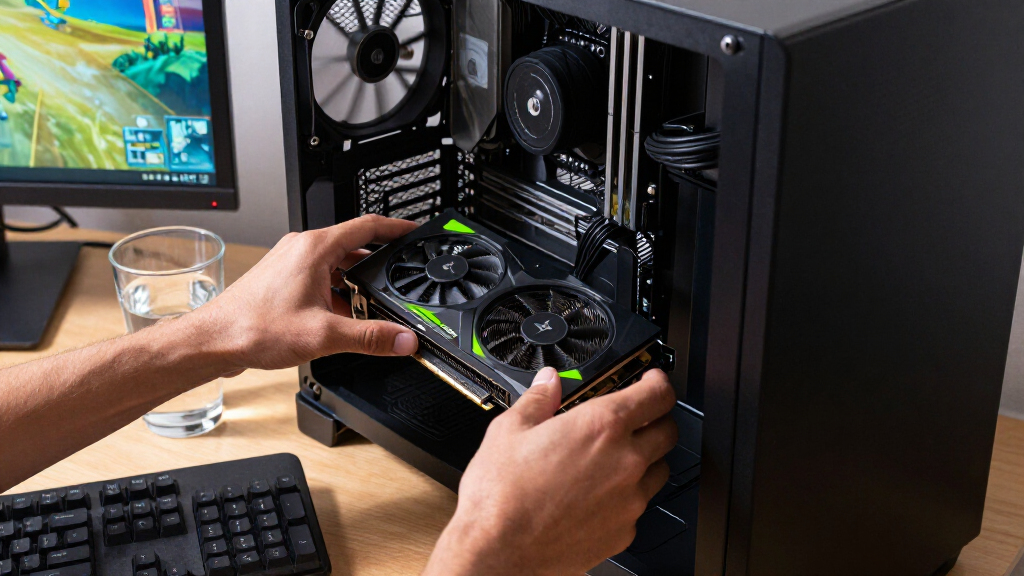
I ranked these 15 NVIDIA cards by how well their GPU tier, memory, and design suit the buyer they are meant to serve. I weighed likely gaming and creative-work capacity against the practical details that shape an upgrade: card dimensions, cooling approach, power and case demands, and whether a model’s capabilities make sense for its intended workload. A stronger chip does not automatically make a better pick if the build cannot accommodate it or the buyer has no use for its extra headroom.
The ranking favors broad usefulness first, then separates premium, value-conscious, compact, and basic-use choices by their tradeoffs. That puts the RTX 5070 Ti ahead as a balanced high-performance recommendation, while RTX 5080 variants earn consideration for flagship-focused buyers rather than being treated as interchangeable winners. Older RTX 3060 and RTX 3050 models remain relevant for narrower needs, but their lower performance tiers limit their place in a roundup of the best NVIDIA graphics cards. The GT 1030 DDR4 ranks for basic display and light-use scenarios, not modern gaming.
| NVIDIA graphics card | GPU |
|---|---|
| MSI Gaming RTX 3050 Ventus 2X | — |
| MSI Gaming GeForce GT 1030 4GB | — |
| MSI Gaming GeForce RTX 3060 12 | — |
| ASUS Dual NVIDIA GeForce RTX 5 | — |
| ASUS Dual GeForce RTX 4060 Ti | — |
| ASUS Prime NVIDIA GeForce RTX | NVIDIA GeForce RTX 5070 Ti |
| MSI Gaming RTX 5080 16G Ventus | NVIDIA GeForce RTX 5080 |
| ASUS TUF Gaming GeForce RTX 50 | — |
| MSI Gaming GeForce RTX 3060 Ve | NVIDIA GeForce RTX 3060 |
| ASUS Prime GeForce RTX 5070 12 | NVIDIA GeForce RTX 5070 |
| ASUS TUF Gaming GeForce RTX 50 | NVIDIA GeForce RTX 5070 |
| MSI GeForce RTX 5080 16G SUPRI | NVIDIA GeForce RTX 5080 |
| ASUS Dual GeForce RTX 3050 6GB | NVIDIA GeForce RTX 3050 |
| ASUS ROG Astral GeForce RTX 50 | NVIDIA GeForce RTX 5080 |
| NVIDIA GeForce RTX 5080 Founde | NVIDIA GeForce RTX 5080 |
Factors to Consider When Choosing Best NVIDIA Graphics Cards
A GPU choice works best when it matches the whole PC and the work you expect it to do. Before choosing a model, I would check the following factors rather than comparing product names alone.
Match GPU Tier to Resolution and Workload
Start with the monitor and the applications you actually use, not the largest number in a product name. Higher resolutions and demanding graphics settings place more work on a GPU, while light desktop use or older games may not benefit from a flagship card. Creative software also varies: some tasks rely heavily on GPU compute, while others are limited by processor, memory, or storage. A common mistake is buying a high-tier card for a workload that cannot use its capacity. Another is choosing an entry-level model for a high-resolution display and expecting it to keep up in demanding games. If your needs are mixed, favor a card with enough headroom for the most demanding task you do regularly.
Read VRAM as Workload Headroom, Not a Performance Score
Video memory stores the textures, scene data, and other assets a GPU needs to access quickly. More capacity can help with large creative projects or demanding game settings, but it does not by itself make one GPU faster than another. The RTX 3060 12GB illustrates why buyers should compare both memory and GPU generation rather than treating a higher capacity as a universal win. Conversely, an 8GB card may suit a modest gaming build even if it offers less room for memory-heavy projects. Check the software or games you use and the resolution at which you run them. Choose extra VRAM when your workload can use it, not just because the number looks reassuring.
Check Power Supply and Case Clearance Before Buying
Graphics cards can differ sharply in length, thickness, cooling hardware, and power requirements even when they use the same GPU. Measure the usable space inside your case, accounting for front fans, radiators, and drive cages that may obstruct a long card. Then check the card maker’s power guidance and compare it with your power supply’s capacity, connectors, and age. Three-fan RTX 5080 designs and the liquid-cooled MSI SUPRIM model need more planning than compact dual-fan choices. A frequent upgrade mistake is checking only the card’s length while overlooking its thickness or the location of power cables. Confirm the complete installation path before ordering.
Choose Cooling for Your Case and Noise Preferences
Cooling design affects more than temperatures: it also shapes noise, case airflow, and installation complexity. Open-air dual- and triple-fan cards move heat into the PC case, so the rest of the system needs a path to exhaust it. A liquid-cooled card can move heat to a radiator, but the case must have a suitable mounting position and enough space for the tubing and radiator. Larger coolers may suit sustained demanding workloads, yet their size can make them awkward in smaller builds. Do not assume that a more elaborate cooler always suits your system better. Check case airflow and radiator support alongside the graphics card itself.
Decide Whether a Premium Board Design Adds Value for You
Different makers’ versions of the same GPU can vary in cooling, physical size, factory settings, appearance, and included features. Those changes can make a card a better fit for a particular case or build style, but they do not turn a shared GPU tier into a different performance class. The multiple RTX 5080 options in this roundup make that distinction clear: a Founders Edition, a rugged ASUS TUF design, a white ROG Astral model, and a liquid-cooled MSI option address different build preferences. Pay more for features you can name, such as a cooler that suits sustained workloads or a design that fits a visual theme. Skip extras that add bulk or complexity without solving a real need.
Think About Upgrade Path and the Rest of the PC
A graphics card upgrade can expose limits elsewhere in a system. An older processor may hold back a faster GPU in some games, while a weak power supply or cramped case can rule out a physically larger model. Consider how long you plan to keep the card and whether your likely future workloads call for additional performance or memory. Moving from a basic card to a current-generation model can be a more meaningful change than replacing one modest older card with another. Still, a full system upgrade may make more sense if the processor, power supply, and case all need changes. Compare the cost and effort of the whole build, not the graphics card in isolation.
Frequently Asked Questions
Should I choose an RTX 3060 12GB over an RTX 5060 8GB because it has more VRAM?
Not on VRAM capacity alone. The RTX 3060 models offer 12GB, which can help when a game or creative project uses a lot of memory, but the RTX 5060 belongs to a newer GPU generation. The better fit depends on your software, resolution, and performance needs, as well as the system each card will enter. Check the specific applications or games you use for memory demands, then compare performance information for those tasks. Choose the RTX 3060 when its extra capacity serves a real workload; do not assume it is the faster choice because it has more memory.
Is an RTX 5080 Founders Edition a better buy than an ASUS or MSI RTX 5080?
These cards share the RTX 5080 GPU, so the main differences are the card’s physical design, cooling approach, size, and build features. The Founders Edition may appeal to buyers who want NVIDIA’s own board design, while ASUS and MSI versions offer alternatives such as different cooler styles, a white aesthetic, or liquid cooling. Check dimensions and cooling needs before selecting by brand. A larger cooler or more elaborate design is useful only if it suits your case and workload. The right choice is the RTX 5080 model that fits your build and priorities, not automatically the one with the most elaborate name.
Can a compact dual-fan card handle a small PC build?
Dual-fan models in this roundup may be easier to fit than many large triple-fan cards, but the fan count alone does not confirm compatibility. Check the exact card length, thickness, slot use, and power connectors against your case and motherboard layout. Small cases can also restrict airflow, which may affect cooling even when the card physically fits. Confirm that nearby components will not block the fans and that your case can move warm air out. A compact card is a promising starting point for a smaller build, not a substitute for checking the measurements.
Is the RTX 3050 or GT 1030 a sensible first graphics card?
The answer depends on what “first” means for your PC. The RTX 3050 models are more appropriate for buyers seeking an entry-level gaming GPU, while the GT 1030 DDR4 is better suited to basic display needs and light workloads. Neither should be treated as a match for the RTX 5070 or RTX 5080 cards in demanding gaming or heavy creative work. Before choosing, check the games and applications you plan to run and the display resolution you use. If you expect to play demanding new games, a more capable tier is a better starting point than buying the cheapest card in the list.
Do I need a liquid-cooled RTX 5080 for gaming or creative work?
Liquid cooling is not a requirement for using an RTX 5080. It may suit a buyer who wants that cooling arrangement and has a case that supports the radiator, but it adds installation requirements that an air-cooled model does not share. Compare the MSI SUPRIM Liquid SOC with the air-cooled RTX 5080 cards based on case layout, airflow, and your comfort with radiator installation. For many builds, an air-cooled model is the simpler option. Choose liquid cooling for a specific fit or cooling preference, not because the GPU tier demands it.
Conclusion
For most buyers seeking a strong blend of capability and memory headroom, I recommend the ASUS Prime RTX 5070 Ti as the best overall. If you want a current-generation card at a lower tier, the ASUS Prime RTX 5070 is my value-oriented pick within this lineup, though it has 12GB rather than the 5070 Ti’s 16GB. Buyers building a flagship system can choose among the RTX 5080 Founders Edition, ASUS TUF, MSI Ventus, ASUS ROG Astral, or MSI SUPRIM Liquid SOC based on case fit and cooling preferences; the SUPRIM Liquid SOC is the premium pick for buyers who specifically want a liquid-cooled design. For beginners, I would start with the ASUS Dual RTX 5060 for entry-level current-generation gaming, or consider an RTX 3050 for more modest needs; the GT 1030 is for basic display use, not demanding gaming. For specific builds, choose a dual-fan model when space is tight, the RTX 3060 12GB when your applications can use its memory capacity, and an RTX 5080 variant only when your workload and PC can support its demands.
Halloween Picks
halloween
As an affiliate, we earn on qualifying purchases.