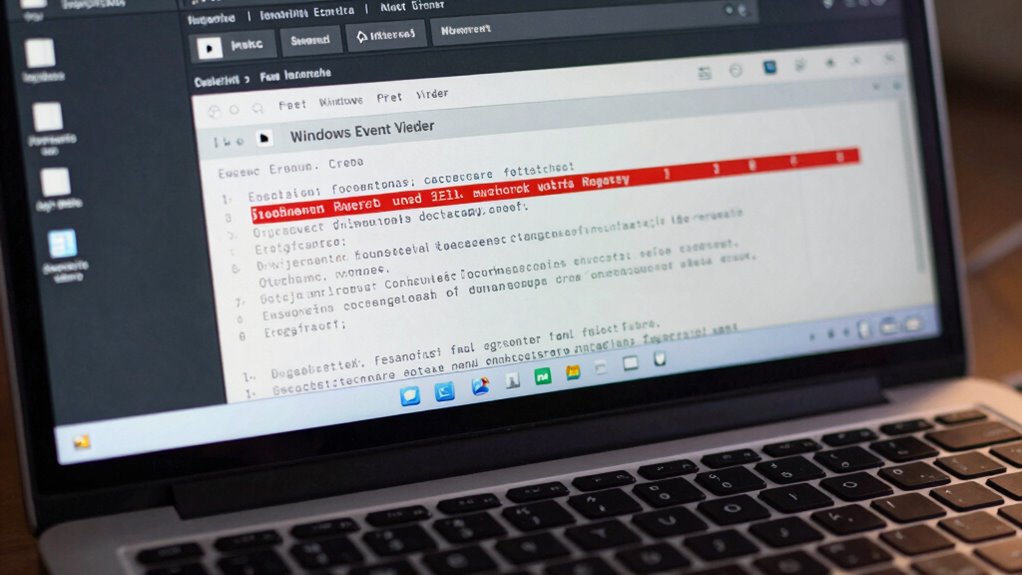

To find the errors that really matter in Event Viewer, focus on the sections under “Windows Logs,” especially the “System” and “Security” categories. Use filtering options to target error and critical event levels, and pay attention to specific Event IDs that signal hardware, security, or stability issues. Recognizing these key signs helps you catch serious problems early. Keep exploring, and you’ll gain the skills to quickly identify what needs your attention most.

Get the latest gadgets delivered free — and shop member deals
- Fast, free delivery on millions of items
- Access to Prime Big Deal Days deals on October 6–7
- Prime Video, Amazon Music and more included
Key Takeaways
- Focus on critical event levels like Errors and Failures Audits to identify serious issues affecting system stability.
- Use filters to narrow logs by specific Event IDs or sources linked to known problems.
- Prioritize recurring error codes or warnings indicating hardware failures or security threats.
- Examine detailed event descriptions and error codes for insights into root causes.
- Regularly review system logs to detect and address issues before they escalate.
Windows Event Viewer error log analyzer
As an affiliate, we earn on qualifying purchases.
As an affiliate, we earn on qualifying purchases.
What Is Event Viewer and Why Should You Use It?
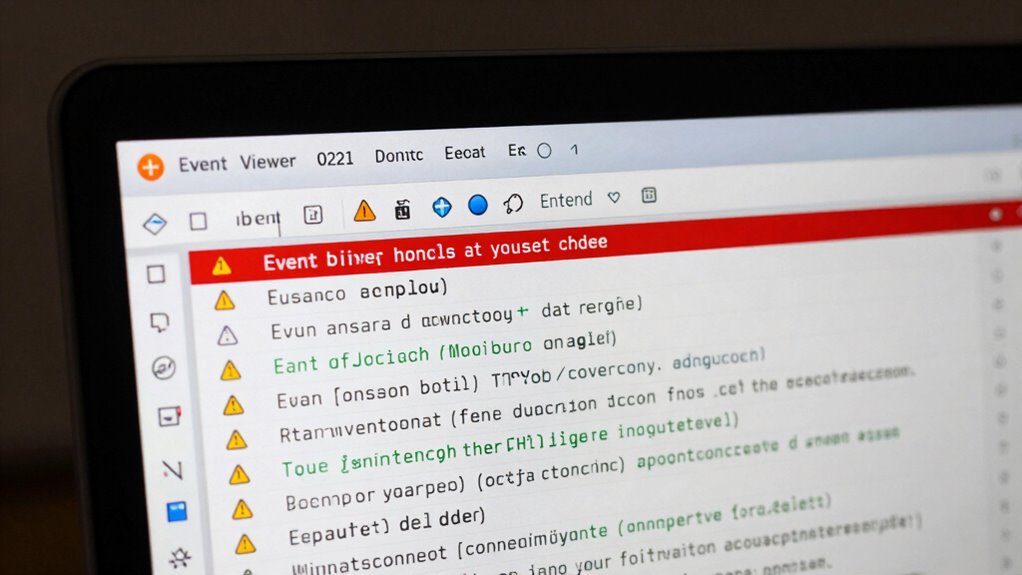
Event Viewer is a built-in Windows tool that helps you monitor and troubleshoot your computer’s activity. It provides insights into system security by logging events related to security breaches, user logins, and permissions. This helps you identify potential threats early. Additionally, Event Viewer is essential for hardware diagnostics, as it records hardware failures, driver issues, and system errors. By reviewing these logs, you gain a clearer understanding of your system’s health and stability. Using Event Viewer allows you to detect problems before they escalate, enabling proactive maintenance. Whether you’re troubleshooting an error or checking on system security, this tool offers detailed, real-time information that keeps you informed and in control of your computer’s performance. Understanding test accuracy and how it relates to system logs can help you better interpret the data and optimize your troubleshooting efforts. Recognizing system error patterns can also guide you in addressing recurring issues more effectively, especially when analyzing contrast ratios and their impact on image quality. Being familiar with system log analysis techniques can further enhance your ability to diagnose and resolve complex problems efficiently. Moreover, understanding how error severity levels are categorized can help prioritize which issues need immediate attention.
hardware diagnostics tools for Windows
As an affiliate, we earn on qualifying purchases.
As an affiliate, we earn on qualifying purchases.
Navigating the Event Viewer Interface for Beginners
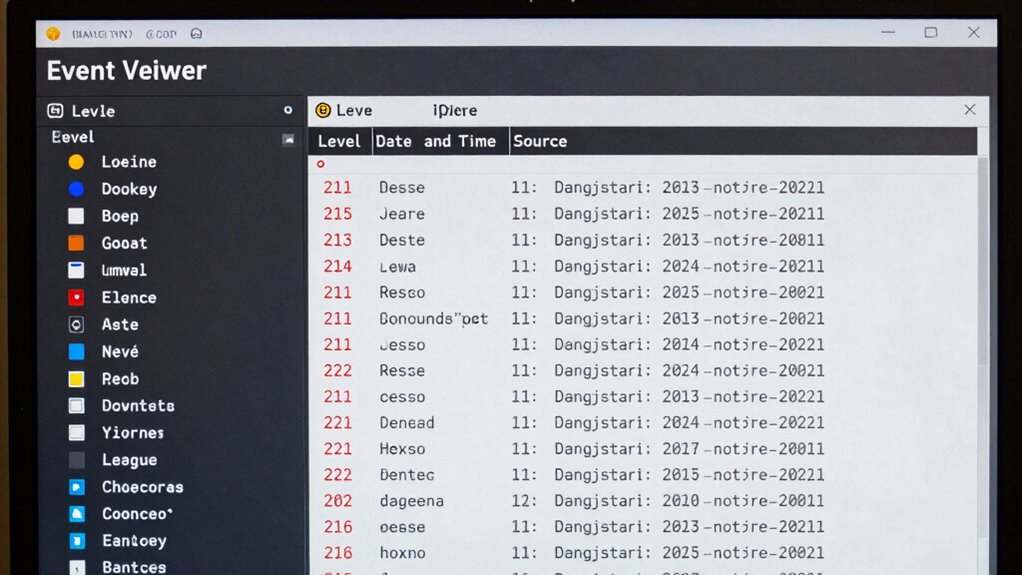
Once you’ve opened Event Viewer, understanding its layout makes it much easier to find the information you need. The interface is divided into sections: the navigation pane on the left, the middle pane showing logs, and the actions menu on the right. To navigate, start with the navigation pane—click on “Windows Logs” to access categories like Application, Security, and System. These logs contain the events you want to investigate. The middle pane displays the selected logs, organized by date and severity. You can click on individual entries to view detailed information. Effective interface navigation helps you quickly locate relevant logs and understand the context of each event. Familiarizing yourself with this layout makes troubleshooting much more efficient. Additionally, recognizing filtering and sorting options can help you pinpoint specific issues faster. Learning to utilize event details effectively can reveal the actual problem behind the error messages. Incorporating knowledge about digital safety can even inspire ways to create relaxing outdoor spaces that reduce stress during troubleshooting. Understanding the 16PF traits can also assist in interpreting user behaviors when analyzing logs related to user activity or access issues.
security event log monitoring software
As an affiliate, we earn on qualifying purchases.
As an affiliate, we earn on qualifying purchases.
How to Filter Logs to Find Important Errors Quickly

Filtering logs in Event Viewer allows you to quickly pinpoint the most critical errors without sifting through irrelevant information. Log filtering helps you focus on specific event types, time frames, or sources, making error prioritization easier. To filter logs, open Event Viewer, select the log category (like Application or System), then click “Filter Current Log” in the Actions pane. From there, you can specify criteria such as Event Level, Date, or Event IDs. Prioritize errors by selecting “Critical” or “Error” levels to narrow down the most serious issues. Using these filtering options, you avoid wasting time on informational or warning events, ensuring you address the errors that truly matter. Efficient log filtering streamlines troubleshooting and helps you resolve problems faster.
system error troubleshooting tools
As an affiliate, we earn on qualifying purchases.
As an affiliate, we earn on qualifying purchases.
What Do the Different Event Levels Mean?
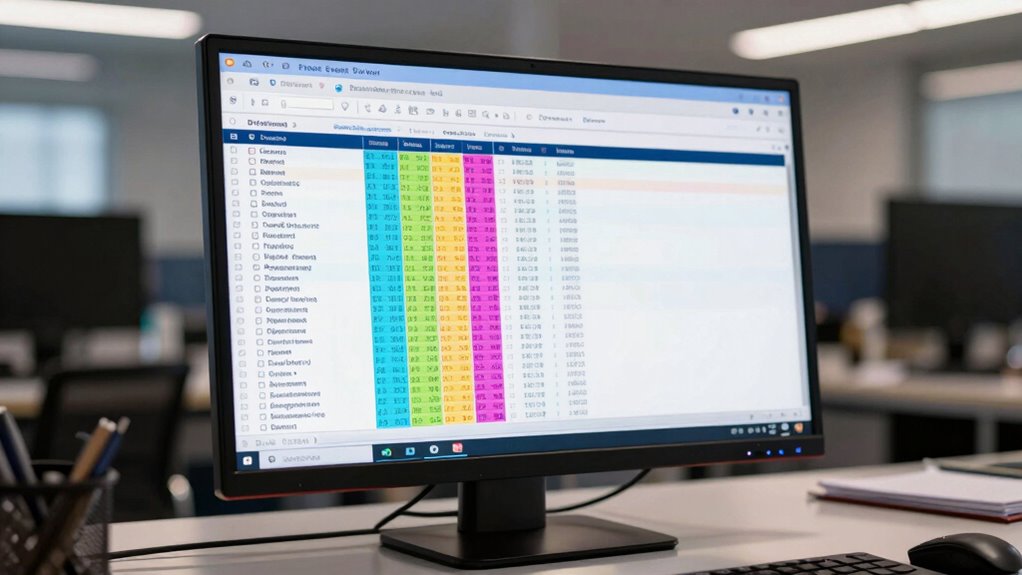
Have you ever wondered what the different event levels in Event Viewer really mean? These levels help you quickly gauge the importance of each log entry based on event severity. The most critical are Error events, indicating a serious problem that affects your system or application’s functionality. Next are Warning events, which suggest potential issues that may not immediately impact performance but should be monitored. Information logs are less urgent, providing details about normal system operations. Finally, Success Audit and Failure Audit focus on security-related events, showing successful or failed actions. Understanding these event levels helps you prioritize which logs to investigate first, ensuring you focus on the most important entries that could impact your system’s stability.
How to Recognize Critical Errors That Need Your Attention
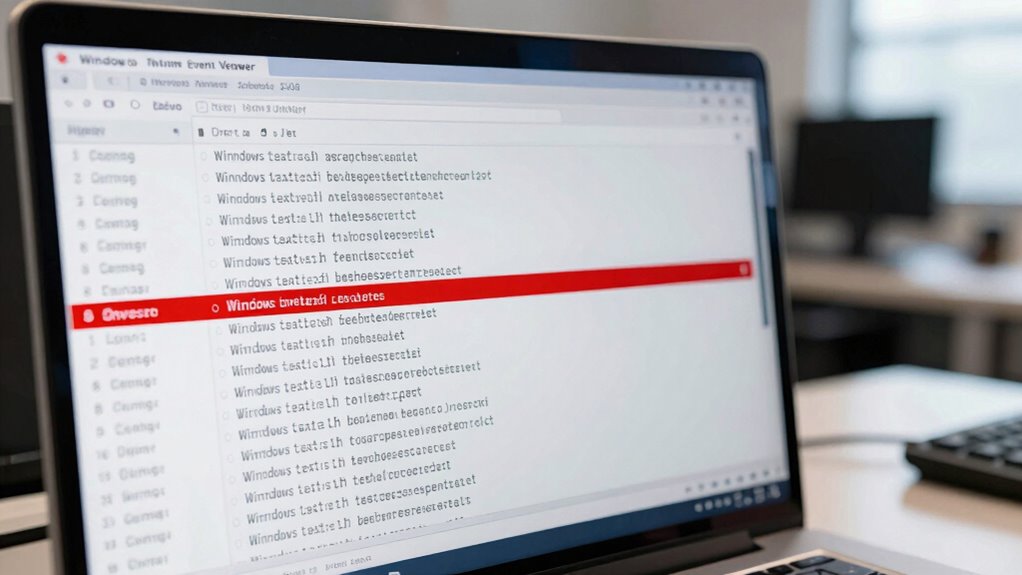
To keep your system running smoothly, you need to recognize warning signs of critical errors. Look for patterns in error codes and prioritize issues that could impact your system’s performance or security. Understanding these signs helps you quickly address problems before they escalate. Paying attention to recurring error types, such as vetted issues, can help you identify underlying problems that require prompt attention. Additionally, recognizing common system errors can prevent minor glitches from turning into major failures. Monitoring specific error patterns can assist in diagnosing issues early and avoiding more serious complications. Incorporating insights from high-tech innovations in error detection can further enhance your troubleshooting effectiveness.
Identifying Warning Signs
How can you tell when a problem in the Event Viewer requires immediate attention? Look for warning signs that indicate issues with system security or hardware diagnostics. Warning events often have a yellow icon and specify potential risks, like unauthorized access or hardware failures. Pay attention to recurring warnings, as they can signal underlying problems that might escalate. Errors related to system security could point to vulnerabilities, while hardware warnings might suggest impending device failures. Recognizing these signs early helps prevent data loss and system crashes. Keep an eye on the Event ID and source details; they provide clues about the severity and nature of the issue. Additionally, understanding hardware health monitoring can help contextualize certain system alerts related to regional or cultural configurations in global networks. Being familiar with system security alerts can further assist in identifying urgent threats. Staying informed about security vulnerabilities can help you act promptly before small problems turn into major failures. By staying alert to these warning signs, you can act promptly before small problems turn into major failures.
Prioritizing Critical Errors
Critical errors in the Event Viewer demand your immediate attention because they often indicate serious issues that can disrupt your system’s stability or security. Recognizing these errors helps you address problems before they escalate. Look for errors linked to security threats, such as unauthorized access attempts or malware detections. Failures related to software updates can also be critical, as outdated or incomplete updates may leave your system vulnerable. Other signs include service crashes, hardware failures, or errors affecting essential system functions. By focusing on these key indicators, you guarantee your system remains secure and reliable. Staying vigilant allows you to resolve critical issues promptly, minimizing potential damage and maintaining ideal performance. Remember, not all errors are urgent; prioritize those that impact security and stability.
Understanding Error Codes
Understanding error codes is key to identifying which issues demand your immediate attention. Error code analysis helps you quickly assess system health and determine if an error is critical. Look for specific codes like “0x80070005” or “C0000005,” which often indicate system problems. Recognizing these codes enables you to prioritize troubleshooting effectively. Here’s a quick reference:
| Error Code | Meaning | Action Needed |
|---|---|---|
| 0x80070005 | Access Denied | Check permissions and security |
| C0000005 | Application Fault | Update or reinstall affected app |
| 0x000000F4 | Critical System Error | Perform system diagnostics |
Using the Details Pane to Diagnose System Problems
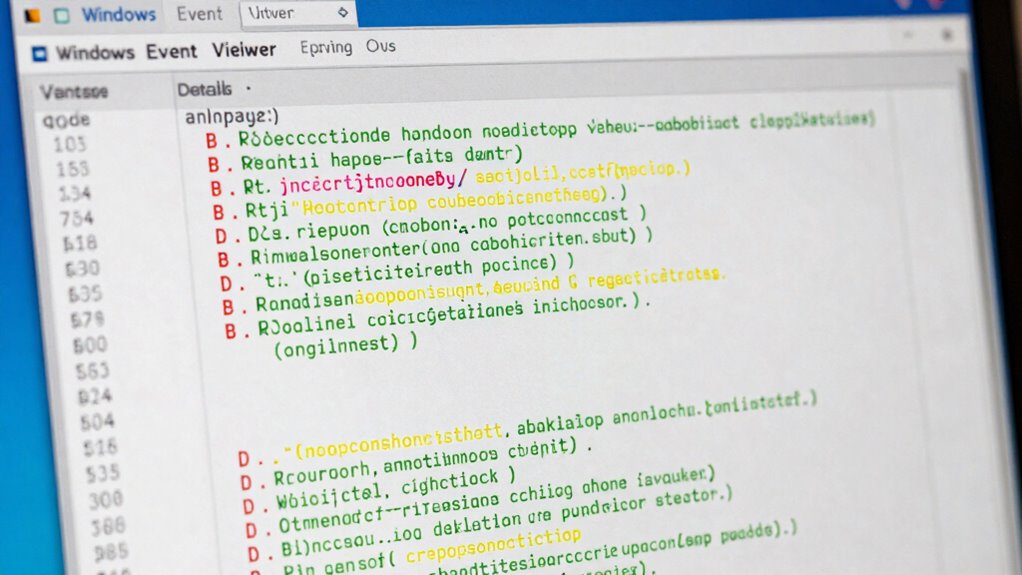
You can use the Details Pane to better understand system problems by learning how to navigate its information. Pay attention to error codes and descriptions, as they reveal what’s causing issues. Interpreting these details helps you identify the right steps to fix problems quickly and effectively. Recognizing warning beeps and other alert types can further guide your troubleshooting process. Understanding error codes can help you determine the specific nature of a problem and whether it requires immediate attention. Additionally, being aware of system connections can assist in diagnosing issues related to hardware or software interactions. Familiarity with power storage concepts can also be useful in troubleshooting hardware failures related to power supply issues. Knowing about hardware components can further clarify the root causes of certain system errors, streamlining your diagnostic process.
Navigating the Details Pane
Have you ever wondered how to quickly pinpoint the root cause of a system problem? Exploring the Details Pane makes this easier. It displays detailed information about selected events, helping you perform effective event correlation and log analysis. To get the most out of it, focus on these key points:
- Identify primary error messages that stand out
- Use the “General” and “Details” tabs for context
- Recognize patterns or recurring issues
- Cross-reference timestamps with other events
Interpreting Error Codes
Interpreting error codes in the Details Pane is essential for diagnosing system issues quickly. These codes help you identify whether a problem impacts performance optimization or security best practices. When you see an error code, refer to the accompanying description for clues. Use online resources or Microsoft’s documentation to decode unfamiliar codes, guiding your troubleshooting efforts. Recognizing patterns in error codes can reveal recurring issues or security vulnerabilities, enabling you to implement targeted fixes. Keep in mind, not all error codes indicate critical problems; some are informational. Focus on errors linked to system crashes, security alerts, or performance drops first. Proper interpretation of these codes ensures you address the most impactful issues efficiently and maintain a secure, high-performing system. Understanding industry standards and trends can also help you anticipate potential issues before they occur.
What Do Common Event IDs Indicate About Your System?
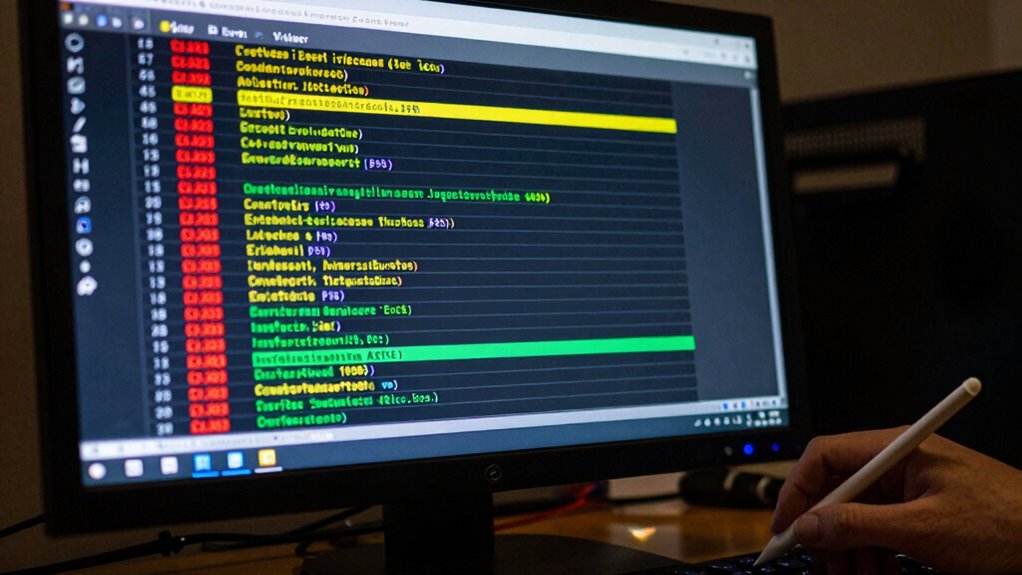
Ever wonder what those numbers and codes in Event Viewer really mean? Common Event IDs reveal a lot about your system’s health, helping you diagnose issues affecting stability and error recovery. For example, Event ID 41 indicates unexpected shutdowns, hinting at power or hardware problems. Event ID 1001 often points to application crashes, while ID 6008 signals improper shutdowns. Recognizing these IDs helps you prioritize fixes and prevent recurring issues.
- Event ID 41: Power or hardware instability
- Event ID 1001: Application crashes or errors
- Event ID 6008: Unexpected shutdowns
- Event ID 55: File system corruption or disk errors
Understanding these IDs empowers you to address critical issues promptly, improving system stability and ensuring smoother error recovery.
How to Save and Export Logs for Troubleshooting

To troubleshoot issues effectively, you’ll want to save and export log files from Event Viewer. You can do this by exporting logs and adjusting save settings to capture the information you need. This guarantees you have a record to review or share with others for further analysis.
Export Log Files
Have you ever needed to save specific logs from Event Viewer for troubleshooting? Exporting log files is essential for effective log file analysis and event correlation. It allows you to share logs with support teams or analyze them later. To export, right-click the desired log, select “Save All Events As,” then choose a file format like .evtx or .csv. You can filter events before exporting to focus on relevant data. This helps you isolate errors and understand patterns more clearly. Exported logs can be opened in other tools for detailed analysis or imported into troubleshooting software. Proper export techniques ensure you capture all relevant information, making troubleshooting more precise and efficient. This process helps you identify the root cause faster and supports better problem resolution.
Save Log Settings
Wondering how to effectively save and export logs for troubleshooting? To do this, you need to set your log retention and save settings properly. In Event Viewer, you can configure automatic log backups or manually save logs for future reference. This helps develop backup strategies, guaranteeing important logs are preserved before they’re overwritten. To save log settings, right-click the log you want to keep, then select “Save All Events As.” Choose a destination and file format, like .evtx, to keep your logs organized. Regularly saving logs supports efficient troubleshooting and prevents data loss during system crashes. By establishing clear save and export procedures, you optimize your log management and ensure critical errors are available for review whenever needed.
Troubleshooting Errors You Find in Event Viewer
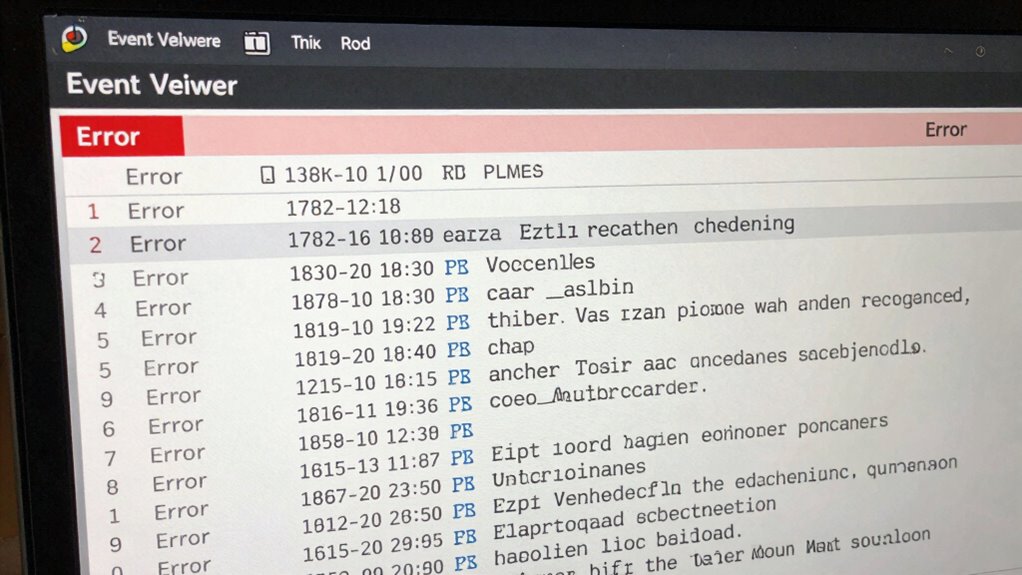
When you come across errors in Event Viewer, the key is to understand what they mean and how to address them effectively. Start with error analysis to identify critical issues. Look for error severity, source, and event ID—these clues guide your troubleshooting. Don’t ignore warnings or informational logs, but focus on errors that block system functionality. Use the following tips to troubleshoot efficiently:
Focus on error severity, source, and event ID to troubleshoot Event Viewer issues effectively.
- Cross-reference error codes with official Microsoft documentation
- Check for recurring errors to identify patterns
- Verify recent changes or updates that may cause issues
- Search online forums for similar problems and solutions
Next Steps: Learning More About Windows System Maintenance
To keep your Windows system running smoothly, it’s vital to learn about regular maintenance tasks. Focus on system security by installing updates, running antivirus scans, and managing user permissions. These steps help prevent vulnerabilities and protect your data. Additionally, hardware diagnostics are essential; use built-in tools like Windows Memory Diagnostic or third-party software to check for hardware issues. Regularly cleaning temporary files, defragmenting your hard drive, and monitoring system performance also contribute to stability. By staying proactive with these maintenance activities, you reduce the risk of unexpected errors and system failures. Developing a routine guarantees your Windows environment remains secure, efficient, and reliable, making troubleshooting easier and keeping your system in prime condition.
Frequently Asked Questions
Can Event Viewer Identify Hardware Issues Automatically?
Event Viewer doesn’t automatically identify hardware issues, but it plays a key role in hardware diagnostics. You can view error logs related to hardware failures, such as disk or memory problems. While it doesn’t send automatic alerts, you can set up notifications through Windows Event Subscriptions or third-party tools. This way, you stay informed about potential hardware issues, helping you troubleshoot before they cause major problems.
How Often Should I Check Event Viewer Logs?
You should check your event viewer logs regularly—at least weekly—for effective log analysis and security monitoring. Frequent checks help you spot issues early, preventing bigger problems down the line. Pay special attention to critical and error logs, especially those related to security or hardware. Consistent monitoring keeps your system secure and running smoothly, so make it a habit to review logs often and respond promptly to any serious alerts.
Are There Risks in Deleting Event Viewer Logs?
Deleting Event Viewer logs is like tossing out files from a cluttered desk—you might clear space, but you risk losing important details. There are some privacy concerns if logs contain sensitive info, and excessive log deletion can hinder troubleshooting. To avoid issues, set appropriate log retention policies and only delete logs when necessary, ensuring you don’t accidentally erase essential data needed for diagnosing system problems or security audits.
Can Event Viewer Troubleshoot Network Problems?
Yes, Event Viewer helps with network troubleshooting by analyzing logs for errors and warnings related to network issues. You can identify failed connections, DNS problems, or hardware errors through Event Viewer analysis. By examining specific event details, you can pinpoint the root cause of network problems, making it a valuable tool for resolving connectivity issues efficiently. Just look for relevant network errors in the logs to guide your troubleshooting process.
What Are Best Practices for Managing Event Viewer Alerts?
You should prioritize alerts in Event Viewer by focusing on critical system errors first, ensuring your system tuning is optimized. Regularly review and categorize alerts to avoid missing essential issues. Set up filters and custom views to streamline monitoring. Maintain a consistent alert management process, and document resolutions. By doing so, you improve response times and system stability, ensuring only the most important errors demand your attention and reducing unnecessary notifications.
Conclusion
Mastering Event Viewer helps you spot critical errors before they cause major issues. Did you know that over 60% of system crashes are linked to overlooked warning signs in logs? By understanding and filtering these logs, you empower yourself to troubleshoot effectively. Keep exploring and practicing, and soon you’ll confidently identify the errors that truly matter, ensuring your system runs smoothly and efficiently. Stay proactive—your system’s health depends on it!
Fall Picks
fall essentials
As an affiliate, we earn on qualifying purchases.