
TL;DR

Get the latest gadgets delivered free — and shop member deals
- Fast, free delivery on millions of items
- Access to Prime Big Deal Days deals on October 6–7
- Prime Video, Amazon Music and more included
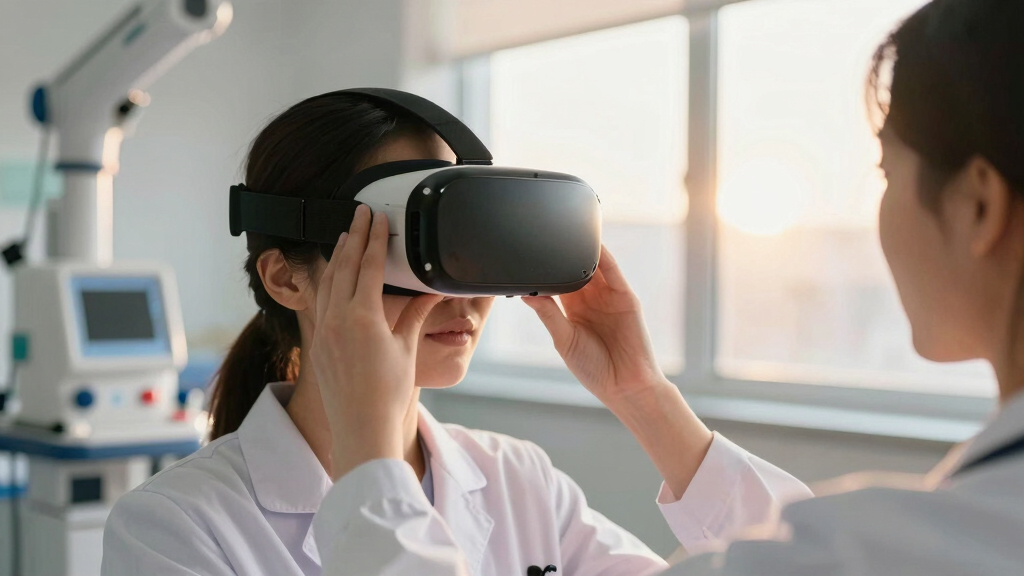
The Department of Veterans Affairs has begun implementing virtual reality technology in primary care settings. This initiative aims to enhance patient engagement and improve health outcomes, marking a notable step in healthcare innovation.
The Department of Veterans Affairs (VA) has officially begun integrating virtual reality (VR) technology into its primary care clinics, aiming to improve patient engagement and treatment outcomes. This initiative marks a significant step in adopting innovative healthcare solutions within government services, with the VA citing early positive feedback from providers and patients.
The VA’s VR program involves providing veterans with immersive virtual environments during their primary care visits. According to VA officials, the technology is used to help manage chronic pain, mental health conditions, and to promote relaxation and mindfulness. The rollout started in select clinics across the country, with plans for broader implementation as pilot results are analyzed.
Officials say the VR tools are designed to complement existing care, not replace traditional methods. The VA has partnered with healthcare technology firms to develop tailored virtual experiences, including calming landscapes, guided meditations, and pain distraction modules. The initiative is part of a broader effort to leverage digital health tools to address veteran-specific health challenges.
Potential Impact on Veteran Healthcare Outcomes
This development could significantly enhance patient engagement and adherence by making visits more interactive and less stressful. If successful, it may lead to improved management of chronic conditions and mental health issues among veterans. The VA’s adoption of VR also signals a broader shift toward integrating immersive technologies in public healthcare, which could influence other government and private providers.
virtual reality headset for pain management
As an affiliate, we earn on qualifying purchases.
As an affiliate, we earn on qualifying purchases.
Background of VR Use in Healthcare Settings
Virtual reality has been explored in healthcare for several years, primarily in pain management, physical therapy, and mental health treatments. The VA’s initiative builds on prior pilot studies indicating VR’s potential to reduce pain perception and anxiety. However, its use within primary care settings at a national level is a new development, representing a significant expansion of VR applications in a government healthcare context.
The VA has previously tested VR for PTSD therapy and pain distraction, but this marks the first time it is systematically incorporating VR into routine primary care services for a broad patient population.
“The integration of virtual reality into primary care is a game-changer for veteran health management.”
— VA spokesperson
VR meditation and relaxation tools
As an affiliate, we earn on qualifying purchases.
As an affiliate, we earn on qualifying purchases.
Unconfirmed Long-Term Effectiveness and Adoption Rates
It is not yet clear how effective VR will be in the long term for improving health outcomes across diverse veteran populations. Data from pilot programs is still being analyzed, and broader adoption depends on ongoing evaluations and funding. Additionally, questions remain about patient acceptance, potential technical challenges, and integration with existing healthcare workflows.
As an affiliate, we earn on qualifying purchases.
Next Steps in VA VR Healthcare Implementation
The VA plans to expand VR use to additional clinics and conduct comprehensive studies to assess its impact on treatment outcomes. Further research will evaluate patient satisfaction, cost-effectiveness, and clinical benefits. The agency also intends to develop guidelines for best practices and integrate VR more deeply into holistic veteran care programs.
immersive virtual reality experiences for healthcare
As an affiliate, we earn on qualifying purchases.
As an affiliate, we earn on qualifying purchases.
Key Questions
How does VR help veterans in primary care?
VR is used to enhance engagement, reduce anxiety, manage pain, and support mental health treatments, making primary care visits more interactive and less stressful.
Are all veterans eligible to use VR in VA clinics?
Eligibility depends on specific clinic programs and patient needs. The initiative is initially limited but may expand based on pilot results.
What types of virtual environments are used?
Immersive landscapes, guided meditations, and pain distraction modules are among the experiences being tested to support various health conditions.
Will VR replace any traditional treatments?
No, current plans position VR as a complementary tool alongside existing healthcare approaches.
What are the potential challenges of implementing VR broadly?
Technical issues, patient acceptance, staff training, and cost are potential hurdles that the VA is monitoring as it expands the program.
Source: rss
Fall Picks
fall essentials
As an affiliate, we earn on qualifying purchases.