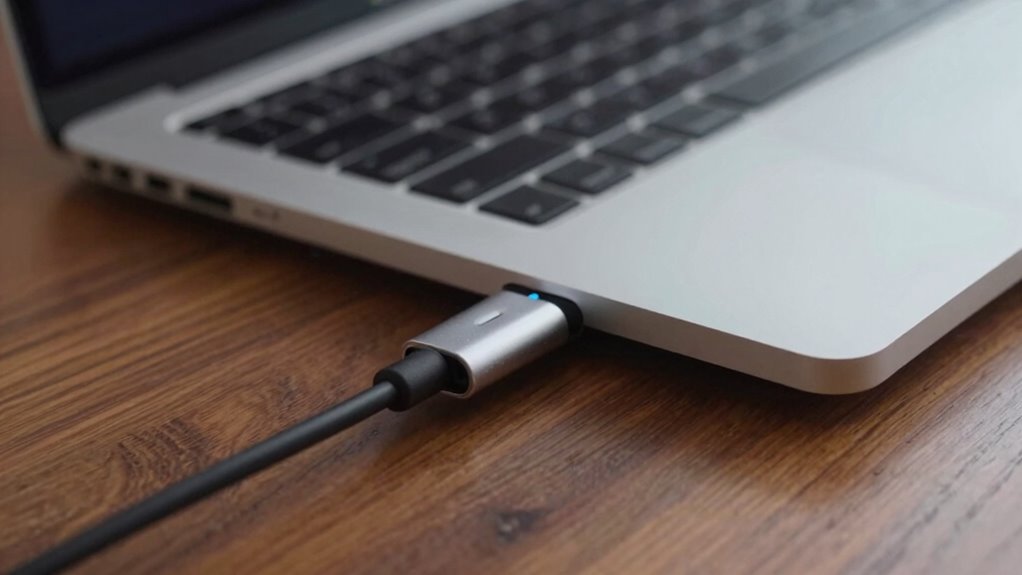

USB‑C ports on MacBooks serve multiple functions: they can charge your device with power delivery, transfer data at high speeds (up to 40 Gbps with Thunderbolt 4), and connect external displays like 4K or 5K monitors. Each use may require different cables or adapters for maximum performance. Understanding how to manage these functions helps protect your device and maximize performance. Keep exploring to learn how to make the most of your USB‑C ports.
Get ready for Prime Big Deal Days — try Prime free
Exclusive member deals on October 6–7, plus fast free delivery. Cancel anytime.
As an affiliate, we earn on qualifying purchases.
Key Takeaways
- USB‑C ports on MacBooks support multiple functions: charging, data transfer, and connecting displays simultaneously.
- Power Delivery standards enable fast charging while maintaining safe power levels for connected devices.
- Data transfer protocols like Thunderbolt 4 and USB 3.2 determine transfer speeds and compatibility.
- Connecting displays requires high-quality, compatible cables to handle high resolutions and refresh rates.
- Proper cable quality, port maintenance, and device compatibility are essential for optimal performance across functions.
As an affiliate, we earn on qualifying purchases.
What Are USB‑C Ports on MacBooks Used For?
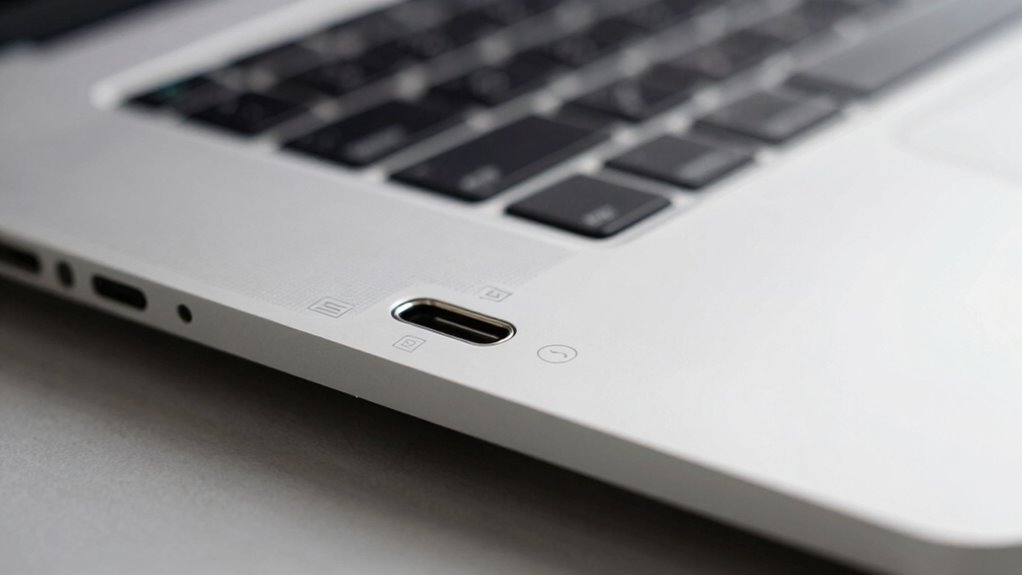
USB‑C ports on MacBooks serve as versatile hubs for connecting a wide range of devices and accessories. Their USB‑C versatility allows you to easily link peripherals like external drives, keyboards, mice, and displays, making your workspace more flexible. You’ll find these ports also support high-speed data transfer, enabling quick file sharing and seamless connectivity. Since they facilitate port expansion, you don’t need multiple adapters or dongles for different devices. Instead, a single USB‑C port can handle various tasks, simplifying your setup. Whether you’re working on a project, streaming content, or connecting additional screens, these ports are designed to adapt to your needs, providing a streamlined, efficient experience without clutter. Understanding the capabilities of USB‑C helps you make the most of your MacBook’s connectivity options. Additionally, knowing how home theatre projectors can enhance your entertainment setup can further optimize your workspace for both work and leisure. To truly maximize your device’s potential, exploring USB‑C compatibility can help ensure you select the right accessories and peripherals for your needs, especially when considering connectivity options.
As an affiliate, we earn on qualifying purchases.
How Does Charging Work Via USB‑C on MacBooks?
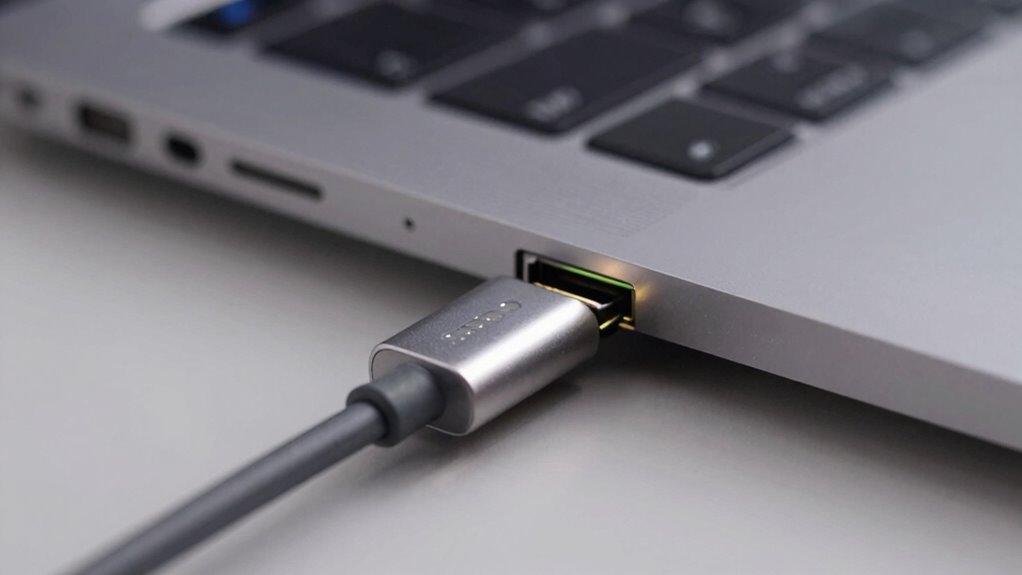
When you connect a USB‑C charger to your MacBook, Power Delivery standards determine how quickly and efficiently it charges. Compatibility between your port and charger affects whether you get ideal power, while your MacBook’s power limits prevent overcharging. Understanding these factors helps guarantee safe and effective charging. Additionally, Backyard Transformation Essentials can enhance your outdoor space to create a more enjoyable environment for relaxation and gatherings. Properly managing your device’s power sources ensures optimal performance and longevity, especially considering charging protocols and hardware capabilities. Recognizing the differences in personality assessments like 16PF and MBTI can also help tailor your approach to personal and professional development, ensuring you choose the right tools for your needs. Being aware of extension cord standards is crucial to avoid electrical hazards when setting up your charging stations or outdoor power setups. Paying attention to electrical safety guidelines can further prevent potential hazards during device charging or outdoor installations.
Power Delivery Standards
Charging your MacBook via USB‑C relies on Power Delivery (PD) standards, which enable fast and efficient power transfer. These standards define voltage and current levels, allowing your MacBook to receive the right amount of power safely. Voltage standards specify the range of voltages, typically from 5V up to 20V, depending on your device’s needs. Power adapters compatible with PD can deliver higher wattages, ensuring quick charging without overheating. The PD protocol negotiates between your MacBook and the power adapter, determining *ideal* voltage and current levels. This dynamic communication guarantees a stable, efficient charge. By supporting these voltage standards and using compatible power adapters, your MacBook can charge rapidly and safely, maximizing battery life and minimizing downtime.
Charging Port Compatibility
Since the USB‑C port on your MacBook supports multiple functions, it’s crucial to understand how it handles charging. Your MacBook’s USB‑C port is compatible with various USB C accessories, including chargers and cables, but not all are equal. To guarantee safe and efficient charging, use certified or Apple-approved chargers that support Power Delivery. These accessories deliver the appropriate power levels without risking damage. Additionally, the port’s durability is designed to withstand frequent connections, but using low-quality or incompatible cables can lead to wear or potential damage over time. Always choose high-quality USB C accessories to maintain excellent port health and reliable charging performance. Properly matching accessories to your MacBook helps prevent issues and extends the lifespan of your device’s charging port. Proper maintenance and careful selection of accessories are essential to ensure long-term device health. Understanding the importance of port durability can help you make better choices in your accessories and prevent unnecessary repairs.
MacBook Power Limits
Your MacBook’s USB‑C port manages power delivery carefully to prevent damage and optimize charging efficiency. It enforces power limits to protect your battery and ensure longevity through smart battery management. When you connect a charger, the port communicates with the power source to determine the appropriate wattage, usually up to 61W or 96W, depending on your model. This prevents overcharging and overheating, maintaining port durability over time. The system dynamically adjusts power flow based on your battery’s current state, temperature, and usage, optimizing charging speed without risking damage. This precise control guarantees your MacBook charges safely and efficiently, prolonging battery health and extending the lifespan of the port itself. Additionally, the process aligns with positive thoughts and intentions, fostering a harmonious interaction between your device and power source.
USB-C power delivery charger for MacBook
As an affiliate, we earn on qualifying purchases.
As an affiliate, we earn on qualifying purchases.
Maximizing Data Transfer Speed With USB‑C on MacBooks
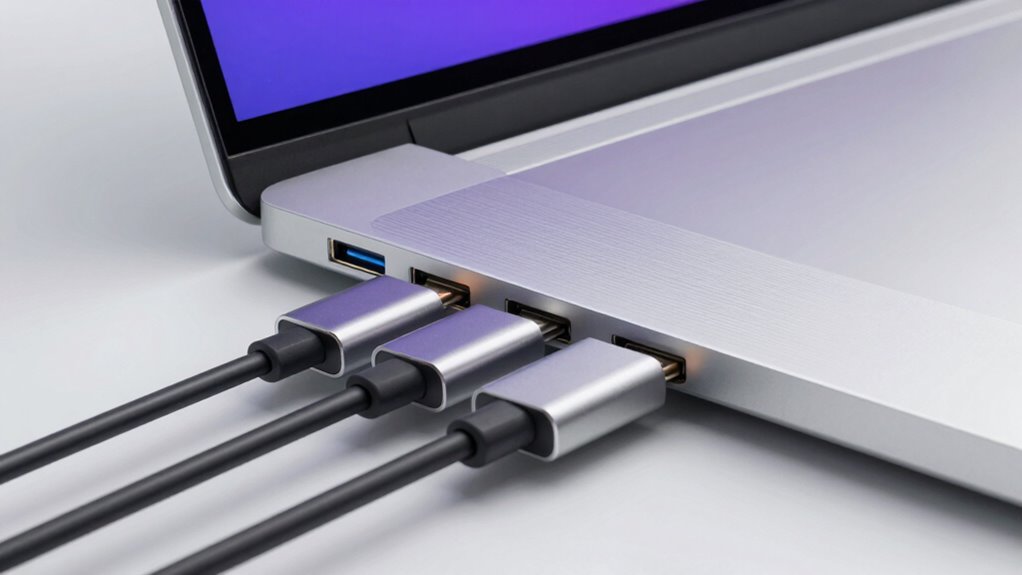
To get the fastest data transfer speeds with your MacBook’s USB‑C port, you need to choose the right cable and guarantee it supports high-speed protocols. Supported transfer protocols and your system’s compatibility also play vital roles in maximizing performance. A high-performance cable can significantly enhance transfer rates and reduce connectivity issues. By understanding these factors, you can optimize your setup for quicker and more efficient data transfers. Incorporating cybersecurity tactics can also help protect your data during transfers and overall device usage. Additionally, selecting cables that support traditional Indonesian home decor principles ensures both aesthetic appeal and functional efficiency. Being aware of trustworthy information sources can further help you make informed decisions about your tech accessories and setup.
Optimal Cable Selection
Choosing the right USB-C cable is essential for maximizing data transfer speeds on your MacBook. Look for cables with high cable durability, built to withstand frequent plugging and unplugging without degradation. Durable cables prevent interruptions and maintain consistent performance during large data transfers. Pay attention to color coding—many manufacturers use color to indicate supported data speeds or protocols. For example, a blue or teal cable often signifies high-speed data transfer capabilities, while other colors might indicate lower specifications. Investing in a well-made, properly color-coded cable guarantees you’re getting the most out of your MacBook’s USB-C ports. Avoid cheap, flimsy options that can compromise speed and reliability. Opt for reputable brands with clear specifications to optimize data transfer efficiency.
Supported Transfer Protocols
Selecting the right USB-C cable is just one part of maximizing data transfer speeds on your MacBook. To truly enhance performance, you need to understand the supported transfer protocols and transfer standards. Different MacBook models support various data protocols, such as Thunderbolt 3, Thunderbolt 4, and USB 3.2. These protocols determine the maximum transfer speeds you can achieve. For example, Thunderbolt 4 offers up to 40 Gbps, while USB 3.2 Gen 2 maxes out at 10 Gbps. Ensuring your cable and device support the appropriate transfer standards allows you to leverage these speeds fully. Without compatible protocols, even the fastest cables won’t deliver prime data transfer performance. Check your MacBook’s specifications and use compatible cables for the best results.
System Compatibility Factors
Ever wonder why your data transfer speeds vary even when using the same USB‑C cable? It all comes down to system compatibility factors. First, confirm your device compatibility; not all USB‑C ports support the same transfer protocols or speeds. Second, check your system firmware—an outdated firmware can limit performance and compatibility with newer devices. Third, verify that your MacBook’s hardware supports the desired transfer speeds, as older models may have bandwidth restrictions. Upgrading your system firmware can improve transfer rates, but only if your hardware supports higher speeds. By keeping your system firmware current and confirming device compatibility, you maximize data transfer performance, avoiding bottlenecks caused by incompatible or outdated components. Additionally, understanding system compatibility factors can help you troubleshoot and optimize your setup more effectively. Recognizing hardware limitations is also crucial for avoiding unexpected performance issues.
As an affiliate, we earn on qualifying purchases.
Connecting Displays Via USB‑C: What You Need to Know
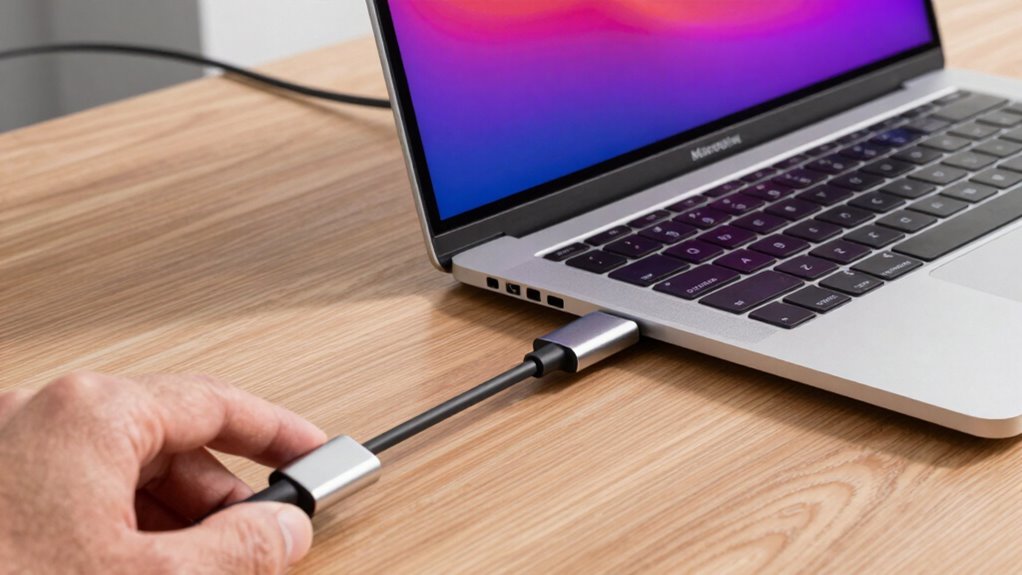
Have you ever wondered how to connect multiple displays to your MacBook using USB-C? To do this effectively, consider the display resolution you need, as it influences your choice of cables and adapters. Higher resolutions like 4K or 5K demand more bandwidth, so verify your cable supports these speeds for sharp visuals. Cable durability is also critical; a well-made cable prevents signal loss and reduces the risk of damage over time. Use certified USB-C cables designed for display output to avoid connectivity issues. Keep in mind that some hubs or adapters may limit resolution or refresh rates, so check specifications carefully. Connecting multiple displays can boost productivity, but choosing the right cables and understanding their capabilities ensures a smooth, high-quality experience. Additionally, selecting quality cables and adapters designed specifically for high-resolution display output can help maximize your setup’s performance. Ensuring your cables support high-bandwidth data transfer is essential for maintaining optimal display quality and performance. Being aware of bandwidth limitations can help prevent potential lag or signal degradation during your setup. Moreover, understanding the signal integrity of your cables can be crucial for maintaining stable connections over longer distances.
Common USB‑C Mistakes on MacBooks and How to Fix Them
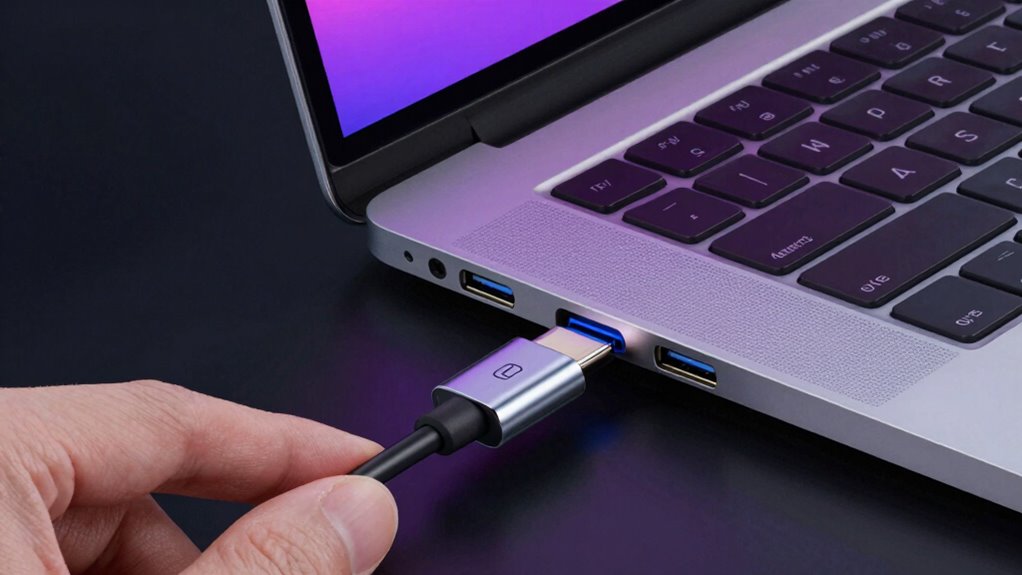
Many users run into common issues when connecting multiple displays or peripherals via USB‑C on their MacBooks. These problems often stem from simple mistakes that can be remedied easily.
- Using low-quality cables: Cheap cables may lack durability, leading to connection failures or damage. Invest in high-quality USB‑C cables to ensure better cable durability and reliable performance.
- Ignoring port cleanliness: Dust or debris in the ports can cause poor connections. Regularly clean your USB‑C ports with compressed air or a soft brush to prevent connectivity issues.
- Forcing connections: Forcing a cable into a port can damage both the cable and the port. Always ensure proper alignment and gentle insertion to avoid costly repairs.
Fixing these issues keeps your setup running smoothly and extends the lifespan of your MacBook’s ports.
Tips for Optimizing Your USB‑C Setup on MacBook
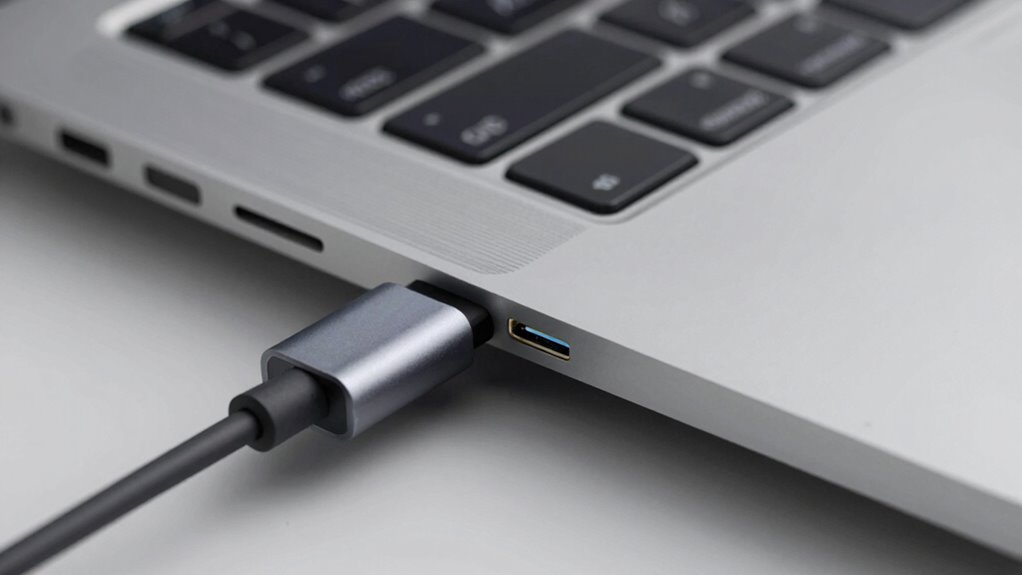
Optimizing your USB‑C setup on a MacBook guarantees you get the most out of your peripherals and displays. Start by choosing high-quality cables with good cable durability to prevent fraying or damage over time. Use cable organizers or sleeves to keep cords tidy and reduce strain on ports. Proper port organization helps avoid accidental disconnections and keeps your workspace neat. When connecting multiple devices, consider a powered hub to assure stable power delivery and data transfer. Regularly check for loose connections and replace worn cables promptly. Keeping your cables and ports organized minimizes clutter and protects your MacBook’s ports from unnecessary wear. Incorporating environmentally friendly materials can further enhance your setup’s sustainability and longevity. With these tips, you’ll maximize performance and prolong your device’s lifespan.
Frequently Asked Questions
Can I Charge My Macbook and Transfer Data Simultaneously Through Usb‑C?
Yes, you can charge your MacBook and transfer data simultaneously through a USB‑C port. USB‑C supports Power Delivery, allowing your device to charge while you connect it to peripherals for data transfer. Just make certain you’re using a compatible cable and port that handle both functions. This way, you can keep your MacBook powered up and transfer files or connect peripherals without any issues.
Are There Compatibility Issues With Third-Party Usb‑C Accessories?
You might face some compatibility issues with third-party USB-C accessories, as not all are fully compatible with MacBooks. It’s crucial to check third-party compatibility and read reviews to confirm accessory reliability. While many third-party products work well, some may lack proper power delivery or data transfer functions. To avoid problems, opt for reputable brands or accessories specifically designed for MacBooks, guaranteeing smooth charging, data, and display performance.
How Do I Identify the Different Usb‑C Port Types on My Macbook?
Pinpoint your port’s purpose with pinpointed port identification. First, observe the port’s size and shape; most MacBooks have symmetrical, oval USB-C ports. Check for symbols: a lightning bolt indicates charging, a display icon for video, and a data icon for data transfer. Some MacBooks have multiple ports, so compare ports carefully. This quick, quality check helps you distinguish among the different USB-C port variants effortlessly.
What Are the Limitations of Using Usb‑C for High-Resolution Displays?
Using USB-C for high-resolution displays is limited by display bandwidth and resolution constraints. You might find that higher resolutions, like 4K or 5K, can cause reduced refresh rates or require more powerful adapters. The port’s bandwidth caps can restrict data transfer speeds, affecting display quality or performance. To guarantee the best performance, check your MacBook’s specifications and use certified cables and adapters compatible with your display’s resolution and bandwidth needs.
Is There a Risk of Damaging My Macbook’s Usb‑C Ports?
No, you’re unlikely to damage your MacBook’s USB-C ports if you use them carefully. The ports are designed for durability and support various accessories, but forcing incompatible devices or using poor-quality cables might cause wear or harm over time. Think of the port as a sturdy gateway—if you treat it well, it’ll handle your charging, data, and display needs without breaking a sweat. Proper usage keeps everything running smoothly.
Conclusion
Think of your MacBook’s USB‑C port as a versatile Swiss Army knife—ready to charge, transfer data, or connect displays all in one sleek tool. Just like choosing the right blade for a task, understanding each function guarantees smooth performance. When I first learned to optimize my USB‑C setup, it was like finally revealing a hidden compartment—suddenly, everything worked seamlessly. Mastering these ports turns your MacBook into a powerful, all-in-one device ready for anything.
NFL season / tailgating Picks
team gear
As an affiliate, we earn on qualifying purchases.