
TL;DR

Get the latest gadgets delivered free with Prime
- Fast, free delivery on millions of items
- Prime Video, Amazon Music and more included
- Member-only deals all year
Cerebras Systems faced near collapse in 2019 due to massive costs and technical hurdles in creating a giant AI chip. The company persisted, eventually succeeding and now boasts a $60 billion valuation after its IPO.
Cerebras Systems, now valued at around $60 billion following its recent IPO, nearly faced bankruptcy in 2019 after spending $8 million a month on a technical challenge that threatened its survival.
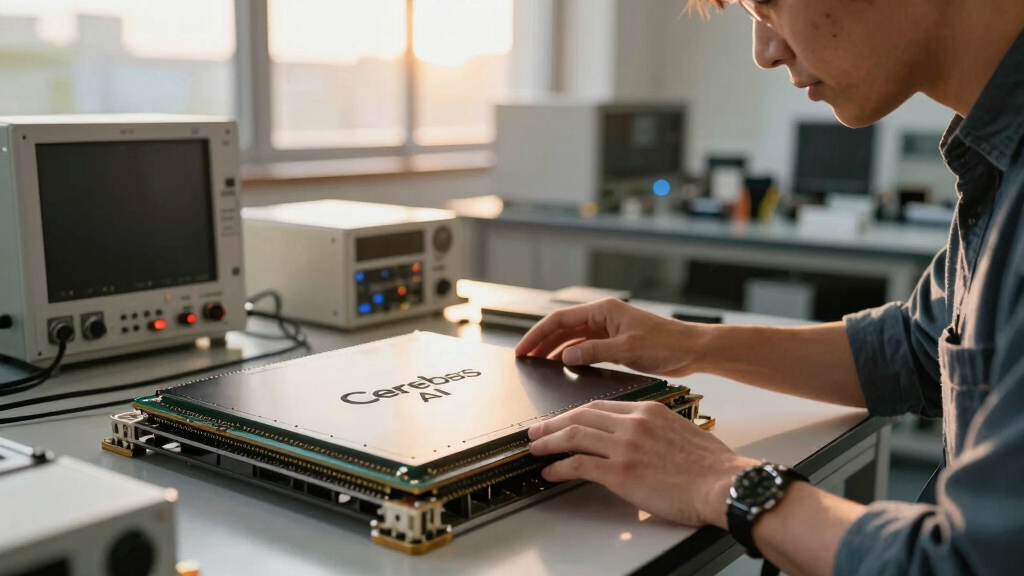
Founded in 2015, Cerebras aimed to revolutionize AI hardware by creating a single, massive chip using an entire silicon wafer. The company encountered significant obstacles related to packaging, cooling, and power delivery, which no other microprocessor company had successfully solved. In 2019, during this critical period, Cerebras was spending approximately $8 million monthly, with nearly $200 million burned trying to resolve these issues, according to CEO Andrew Feldman.
After numerous failures and extensive trial and error, the team finally succeeded in developing a solution for the packaging and cooling challenges in July 2019. This breakthrough allowed the chip to be operational, marking a pivotal moment for the company. The success came two years after initial talks with OpenAI, which considered acquiring Cerebras but ultimately did not proceed. Today, OpenAI is a customer and investor, loaning Cerebras $1 billion secured by warrants, with a stake valued at over $9 billion.
Why It Matters
This story highlights the high risks and technical innovation involved in developing cutting-edge AI hardware. Cerebras’ near-failure underscores the immense costs and engineering challenges faced by startups attempting to push the boundaries of microchip design. The company’s eventual success and high valuation demonstrate the potential rewards of perseverance and breakthrough engineering in a highly competitive industry, impacting the future of AI infrastructure.
high performance AI server cooling solutions
As an affiliate, we earn on qualifying purchases.
As an affiliate, we earn on qualifying purchases.
Background
Cerebras was founded in 2015 with the idea of creating a single, large wafer-scale chip to meet the compute demands of AI. The company’s primary challenge was in packaging—integrating the chip into systems with effective cooling, power, and data transfer solutions, which had historically stymied similar efforts. By 2019, despite initial progress, the company was close to financial collapse due to the enormous costs and repeated failures. The breakthrough in July 2019 marked a turning point, enabling the company to move forward and eventually go public in 2026, with a valuation of approximately $60 billion.
“We were spending about $8 million a month. At this point, we had incinerated nearly $200 million trying to solve one technical problem.”
— Andrew Feldman, CEO of Cerebras
“Watching a computer run is about as exciting as watching paint dry. But there we were watching lights flashing on the computer, stunned that we’d solved this.”
— Andrew Feldman, CEO of Cerebras
As an affiliate, we earn on qualifying purchases.
What Remains Unclear
While the technical breakthrough in 2019 is confirmed, details about the specific packaging innovations and subsequent scaling efforts remain limited. It is also unclear how the company managed its financial crisis beyond the success of the chip, and what its current operational challenges might be.
advanced chip packaging materials
As an affiliate, we earn on qualifying purchases.
As an affiliate, we earn on qualifying purchases.
What’s Next
Cerebras is now focused on expanding its customer base, including collaborations with AI giants like OpenAI. The company aims to scale production and sales, leveraging its recent IPO success. Further developments may include new chip generations and broader industry partnerships, but specific timelines are not yet confirmed.
enterprise AI hardware cooling systems
As an affiliate, we earn on qualifying purchases.
As an affiliate, we earn on qualifying purchases.
Key Questions
How close was Cerebras to bankruptcy?
In 2019, Cerebras was spending approximately $8 million per month, with nearly $200 million burned in attempts to solve critical packaging and cooling issues, putting the company at risk of failure.
What was the breakthrough that saved Cerebras?
The company finally solved key packaging and cooling challenges in July 2019, enabling their giant chip to operate successfully for the first time.
What is Cerebras’ current valuation?
Following its IPO, Cerebras is valued at about $60 billion, making it one of the most valuable AI hardware companies.
What role does OpenAI play in Cerebras’ business?
OpenAI is a customer and investor, having loaned Cerebras $1 billion secured by warrants, and is restricted from selling to certain competitors temporarily.
What are Cerebras’ plans moving forward?
The company plans to expand its customer base, develop new chips, and increase production, though specific next milestones have not been publicly announced.
Halloween Picks
halloween
As an affiliate, we earn on qualifying purchases.