
The best SSD drives depend on whether you need a fast portable backup, a roomy desktop drive, or an internal upgrade. I name the Samsung 990 PRO 2TB my best overall pick for a high-performance PCIe 4.0 PC, while the Samsung T7 is a versatile portable choice and the SanDisk 8TB Desk Drive suits large desktop libraries. The main tradeoffs are interface speed and device compatibility, capacity and portability, and the higher cost and installation demands of internal drives. A USB4 or USB 3.2 Gen 2×2 drive can be fast, but only compatible hardware can use its full potential. Read on for how all 13 options compare and which one fits your setup.

Get the latest gadgets delivered free with Prime
- Fast, free delivery on millions of items
- Prime Video, Amazon Music and more included
- Member-only deals all year
Complete the kit



Key Takeaways
- The Samsung 990 PRO 2TB leads for compatible PCs: its PCIe 4.0 M.2 format prioritizes internal performance, but it is not a plug-and-play external drive.
- Portable drive speed depends on the host port: the Samsung T9 and SanDisk Extreme models advertise high transfer speeds, but a slower or incompatible USB connection can limit them.
- Capacity changes the job a drive can do: the SanDisk 8TB Desk Drive favors a large stationary library, while the 1TB portable models trade room for easier carry and lower storage commitment.
- SATA remains a useful upgrade path: the Samsung 870 EVO and TEAMGROUP T-Force Vulcan Z fit 2.5-inch SATA systems, which cannot take an M.2 NVMe drive.
- Similar names do not mean identical roles: the SanDisk Extreme, Extreme PRO, and standard Portable SSD models differ in positioning and speed claims, so choose by device support and workload rather than branding alone.
| SanDisk 8TB Desk Drive External SSD |  | Best for High-Capacity Desktop Storage | Capacity: 8 TB | Interface: USB 3.2 Gen 2 | Read speed: Up to 1,000 MB/s | VIEW LATEST PRICE | See Our Full Breakdown |
| SanDisk Extreme Portable SSD, 1TB, Up to 2000MB/s |  | Best for Rugged, Fast 1TB Portability | Capacity: 1 TB | Interface: USB 3.0 | Connector: USB Type-C | VIEW LATEST PRICE | See Our Full Breakdown |
| SanDisk Extreme Portable SSD, 2TB |  | Best for Rugged 2TB Everyday Storage | Capacity: 2 TB | Interface: USB 3.2 | Read speed: Up to 1,050 MB/s | VIEW LATEST PRICE | See Our Full Breakdown |
| Samsung T9 Portable SSD, 1TB, USB 3.2 Gen 2×2, Up to 2,000 MB/s | 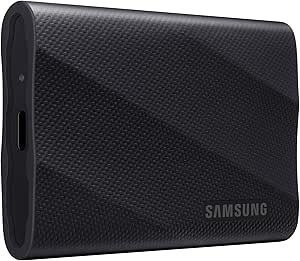 | Best for Sustained Portable Workloads | Capacity: 1 TB | Interface: USB 3.2 Gen 2×2 | Read speed: Up to 2,000 MB/s | VIEW LATEST PRICE | See Our Full Breakdown |
| Samsung 990 PRO 2TB PCIe 4.0 M.2 2280 SSD |  | Best for High-Performance Internal Storage | Capacity: 2 TB | Interface: PCIe 4.0 x4 | Form factor: M.2 2280 | VIEW LATEST PRICE | See Our Full Breakdown |
| SanDisk Extreme PRO 2TB Portable SSD |  | Best for Demanding Portable Workflows | Capacity: 2 TB | Maximum read speed: Up to 4,000 MB/s | Maximum write speed: Up to 3,800 MB/s | VIEW LATEST PRICE | See Our Full Breakdown |
| SanDisk 1TB Portable SSD, Up to 800MB/s Read Speeds, Black (Old Model) |  | Best for Basic Rugged File Carry | Capacity: 1 TB | Read speed: Up to 800 MB/s | Write speed: 80 MB/s | VIEW LATEST PRICE | See Our Full Breakdown |
| Samsung T7 Portable SSD, 2 TB, Titan Gray, USB 3.2 Gen 2 | 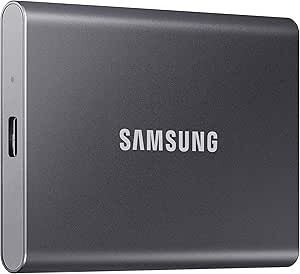 | Best Everyday Portable SSD | Capacity: 2 TB | USB standard: USB 3.2 Gen 2 | Maximum read speed: Up to 1,050 MB/s | VIEW LATEST PRICE | See Our Full Breakdown |
| TEAMGROUP T-Force Vulcan Z 1TB 2.5″ SATA III Internal SSD |  | Best for SATA PC Upgrades | Capacity: 1 TB | Form factor: 2.5-inch, 7 mm slim | Interface: SATA III, 6 Gb/s | VIEW LATEST PRICE | See Our Full Breakdown |
| Samsung Portable SSD P7 1TB USB4 |  | Best Compact High-Speed Pick | Capacity: 1 TB | Maximum read speed: Up to 4,000 MB/s | Maximum write speed: Up to 3,700 MB/s | VIEW LATEST PRICE | See Our Full Breakdown |
| Samsung 870 EVO 1TB SATA III 2.5-Inch Internal SSD |  | Best SATA Upgrade | Capacity: 1 TB | Form factor: 2.5 inches | Interface: SATA III, 6 Gb/s | VIEW LATEST PRICE | See Our Full Breakdown |
| Samsung 990 1TB Internal SSD |  | Best for Fast Internal Storage | Capacity: 1 TB | Form factor: M.2 | Interface: PCIe 4.0 x4 | VIEW LATEST PRICE | See Our Full Breakdown |
| SanDisk 1TB Portable SSD, Up to 1000 MB/s Read Speed, Black |  | Best Compact Portable SSD | Capacity: 1 TB | Read speed: Up to 1,000 MB/s | Interface: USB 3.0 | VIEW LATEST PRICE | See Our Full Breakdown |
| SSD drife | Capacity | Interface | Form factor | Read speed |
|---|---|---|---|---|
| SanDisk 8TB Desk Drive Externa | 8 TB | USB 3.2 Gen 2 | Compact desktop | Up to 1,000 MB/s |
| SanDisk Extreme Portable SSD | 1 TB | USB 3.0 | — | Up to 2,000 MB/s |
| SanDisk Extreme Portable SSD | 2 TB | USB 3.2 | Portable, 2.5 inches | Up to 1,050 MB/s |
| Samsung T9 Portable SSD | 1 TB | USB 3.2 Gen 2×2 | 2.5-inch | Up to 2,000 MB/s |
| Samsung 990 PRO 2TB PCIe 4.0 M | 2 TB | PCIe 4.0 x4 | M.2 2280 | — |
| SanDisk Extreme PRO 2TB Portab | 2 TB | — | — | — |
| SanDisk 1TB Portable SSD | 1 TB | USB 3.2 | 2.5-inch portable | Up to 800 MB/s |
| Samsung T7 Portable SSD | 2 TB | — | — | — |
| TEAMGROUP T-Force Vulcan Z 1TB | 1 TB | SATA III, 6 Gb/s | 2.5-inch, 7 mm slim | Up to 550 MB/s |
| Samsung Portable SSD P7 1TB US | 1 TB | — | — | — |
| Samsung 870 EVO 1TB SATA III 2 | 1 TB | SATA III, 6 Gb/s | 2.5 inches | — |
| Samsung 990 1TB Internal SSD | 1 TB | PCIe 4.0 x4 | M.2 | — |
| SanDisk 1TB Portable SSD | 1 TB | USB 3.0 | — | Up to 1,000 MB/s |
More Details on Our Top Picks
SanDisk 8TB Desk Drive External SSD
The SanDisk 8TB Desk Drive is the capacity pick for keeping a large media library or backup set in one compact desktop drive. Its read speed of up to 1,000 MB/s is a substantial step up from a traditional desktop hard drive, though it is far below the Samsung 990 PRO’s internal NVMe speeds. The tradeoff is that this is a desk-oriented drive rather than a pocket SSD: it prioritizes 8TB of space and simple Windows and Mac access over travel protection or peak transfer performance. Its exFAT format supports plug-and-play use across both platforms, and backup support includes Time Machine or Acronis software. Maximum speed depends on a USB 3.2 Gen 2 connection, so older ports may limit transfers.
Pros:- 8TB capacity suits large backups and media collections
- Up to 1,000 MB/s read speed outpaces traditional desktop HDDs
- exFAT formatting supports plug-and-play use with Windows and Mac
- Compact desktop form factor takes up little desk space
Cons:- Reaching advertised speeds requires a USB 3.2 Gen 2 port
- Desktop-oriented design is less suited to frequent travel than pocket-sized portable SSDs
Best for: Desktop users who need a large, cross-platform drive for backups, video files, or a growing media library.
Not ideal for: Frequent travelers and buyers seeking the fastest SSD performance; this is desk-focused and its USB speeds trail internal NVMe drives.
- Capacity:8 TB
- Interface:USB 3.2 Gen 2
- Read speed:Up to 1,000 MB/s
- Write speed:Up to 900 MB/s
- Form factor:Compact desktop
- Compatibility:Windows, Mac, Xbox Series S
- File system:exFAT
- Model number:SDDSSDT40-8T00-NA25
Our verdict“Choose the SanDisk Desk Drive when high-capacity desktop backup matters more than pocket portability or NVMe-level speed.”
SanDisk Extreme Portable SSD, 1TB, Up to 2000MB/s
This 1TB SanDisk Extreme Portable SSD is the lineup’s compact choice for moving active projects between a computer, tablet, or smartphone. Its advertised read speed of up to 2,000 MB/s exceeds the older 2TB SanDisk Extreme’s 1,050 MB/s read figure, but the 2TB model offers more room and lists a write speed, while this product’s write performance is not specified. IP65 water and dust resistance and drop protection up to 3 meters make it a more travel-ready option than the desktop-focused SanDisk Desk Drive. Password protection with 256-bit AES encryption adds a privacy layer, but requires a software download and has stated operating-system requirements. Buyers should also check host-device support before expecting the maximum speed.
Pros:- Advertised read speeds reach up to 2,000 MB/s
- IP65 rating protects against water and dust exposure
- Drop protection is rated up to 3 meters
- Pocket-sized design includes optional 256-bit AES password protection
Cons:- Write speed is not specified in the supplied product data
- Password protection requires a software download and is limited to Windows 10+ and macOS 12+
Best for: Traveling creators and mobile professionals who need a rugged 1TB drive for moving files among compatible computers and mobile devices.
Not ideal for: Buyers with large video libraries or frequent high-volume writes; 1TB may be limiting, and no write-speed figure is provided.
- Capacity:1 TB
- Interface:USB 3.0
- Connector:USB Type-C
- Read speed:Up to 2,000 MB/s
- Water and dust resistance:IP65
- Drop protection:Up to 3 m
- Encryption:256-bit AES password protection
- Dimensions:3.35 × 2 × 0.39 in
- Weight:1.6 oz
Our verdict“Pick this SanDisk when a rugged 1TB travel drive and high advertised read speed matter more than extra capacity or clearly stated write performance.”
SanDisk Extreme Portable SSD, 2TB
For buyers who need more room in a portable drive, the 2TB SanDisk Extreme offers a practical middle ground between the 1TB SanDisk Extreme and the 8TB Desk Drive. It lists read speeds up to 1,050 MB/s and write speeds up to 1,000 MB/s, enough for moving substantial project files without the desk-bound form of the higher-capacity model. Its IP65 protection, 3-meter drop rating, carabiner loop, and 256-bit AES hardware encryption suit travel and field use. In contrast, the newer 1TB Extreme advertises faster reads, but gives up half the capacity. Actual transfer speeds depend on the host and conditions, and Mac password protection requires a software download.
Pros:- 2TB capacity provides room for substantial project and media collections
- Advertised read and write speeds reach up to 1,050 MB/s and 1,000 MB/s
- IP65 water and dust resistance plus up to 3-meter drop protection
- Carabiner loop and 256-bit AES hardware encryption support travel and file security
Cons:- Actual speeds vary with the host device and operating conditions
- Mac password protection requires a software download
Best for: Photographers, students, and mobile workers who want 2TB of portable storage with environmental protection for everyday travel.
Not ideal for: Buyers chasing the highest advertised portable read speed or needing a desktop backup drive with several terabytes of capacity.
- Capacity:2 TB
- Interface:USB 3.2
- Read speed:Up to 1,050 MB/s
- Write speed:Up to 1,000 MB/s
- Protection:IP65 water and dust resistance; up to 3-meter drop protection
- Encryption:256-bit AES hardware encryption
- Form factor:Portable, 2.5 inches
- Compatible devices:Desktop, laptop, tablet
- Color:Black
Our verdict“Choose this model for a rugged, higher-capacity portable SSD, and choose the 1TB Extreme instead if its higher advertised read speed matters more than space.”
Samsung T9 Portable SSD, 1TB, USB 3.2 Gen 2×2, Up to 2,000 MB/s
The Samsung T9 is a strong match for users who move large files regularly and want a portable SSD designed for sustained workloads. It pairs read and write speeds of up to 2,000 MB/s with Dynamic Thermal Guard, which helps manage heat during heavy use. That makes it more purpose-built for demanding transfers than the 2TB SanDisk Extreme, although the SanDisk offers twice the listed capacity and IP65 water and dust resistance. The T9 instead lists drop resistance up to 9.8 feet and AES 256-bit hardware encryption. Its headline speed depends on a host and cable that support USB 3.2 Gen 2×2 and UASP; without that setup, buyers may not see the maximum. Compatibility also varies across devices.
Pros:- Read and write speeds are both listed at up to 2,000 MB/s
- Dynamic Thermal Guard helps manage heat during demanding transfers
- AES 256-bit hardware encryption protects stored files
- Drop resistance is rated up to 9.8 feet
Cons:- Maximum speeds require a compatible USB 3.2 Gen 2×2 host, cable, and UASP support
- Compatibility varies by host device
- At 1TB, it provides less capacity than the 2TB SanDisk Extreme
Best for: Video editors and other mobile professionals who regularly transfer large files and have USB 3.2 Gen 2×2-compatible equipment.
Not ideal for: Buyers prioritizing maximum capacity, IP-rated water and dust protection, or plug-in performance from a host without Gen 2×2 support.
- Capacity:1 TB
- Interface:USB 3.2 Gen 2×2
- Read speed:Up to 2,000 MB/s
- Write speed:Up to 2,000 MB/s
- Drop resistance:Up to 9.8 ft
- Encryption:AES 256-bit hardware encryption
- Form factor:2.5-inch
- Compatible devices:Mac, PC, tablet, iPhone 15/16
- Compatible consoles:Xbox Series S/X, PlayStation 4/5
Our verdict“Choose the T9 for sustained fast transfers on compatible hardware, but favor the 2TB SanDisk Extreme if extra capacity and IP65 protection matter more.”
Samsung 990 PRO 2TB PCIe 4.0 M.2 2280 SSD
The Samsung 990 PRO 2TB is the performance-focused choice here, built for a desktop, laptop, or PS5 installation rather than portable file sharing. Its PCIe 4.0 x4 interface supports sequential reads up to 7,450 MB/s and writes up to 6,900 MB/s, far beyond the external SanDisk Desk Drive’s 1,000 MB/s read figure. That speed can shorten large file transfers and support demanding gaming or computing workloads, provided the system has a compatible M.2 slot. Samsung’s controller manages heat, but PS5 users may need a separately sold heatsink for thermal performance. The compact M.2 2280 format also means this is an internal upgrade, not a drive to carry between devices.
Pros:- PCIe 4.0 sequential read speeds reach up to 7,450 MB/s
- Sequential write speeds reach up to 6,900 MB/s
- Controller manages heat during demanding workloads
- Designed for desktop, laptop, and PlayStation 5 compatibility
Cons:- Requires a compatible M.2 2280 PCIe 4.0 x4 slot
- A separately sold heatsink may be needed for PS5 thermal performance
- Performance can vary with firmware, system hardware, and configuration
Best for: PC gamers, creators, and PS5 owners with a compatible M.2 slot who need fast internal storage for demanding workloads.
Not ideal for: People seeking plug-and-play portable storage, or PS5 buyers who do not want to source a separate heatsink when needed.
- Capacity:2 TB
- Interface:PCIe 4.0 x4
- Form factor:M.2 2280
- Sequential read speed:Up to 7,450 MB/s
- Sequential write speed:Up to 6,900 MB/s
- Compatible devices:Desktop, laptop
- Compatible console:Sony PlayStation 5
- Dimensions:3.16 × 0.87 × 0.09 in
- Item weight:9.07 g
Our verdict“Choose the 990 PRO for a compatible PC or PS5 build where internal NVMe speed matters more than portability.”
SanDisk Extreme PRO 2TB Portable SSD
The SanDisk Extreme PRO 2TB is the speed-focused portable pick here, pairing up to 4,000 MB/s read speed with a stated 3,100 MB/s average sustained write speed. That sustained figure matters for long video transfers, where brief peak speeds tell only part of the story. Compared with the Samsung T7, it is built for much heavier transfer workloads and adds IP65 water and dust resistance plus drop protection up to 3 meters. The tradeoff is that those performance claims depend on the host connection and conditions; the listed interface information does not by itself guarantee peak throughput. Password protection uses 256-bit AES, but requires a software download. I’d choose it for demanding work on the move, not as a simple, low-cost backup drive.
Pros:- 2TB capacity with up to 4,000 MB/s read speed and 3,100 MB/s average sustained write speed.
- IP65-rated resistance to dust and water.
- Drop protection up to 3 meters.
- 256-bit AES password protection and broad listed device compatibility.
Cons:- Peak performance depends on the host device, interface, and usage conditions.
- Using password protection requires downloading encryption software.
Best for: Video editors and photographers who regularly move large project files between compatible computers and want rugged protection alongside high sustained throughput.
Not ideal for: Occasional backup users or owners of slower host connections who cannot make use of the high transfer speeds and would rather avoid installing encryption software.
- Capacity:2 TB
- Maximum read speed:Up to 4,000 MB/s
- Maximum write speed:Up to 3,800 MB/s
- Average sustained write speed:3,100 MB/s
- Connector:USB Type-C
- Encryption:256-bit AES password protection
- Ingress protection:IP65
- Drop protection:Up to 3 m
Our verdict“Choose this SanDisk for large, demanding portable workflows where sustained speed and rugged protection matter more than setup simplicity.”
SanDisk 1TB Portable SSD, Up to 800MB/s Read Speeds, Black (Old Model)
This older SanDisk 1TB Portable SSD suits buyers who want solid-state storage in a small, rugged package, rather than the faster transfer rates of newer portable drives. Its 800 MB/s maximum read speed is well below the Samsung T7’s 1,050 MB/s and far behind the SanDisk Extreme PRO, so it makes more sense for carrying documents, photos, and finished media than for frequent large editing transfers. The two-meter drop protection and rubber hook give it a practical advantage for travel or field use, though the listed 80 MB/s write speed is a substantial limitation for moving large folders onto the drive. I’d treat that write figure as a reason to skip it for heavy ingest work. Its USB-C connectivity may also call for an adapter on older systems.
Pros:- 1TB of portable solid-state storage.
- Up to 800 MB/s read speed for file access.
- Two-meter drop protection and a rubber attachment hook.
- Compact form factor for bags or on-the-go carry.
Cons:- Listed write speed of 80 MB/s is low for transferring large files onto the drive.
- Older model with lower read speed than the Samsung T7.
- Older USB ports may require an adapter for its USB Type-C connection.
Best for: Mobile professionals who need a 1TB drive for carrying and accessing files, value a clip-on rubber hook, and have a compatible USB connection.
Not ideal for: Photographers or editors who frequently write large batches of files, since the listed 80 MB/s write speed lags well behind the Samsung T7 and Extreme PRO.
- Capacity:1 TB
- Read speed:Up to 800 MB/s
- Write speed:80 MB/s
- Interface:USB 3.2
- Hardware connectivity:USB 3.2 Gen 2, USB Type-C
- Form factor:2.5-inch portable
- Drop protection:Up to 2 m
- Enclosure material:Rubber
Our verdict“Pick this older SanDisk for rugged file carry and light transfers, but choose the Samsung T7 or Extreme PRO for frequent large writes.”
Samsung T7 Portable SSD, 2 TB, Titan Gray, USB 3.2 Gen 2
The Samsung T7 2TB is the balanced everyday choice: its up-to-1,050 MB/s read and 1,000 MB/s write speeds are a clear step above basic portable storage, without the host requirements of the faster SanDisk Extreme PRO or Samsung P7. That makes the T7 a sensible match for moving photo libraries, project folders, and console files across a wide range of devices. Its aluminum unibody protects against drops up to 6 feet, and the box includes both USB-C-to-C and USB-C-to-A cables, helping it fit into mixed-device setups. Compared with the Extreme PRO, it gives up major speed and IP65 protection; compared with the SanDisk 800 MB/s model, it offers faster listed writes and more capacity. Peak performance still depends on a compatible USB 3.2 Gen 2 host.
Pros:- 2TB capacity with balanced read and write speeds up to 1,050 and 1,000 MB/s.
- Aluminum construction with drop protection up to 6 feet.
- 256-bit AES hardware encryption.
- Includes USB-C-to-C and USB-C-to-A cables.
Cons:- Maximum speeds require a compatible USB 3.2 Gen 2 host, cable, and UASP support.
- No stated IP water or dust resistance.
- Some operating systems may require reformatting.
Best for: People who want a versatile 2TB portable drive for regular computer, phone, and console transfers without needing specialist high-throughput hardware.
Not ideal for: Editors who routinely transfer very large files at maximum speed or need IP-rated water and dust resistance; the Extreme PRO is better suited to those conditions.
- Capacity:2 TB
- USB standard:USB 3.2 Gen 2
- Maximum read speed:Up to 1,050 MB/s
- Maximum write speed:Up to 1,000 MB/s
- Encryption:256-bit AES hardware encryption
- Construction:Aluminum unibody
- Drop protection:Up to 6 feet
- Included cables:USB Type-C to Type-C and USB Type-C to Type-A
Our verdict“Choose the T7 for flexible, everyday 2TB portable storage; step up to the Extreme PRO or P7 if your workflow can use substantially higher speeds.”
TEAMGROUP T-Force Vulcan Z 1TB 2.5″ SATA III Internal SSD
The TEAMGROUP T-Force Vulcan Z is the lineup’s internal upgrade pick, not a portable drive: its 2.5-inch, 7 mm profile is designed for desktops and laptops with a standard SATA III bay. Up to 550 MB/s read and 500 MB/s write can make an older system feel more responsive than a hard drive, while the silent, shock-resistant design suits everyday computing. Compared with the external Samsung T7, it lacks portability and needs installation, but it is a direct fit for a compatible internal drive bay. Its SATA interface also caps performance far below the Samsung 990 PRO and other modern NVMe options. SLC caching helps with bursts of writing, though extended heavy transfers may slow once that cache is exhausted. Check the computer’s drive-bay and interface support before choosing it.
Pros:- Standard 2.5-inch, 7 mm design fits many SATA III laptop and desktop bays.
- Up to 550 MB/s read and 500 MB/s write speeds.
- 3D NAND TLC with SLC cache for burst transfers.
- Silent operation with shock and vibration resistance.
Cons:- SATA III limits speed compared with modern NVMe drives such as the Samsung 990 PRO.
- Write performance may fall during sustained heavy transfers after the SLC cache is exhausted.
- Requires internal installation and is not a portable external drive.
Best for: Laptop and desktop owners replacing a hard drive or adding storage in a system with a 2.5-inch SATA III bay.
Not ideal for: Buyers who need portable storage, have a system that only accepts M.2 NVMe drives, or want faster performance for sustained heavy workloads.
- Capacity:1 TB
- Form factor:2.5-inch, 7 mm slim
- Interface:SATA III, 6 Gb/s
- NAND type:3D NAND TLC with SLC cache
- Read speed:Up to 550 MB/s
- Write speed:Up to 500 MB/s
- Warranty:3 years
Our verdict“Choose the Vulcan Z to refresh a compatible SATA-based computer; select an NVMe drive for a newer system built around higher-speed M.2 storage.”
Samsung Portable SSD P7 1TB USB4
The Samsung Portable SSD P7 targets buyers who want near-workstation transfer claims in a small external drive: it lists up to 4,000 MB/s read and 3,700 MB/s write in a 1TB capacity. That is much faster on paper than the Samsung T7, but the advantage depends on a compatible USB4 Gen 3×2 host and cable with UASP enabled; the provided interface details also list USB 2.0/3.0, so buyers should confirm their setup before expecting peak speeds. Its drop resistance up to 6.5 feet and broad device compatibility make it more flexible than an internal NVMe option like the Samsung 990 PRO, though it cannot match that drive’s direct internal role. I’d pick it for fast portable transfers on supported hardware, not for a system that will bottleneck it.
Pros:- Listed read and write speeds reach up to 4,000 and 3,700 MB/s.
- Portable 1TB storage with drop resistance up to 6.5 feet.
- Compatible with a range of computers, mobile devices, cameras, TVs, and gaming consoles.
- Samsung Magician offers drive health monitoring and optimization tools.
Cons:- Maximum speeds require a compatible USB4 Gen 3×2 host, cable, and UASP support.
- Listed USB 2.0/3.0 interface information may confuse buyers expecting USB4 performance.
- Drop protection depends on conditions, and drop damage is not covered by warranty.
Best for: Creators and power users with a compatible USB4 setup who need to move large files between computers and portable devices.
Not ideal for: Buyers with USB 2.0 or USB 3.0-only hosts, or anyone prioritizing a clear, verified connection path to the advertised maximum speeds.
- Capacity:1 TB
- Maximum read speed:Up to 4,000 MB/s
- Maximum write speed:Up to 3,700 MB/s
- Listed interface:USB 2.0/3.0
- Connector:USB Type-C
- Drop resistance:Up to 6.5 feet
- Weight:0.1 kg
- Software:Samsung Magician
Our verdict“Choose the P7 for high-speed portable transfers only if your host supports its stated USB4 requirements; otherwise, the Samsung T7 is a more straightforward match.”
Samsung 870 EVO 1TB SATA III 2.5-Inch Internal SSD
The Samsung 870 EVO is my pick for replacing a hard drive in a computer that takes a 2.5-inch SATA drive. Its speeds—up to 560 MB/s read and 530 MB/s write—make everyday startup and file access far snappier than a mechanical drive, while the 1TB capacity suits a system drive plus a useful library of files. Compared with the TEAMGROUP T-Force Vulcan Z, this model specifies higher endurance at up to 600 TBW and adds AES 256-bit encryption support. The tradeoff is the SATA ceiling: it cannot match the much higher throughput of the Samsung 990 1TB NVMe drive, and it will not fit an M.2-only slot. Its five-year warranty also ends if the rated TBW limit is reached first.
Pros:- 2.5-inch SATA form factor suits many older laptop and desktop upgrades
- Sequential speeds reach up to 560 MB/s read and 530 MB/s write
- Rated for up to 600 TBW endurance at 1TB capacity
- AES 256-bit, TCG/Opal, and IEEE1667 encryption support
Cons:- SATA interface is much slower than the PCIe 4.0 Samsung 990 1TB
- Requires a compatible 2.5-inch bay and SATA connection
- Warranty ends at five years or the rated TBW limit, whichever comes first
Best for: Laptop and desktop owners with a 2.5-inch SATA bay who want a 1TB hard-drive replacement with specified endurance and encryption support.
Not ideal for: Owners of M.2-only systems or buyers prioritizing high-speed creative transfers; SATA limits throughput far below PCIe 4.0 NVMe drives.
- Capacity:1 TB
- Form factor:2.5 inches
- Interface:SATA III, 6 Gb/s
- Sequential read:Up to 560 MB/s
- Sequential write:Up to 530 MB/s
- Endurance:Up to 600 TBW
- Warranty:5 years or TBW limit, whichever comes first
- Encryption:AES 256-bit, TCG/Opal, IEEE1667
Our verdict“Choose the 870 EVO for a dependable-feeling 2.5-inch SATA upgrade, but pick the Samsung 990 1TB if your system supports NVMe and speed is the priority.”
Samsung 990 1TB Internal SSD
The Samsung 990 1TB earns this spot for buyers who can use an M.2 PCIe 4.0 drive and want fast internal storage for games, large projects, or frequent file transfers. Its rated sequential speeds of up to 7,150 MB/s read and 6,450 MB/s write greatly exceed the SATA-based Samsung 870 EVO, cutting down waits when workloads can take advantage of NVMe throughput. It also lists random performance up to 700K read and 1,100K write IOPS, plus hardware encryption, TRIM, and tools for firmware and health monitoring. The compromise is compatibility: it needs an M.2 slot with PCIe 4.0 support, unlike the broadly fitting 2.5-inch 870 EVO. Performance can vary with system configuration and firmware, and the listed authentication process requires an internet connection.
Pros:- PCIe 4.0 x4 NVMe interface supports very high sequential throughput
- Up to 7,150 MB/s read and 6,450 MB/s write speeds
- Hardware encryption and TRIM support
- Drive tools provide firmware updates and health monitoring
Cons:- Requires a compatible M.2 slot and system support to use its interface
- Real-world performance can vary with firmware and system configuration
- Authentication requires an internet connection
Best for: PC builders, gamers, and laptop owners with a compatible PCIe 4.0 M.2 slot who regularly move large files or run storage-intensive workloads.
Not ideal for: Owners of systems limited to 2.5-inch SATA drives, or buyers who mainly need a portable drive for use across several devices.
- Capacity:1 TB
- Form factor:M.2
- Interface:PCIe 4.0 x4
- Protocol:NVMe
- Sequential read:Up to 7,150 MB/s
- Sequential write:Up to 6,450 MB/s
- Random read/write:Up to 700K / 1,100K IOPS
- Features:Hardware encryption, TRIM, firmware and drive-health tools
Our verdict“Pick the Samsung 990 1TB for a compatible M.2 system where speed matters; the Samsung 870 EVO is the more practical fit for older SATA machines.”
SanDisk 1TB Portable SSD, Up to 1000 MB/s Read Speed, Black
For a drive that needs to travel between a laptop, phone, tablet, and desktop, the SanDisk 1TB Portable SSD is the straightforward choice here. At 1.12 ounces and under four inches long, it is easier to carry than an internal drive such as the Samsung 870 EVO, and its USB-C connection works across the listed device types without driver setup. Read speeds reach up to 1,000 MB/s, making it a faster portable option on paper than the older SanDisk 1TB Portable SSD (800MB/s). It also has drop protection up to two meters and is described as dust-, shock-, and water-resistant. The main limit is that only read speed is specified; write performance is lower, so repeated large backups may take longer than the headline speed suggests.
Pros:- Lightweight 1.12-ounce body fits easily in a travel kit
- Read speeds reach up to 1,000 MB/s
- USB Type-C connection supports the listed computers and mobile devices
- Drop protection up to 2 meters, with dust, shock, and water resistance listed
Cons:- Write speed is lower than the stated read speed and is not specified here
- 1TB capacity may be limiting for extensive video or photo archives
- Actual available storage is less than the nominal 1TB
Best for: Students, photographers, and mobile-device owners who want a light 1TB drive for carrying files between USB-C-compatible devices.
Not ideal for: Buyers who need a stated high write speed for sustained large transfers, or who need more than 1TB of portable capacity.
- Capacity:1 TB
- Read speed:Up to 1,000 MB/s
- Interface:USB 3.0
- Connector:USB Type-C
- Compatibility:Mac, PC, desktop, laptop, smartphone, tablet
- Durability:Drop protection up to 2 meters; dust-, shock-, and water-resistant
- Weight:1.12 oz
- Dimensions:1.77 × 3.35 × 0.39 in
Our verdict“Choose this SanDisk for lightweight file carrying across compatible devices; select the Samsung 990 1TB for much faster internal storage rather than portability.”
How We Picked
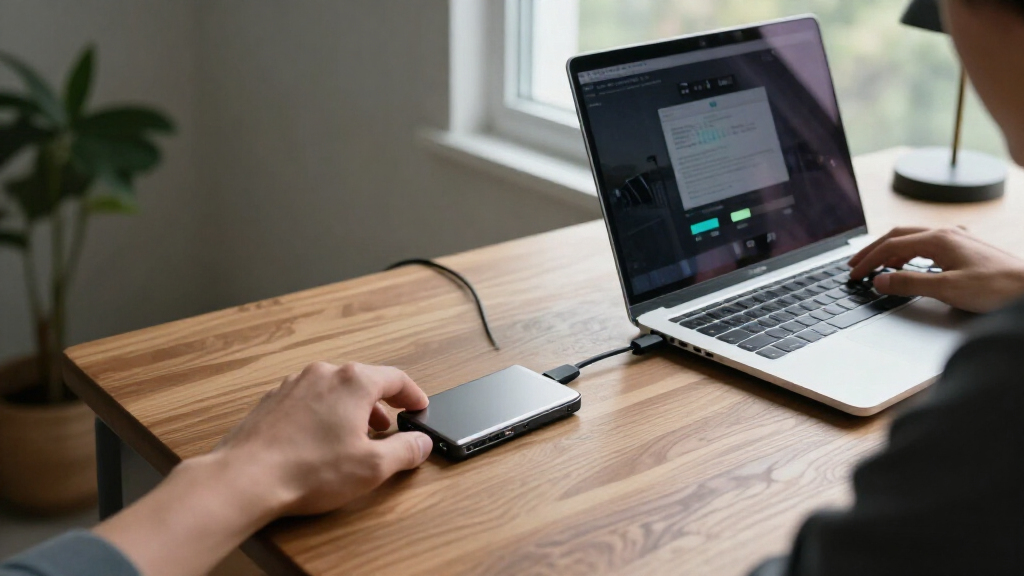
I compared these drives by intended use, interface, capacity, and practical compatibility. The ranking gives more weight to options that make a clear case for a common buyer need, then considers whether the drive’s speed claims can be used with typical compatible hardware, whether its format suits portable or installed storage, and how much setup it demands. Internal NVMe, internal SATA, and external SSDs serve different purposes, so I judged each against its own role rather than treating a higher advertised transfer rate as automatically better.
Fit and tradeoffs shape the order: flexible picks with useful capacity and straightforward everyday use rank ahead of more specialized products. I placed high-speed external models lower when their full performance depends on a matching port, and separated large desktop storage from compact travel drives. The lineup includes products with limited information in their names, such as the Samsung 990 1TB and Samsung Portable SSD P7; I avoid assigning unsupported performance claims and recommend checking the exact interface and device compatibility before buying.
| SSD drife | Interface | Read speed |
|---|---|---|
| SanDisk 8TB Desk Drive Externa | USB 3.2 Gen 2 | Up to 1,000 MB/s |
| SanDisk Extreme Portable SSD | USB 3.0 | Up to 2,000 MB/s |
| SanDisk Extreme Portable SSD | USB 3.2 | Up to 1,050 MB/s |
| Samsung T9 Portable SSD | USB 3.2 Gen 2×2 | Up to 2,000 MB/s |
| Samsung 990 PRO 2TB PCIe 4.0 M | PCIe 4.0 x4 | — |
| SanDisk Extreme PRO 2TB Portab | — | — |
| SanDisk 1TB Portable SSD | USB 3.2 | Up to 800 MB/s |
| Samsung T7 Portable SSD | — | — |
| TEAMGROUP T-Force Vulcan Z 1TB | SATA III, 6 Gb/s | Up to 550 MB/s |
| Samsung Portable SSD P7 1TB US | — | — |
| Samsung 870 EVO 1TB SATA III 2 | SATA III, 6 Gb/s | — |
| Samsung 990 1TB Internal SSD | PCIe 4.0 x4 | — |
| SanDisk 1TB Portable SSD | USB 3.0 | Up to 1,000 MB/s |
Factors to Consider When Choosing Best SSD Drives
Start with the device and job, not the headline speed. The right SSD is the one your computer can connect to, that holds the data you need, and that fits how often you move or install it.
Match the SSD Type to Your Device
External portable SSDs connect over USB and suit backups, file transfers, and use across multiple devices. Internal M.2 NVMe drives need a compatible M.2 slot and are intended for installation inside a computer, while 2.5-inch SATA drives suit systems with the matching bay and connection. A common mistake is buying the fastest format on paper without checking the device manual or available slot. Older laptops and desktops may accept SATA but not NVMe, or may have no user-accessible drive bay at all. I would confirm the connector, supported drive length, and any system-specific limits before choosing between the 990 PRO, 870 EVO, or an external model.
Treat Speed Claims as Interface-Dependent
Advertised transfer rates describe what a drive may reach under suitable conditions, not what every computer will deliver. USB versions and lane configurations differ, and the computer, cable, and drive must all support the faster connection for it to matter. This is especially relevant when comparing the Samsung T9, USB4 P7, and SanDisk models that advertise high speeds. For routine documents and backups, a compatible, dependable connection may matter more than the highest number on the box. Before paying for speed, check the ports on the device where the drive will spend most of its time.
Choose Capacity for the Whole Workflow
Estimate the size of your active files, then leave room for growth and working copies. Video projects, game libraries, and repeated backups can fill a small drive sooner than expected, while a large drive can be awkward if you only need to carry a few documents. The 8TB Desk Drive is aimed at a different task from the 1TB portable SSDs: keeping a substantial collection at a desk rather than traveling light. Avoid selecting capacity from a single project’s size if you also need space for exports, versions, or system backups. A good fit balances current use with the time and effort required to manage storage later.
Decide Whether Portability or Desk Storage Matters More
Portable drives are designed for moving between locations, while a desktop-oriented external drive makes more sense as a fixture beside a computer. If the SSD will travel in a bag, prioritize a compact enclosure and a connection that works with your laptop; if it will hold a large archive, capacity may matter more than pocketability. External drives still need sensible handling and a separate backup plan for irreplaceable files. A single SSD should not be the only copy of important work, since loss, damage, or accidental deletion can affect any storage device. Think about where the drive will live and how you will protect its contents.
Know When SATA Is Enough
NVMe drives offer a different performance class from SATA, but a system limited to 2.5-inch SATA cannot use an M.2 drive as a direct replacement. For an older desktop or laptop, a SATA SSD can be a practical way to replace a hard drive or add responsive storage without changing the platform. The Samsung 870 EVO and TEAMGROUP T-Force Vulcan Z belong to this upgrade path, not the same category as the 990 PRO. Check the computer’s drive bay, connector, and mounting needs before ordering. Paying for an interface your system cannot support brings no benefit.
Pay for Features Your Setup Can Use
A faster external model makes sense when the computer has a matching port and your work involves frequent large transfers. For occasional file copies, everyday backups, or general portable storage, a more modest drive may be a better fit than chasing maximum throughput. The same principle applies internally: choose a PCIe 4.0 NVMe drive for a compatible system and workload, not simply because the format sounds newer. Check whether the drive includes what your setup needs, such as a cable or any required mounting hardware, rather than assuming every package is identical. The best spend is the one that improves your actual workflow without adding unused capability.
Frequently Asked Questions
Should I choose an external SSD or an internal SSD?
Choose an external SSD if you need storage you can connect to several devices or carry with you. An internal model suits a computer upgrade when you have a compatible slot or drive bay and are comfortable with installation. External models such as the Samsung T7 and SanDisk Portable SSD are easier to use without opening a computer, while the Samsung 990 PRO requires an appropriate M.2 slot. Check whether your device supports the drive’s connection before buying. If you need both portability and a permanent system upgrade, one drive may not serve both jobs well.
Will a USB4 or high-speed USB SSD work at its advertised speed on my laptop?
Not necessarily: the drive, cable, and laptop port all affect the connection. A USB4 drive needs a compatible host connection to reach its intended performance, while a drive using a faster USB configuration may fall back to a slower mode on other ports. Check the laptop manufacturer’s port specifications rather than relying on the shape of the connector alone. If most transfers involve a slower port, a premium speed rating may not improve your everyday experience. Compatibility is a better starting point than the largest advertised number.
Is a 1TB SSD enough, or should I choose 2TB or more?
One terabyte can suit documents, photos, and a moderate set of active projects, but large video files, game libraries, and backups can use that space quickly. A 2TB drive offers more room for active work without requiring frequent file cleanup, while the 8TB Desk Drive suits a much larger stationary collection. Think about whether the SSD will hold original files, working copies, and completed exports at the same time. Also allow space for future additions instead of sizing the drive only for today’s files. If the data matters, plan a separate backup rather than relying on extra capacity alone.
Can I replace a SATA drive with an M.2 NVMe SSD?
Only if the computer has an M.2 slot that supports NVMe; a 2.5-inch SATA bay is not the same connection. Some systems have M.2 slots that support SATA drives but not NVMe, so the slot’s physical shape alone is not enough to confirm compatibility. Check the computer’s documentation for supported interface, drive length, and installation limits. If it only accepts 2.5-inch SATA, models such as the Samsung 870 EVO or TEAMGROUP T-Force Vulcan Z are more relevant choices. Confirm fit before ordering to avoid buying a drive the system cannot use.
Can an SSD be my only backup?
I would not rely on one SSD as the only copy of important files. Any drive can be lost, damaged, or affected by accidental deletion, and a portable model can be misplaced while traveling. Keep another copy on a separate device or in a suitable cloud backup, and update it on a schedule that matches how often your files change. For large collections, a desktop drive can hold one copy, but it should not be the only place those files exist. Test that you can restore a few files so the backup is useful when needed.
Conclusion
For a compatible desktop or laptop with an M.2 PCIe 4.0 slot, I recommend the Samsung 990 PRO 2TB as the best overall internal SSD. The Samsung 870 EVO and TEAMGROUP T-Force Vulcan Z are the more sensible value-style picks for systems limited to 2.5-inch SATA, while beginners who want a simple external option can start with the Samsung T7. For a large desktop library, choose the SanDisk 8TB Desk Drive; for travel and high-speed transfers, compare the Samsung T9, Samsung P7, and SanDisk Extreme models against your actual ports. The best premium choice depends on that connection: a high-speed SSD only earns its place when your computer and workload can use it. If you are unsure, check your device’s supported interface first, then choose capacity and portability around your files.