The best MacBook laptops balance the performance, screen size, memory, and storage you actually need. My best overall pick is the 14-inch MacBook Pro with M5 and 24GB memory, which offers a stronger work setup than the Air without stepping up to a Max chip. The 13-inch MacBook Air with M5 is a lighter everyday choice, while the 16-inch MacBook Pro with M5 Pro suits demanding work and a larger display. The main tradeoffs are portability versus screen space, everyday performance versus sustained power, and new configurations versus older renewed models. Read on for the full comparison and a guide to choosing the right MacBook for your needs.

Get the latest gadgets delivered free with Prime
- Fast, free delivery on millions of items
- Prime Video, Amazon Music and more included
- Member-only deals all year
Complete the kit



Key Takeaways
- The 14-inch MacBook Pro with M5 and 24GB memory is the most balanced pick here: it pairs a mainstream Pro chip with more memory than the listed 16GB M5 Air configurations.
- The M5 Air models prioritize portability; choose the 13-inch version for a smaller carry, or the 15-inch version when a larger workspace matters more.
- M5 Pro and M5 Max are different buying decisions: Pro models target demanding general work, while the listed Max configurations add substantial memory and graphics capacity for specialized workloads.
- Configuration differences matter even within one chip family: the M5 Max options range from 48GB to 128GB memory, so the right choice depends on workload rather than the chip label alone.
- Renewed models span very different generations and specs, from M1 and Intel systems to an M2 Air and M2 Max Pro; older models can fit basic needs, but their memory and storage limits may constrain longer-term use.





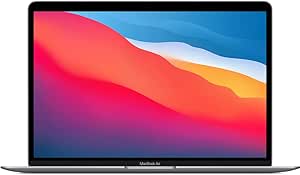

| MacBook laptop | Display | Memory | Storage | Weight |
|---|---|---|---|---|
| Apple 14.2-inch MacBook Pro wi | 14.2-inch Liquid Retina XDR, up to 1600 nits peak brightness | 16GB unified memory | 1TB SSD | 3.41 pounds |
| Apple MacBook Air 13-inch Lapt | 13.6-inch Liquid Retina, supports one billion colors | 16GB unified memory | 512GB SSD | 2.71 pounds |
| Apple MacBook Air | 13.3-inch Retina | 8GB DDR4 | 128GB SSD | 2.8 pounds |
| Apple 2022 MacBook Air 13.6-in | 13.6-inch Retina LED, 2560 × 1664 | 8GB | 256GB SSD | — |
| Apple MacBook Pro 16.2-inch wi | 16.2-inch Liquid Retina XDR | 24GB unified memory | 1TB SSD | 4.71 pounds |
| Apple MacBook Pro 13-inch | 13-inch Retina LED, 2560 × 1600, True Tone | 8GB DDR3 SDRAM | 256GB SSD | 2.6 pounds |
| Apple MacBook Pro 14.2-inch wi | 14.2-inch Liquid Retina XDR | 128GB | 2TB SSD | — |
| Apple MacBook Neo 13-inch Lapt | 13-inch Liquid Retina | 8GB unified memory | 512GB SSD | 2.71 pounds |
| Apple MacBook Pro 14.2-inch wi | Listed as 14.2-inch Liquid Retina XDR; product details also mention 16.2 inches | 64GB unified memory | 2TB SSD | 7 pounds (listed) |
| Apple MacBook Air 15-inch Lapt | 15.3-inch Liquid Retina | 16GB unified memory | 512GB SSD | 3.32 pounds |
| Apple MacBook Pro 16.2-inch wi | 16.2 inches, 3456 × 2234 pixels | 32GB | 1TB SSD | 2.16 kg |
| Apple MacBook Air | 13.3-inch Retina, 2560 × 1600 | 8GB | 128GB SSD | 2.8 pounds |
| Apple 2025 MacBook Pro 14.2-in | 14.2-inch Liquid Retina XDR | 24GB unified memory | 1TB SSD | — |
| Apple MacBook Pro 16.2-inch wi | 16.2-inch Nano-Texture Liquid Retina XDR | 48GB | 1TB SSD | 9.9 pounds |
| Apple MacBook Pro 14.2-inch wi | 14.2-inch Liquid Retina XDR | 48GB | 2TB SSD | — |
More Details on Our Top Picks
Apple 14.2-inch MacBook Pro with M5, 10-core CPU and GPU, 16GB Memory, 1TB SSD, Space Black
I’d make this 14.2-inch MacBook Pro the balanced pick for buyers who need more than an Air without stepping up to a larger, heavier Pro. Its M5 chip, 16GB of unified memory, and 1TB SSD suit creative work and multitasking, while the bright Liquid Retina XDR display gives photo and video work a more capable screen than the MacBook Air’s Liquid Retina panel. The built-in SDXC, HDMI, and three Thunderbolt 4 ports also reduce the need for adapters.
The tradeoff is that this configuration has only 16GB of memory, while the 16.2-inch M5 Pro model offers 24GB and a more powerful chip for heavier workloads. At 3.41 pounds, it is also less carry-friendly than the 2.71-pound Air. I’d choose it for a mix of demanding work and portability, not for maximum performance or the lightest daily carry.
Pros:- M5 chip with 10-core CPU and GPU supports demanding everyday and creative workloads
- Liquid Retina XDR display reaches up to 1600 nits peak brightness
- 1TB SSD provides more working space than the 512GB MacBook Air configuration
- SDXC, HDMI, MagSafe 3, and three Thunderbolt 4 ports offer flexible connections
Cons:- 16GB unified memory is less suited to heavier workloads than the 24GB in the 16.2-inch M5 Pro
- At 3.41 pounds, it is heavier than the 13.6-inch MacBook Air
- External display support is limited to two displays
Best for: Creative professionals and power users who want an XDR display, useful built-in ports, and a portable 14-inch Pro.
Not ideal for: People running memory-intensive professional workloads who would benefit from the 16.2-inch M5 Pro’s 24GB of memory, or frequent travelers prioritizing the lighter MacBook Air.
- Chip:Apple M5
- CPU and GPU:10-core CPU, 10-core GPU
- Display:14.2-inch Liquid Retina XDR, up to 1600 nits peak brightness
- Memory:16GB unified memory
- Storage:1TB SSD
- Camera:12MP Center Stage
- Ports:Three Thunderbolt 4, MagSafe 3, SDXC card slot, HDMI, headphone jack
- Weight:3.41 pounds
Our verdict“Choose this MacBook Pro for a portable, well-connected creative laptop, but step up to the M5 Pro if your work needs more memory and processing headroom.”
Apple MacBook Air 13-inch Laptop with M5 Chip, 16GB Memory, 512GB SSD, Sky Blue
For buyers who carry a MacBook all day, I’d favor this 13.6-inch MacBook Air over either Pro in this group. At 2.71 pounds, it is the lightest new M5 option here, yet its 16GB of unified memory and 512GB SSD give it a solid everyday foundation. The display supports one billion colors, and the stated battery life of up to 18 hours suits long work or study days away from an outlet.
Compared with the 14.2-inch M5 MacBook Pro, the Air gives up the XDR screen, HDMI, SDXC slot, and extra Thunderbolt ports. That makes it less convenient for a desk setup with several accessories and less suited to display-focused creative work. Its two Thunderbolt 4 ports also mean a hub may be needed. I’d pick it for everyday mobility, not for the richer display and connections of a Pro.
Pros:- Light 2.71-pound design is easier to carry than either MacBook Pro here
- M5 chip and 16GB unified memory suit everyday multitasking
- Up to 18 hours of stated battery life supports long days away from a charger
- 12MP Center Stage camera and Wi-Fi 7 add useful features for calls and wireless networking
Cons:- Two Thunderbolt 4 ports offer fewer built-in connections than the 14.2-inch MacBook Pro
- Liquid Retina display lacks the XDR panel and brightness levels of the Pro models
- 512GB SSD is half the capacity of the 1TB storage in both listed Pro configurations
Best for: Students, commuters, and mobile professionals who want an M5 laptop with long stated battery life and a light carry.
Not ideal for: Video editors and desk-based users who need an XDR display or frequent access to HDMI, SDXC, and additional ports.
- Chip:Apple M5
- Display:13.6-inch Liquid Retina, supports one billion colors
- Memory:16GB unified memory
- Storage:512GB SSD
- Battery life:Up to 18 hours
- Camera:12MP Center Stage
- Wireless:Wi-Fi 7, Bluetooth 6
- Weight:2.71 pounds
Our verdict“Choose this Air if low carry weight and long stated battery life matter more than the Pro’s XDR screen and broader ports.”
Apple MacBook Air (13-inch Retina display, 1.6GHz dual-core Intel Core i5, 128GB) – Gold (Renewed)
This renewed Intel MacBook Air has a clear niche: buyers who need a basic macOS laptop and prefer this older, lightweight form over a current-generation Air. Its 13.3-inch Retina display, Touch ID, and 2.8-pound body cover familiar tasks such as writing, browsing, and video calls. Compared with the renewed 2022 M2 Air in this roundup, it has a smaller 128GB SSD and older dual-core Intel processor, so I’d place it well below that model for performance and room to store files.
The 8GB of RAM and 128GB of storage leave little headroom for large apps or busy multitasking, while its macOS 10.14 Mojave listing marks it as a dated configuration. Two USB-C/Thunderbolt ports also mean adapters may be necessary. I’d treat it as a narrow fit for light use, not as a long-term alternative to either M5 Air.
Pros:- 13.3-inch Retina display provides a sharp screen for basic work
- Touch ID supports convenient secure login
- At 2.8 pounds, it remains relatively easy to carry
- Two USB-C/Thunderbolt ports provide modern connections for its generation
Cons:- Older 8th-generation dual-core Intel processor is less capable than the M2 and M5 options here
- 8GB RAM and 128GB SSD constrain multitasking and local file storage
- Listed macOS 10.14 Mojave is an old operating system version
Best for: A buyer seeking a renewed, lightweight Mac for simple browsing, writing, and other basic tasks who can work within its older software and small storage capacity.
Not ideal for: Students or professionals needing current-generation performance, substantial local storage, or comfortable multitasking; the renewed M2 Air is a stronger step up.
- Processor:8th-generation Intel Core i5, 1.6GHz dual-core
- Display:13.3-inch Retina
- Memory:8GB DDR4
- Storage:128GB SSD
- Graphics:Integrated Intel UHD Graphics 617
- Operating system:macOS 10.14 Mojave
- Battery life:Up to 12 hours
- Weight:2.8 pounds
Our verdict“Consider this renewed Air only for light tasks and a legacy Mac setup; the renewed M2 Air offers a more capable starting point.”
Apple 2022 MacBook Air 13.6-inch with M2 Chip, 8GB RAM, 256GB SSD, Starlight (Renewed)
Among the older and renewed models here, this 2022 MacBook Air with M2 is the more practical everyday choice. Its 8-core CPU and 8-core GPU put it ahead of the dual-core Intel processor in the 2018-era renewed Air, and its 13.6-inch, 2560 × 1664 display offers a larger workspace than that model’s 13.3-inch screen. At 2.7 pounds, it stays close to the portability of the newer M5 Air.
The limits are equally clear: this renewed configuration has just 8GB of RAM and 256GB of storage, below the 16GB and 512GB in the M5 Air. Its two Thunderbolt ports also provide fewer connections than the M5 MacBook Pro. The 90-day limited warranty and renewed condition are additional reasons to weigh it carefully. I’d choose it for everyday use on a tighter feature set, not for demanding workloads or a long upgrade runway.
Pros:- M2 8-core CPU and GPU are a meaningful step up from the older Intel Air in this roundup
- 13.6-inch, 2560 × 1664 display gives a roomy, high-resolution workspace
- 2.7-pound weight keeps it easy to carry
- 256GB SSD offers twice the listed capacity of the renewed Intel Air
Cons:- 8GB of memory may limit heavy multitasking compared with the 16GB M5 Air
- Renewed condition and a 90-day limited warranty offer less reassurance than a new model
- Two Thunderbolt ports provide fewer connection options than the MacBook Pro models
Best for: Everyday users who want a relatively light MacBook with an M-series chip and can accept a renewed device, 8GB of RAM, and 256GB storage.
Not ideal for: Buyers who keep many large files locally, run memory-heavy apps, or want the 16GB memory and newer M5 chip in the current MacBook Air.
- Model year:2022
- Processor:Apple M2, 8-core CPU
- Graphics:Integrated 8-core GPU
- Display:13.6-inch Retina LED, 2560 × 1664
- Memory:8GB
- Storage:256GB SSD
- Ports:Two Thunderbolt ports
- Condition and warranty:Renewed; 90-day limited warranty
Our verdict“Pick this renewed M2 Air for everyday work if its modest memory, storage, and warranty fit your needs; choose the M5 Air for more headroom.”
Apple MacBook Pro 16.2-inch with M5 Pro, 24GB Memory, 1TB SSD, Space Black
When sustained performance and screen space take priority over portability, I’d choose this 16.2-inch MacBook Pro with M5 Pro. Its 18-core CPU, 20-core GPU, and 24GB of unified memory give it more listed processing and memory headroom than the 14.2-inch M5 MacBook Pro, making it better suited to demanding creative and professional workloads. The Liquid Retina XDR display and six-speaker system also make the larger chassis useful for more than raw performance: it offers a broader workspace and a richer media setup.
That capability comes with a real carrying cost: at 4.71 pounds, it is much heavier than the 14.2-inch Pro or either Air. It also has the same 1TB SSD capacity as the smaller Pro, rather than more internal storage. I’d buy it for performance and screen area, but the 14.2-inch model makes more sense if frequent travel is part of the routine.
Pros:- M5 Pro with 18-core CPU and 20-core GPU targets demanding professional workloads
- 24GB unified memory exceeds the 16GB in the 14.2-inch M5 MacBook Pro
- 16.2-inch Liquid Retina XDR display provides more working area than the 14.2-inch Pro
- Thunderbolt 5, HDMI, and SDXC offer a broad set of built-in connections
Cons:- 4.71-pound weight makes it substantially less convenient to carry than the smaller Pro and Air models
- 1TB SSD provides no extra storage over the 14.2-inch M5 MacBook Pro
- The larger display and performance may be unnecessary for everyday browsing and office work
Best for: Video, design, and technical professionals who benefit from a large XDR workspace, a powerful chip, and 24GB of unified memory.
Not ideal for: Frequent travelers and students who carry a laptop daily, or buyers whose workloads do not need the extra performance and screen area over the 14.2-inch M5 Pro.
- Chip:Apple M5 Pro
- CPU and GPU:18-core CPU, 20-core GPU
- Display:16.2-inch Liquid Retina XDR
- Memory:24GB unified memory
- Storage:1TB SSD
- Wireless:Wi-Fi 7, Bluetooth 6
- Ports:Three Thunderbolt 5, MagSafe 3, SDXC, HDMI, headphone jack
- Weight:4.71 pounds
Our verdict“Choose this 16.2-inch Pro for demanding work that benefits from extra screen space and M5 Pro performance, and favor the 14.2-inch Pro for easier travel.”
Apple MacBook Pro 13-inch (8GB RAM, 256GB SSD) – Space Gray (Renewed)
This renewed 13-inch MacBook Pro is the choice for buyers who specifically want an Intel-era MacBook Pro with a Retina display, Touch Bar, and Touch ID. Its quad-core 8th-generation Core i5 and SSD suit everyday work such as browsing, writing, and document editing, while True Tone adjusts the display’s color to the surrounding light. Compared with the Apple MacBook Air 15-inch with M5, this model has older hardware, less memory, and a smaller screen; the Air is a stronger fit for current workflows and longer battery life. The Pro’s practical tradeoffs are its 8GB of DDR3 memory, older macOS version listed in the specifications, and limited USB-C connectivity. Since it is renewed, buyers should also check the seller’s warranty and condition terms before choosing it.
Pros:- Retina display with True Tone and 2560 × 1600 resolution
- Quad-core processor and SSD suit routine productivity tasks
- Touch ID adds a convenient authentication option
- At 2.6 pounds, it is easy to carry
Cons:- 8GB of DDR3 memory is limited for heavier multitasking
- Older Intel platform and macOS 10.13 High Sierra specification trail newer MacBooks
- Renewed condition may come with a shorter warranty
Best for: Buyers who want a compact, renewed Intel MacBook Pro for basic everyday work and value its Touch Bar and Touch ID features.
Not ideal for: People who need current-generation performance, substantial memory for demanding creative work, or a laptop with a clearly specified long warranty.
- Processor:1.4 GHz quad-core 8th-generation Intel Core i5
- Memory:8GB DDR3 SDRAM
- Storage:256GB SSD
- Display:13-inch Retina LED, 2560 × 1600, True Tone
- Graphics:Integrated Intel Iris Plus Graphics 645
- Battery life:Up to 10 hours
- Weight:2.6 pounds
- Ports:2 Thunderbolt/USB-C and 2 USB-A
- Operating system:macOS 10.13 High Sierra
Our verdict“Choose this renewed model for basic tasks and its classic Pro features, but favor the M5 MacBook Air 15-inch for a more current everyday laptop.”
Apple MacBook Pro 14.2-inch with M5 Max, 18-core CPU, 40-core GPU, 128GB Memory, 2TB SSD, Space Black
This 14.2-inch MacBook Pro is the lineup’s most memory-heavy option, pairing the M5 Max with 128GB of memory, a 40-core GPU, and a 2TB SSD. That capacity is aimed at demanding professional work—large creative projects, complex multitasking, and on-device AI workloads—where fitting more into memory can matter as much as raw processing power. Compared with the M5 Max MacBook Pro with 64GB, this configuration doubles memory while keeping the same listed CPU, GPU, and storage, so its case rests on unusually memory-intensive work rather than a different core platform. The Liquid Retina XDR display, broad port selection, and support for up to four external displays suit a desk-centered setup, while the 14.2-inch size remains more compact than the 16-inch Pro models. For ordinary office tasks, 128GB is likely far more capacity than needed.
Pros:- 128GB memory provides substantial capacity for demanding multitasking and large projects
- M5 Max pairs an 18-core CPU with a 40-core GPU
- 2TB SSD offers ample local project storage
- Thunderbolt 5, HDMI, SDXC, and MagSafe 3 support varied professional setups
Cons:- 128GB memory and a 40-core GPU exceed the needs of most everyday users
- The 14.2-inch screen may feel cramped for extended editing compared with a 16-inch MacBook Pro
Best for: Video, 3D, software, and AI professionals whose large projects or workflows make 128GB of memory useful.
Not ideal for: Students, office users, and most creators who will not use exceptionally high memory capacity and would prefer a less specialized MacBook.
- Chip:Apple M5 Max
- CPU:18-core
- GPU:40-core
- Memory:128GB
- Storage:2TB SSD
- Display:14.2-inch Liquid Retina XDR
- Ports:Three Thunderbolt 5, MagSafe 3, SDXC, HDMI, and headphone jack
- Wireless:Wi-Fi 7 and Bluetooth 6
- Camera:12MP Center Stage
Our verdict“Pick this configuration when your professional workload can use 128GB of memory; otherwise, the 64GB M5 Max Pro is the more restrained fit.”
Apple MacBook Neo 13-inch Laptop with A18 Pro Chip, 8GB Memory, 512GB SSD, and Touch ID – Blush
The 13-inch MacBook Neo suits buyers who want a portable Mac for everyday use, with a 512GB SSD, a Liquid Retina display, and up to 16 hours of battery life. Its A18 Pro chip supports Apple Intelligence, while the 1080p camera and dual microphones make video calls a more capable part of the package. Compared with the MacBook Pro 13-inch Intel model, the Neo is a more current design with longer stated battery life and twice the storage, though the older Pro has a higher-resolution display and includes USB-A ports. The Neo’s 8GB of unified memory is its clearest limit: it makes sense for browsing, schoolwork, and routine productivity, not demanding creative projects or heavy multitasking. Its compact size and Blush finish add personality, but buyers seeking a larger screen may prefer the 15-inch MacBook Air.
Pros:- Up to 16 hours of stated battery life
- 512GB SSD provides useful room for files and apps
- Liquid Retina display supports 1 billion colors
- 1080p FaceTime HD camera and Apple Intelligence support
Cons:- 8GB of unified memory limits headroom for demanding apps and multitasking
- 13-inch display offers less workspace than the MacBook Air 15-inch
- Listed specifications do not detail its ports
Best for: Students and everyday users who want a portable Mac with 512GB of storage, a good video-call camera, and long stated battery life.
Not ideal for: Creative professionals and heavy multitaskers who need more than 8GB of memory, or buyers who want a larger display.
- Processor:Apple A18 Pro
- Memory:8GB unified memory
- Storage:512GB SSD
- Display:13-inch Liquid Retina
- Camera:1080p FaceTime HD
- Battery life:Up to 16 hours
- Weight:2.71 pounds
- Dimensions:8.12 × 11.71 × 0.5 inches
- Color:Blush
Our verdict“Choose the Neo for portable everyday computing and its 512GB SSD, but step up to a higher-memory MacBook for intensive work.”
Apple MacBook Pro 14.2-inch with M5 Max, 18-core CPU, 40-core GPU, 64GB Memory, 2TB SSD, Space Black
This M5 Max MacBook Pro keeps the lineup’s 18-core CPU, 40-core GPU, and 2TB SSD, but pairs them with 64GB of unified memory rather than the 128GB in the other M5 Max configuration. That makes it a better-balanced choice for professional video, graphics, and development workflows that need serious capacity without a requirement for the maximum listed memory. It also has a Liquid Retina XDR display and a useful mix of Thunderbolt 5, MagSafe 3, SDXC, HDMI, and headphone connectivity. Compared with the 128GB model, the principal tradeoff is less room for unusually large or memory-hungry projects; compared with the M5 MacBook Air 15-inch, it offers a far more professional chip and port selection but is a more specialized machine. The listing gives a 7-pound weight and conflicting display-size details, so verify the exact configuration before buying.
Pros:- M5 Max combines an 18-core CPU and 40-core GPU
- 64GB unified memory supports demanding professional workloads
- 2TB SSD provides substantial internal storage
- Thunderbolt 5, HDMI, SDXC, and MagSafe 3 support a flexible workstation setup
Cons:- Listed weight of 7 pounds is heavy for a 14-inch laptop
- Product details conflict between 14.2-inch and 16.2-inch display sizes
- Less memory than the 128GB M5 Max configuration for unusually large projects
Best for: Creative and technical professionals who need M5 Max graphics, 64GB of memory, and a broad selection of built-in ports.
Not ideal for: Frequent travelers prioritizing a light laptop, or buyers who need confirmed product details before choosing a specific display configuration.
- Chip:Apple M5 Max
- CPU:18-core
- GPU:40-core
- Memory:64GB unified memory
- Storage:2TB SSD
- Display:Listed as 14.2-inch Liquid Retina XDR; product details also mention 16.2 inches
- Weight:7 pounds (listed)
- Connectivity:Wi-Fi 7, Bluetooth 6, Thunderbolt 5, MagSafe 3, SDXC, HDMI, and headphone jack
- Color:Space Black
Our verdict“This is the more balanced M5 Max choice for professionals who need 64GB and 2TB, provided the seller confirms the conflicting size and weight details.”
Apple MacBook Air 15-inch Laptop with M5 Chip, 16GB Memory, 512GB SSD, Midnight
The 15-inch MacBook Air is the lineup’s sensible pick for buyers who want a generous screen without moving to a MacBook Pro. Its 15.3-inch Liquid Retina display gives documents, timelines, and side-by-side windows more room than the 13-inch MacBook Neo, while the M5 chip, 16GB of unified memory, and 512GB SSD suit everyday productivity and moderate creative work. Battery life is listed at up to 18 hours, and the 12MP Center Stage camera and six-speaker audio system make it well equipped for calls and media. Against the M5 Max MacBook Pros, the Air is the less specialized option: its two Thunderbolt 4 ports and listed memory and storage leave less room for demanding professional expansion. At 3.32 pounds, it is also heavier than the Neo, but remains a more portable alternative to a 16-inch Pro.
Pros:- 15.3-inch Liquid Retina display provides ample room for multitasking
- Up to 18 hours of stated battery life
- 12MP Center Stage camera and six-speaker audio system
- 16GB unified memory and 512GB SSD support everyday productivity
Cons:- Two Thunderbolt 4 ports may require adapters for a multi-device setup
- 16GB memory and 512GB storage offer less capacity than the M5 Max MacBook Pros
- At 3.32 pounds, it is heavier than the 13-inch MacBook Neo
Best for: Remote workers, students, and general-purpose users who want a large laptop display, long stated battery life, and a lighter alternative to a MacBook Pro.
Not ideal for: Professionals who need M5 Max graphics, more than 16GB of memory, or a wider set of built-in ports for a workstation.
- Processor:Apple M5 chip
- Display:15.3-inch Liquid Retina
- Memory:16GB unified memory
- Storage:512GB SSD
- Battery life:Up to 18 hours
- Camera:12MP Center Stage
- Ports:Two Thunderbolt 4 ports, MagSafe charging port, and headphone jack
- Weight:3.32 pounds
- Wireless:Wi-Fi 7 and Bluetooth 6
Our verdict“Pick this Air for a large screen and everyday versatility; choose an M5 Max Pro if your work depends on advanced graphics or more memory.”
Apple MacBook Pro 16.2-inch with M2 Max, 32GB Memory, 1TB SSD (2023, Renewed)
This renewed 16-inch MacBook Pro suits creative professionals who want a roomy workspace and strong hardware without needing the newest chip generation. The M2 Max and 32GB of memory are a substantial step up from the M1 Air’s 8GB configuration for demanding editing and multitasking, while the 3456 × 2234 display gives timelines, documents, and image work more room. MagSafe, Thunderbolt 4, HDMI, and SDXC also reduce reliance on adapters compared with simpler MacBook setups. Its up to 22-hour battery life is a notable advantage for a large-screen workstation. The tradeoffs are its 2.16 kg weight and renewed condition, which can vary. Buyers seeking current-generation hardware should compare it with the 14-inch M5 MacBook Pro; this one makes more sense when screen size and M2 Max performance take priority.
Pros:- M2 Max chip and 32GB memory suit demanding creative workloads.
- Large, high-resolution 16.2-inch display provides generous workspace.
- Up to 22 hours of stated battery life.
- MagSafe, Thunderbolt 4, HDMI, and SDXC cover common work and media connections.
Cons:- At 2.16 kg, it is heavier to carry than a MacBook Air or 14-inch Pro.
- Renewed condition may vary from unit to unit.
- The 2023 M2 Max generation is older than the M5 Pro and M5 models in this roundup.
Best for: Video editors, photographers, and other mobile professionals who want a large display, substantial memory, and built-in card and HDMI connections.
Not ideal for: Frequent travelers who prioritize a light laptop, or buyers who want a new machine with the latest chip generation and predictable condition.
- Model year:2023
- Display:16.2 inches, 3456 × 2234 pixels
- Chip:Apple M2 Max
- Memory:32GB
- Storage:1TB SSD
- Battery life:Up to 22 hours
- Weight:2.16 kg
- Ports:MagSafe, 3 Thunderbolt 4, SDXC, HDMI, headphone jack
Our verdict“Choose this renewed model if you want a large-screen MacBook Pro with strong creative-work hardware and accept its weight and variable condition.”
Apple MacBook Air (13.3-inch, M1, 8GB RAM, 128GB SSD) – Space Gray (Renewed)
This renewed M1 Air is the most modestly equipped option here, but it can still make sense for students and home users whose work is mainly browsing, writing, video calls, and streaming. The M1 chip and 2.8-pound build offer a much more portable everyday setup than the 16-inch M2 Max MacBook Pro, and the 13.3-inch Retina display with True Tone keeps text and media clear. Touch ID and a backlit keyboard add practical convenience for daily use. Its limits are unusually easy to reach: 128GB of storage leaves little room for a large photo or video library, and 8GB of memory is less suited to heavy multitasking than the 24GB in the 14-inch M5 Pro. The renewed state may also mean accessories differ. I’d pick it for light tasks, not as a long-term creative workstation.
Pros:- M1 chip is suited to everyday productivity and media use.
- Light 2.8-pound design is easier to carry than the MacBook Pro models.
- Retina display includes True Tone.
- Backlit Magic Keyboard and Touch ID support convenient daily use.
Cons:- 128GB SSD can fill quickly with apps and locally stored files.
- 8GB memory limits headroom for demanding apps and multitasking.
- Renewed condition may vary, and original accessories may not be included.
Best for: Students and household users who need a lightweight Mac for documents, web browsing, video calls, and cloud-based files.
Not ideal for: People who keep large media libraries locally, run demanding creative apps, or need ample memory for heavy multitasking.
- Processor:Apple M1, 8-core CPU and 7-core GPU
- Display:13.3-inch Retina, 2560 × 1600
- Memory:8GB
- Storage:128GB SSD
- Battery life:Up to 18 hours
- Weight:2.8 pounds
- Wireless:Wi-Fi 6, Bluetooth 5.0
- Camera:720p FaceTime HD
Our verdict“Pick this renewed M1 Air for portable, basic Mac tasks if its limited storage and memory fit your needs.”
Apple 2025 MacBook Pro 14.2-inch with M5 Chip, 10-Core CPU and GPU, 24GB Memory, 1TB SSD, Space Black
This 14-inch MacBook Pro is a strong middle ground for buyers who need more than an Air but do not need the top-tier chips in the M5 Max models. Its M5 chip, 24GB of memory, and 1TB SSD give demanding office work, creative applications, and multitasking more room than the renewed M1 Air, while the compact form is easier to carry than the 16-inch M5 Pro. The Liquid Retina XDR display reaches a stated peak of 1600 nits, which helps when viewing HDR content or working in bright conditions. Built-in HDMI, SDXC, MagSafe, and three Thunderbolt 4 ports make it practical as a desk-and-travel machine. The compromise is that it has less memory and graphics capacity than the 48GB M5 Max options, so buyers with sustained, highly demanding creative workloads should compare those instead.
Pros:- 24GB unified memory and 1TB SSD provide useful headroom for work and files.
- Liquid Retina XDR display offers high brightness and contrast.
- HDMI, SDXC, MagSafe, and three Thunderbolt 4 ports support varied setups.
- Supports up to two external displays.
Cons:- Less memory and graphics capability than the 48GB M5 Max MacBook Pro configurations.
- A 14-inch Pro may be more laptop than light-use buyers need compared with a MacBook Air.
- The supplied specifications do not state a numerical battery-life figure.
Best for: Professionals who want a portable MacBook Pro for mixed creative and productivity work, with more memory and storage than an entry configuration.
Not ideal for: 3D artists and other users with sustained, graphics-heavy workloads who can make better use of an M5 Max model’s higher-end configuration.
- Chip:Apple M5
- CPU and GPU:10-core CPU, 10-core GPU
- Display:14.2-inch Liquid Retina XDR
- Peak brightness:1600 nits
- Memory:24GB unified memory
- Storage:1TB SSD
- Camera:12MP Center Stage
- Ports:Three Thunderbolt 4, MagSafe 3, SDXC, HDMI, headphone jack
Our verdict“Choose this 14-inch M5 Pro-level configuration for a portable, well-equipped MacBook Pro without stepping up to an M5 Max.”
Apple MacBook Pro 16.2-inch with M5 Pro, 18-core CPU, 20-core GPU, 48GB Memory, 1TB SSD, Nano-Texture Display, Space Black
For people whose work benefits from both a spacious display and substantial processing headroom, this 16-inch M5 Pro configuration is the lineup’s large-format work machine. The 18-core CPU, 20-core GPU, and 48GB of memory are a better fit for heavy creative projects than the 24GB 14-inch M5 MacBook Pro, while the 16.2-inch Nano-Texture Liquid Retina XDR display gives detailed work more room. Its Thunderbolt 5, HDMI, and SDXC connections can simplify a desk or media workflow, and the listed support for up to three external displays suits multi-screen setups. The main drawback is portability: the supplied weight is 9.9 pounds, far above the 14-inch models, making daily carrying a poor match. Buyers who need more graphics headroom in a smaller body may prefer the 14-inch M5 Max, though it gives up the larger screen.
Pros:- 18-core CPU, 20-core GPU, and 48GB memory are suited to demanding workloads.
- Large 16.2-inch Nano-Texture Liquid Retina XDR display offers an expansive workspace.
- Thunderbolt 5, HDMI, and SDXC provide broad connectivity.
- Supports up to three external displays.
Cons:- Listed weight of 9.9 pounds makes it far less convenient to carry than the 14-inch M5 Max.
- 1TB storage may be restrictive for professionals with large local project libraries.
- Its large-screen, high-capability configuration may exceed the needs of everyday users.
Best for: Video editors, designers, and technical professionals who work at a desk or studio and value a large display, 48GB memory, and multi-display support.
Not ideal for: Commuters and frequent travelers, or anyone who wants a lightweight everyday laptop; the listed 9.9-pound weight is a serious portability tradeoff.
- Processor:Apple M5 Pro, 18-core CPU
- Graphics:20-core GPU
- Display:16.2-inch Nano-Texture Liquid Retina XDR
- Memory:48GB
- Storage:1TB SSD
- Weight:9.9 pounds
- Ports:Three Thunderbolt 5, MagSafe 3, SDXC, HDMI, headphone jack
- Wireless:Wi-Fi 7, Bluetooth 6
Our verdict“Choose this 16-inch M5 Pro for demanding work that benefits from a large Nano-Texture display and accept the substantial carrying weight.”
Apple MacBook Pro 14.2-inch with M5 Max, 18-core CPU, 20-core GPU, 48GB Memory, 2TB SSD, Space Black
This 14-inch M5 Max is aimed at professionals who want high-end processing and graphics without carrying the 16-inch M5 Pro. Its 18-core CPU, 20-core GPU, and 48GB of memory suit demanding creative work, while the 2TB SSD gives larger projects more local space than the 1TB drives in the M5 Pro and M5 models. The 14.2-inch Liquid Retina XDR display keeps the machine more compact than the 16-inch M5 Pro, and Thunderbolt 5, HDMI, SDXC, and MagSafe support a capable workstation setup. The tradeoff is that this configuration may be excessive for writing, browsing, and other light work; the 14-inch M5 model is a more sensible fit for those tasks. Buyers who need still more graphics cores or memory can look at the 40-core, 128GB M5 Max option elsewhere in the roundup.
Pros:- M5 Max with an 18-core CPU and 20-core GPU targets demanding workloads.
- 48GB memory provides room for complex creative projects and multitasking.
- 2TB SSD offers more local storage than the 1TB options in this batch.
- Thunderbolt 5, HDMI, SDXC, and MagSafe support varied connections.
Cons:- Its high-end configuration is more than many everyday users need.
- The 14.2-inch display offers less workspace than the 16.2-inch M5 Pro.
- The supplied specifications do not state a numerical battery-life figure.
Best for: Creative professionals who need a portable 14-inch workstation with M5 Max processing, 48GB memory, and room for large local files.
Not ideal for: Students and general-purpose users whose workloads are light; the M5 Max hardware and 2TB storage may be more capability than they will use.
- Processor:Apple M5 Max, 18-core CPU
- Graphics:20-core GPU
- Display:14.2-inch Liquid Retina XDR
- Memory:48GB
- Storage:2TB SSD
- Camera:12MP Center Stage
- Ports:Three Thunderbolt 5, MagSafe 3, SDXC, HDMI, headphone jack
- Wireless:Wi-Fi 7, Bluetooth 6
Our verdict“Pick this 14-inch M5 Max if you need serious creative performance and 2TB of storage in a smaller format than the 16-inch M5 Pro.”

How We Picked
I ranked these MacBooks by how well each configuration fits a clear buyer need, weighing performance class, memory, storage, screen size, portability, and generation. The strongest positions go to models that offer a useful balance for many buyers, not simply the highest chip tier. I also distinguish between Air models for everyday mobility, Pro models for demanding or sustained work, and the compact Neo for buyers with simpler needs.
Configuration and condition shape the ranking: a renewed M1 or Intel model may make sense for basic tasks, but its older platform and listed memory or storage can limit headroom compared with newer options. Within the Pro lineup, I weigh the M5, M5 Pro, and M5 Max configurations by the workload they appear suited to, while treating higher memory and graphics capacity as worthwhile only for buyers who can use them. I do not treat a larger screen or a newer chip as an automatic win; the best choice depends on what the buyer carries, runs, and keeps on the laptop.
Factors to Consider When Choosing Best MacBook Laptops
Before choosing a MacBook, start with the work you need it to handle and how you use it away from a desk. These broader tradeoffs can prevent overspending on capacity you will not use—or choosing a limited configuration that becomes frustrating.
Match the Chip Tier to Your Workload
Separate everyday responsiveness from the demands of long, intensive workloads. Web browsing, documents, streaming, and typical school tasks do not automatically call for a Pro or Max chip. Video production, complex creative projects, software development, or other sustained workloads can make a higher-tier Pro configuration more appropriate. A common mistake is buying the most powerful chip available without checking whether the software and tasks will use that capacity. Another is assuming a MacBook Air and Pro with similar chip labels behave identically under sustained work. Start with the applications you rely on, then choose the least powerful tier that gives you comfortable headroom.
Choose Memory for Your Multitasking, Not the Spec Sheet
Memory affects how comfortably a laptop handles multiple apps, large creative files, and demanding workflows at once. The roundup ranges from 8GB in several older or entry-level configurations to 128GB in a high-end M5 Max model, so the category label alone does not tell the whole story. Buyers who keep many browser tabs and apps open, or work with large projects, should give memory more weight than a small difference in chip naming. For basic tasks, extra capacity may not change daily use enough to justify choosing a heavier, more specialized machine. Avoid treating the maximum configuration as a safe default: choose memory based on workload and how long you expect to keep the laptop.
Think Through Storage Before Buying
Storage needs depend on what you keep locally, not just how often you use the laptop. A 128GB or 256GB configuration can become restrictive when applications, photo libraries, downloads, and project files accumulate together. A 512GB or 1TB drive provides more room, though external storage or cloud services may suit buyers who keep large archives elsewhere. The tradeoff is convenience: relying on external drives adds another item to carry and manage, while cloud access depends on connectivity and account arrangements. Do not assume that a high-performance chip makes a small drive roomy. Estimate what you currently store and leave space for future work.
Pick Screen Size for Where You Work
A 13-inch MacBook is easier to carry and fits better in compact bags and crowded workspaces. Moving to 14 or 16 inches gives more room for timelines, spreadsheets, side-by-side windows, and detailed creative work. A larger screen can reduce the need for an external monitor, but it also makes the laptop less compact for daily travel. Buyers who mostly work at a desk may prefer the extra display area, while frequent commuters may value a smaller machine more. Also think about whether you will connect an external display; paying for a larger built-in panel may matter less if the laptop usually stays docked. Screen size is a daily comfort choice, not merely a specification upgrade.
Compare Air, Pro, and Neo by Role
These product families represent different priorities, so do not compare them only by model year or chip name. The Air lineup emphasizes a portable everyday laptop, while the Pro range offers configurations aimed at buyers who need more capability for demanding work. The Neo is a simpler option for buyers whose tasks are modest and whose priorities may include an approachable, compact setup. A common mistake is buying a Pro for routine browsing and documents, or choosing an entry-level system for work that depends on heavier apps. Consider how often you run intensive tasks, how long you do so, and whether ports or display features matter to your setup. The right family is the one that fits your routine without paying for unused headroom.
Treat Renewed Models as Distinct Generations
Renewed MacBooks in this roundup range from Intel and M1 hardware to M2 models, so they should not be treated as one interchangeable budget category. Check the exact chip, memory, storage, and stated condition rather than relying on the product-family name. Older hardware can still suit basic browsing, writing, and media use, but its lower listed memory or storage may be harder to live with as apps and workloads grow. A newer model is not automatically necessary for simple tasks, yet a small saving is not useful if the machine cannot handle your intended software comfortably. Review the seller’s return terms, warranty coverage, battery condition details, and included accessories before choosing a renewed option. These checks matter more than the word “renewed” by itself.
Frequently Asked Questions
Should I choose the M5 MacBook Air or the M5 MacBook Pro?
Choose the M5 Air if portability and everyday tasks are your priorities, and you do not regularly run demanding workloads for long stretches. The 13-inch Air is the more compact option, while the 15-inch model gives you a roomier display without moving into the Pro line. The 14-inch M5 Pro model in this roundup adds 24GB memory and is a better fit for buyers who need more headroom for multitasking or demanding applications. Think about your actual software and whether intensive work is occasional or routine. Paying for a Pro makes more sense when its extra capability serves a regular part of your day.
Is a renewed M1 or Intel MacBook still a sensible choice?
It can be a sensible fit for basic tasks if the specific computer is in suitable condition and the software you need supports it. The listed renewed models vary sharply: the Intel Air has 128GB storage, while the M1 Air also lists 128GB and 8GB memory; the M2 Air offers a newer generation but still lists 8GB memory and 256GB storage. These capacities can be limiting for large libraries, heavy multitasking, or demanding creative work. Before deciding, check battery condition, warranty and return coverage, and app compatibility. If you expect to keep the laptop for years or use intensive software, a newer configuration may offer more useful headroom.
How much memory should I choose for a MacBook?
Start with the applications you use together, rather than choosing memory by a general rule. A buyer focused on writing, browsing, and video calls may have different needs from someone who edits large projects, develops software, or keeps many demanding apps open. This roundup includes configurations from 8GB through 128GB, which makes clear how widely these models can differ despite sharing the MacBook name. More memory is useful when your work can use it, but it does not fix a poor fit in other areas such as storage or screen size. If your workload is growing, choose enough capacity for that foreseeable work instead of paying for a maximum configuration by default.
Is the 16-inch MacBook Pro worth choosing over a 14-inch model?
The 16-inch Pro suits buyers who value a large built-in workspace and often work at a desk or on creative projects with multiple panels. The 14-inch models are easier to carry and still include M5, M5 Pro, and M5 Max configurations in this lineup. A larger display may reduce reliance on an external monitor, but it makes the laptop less compact for travel. Compare the exact chip and memory as well as the screen: a 14-inch Max configuration may be a better match for graphics-heavy work than a 16-inch model selected mainly for size. Choose the larger model when the screen area will improve your routine often enough to justify the bulk.
Which M5 Max configuration should I choose?
Choose among the listed M5 Max models by matching graphics capability and memory to your actual workload. The roundup includes 20-core and 40-core GPU configurations, with memory options of 48GB, 64GB, and 128GB, so the Max name alone does not identify the best fit. Buyers working with demanding graphics or very large projects should check their software’s memory and GPU needs before selecting a configuration. For lighter workloads, a standard M5 or M5 Pro model may be a more sensible fit than carrying unused capacity. If your work does not benefit from the higher specification, the more capable configuration is unlikely to improve everyday tasks meaningfully.
Conclusion
For most buyers seeking a balanced mix of current performance and usable headroom, I recommend the 14-inch MacBook Pro with M5 and 24GB memory as the best overall pick. The 13-inch MacBook Air with M5 is my best value choice for portable everyday computing, while the MacBook Neo is the best option for beginners with straightforward needs. For buyers who want a premium large-screen system for demanding work, I would choose the 16-inch MacBook Pro with M5 Pro; specialized graphics-heavy work may call for one of the M5 Max configurations instead. If your tasks are basic and you are comfortable checking condition, compatibility, and warranty details, a renewed M1 or M2 MacBook Air may fit. Choose by workload, screen preference, and required memory and storage—not by the highest-tier label alone.