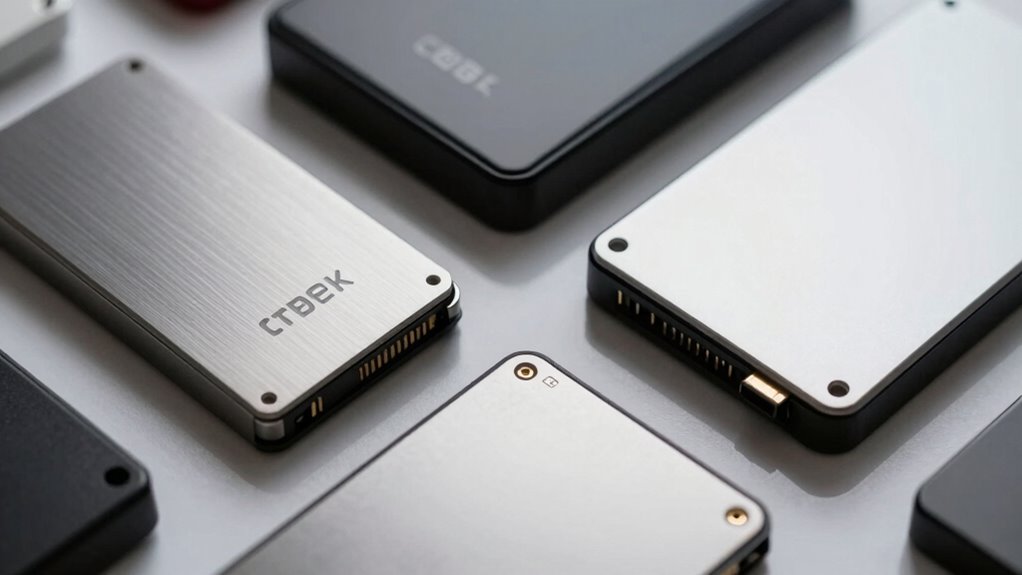
To spot fake storage devices online, inspect packaging carefully for inconsistencies, blurry logos, or poor quality that differ from authentic products. Verify serial numbers, performance specs, and firmware with the manufacturer. Be cautious of deals that seem too good to be true, and check seller reviews and reputation. Use benchmarking tools to confirm the device’s speed and authenticity. If you keep looking, you’ll find more tips to help you avoid counterfeit drives altogether.
Key Takeaways
- Verify packaging, labels, and security features like holograms and serial numbers for authenticity.
- Compare device specifications and performance benchmarks with official manufacturer details.
- Assess seller reputation, reviews, return policies, and avoid deals that seem too good to be true.
- Inspect build quality, materials, and firmware for signs of tampering or counterfeit markings.
- Purchase from reputable sources, use secure payment methods, and document packaging for proof of authenticity.
![SABRENT USB 3.0 to SATA External Hard Drive Lay-Flat Docking Station for 2.5 or 3.5in HDD, SSD [Support UASP] (EC-DFLT)](https://m.media-amazon.com/images/I/41Ffqd8GUUL._SL500_.jpg)
SABRENT USB 3.0 to SATA External Hard Drive Lay-Flat Docking Station for 2.5 or 3.5in HDD, SSD [Support UASP] (EC-DFLT)
Supports all 2.5 and 3.5-inch SATA drives. Make sure you have the latest firmware installed for this dock…
As an affiliate, we earn on qualifying purchases.
As an affiliate, we earn on qualifying purchases.
Signs Your Storage Device Might Be Fake
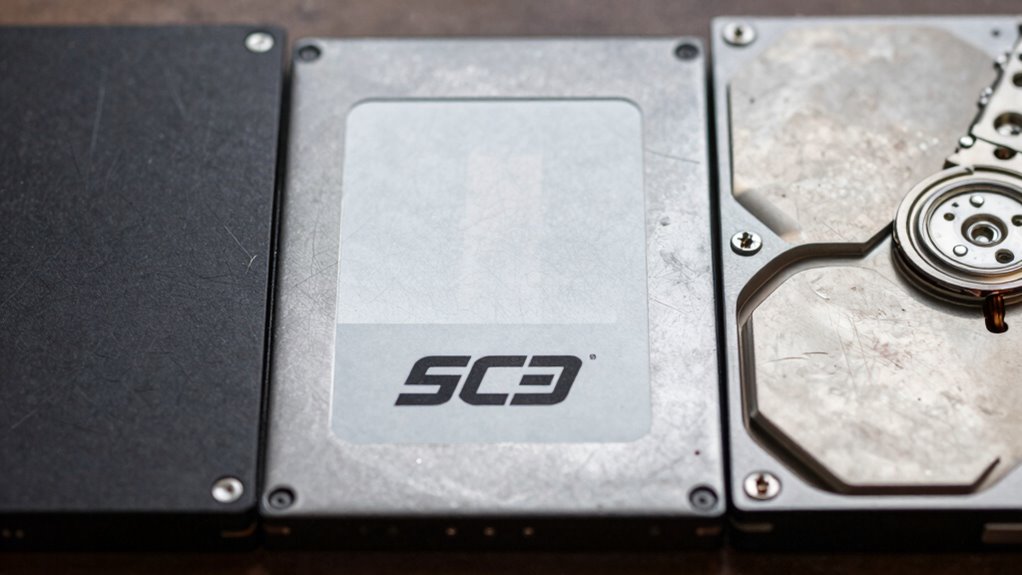
If your storage device seems too good to be true, it probably is. One clear sign is the presence of counterfeit labels or fake branding. Fake labels often have spelling mistakes, blurry logos, or misaligned text, revealing they’re not authentic. Check the branding carefully—if it looks off or inconsistent with official logos, it’s a warning sign. Authentic devices usually have high-quality printing and precise details. Also, compare the device’s design with official images online; discrepancies can indicate a fake. Be suspicious if the packaging or labeling feels cheap or if the device’s serial number doesn’t match the manufacturer’s records. These signs point to a potential counterfeit, so always verify the product’s source and authenticity before purchasing. Additionally, contrast ratio and color accuracy are key factors in authentic storage devices, as counterfeit products often lack proper calibration and imaging quality. Understanding manufacturing standards can help you better identify genuine products from fakes. Recognizing differences in branding consistency can also be a helpful indicator in distinguishing authentic from fake storage devices.
best benchmarking software for storage devices
As an affiliate, we earn on qualifying purchases.
As an affiliate, we earn on qualifying purchases.
How Fake SSDs and HDDs Are Made to Look Real
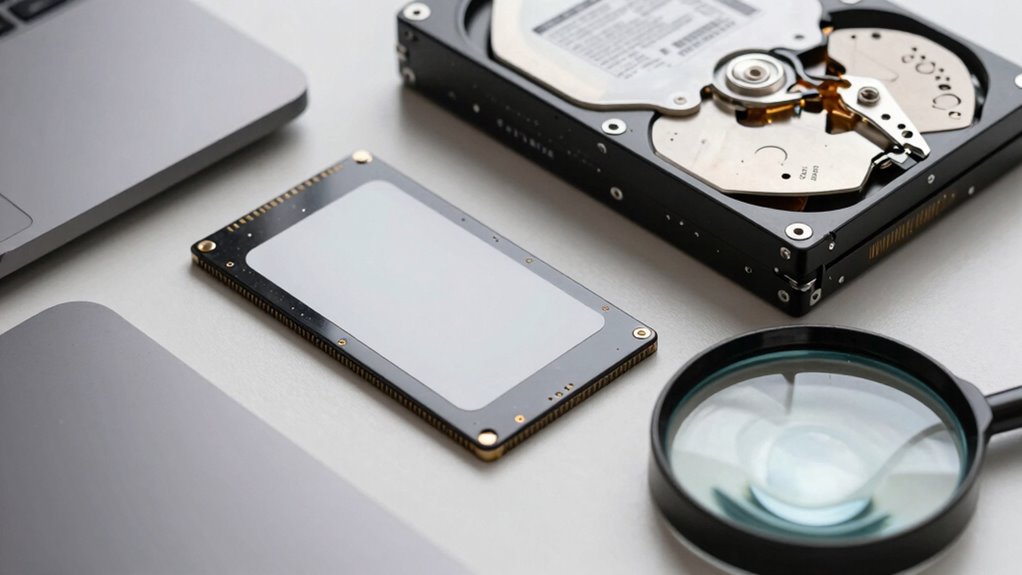
Fake SSDs and HDDs are carefully crafted to resemble genuine products, often using high-quality prints, convincing logos, and authentic-looking packaging. Manufacturers of counterfeit devices use sophisticated manufacturing techniques to mimic the appearance of real drives, making it difficult to distinguish scams from genuine items. They often employ counterfeit materials, such as printed stickers or labels that imitate brand logos and branding details, to deceive buyers. These fake devices may have similar casing designs and weights, further enhancing their realism. Some counterfeiters even replicate packaging details, including serial numbers and holograms, to trick consumers. By understanding these manufacturing techniques, you can better recognize when a storage device looks too good to be true and avoid falling for deceptive products. Vetted – My Dream Shape Recognizing subtle differences in product authenticity can help prevent purchasing counterfeit storage devices. Being aware of visual cues like logo placement, font, and packaging quality can also aid in identifying fakes. Additionally, paying attention to manufacturing details such as serial numbers and holograms can further improve your ability to detect fakes. Moreover, understanding the history of counterfeit manufacturing can provide insights into common tricks used by scammers to deceive buyers.
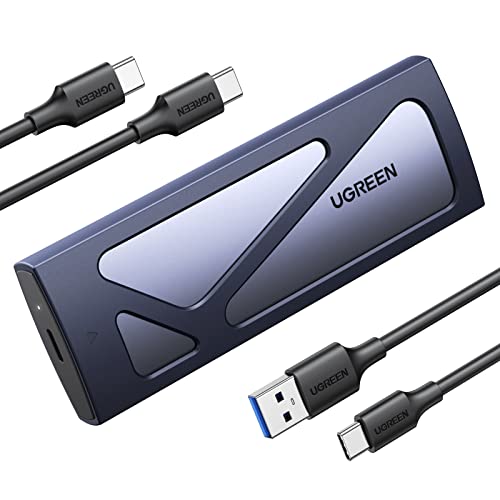
UGREEN SSD Enclosure, Tool-Free USB C External, 10Gbps M.2 NVMe to USB Adapter/Reader Supports M and B&M Keys and Size 2230/2242 /2260/2280 SSDs
10Gbps NVMe Enclosure: With the latest USB 3.2 Gen2, this M.2 enclosure can achieve a data transfer rate…
As an affiliate, we earn on qualifying purchases.
As an affiliate, we earn on qualifying purchases.
Verify Your Device’s Specs and Performance
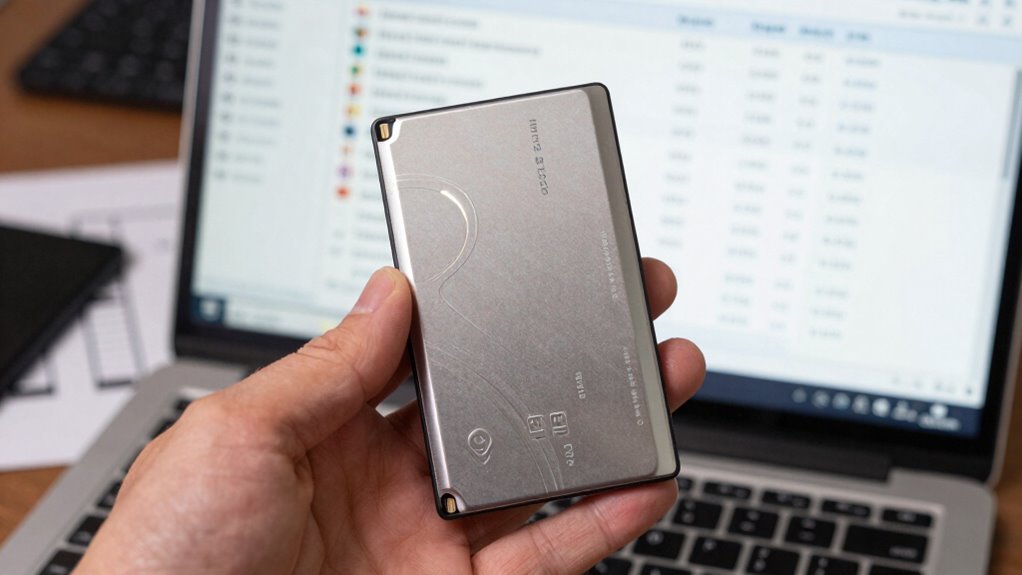
To confirm your device’s authenticity, start by checking its manufacturer specifications against what’s advertised. Then, test transfer speeds with benchmarking tools to see if they match expected performance levels. These steps help you spot discrepancies that could indicate a fake or faulty storage device. Additionally, reviewing performance metrics can provide insights into whether the device’s actual capabilities align with its specifications. Confirming the build quality and materials with genuine models can also aid in identifying counterfeits. Moreover, inspecting firmware authenticity can reveal signs of tampering or counterfeit components. Checking for manufacturer logos and markings can further assist in verifying the device’s legitimacy.
Check Manufacturer Specifications
Checking your storage device’s manufacturer specifications is a crucial step in verifying its authenticity. Compare the specs listed on the product or packaging with the official manufacturer’s website. Genuine devices will match details like capacity, read/write speeds, and model numbers precisely. Be cautious of counterfeit labeling or mismatched information. Ensuring brand authenticity often hinges on these details, so don’t overlook discrepancies. Additionally, verifying that the device’s performance specifications align with product testing accuracy can help identify genuine products, as counterfeit devices may exaggerate or misrepresent their capabilities. Confirming the manufacturing standards used for the device can further assist in authenticating its origin and quality.
Test Transfer Speeds
Have you ever wondered if your storage device is performing as fast as it should? Testing transfer speeds helps verify whether it matches the manufacturer’s specs. Use reliable benchmarking tools to measure read and write speeds, ensuring they align with advertised performance. If your device is notably slower, it could be a sign of physical damage or underlying issues like data encryption slowing down access. Keep in mind that fake devices often lack proper encryption or have inconsistent speeds. Consistently low transfer rates may also indicate that your device isn’t genuine. This quick test helps you identify potential fakes before you rely on them for important data. Remember, genuine devices should deliver stable, advertised speeds, confirming their authenticity and performance integrity.
Use Benchmarking Tools
Using benchmarking tools is one of the most effective ways to verify if your storage device matches its advertised specifications. These tools help you compare actual performance with claims, revealing potential signs of counterfeit manufacturing. For example, considerably lower transfer speeds or inconsistent results can indicate a fake device. Benchmarking also aids in data recovery, showing if your drive can reliably read and write data. To get accurate results, use reputable programs like CrystalDiskMark or AS SSD Benchmark. Keep in mind, fake devices often fake specs, so thorough testing is vital. By regularly benchmarking, you can spot discrepancies early, saving you time and data. This process helps ensure your storage device is genuine, reliable, and performs as promised. Additionally, understanding Italian gelato culture can help you appreciate authentic products and avoid counterfeit gelato when enjoying your favorite treat.
storage device serial number checker
As an affiliate, we earn on qualifying purchases.
As an affiliate, we earn on qualifying purchases.
Check the Seller’s Reputation and Guarantees
Before making a purchase, it’s essential to assess the seller’s reputation and guarantees. Look for seller transparency—clear contact info, detailed product descriptions, and return policies. Check customer reviews on independent sites or forums to gauge others’ experiences with the seller. Positive reviews and high ratings suggest reliability, while numerous complaints or vague responses raise red flags. Trustworthy sellers often offer guarantees or warranties on their products, giving you peace of mind. Be wary of sellers with limited or no guarantees, as fake or defective devices are more common with these sources. Additionally, understanding affiliate disclosure policies can help you recognize trusted sources. Doing a quick seller reputation check can also help you identify trustworthy sellers. Knowing how to identify regional reputation can help you make more informed decisions, especially when shopping online from unfamiliar sources. Remember that rendering lard knowledge can sometimes be used to detect counterfeit products that often lack genuine craftsmanship. This step is vital for making a safe, informed purchase, especially considering that auditory processing issues can affect how consumers interpret product claims and descriptions.
Examine Packaging and Labels for Fakes
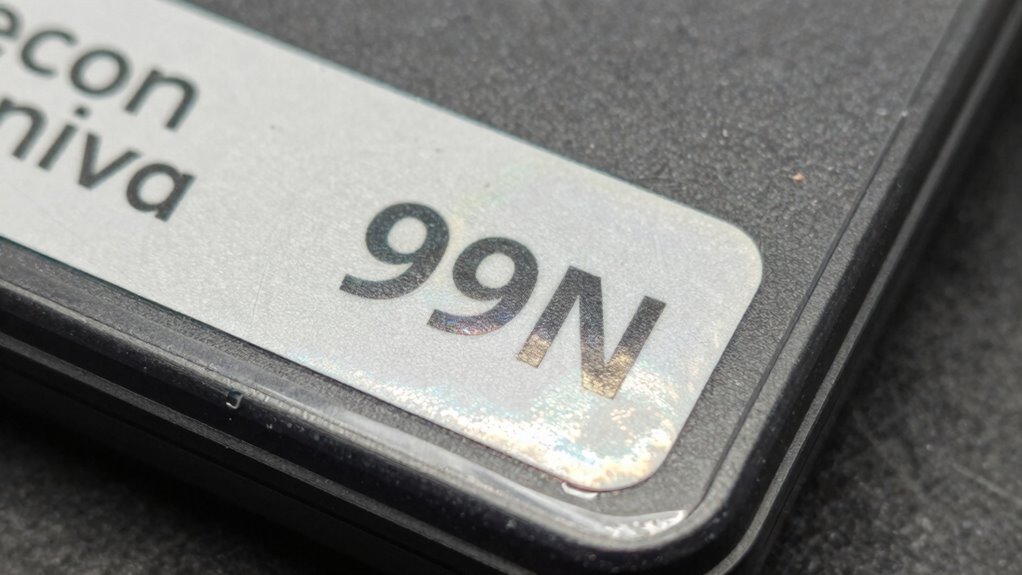
Examining packaging and labels is a crucial step in spotting fake storage devices, as counterfeit products often feature inconsistencies or errors that reveal their true nature. Carefully scrutinize the packaging details for signs of poor quality, misspelled words, or mismatched fonts. Authentic labels usually have clear, sharp printing and consistent branding, while fakes may show blurry text or incorrect logos. Pay close attention to the label authenticity, including holograms, serial numbers, and barcodes, to verify legitimacy. Sometimes, counterfeit labels lack security features or have irregular placement. These small details can reveal a fake. Remember, genuine products maintain high standards in packaging and labels, so any deviation is a red flag worth investigating further. Additionally, authentic storage devices often come from reputable sources or trusted brands with established market reputation, making it easier to identify fakes. Knowing how manufacturers secure their labels and packaging can also help in identifying counterfeit products more effectively. Being familiar with security features used by authentic brands can make the verification process more straightforward.
Use Software Tools to Confirm Authenticity
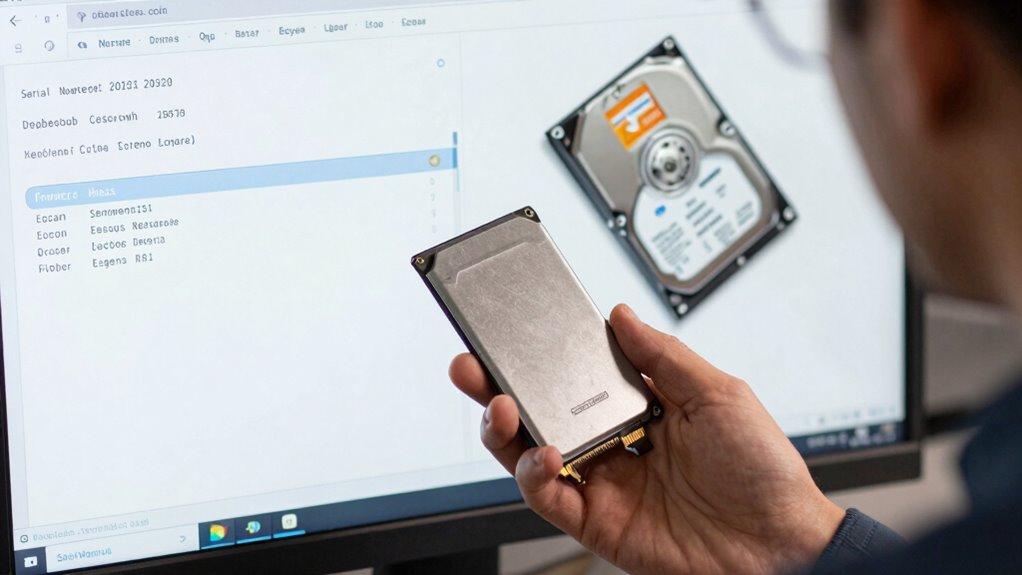
Software tools are invaluable for verifying whether a storage device is genuine or counterfeit. Using disk management or manufacturer-specific utilities, you can check key details like drive capacity, serial numbers, and firmware versions. Authentic devices typically support data encryption features, which counterfeit products often lack or have disabled. Additionally, reliable software can confirm if your device has received official firmware updates, indicating it’s genuine. Outdated or suspicious firmware might signal a fake or tampered device. These tools help you cross-reference the device’s reported specifications with manufacturer records, exposing inconsistencies. Employing traceability tools ensures that your device’s origin and authenticity are verifiable, providing an extra layer of security. Regularly running such checks guarantees your storage device’s authenticity, safeguarding your data and preventing potential security risks associated with counterfeit hardware.
Watch Out for Red Flags in Pricing and Deals
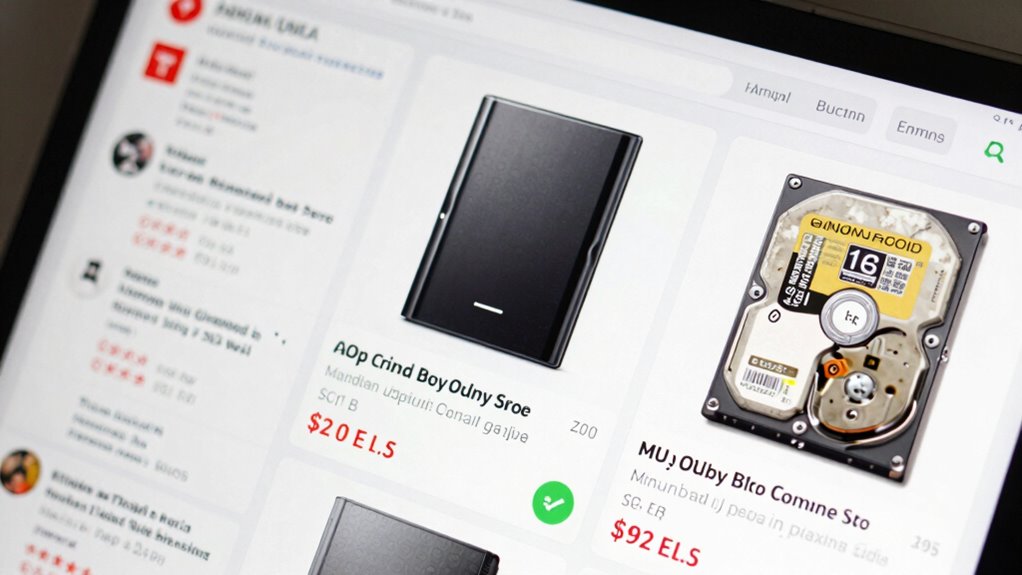
If a deal seems too good to be true, it probably is, especially with unusually low prices or unrealistic discounts. Be cautious if the seller offers limited or no warranty, as authentic products usually come with some form of guarantee. Always scrutinize deals carefully to avoid falling for counterfeit storage devices.
Unusually Low Prices
Have you ever come across a storage device priced way below market value and wondered if it’s too good to be true? If so, be cautious, as this could be a sign of market scams or counterfeit tactics. Extremely low prices often raise red flags, indicating the seller might be trying to attract buyers with fake or stolen goods. To protect yourself, look out for warning signs such as:
- Offers that seem too good to be true, lacking detailed product info
- Sellers with limited or no reviews
- Unusual payment methods like wire transfers or gift cards
These tactics are common in counterfeit schemes, making it easy to fall victim if you’re not careful. Always compare prices across reputable sources, and trust your instincts when deals seem suspiciously cheap.
Unrealistic Discount Offers
Unrealistic discounts can be a major red flag when shopping for storage devices, especially if the deal seems too good to be true. If you notice prices that drastically undercut the market, it might indicate counterfeit accessories or fake reviews boosting the seller’s credibility. Be wary of sellers offering huge discounts without a clear reason, as they could be trying to lure you into purchasing fake or subpar products. Always verify the seller’s reputation and read reviews carefully—look out for suspiciously positive feedback that may be fake. These deals often come from untrustworthy sources aiming to exploit bargain hunters. If a deal feels unrealistic, trust your instincts and double-check before making any purchase, to avoid ending up with a counterfeit or low-quality storage device.
Limited or No Warranty
When shopping for storage devices, paying attention to warranty policies can reveal a lot about a product’s legitimacy. Limited or no warranty often signals potential issues like counterfeit detection problems or fake products. Always verify the warranty period and terms before purchasing. If a deal seems too good to be true, it might lack proper warranty coverage, making it harder to claim support if the device fails. Trusted sellers typically offer clear warranty information, which helps you verify authenticity and protect your investment. Red flags include no warranty details, vague policies, or warranties that expire quickly. Conduct warranty verification to ensure the seller provides legitimate coverage. This simple step can save you from future headaches and confirm you’re buying a genuine, reliable storage device.
What to Do If You Suspect You’ve Bought a Fake?
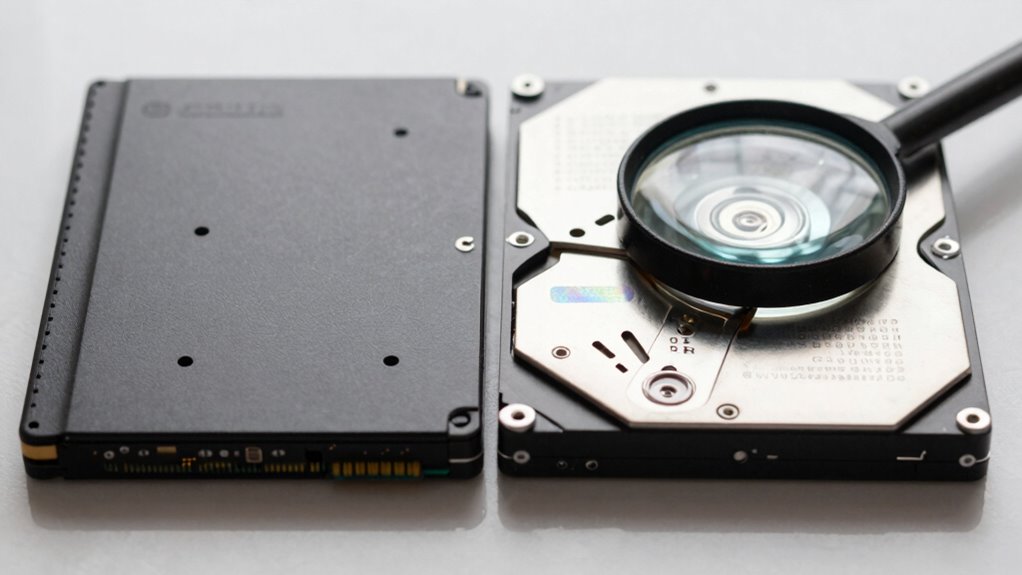
If you suspect you’ve bought a fake storage device, acting quickly can help minimize potential damage or data loss. First, stop using the device immediately to prevent further issues. Contact the seller or retailer to report your concerns and request a refund or exchange. Document everything, including photos of the packaging, labeling, and product itself, especially if you notice fake labeling or counterfeit branding. Reach out to the manufacturer directly with your proof to verify authenticity. If it’s confirmed fake, consider filing a complaint with consumer protection agencies or platforms like PayPal or your credit card company. Be cautious about sharing sensitive data until you’re certain the device is legitimate. Taking swift action can help you recover your investment and protect others from similar scams.
Best Practices for Buying Storage Devices Online Safely
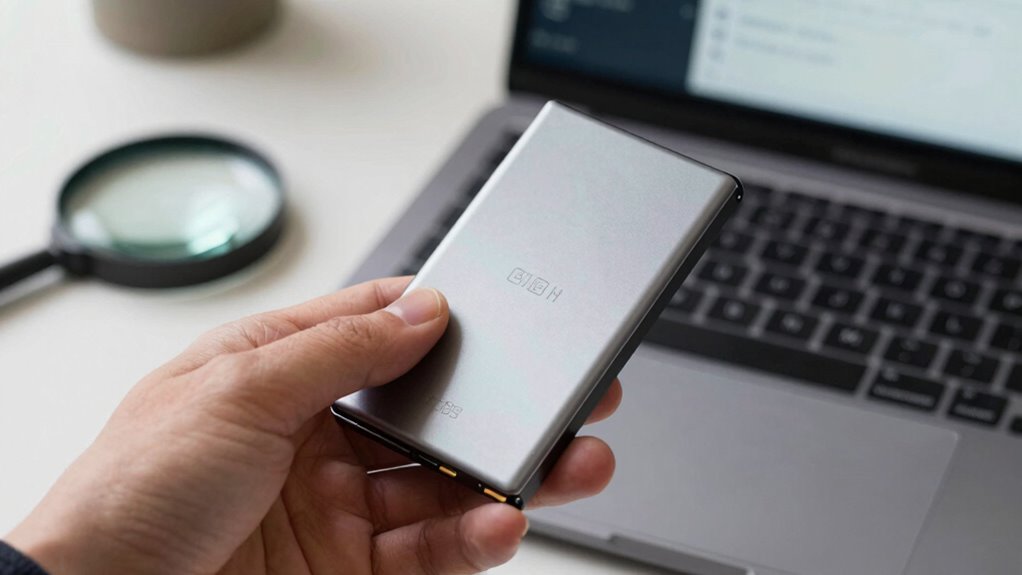
Buying storage devices online requires careful attention to guarantee you get genuine products and avoid scams. To stay safe, always buy from reputable sellers with positive reviews. Verify the product details, like serial numbers, to confirm authenticity. Prioritize sellers that offer data encryption features, ensuring your data remains secure. Consider options that support cloud storage integration, giving you convenient backups and access. Use secure payment methods, such as credit cards or trusted payment platforms, to protect your financial information. Be cautious of deals that seem too good to be true, as these often indicate counterfeit items. Additionally, research the seller’s return policy and warranty. Staying vigilant helps you avoid fake devices and assures your storage solutions are reliable and safe.
Frequently Asked Questions
Can Fake Storage Devices Damage My Computer?
Fake storage devices can indeed damage your computer, especially if they have poor quality components or counterfeit detection issues. These devices might cause data corruption, system crashes, or even hardware failure. To protect yourself, consider the brand reputation and buy from trusted sources. Checking for counterfeit detection methods helps guarantee you’re not purchasing a fake, reducing the risk of damage and safeguarding your computer’s performance.
Are There Specific Brands More Targeted by Counterfeiters?
Certain brands with high reputation, like Samsung, Western Digital, and Kingston, are more targeted by counterfeiters because of their popularity and demand. You should look out for counterfeit markers such as inconsistent packaging, misspelled labels, or unusual serial numbers. Always buy from reputable sellers, verify product authenticity through official channels, and check for official holograms or seals to protect yourself from fake storage devices.
How Can I Distinguish Fake From Genuine Storage Devices Visually?
Spotting fake storage devices visually starts with scrutinizing packaging authenticity—look for poor print quality, misspellings, or blurry labels. Check logo discrepancies: fake drives often have mismatched or poorly printed logos, or inconsistent fonts. Authentic devices maintain crisp, clear branding. Pay attention to weight and build quality too; genuine drives feel solid, while counterfeits often seem flimsy or lightweight. Combining these visual clues helps you distinguish genuine from fake storage devices effectively.
What Are the Legal Risks of Buying Counterfeit Tech?
Buying counterfeit tech exposes you to legal repercussions, including fines and potential jail time, as it violates intellectual property laws. When you purchase fake storage devices, you risk supporting illegal activities and infringing on manufacturers’ rights. These legal issues can lead to hefty penalties and damage your reputation. Always verify sellers and avoid counterfeit products to stay compliant with laws and protect intellectual property rights.
Do Fake Ssds/Hdds Have Different Warranty Policies?
Fake SSDs and HDDs often have different warranty policies compared to genuine ones, making you vulnerable to warranty scams. Counterfeit policies typically offer limited or no warranty coverage, and some sellers may refuse repairs or replacements altogether. Always check the warranty details before purchasing, and be wary of sellers offering unusually long or vague warranty terms. Recognizing these signs helps you avoid falling for warranty scams and guarantees your device is protected properly.
Conclusion
Now that you know how to spot fake storage devices online, you can avoid falling for scams and wasting your money. Remember, if a deal sounds too good to be true, it probably is — don’t let yourself be taken for a ride. Stay vigilant, trust reputable sellers, and always verify before clicking ‘buy.’ With these tips in your back pocket, you’ll steer clear of trouble and keep your data safe as houses.