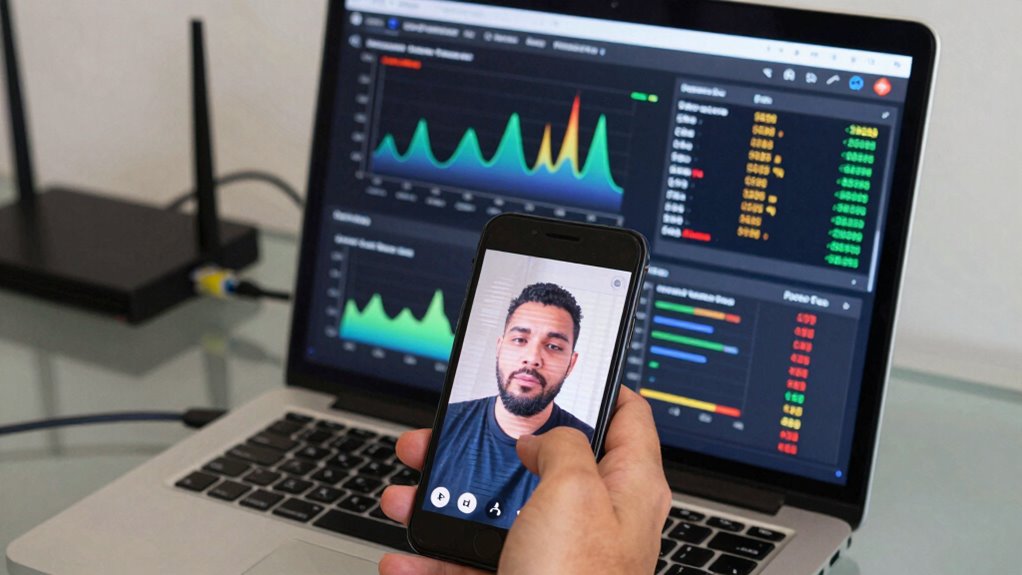
To test packet loss, you can use tools like ping, iPerf, or Wireshark to measure your network’s stability and detect data drops. These tests help identify if high packet loss is causing your video calls to freeze, lag, or cut out. By monitoring results, you’ll understand whether congestion, hardware issues, or bandwidth limits are the culprits. If you want to learn how to interpret these tests and improve your connection, keep exploring further.

Get the latest gadgets delivered free with Prime
- Fast, free delivery on millions of items
- Prime Video, Amazon Music and more included
- Member-only deals all year
Key Takeaways
- Use tools like ping, iPerf, or Wireshark to measure packet loss and network performance.
- Conduct tests during typical usage and peak times for accurate results.
- Analyze latency and packet loss percentages to assess connection stability.
- Interpret results: 0-1% loss is normal; higher percentages indicate potential issues.
- Implement troubleshooting steps or seek professional help if significant packet loss persists.
As an affiliate, we earn on qualifying purchases.
How Does Packet Loss Disrupt Your Video Calls?
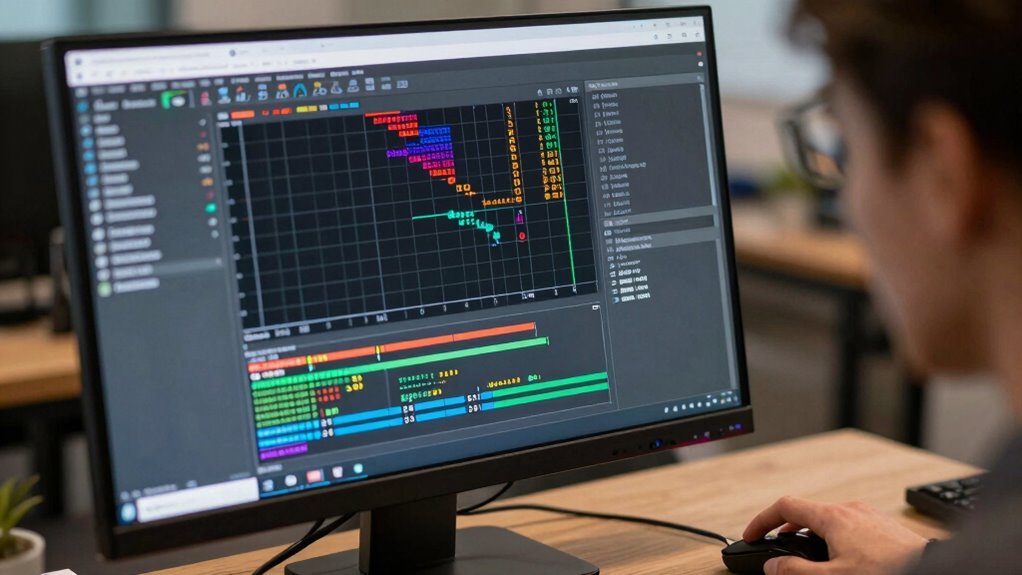
Have you ever experienced a frozen screen or choppy audio during a video call? That’s often due to packet loss, which disrupts signal stability. When data packets are lost or delayed, it impacts the quality assurance of your connection. These interruptions cause video to freeze and audio to cut in and out, making conversations frustrating and difficult. Packet loss reduces the overall clarity and smoothness of your call, forcing you to repeat yourself or disconnect altogether. Reliable signal stability is essential for seamless communication, especially during important meetings. Without it, your video calls become unreliable, affecting productivity and professionalism. Understanding how packet loss affects your connection helps you identify issues and take steps to improve your network, ensuring clearer, more stable calls. Additionally, contrast ratio plays a role in how well your video displays during calls, especially in low-light conditions, emphasizing the importance of a stable network for optimal visual quality. Properly managing your network settings and understanding network reliability can significantly reduce the chances of packet loss. Being aware of network infrastructure and its impact on data transmission can further help you mitigate these issues effectively. Recognizing the importance of data transmission quality can lead to better strategies for maintaining a reliable connection. Furthermore, having a solid understanding of network performance metrics can aid in diagnosing and preventing packet loss issues before they affect your calls.
ping and iPerf network testing tool
As an affiliate, we earn on qualifying purchases.
As an affiliate, we earn on qualifying purchases.
How Can You Recognize Packet Loss During Calls?
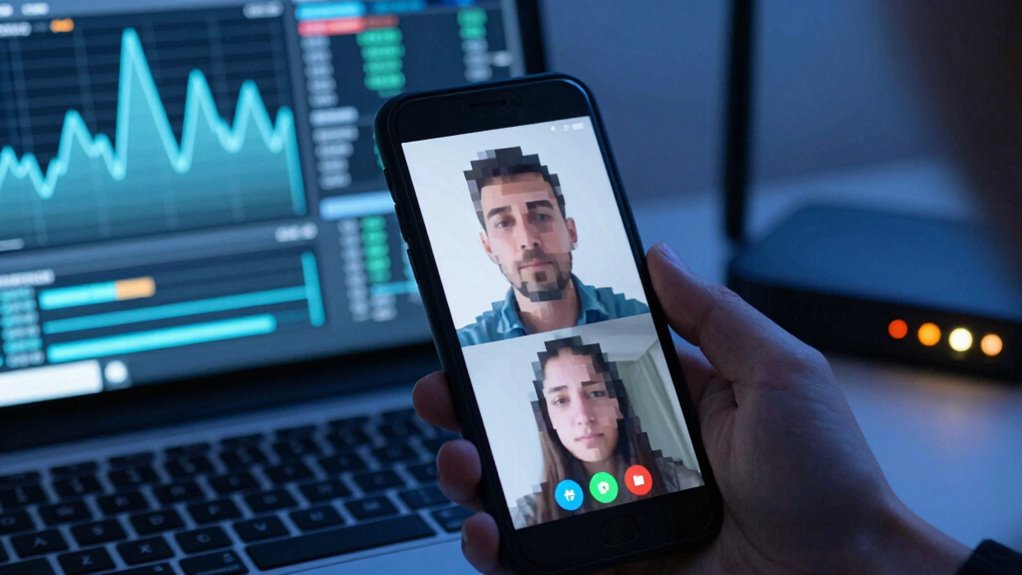
How can you tell if packet loss is affecting your calls? Packet loss symptoms often include choppy audio, video freezes, or sudden disconnections. You might notice delays between your speech and when others hear you, or experience audio dropouts. These issues indicate poor connection stability, even if your internet seems fast. During calls, pay attention to inconsistent audio or video quality, as these are common signs of packet loss. If conversations frequently lag or cut out unexpectedly, packet loss could be the culprit. Recognizing these symptoms early helps you identify connection problems before they worsen. Staying alert to these signs ensures you can troubleshoot or seek better network conditions to maintain smooth communication. Additionally, understanding network stability and the quality of ingredients can help you appreciate the importance of a reliable connection for streaming your favorite videos seamlessly.
A stable connection depends heavily on connection quality, which can be affected by packet loss and other network issues.
As an affiliate, we earn on qualifying purchases.
What Tools Are Best for Testing Packet Loss?

Once you’ve noticed signs of packet loss during calls, the next step is to verify the issue with reliable testing tools. These tools help identify packet loss causes and improve network troubleshooting. Popular options include Ping, iPerf, and Wireshark. Ping tests measure latency and packet loss directly, while iPerf can generate traffic to analyze network performance. Wireshark offers detailed packet analysis for advanced troubleshooting. Use these tools to pinpoint where packet loss occurs and assess network stability. Additionally, monitoring air purifier maintenance can help ensure your network environment remains optimal for stable connections. Understanding digital content and network concepts can further enhance your ability to diagnose and resolve issues effectively. Being familiar with network performance metrics can also aid in interpreting test results more accurately. Recognizing the impact of astrological signs on network behavior is an emerging area of interest for some enthusiasts seeking to understand unusual patterns in connectivity.
internet connection stability monitor
As an affiliate, we earn on qualifying purchases.
As an affiliate, we earn on qualifying purchases.
How to Run a Packet Loss Test Step-by-Step
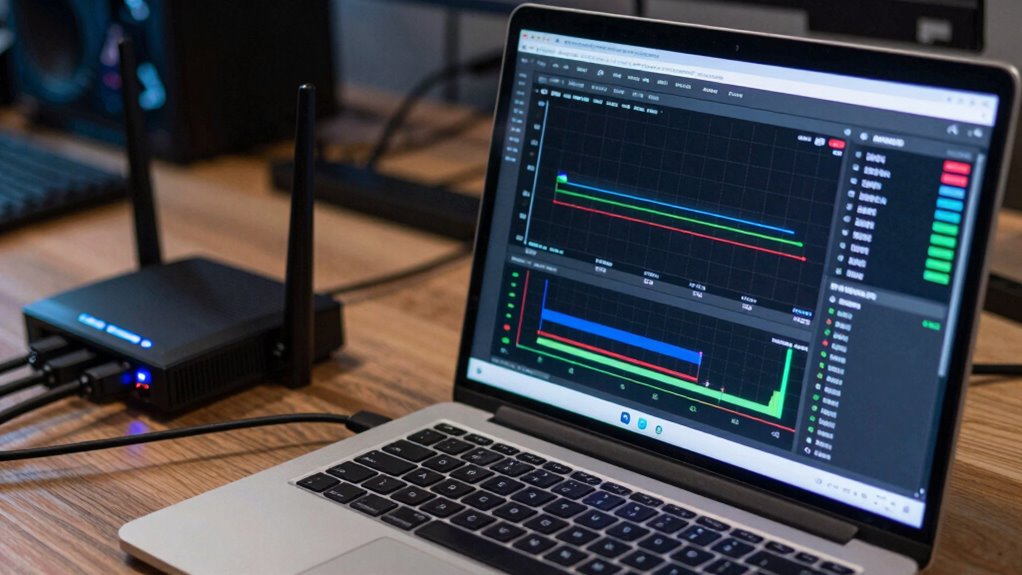
To accurately assess packet loss, start by selecting the appropriate testing tool based on your needs. Use a reliable network testing app or command-line tool to send test packets across your network. Begin the test during typical usage times to get realistic results. Monitor how your network handles packet prioritization; prioritize critical traffic like video calls to see if it’s affected by packet loss. Check your bandwidth management settings to verify they’re not limiting traffic unexpectedly. Run multiple tests over different periods to identify patterns. Record the results, paying attention to packet loss percentages and latency spikes. This step-by-step approach helps you pinpoint issues and understand how your network’s prioritization and bandwidth management impact overall performance. Additionally, understanding media literacy can help you interpret network data more effectively and recognize signs of issues early.
What Do Your Packet Loss Test Results Mean?
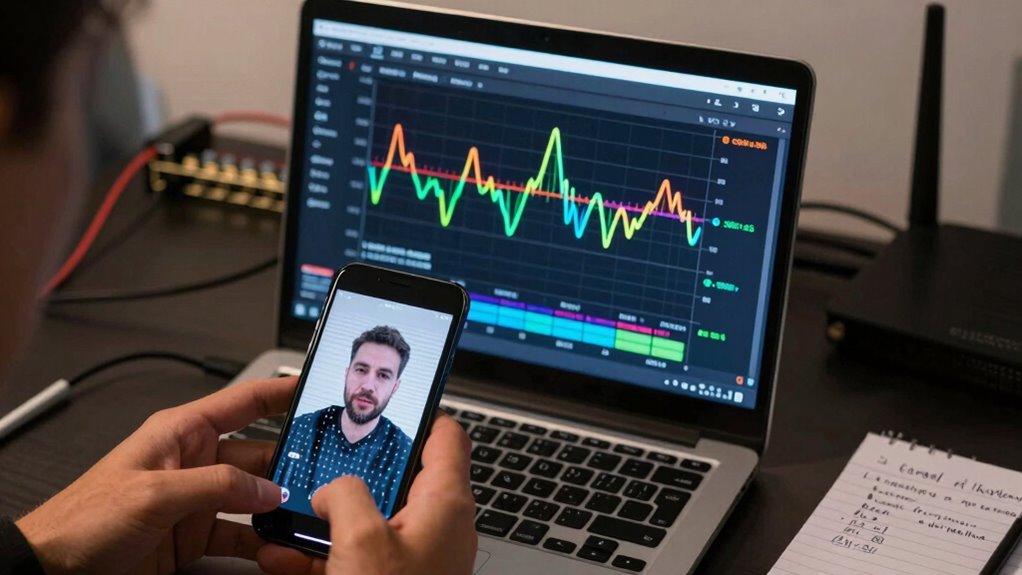
Understanding what your packet loss test results mean is essential for diagnosing network issues. If your results show minimal or zero packet loss, your connection is generally stable. However, higher packet loss percentages indicate problems that can disrupt video calls and network performance. Common packet loss causes include network congestion, hardware issues, or interference. Use this table to interpret your results:
| Packet Loss Percentage | Network Troubleshooting Tip | Effect on Video Calls |
|---|---|---|
| 0-1% | Usually normal | No noticeable issues |
| 2-3% | Monitor for signs of congestion | Minor disruptions possible |
| 4-5% | Check network hardware | Video quality may degrade |
| 6-10% | Investigate network traffic | Significant call disruptions |
| >10% | Immediate troubleshooting | Calls likely to fail |
These insights help you identify if packet loss is a cause and guide your next troubleshooting steps. Increasing awareness of network stability can help prevent ongoing issues and improve your overall connectivity. Additionally, being aware of hardware performance can aid in diagnosing potential sources of packet loss. Recognizing the signs of network congestion early can help you take preventative measures before issues worsen. Moreover, understanding network infrastructure can assist in pinpointing underlying problems that contribute to packet loss. Paying attention to router configuration and ensuring it’s optimized can also significantly reduce packet loss and enhance your connection quality.
What Causes Packet Loss During Video Calls?
Packet loss during video calls often happens because of network congestion, which overloads your internet connection. Hardware or software issues on your device can also interfere, causing interruptions in data transmission. Understanding these causes can help you identify and fix the problems more effectively. Additionally, network troubleshooting can assist in pinpointing and resolving underlying issues affecting your connection. Proper home network setup can also play a significant role in reducing packet loss and improving call quality. Paying attention to microplastics in dust and managing indoor air quality may not directly impact network performance but can contribute to overall device health and stability, indirectly supporting better connection reliability. Recognizing psychological factors that may influence your focus and stress levels can also help you maintain a calmer, more stable environment during calls.
Network Congestion Effects
Ever wonder why your video calls sometimes freeze or lag? Network congestion is a key culprit. When many devices use the same network, it causes increased network latency, delaying data packets. This overload can lead to packet loss, disrupting your call quality. Additionally, bandwidth throttling occurs when an internet service provider intentionally limits your connection speed during peak times, further reducing available bandwidth. Here is a quick visual:
| Cause | Effect | Result |
|---|---|---|
| Network congestion | Increased latency | Video freeze or lag |
| Bandwidth throttling | Reduced data transfer rate | Poor call quality |
| High device usage | Limited bandwidth | Choppy or frozen video |
Understanding these effects helps you identify whether congestion is causing your packet loss, letting you take steps to improve your connection. Recognizing how network congestion impacts your connection can also help you implement strategies to better manage your network usage. For example, managing device usage during calls can significantly reduce packet loss and improve call stability.
Hardware and Software Issues
Hardware and software issues can also cause packet loss during video calls, often unexpectedly disrupting your connection. Faulty hardware, like malfunctioning network adapters or damaged cables, can interfere with data transmission. Running hardware diagnostics helps identify and resolve these problems before they impact your call quality. Similarly, outdated software or drivers can cause compatibility issues and packet loss. Regular software updates ensure your devices and network components function smoothly and securely. Keeping your firmware and network drivers current minimizes the risk of bugs or vulnerabilities that lead to packet loss. Addressing these hardware and software issues proactively improves your connection stability, reducing interruptions and enhancing overall video call quality.
How to Reduce Packet Loss and Improve Your Connection
To reduce packet loss and improve your connection, start by checking your network equipment and guaranteeing all cables and connections are secure and in good condition. Properly managing bandwidth prevents network congestion, which can cause packet loss, while maintaining signal stability keeps your connection consistent. Use the table below to identify common issues and solutions:
| Issue | Solution |
|---|---|
| Limited bandwidth | Prioritize essential apps and avoid heavy downloads |
| Unstable signal | Use a wired connection or improve Wi-Fi coverage |
| Congestion | Limit devices during important calls |
Additionally, incorporating outdoor entertainment features like fire pits or outdoor ovens can enhance your backyard experience, making your space more enjoyable during leisure or gatherings.
Focusing on bandwidth management and signal stability ensures smoother video calls, minimizing packet loss and improving overall connection quality.
When Should You Contact a Professional for Network Issues?
If you experience ongoing connectivity issues or your network keeps fluctuating despite troubleshooting, it’s time to contemplate professional help. Complex infrastructure problems or persistent packet loss that you can’t resolve on your own are clear signs you should consult an expert. Don’t hesitate to seek help when basic fixes no longer improve your network performance.
Persistent Connectivity Problems
Persistent connectivity problems can be frustrating, especially when your network issues resist simple troubleshooting. If you’ve already tried restarting your router, checking cables, and optimizing your network, it might be time to seek professional help. Ongoing issues could stem from poor network optimization or persistent signal interference, which can’t be resolved with basic fixes. A professional can analyze your network’s performance, identify sources of interference, and recommend hardware upgrades or configuration changes. If your connection drops frequently or remains slow despite these efforts, it’s a clear sign that expert intervention is needed. Addressing these problems early can prevent future disruptions, especially if you rely on your internet for work, streaming, or video calls. Don’t hesitate to consult a professional when basic troubleshooting no longer works.
Unresolved Network Fluctuations
When your network experiences frequent, unpredictable fluctuations despite basic troubleshooting, it’s a sign that professional help may be necessary. Wireless interference from nearby devices or thick walls can cause persistent instability, making your connection unreliable. Additionally, bandwidth throttling by your internet provider might limit your speeds during peak times, resulting in sudden drops. If these issues continue despite restarting your router or changing Wi-Fi channels, it’s time to seek expert assistance. Professionals can diagnose hidden problems like interference sources or subtle throttling tactics that disrupt consistent network performance. Addressing unresolved network fluctuations early prevents worsening issues and ensures smooth video calls and seamless browsing. Don’t ignore ongoing instability—get professional support to restore a stable, high-quality connection.
Complex Infrastructure Issues
Complex infrastructure issues often go beyond simple troubleshooting steps and require the expertise of a professional. Infrastructural challenges, such as outdated equipment or misconfigured network hardware, can cause persistent packet loss or latency spikes. If you suspect data center problems, like server overloads or hardware failures, it’s time to call in experts. These issues are complex and often hidden beneath the surface, making it difficult to diagnose without specialized tools and knowledge. When basic tests and adjustments don’t resolve your network disruptions, professional intervention becomes necessary. Addressing infrastructural challenges promptly can prevent prolonged downtime and improve overall network stability, ensuring your video calls and data transfers stay smooth. Don’t hesitate to seek expert help when you encounter persistent or inexplicable network issues.
Frequently Asked Questions
Can Packet Loss Affect Other Types of Internet Activities Besides Video Calls?
Yes, packet loss can affect other internet activities beyond video calls. When network congestion occurs or Wi-Fi interference disrupts your connection, data packets may not reach their destination properly. This can cause slow browsing, laggy online gaming, dropped VoIP calls, and interrupted streaming. You’ll notice delays or poor quality across various applications, highlighting how packet loss impacts multiple aspects of your internet experience.
How Often Should I Test for Packet Loss to Ensure a Stable Connection?
You should test for packet loss regularly, especially if you notice network congestion or signal interference. Daily or weekly checks help catch issues early before they disrupt your connection. Use tools like ping or specialized apps, and perform tests during different times of the day to identify patterns. Frequent testing guarantees you stay aware of potential problems, allowing you to address network congestion or interference before they cause significant disruptions to your internet activities.
Does Packet Loss Vary Between Different Internet Service Providers?
Is the grass greener on the other side? Packet loss can indeed vary between different ISPs, often influenced by their performance and network congestion. Some providers may offer more stable connections with minimal packet loss, while others struggle during peak hours. Your experience depends on the ISP’s infrastructure, routing efficiency, and traffic management. Regular tests reveal how well your ISP handles network load and helps you choose the best service for consistent, quality connectivity.
What Is the Acceptable Packet Loss Percentage for Smooth Video Calls?
For smooth video calls, aim for less than 1% packet loss. Network congestion can cause higher packet loss, especially during peak times, which affects call quality. You should also check your router configuration to make certain it’s optimized for real-time traffic. Properly configured routers prioritize data packets, reducing packet loss and maintaining a seamless video call experience. Keeping packet loss low helps prevent lag, freezes, and poor audio quality during your calls.
Can Hardware Issues Cause Packet Loss, or Is It Solely Network Problems?
Hardware faults can indeed cause packet loss, acting like hidden gremlins sabotaging your connection, while network interference is often the primary culprit. Faulty routers, damaged cables, or malfunctioning network cards disrupt data flow, creating gaps in communication. So, you’re not just battling external interference but also internal hardware issues. Addressing both guarantees your connection stays strong, preventing the silent erosion of quality that hampers smooth video calls.
Conclusion
Don’t delay diagnosing disruptions; detecting and diminishing data dips can dramatically deliver a smoother, more satisfying video chat. By understanding how packet loss disrupts your calls, you can confidently confront connectivity concerns. Clarify your connection quirks, choose the right tools, and take targeted steps to troubleshoot. Trust your tech, tame your network, and transform your video calls into seamless, stress-free sessions—because a stable stream starts with smart, strategic steps.
Halloween Picks
halloween
As an affiliate, we earn on qualifying purchases.