
TL;DR
Open a free Amazon Business account
Business pricing, bulk buying and tax-exempt orders.
As an affiliate, we earn on qualifying purchases.
Recent analysis indicates that Apple Silicon hardware, such as the M5 MacBook Pro, costs more per million tokens for AI inference compared to OpenRouter. While performance varies, hardware costs dominate overall expenses, impacting AI deployment choices.
Recent analysis confirms that Apple Silicon chips, such as the M5 MacBook Pro, are more costly per million tokens for AI inference than dedicated open-source routers like OpenRouter, highlighting a significant factor in AI deployment economics.
The analysis, based on hardware costs, electricity rates, and token throughput, shows that a MacBook Pro with an M5 Max chip costs approximately $1.50 per million tokens at the high end, whereas OpenRouter models cost around 38-50 cents per million tokens.
Hardware costs for Apple Silicon, estimated at $4,299 for a 14-inch MacBook Pro with 64GB RAM, are amortized over 3 to 10 years, leading to an estimated hourly cost of between $0.05 and $0.16, depending on lifespan. Electricity costs, based on US rates (~$0.18 per kWh), add only a few cents per hour for inference.
Token throughput tests indicate that Apple Silicon devices produce between 10 to 40 tokens per second, which impacts the cost per million tokens. Faster models like Gemma4 31b on OpenRouter can reach 60-70 tokens per second, making them more cost-efficient.
Why It Matters
This comparison matters because it influences decisions on whether to run AI models locally on consumer hardware or rely on cloud-based solutions. Despite higher hardware costs, local inference offers privacy and independence benefits. However, for most practical purposes, cloud solutions remain more cost-effective given the speed and efficiency differences.
The finding that Apple Silicon may be more expensive per token than dedicated open-source routers suggests that consumers and developers should carefully evaluate their hardware choices based on performance, cost, and intended use cases.
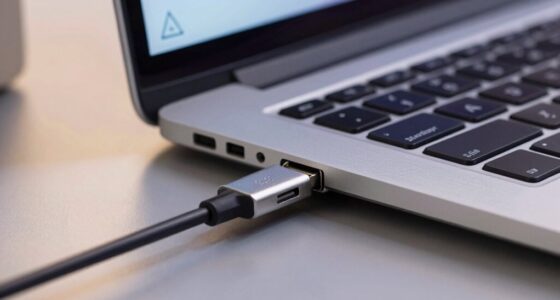
Apple Silicon MacBook Pro for AI inference
As an affiliate, we earn on qualifying purchases.
As an affiliate, we earn on qualifying purchases.
Background
Prior to this analysis, Apple Silicon chips were primarily viewed as powerful consumer devices suitable for various workloads. The emergence of cost comparisons for AI inference highlights a new aspect of their utility, especially as AI models grow larger and more resource-intensive. OpenRouter and similar open-source solutions have been gaining popularity for cost-effective AI deployment, making the relative expense of Apple Silicon noteworthy.
This analysis builds on recent discussions about AI hardware economics, emphasizing that hardware costs can significantly influence the overall cost per token, especially over extended use periods.
“On the optimistic side, a MacBook Pro with Apple Silicon can match the cost efficiency of OpenRouter, but on the pessimistic side, it’s roughly 10 times more expensive per million tokens.”
— William Angel, author of the analysis
“Hardware costs are a dominant factor in local AI inference economics, and consumer devices like Apple Silicon are increasingly competitive, but still generally more expensive than dedicated open-source routers.”
— Industry analyst
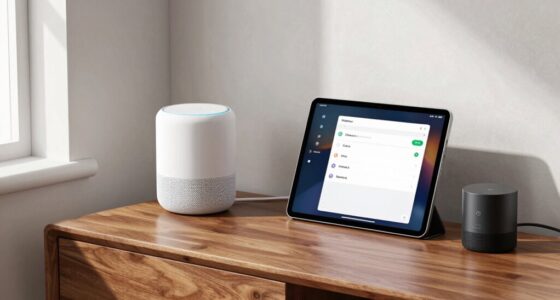
OpenRouter open-source AI router
As an affiliate, we earn on qualifying purchases.
As an affiliate, we earn on qualifying purchases.
What Remains Unclear
It remains unclear how future hardware improvements, software optimizations, or changes in electricity prices will impact the cost dynamics. Additionally, real-world performance may vary depending on specific models and workloads, and the analysis is based on estimated token throughput rather than extensive field testing.
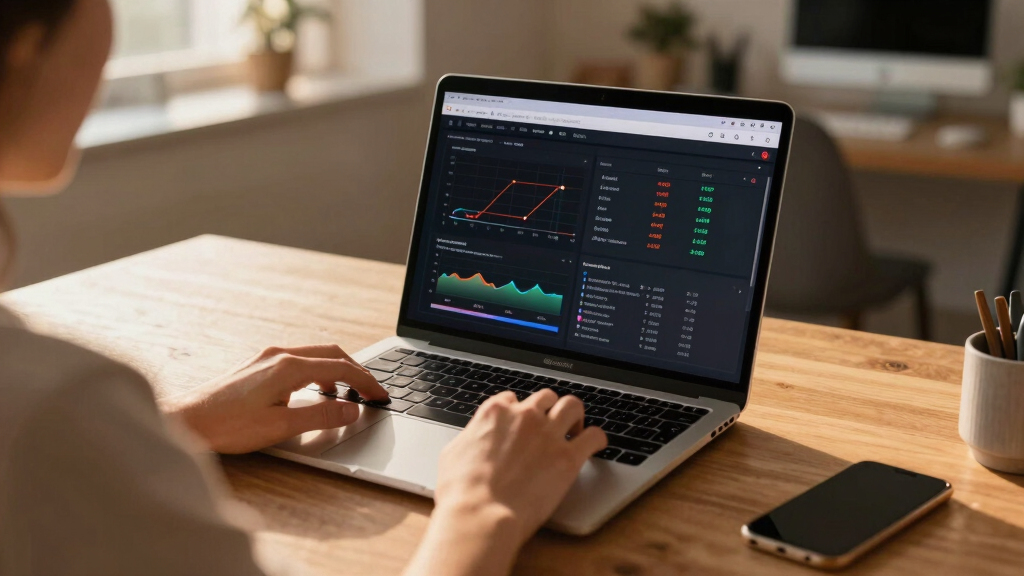
high performance AI inference hardware
As an affiliate, we earn on qualifying purchases.
As an affiliate, we earn on qualifying purchases.
What’s Next
Further testing of different Apple Silicon configurations and open-source models will clarify cost-efficiency. Industry shifts toward more powerful or energy-efficient chips could alter these comparisons. Monitoring hardware prices and AI model performance will be key in upcoming months.
cost-effective AI hardware solutions
As an affiliate, we earn on qualifying purchases.
As an affiliate, we earn on qualifying purchases.
Key Questions
Why does hardware cost dominate the expense of AI inference?
Because the initial purchase price and amortized cost over the device’s lifespan are the largest components, especially when electricity costs are relatively low for inference tasks.
Can Apple Silicon devices effectively run large AI models?
Yes, current hardware like the M5 Max can handle models comparable to Gemma 4 31b, but at a higher cost per token compared to specialized open-source hardware.
Is local inference on Apple Silicon more cost-effective than cloud solutions?
Generally, no. While hardware costs are significant, cloud solutions often provide faster inference speeds and lower per-token costs, especially for large-scale or high-speed applications.
What factors could change the current cost comparison?
Hardware advancements, reductions in component prices, improvements in energy efficiency, or changes in electricity rates could all influence future cost dynamics.
Fall Picks
fall essentials
As an affiliate, we earn on qualifying purchases.