
TL;DR

Get the latest gadgets delivered free with Prime
- Fast, free delivery on millions of items
- Prime Video, Amazon Music and more included
- Member-only deals all year
Honda, Nissan, and Mitsubishi are in final negotiations to standardize electronic control units for their upcoming vehicles. This move aims to cut costs and streamline production. Details are still emerging about the timeline and scope.
Honda Motor, Nissan Motor, and Mitsubishi Motors are in final discussions to standardize electronic control units (ECUs) for their next-generation vehicles, according to Nikkei Asia. This initiative aims to reduce manufacturing costs and improve supply chain efficiency, marking a significant shift in the industry’s approach to vehicle electronics.
Sources familiar with the matter confirmed that the three automakers are nearing an agreement to adopt a common design for ECUs used in future models. The move is part of broader efforts to cut costs amid increasing competition and technological complexity in the automotive sector.
While the negotiations are still in the final stages, officials have indicated that the standardized ECUs could be implemented in models expected to launch from 2028 onward. The collaboration is also seen as a step toward greater interoperability and simplified maintenance procedures across brands.
Automakers and industry analysts suggest that this standardization could lead to significant savings, potentially reducing the cost of electronic components by up to 20%, and streamline manufacturing processes by enabling shared supply chains and development resources.
Implications for Automotive Cost Reduction Strategies
This move by Honda, Nissan, and Mitsubishi underscores a broader industry trend toward collaboration to manage rising costs associated with advanced vehicle electronics. Standardizing ECUs could lower overall production expenses, improve supply chain resilience, and accelerate the deployment of new technologies like autonomous driving and connected car features. For consumers, this could translate into more affordable vehicles and faster innovation cycles.
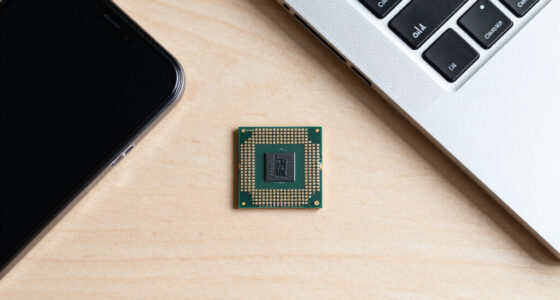
automotive electronic control units
As an affiliate, we earn on qualifying purchases.
As an affiliate, we earn on qualifying purchases.
Automakers have increasingly faced pressure to control costs as vehicle electronics become more complex and software-driven. Traditionally, each manufacturer develops its own ECU systems, leading to higher costs and supply chain fragmentation. In recent years, industry players have explored standardization and joint procurement as strategies to address these challenges.
The three Japanese automakers’ collaboration builds on prior industry efforts toward common platforms and components, but this marks one of the most significant moves toward full ECU standardization among major players in Japan.
“Final details are still being worked out, but the goal is to have a unified standard for upcoming models from 2028.”
— an anonymous source involved in negotiations
As an affiliate, we earn on qualifying purchases.
Details on Implementation and Scope Still Unclear
It is not yet confirmed how extensive the standardization will be across different vehicle models or whether other automakers will join the initiative. The exact timeline for full implementation and the specific technical standards remain to be finalized.
As an affiliate, we earn on qualifying purchases.
Next Steps Include Finalizing Agreements and Technical Standards
Automakers are expected to complete negotiations within the coming months, with formal announcements possibly coming by late 2026. Once finalized, the focus will shift to developing the technical specifications and integrating the standardized ECUs into upcoming vehicle platforms.
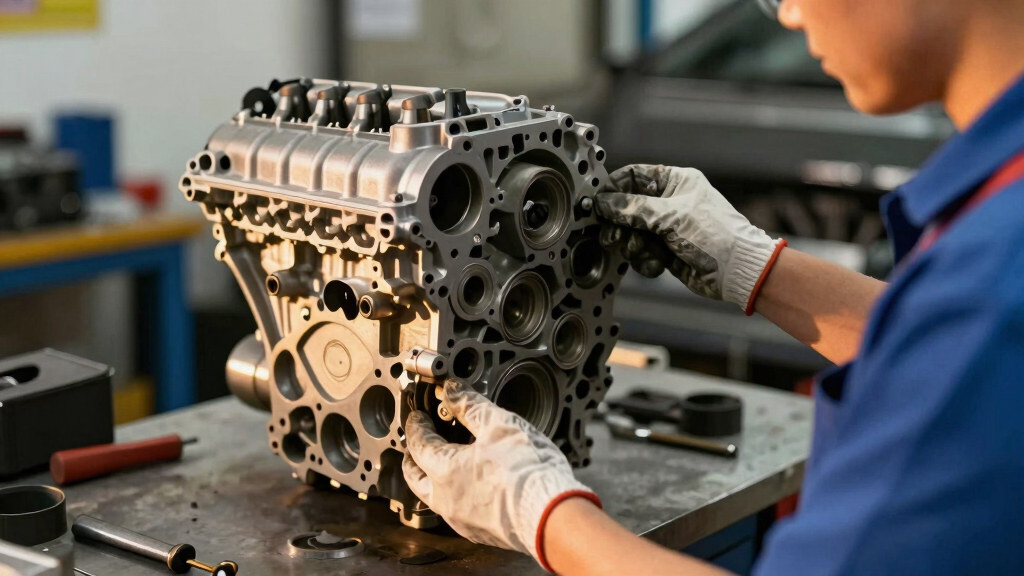
standardized car electronic modules
As an affiliate, we earn on qualifying purchases.
As an affiliate, we earn on qualifying purchases.
Key Questions
Why are Honda, Nissan, and Mitsubishi standardizing ECUs?
The companies aim to reduce manufacturing costs, improve supply chain efficiency, and streamline vehicle electronics development as vehicle complexity increases.
Will this standardization affect vehicle performance?
It is not yet clear, but the goal is to maintain or improve vehicle performance while reducing costs. Technical standards will be carefully developed to ensure quality and safety.
Could other automakers join this initiative?
It remains uncertain whether other manufacturers will participate, but industry analysts suggest this could set a precedent for wider industry adoption.
When might we see vehicles with standardized ECUs in showrooms?
If negotiations proceed as planned, vehicles with the new ECUs could be launched starting from 2028 onward.
What are the potential risks of standardizing ECUs?
Potential risks include reduced differentiation among brands and the possibility of supply chain disruptions if a common component faces issues. However, the companies are likely to implement safeguards to mitigate these risks.
Source: Nikkei Asia
Halloween Picks
halloween
As an affiliate, we earn on qualifying purchases.