Surge protection ratings, like joules and clamping voltage, help you understand how well a device can shield your electronics from power spikes. Joules measure the energy it can absorb before failing, while lower clamping voltage means protection activates sooner. Higher ratings generally offer better protection, but they aren’t the only factors to take into account. To guarantee you’re making the best choice, you’ll want to explore how these ratings work together and what truly keeps your devices safe.
Key Takeaways
- Joules measure the energy a surge protector can absorb before failing; higher ratings indicate better protection.
- Clamping voltage is the maximum voltage at which protection activates; lower values offer quicker response.
- Ratings should be evaluated alongside standards and testing conditions for accurate comparison.
- Proper grounding ensures surge energy is safely diverted, enhancing overall protection and device safety.
- Regular testing and timely replacement are essential to maintain surge protector effectiveness over time.

Power Strip,SUPERDANNY 5000 Joules Surge Protector with 13 AC Outlets 2 USB-A & 2 USB-C PD 20W Fast Charging Heavy Duty 14AWG/3C Industrial Grade Extension Cord for Workbench Home Office Black
Heavy Duty Power Strip: SUPERDANNY 15A/1875W heavy duty power strip features 13 widely-spaced outlets and 4 fast-charging USB…
As an affiliate, we earn on qualifying purchases.
As an affiliate, we earn on qualifying purchases.
Why Surge Protection Ratings Matter for Your Electronics
Understanding surge protection ratings is essential because they directly indicate how well a device can defend your electronics from power surges. A higher rating suggests better protection, but it also depends on proper electrical grounding, which guarantees surge energy is safely directed away. Without good grounding, even the best surge protector can’t fully shield your devices. Additionally, the safety of electrical systems relies heavily on proper grounding to ensure that surge energy is effectively diverted. Also, consider the surge protector lifespan—frequently exposed to power surges, it wears down over time, reducing its effectiveness. Knowing these ratings helps you choose a device that matches your needs and guarantees your electronics stay safe. Investing in a surge protector with appropriate ratings and proper grounding extends its life and keeps your gadgets protected for years. Furthermore, understanding the differences in regional power standards and flavors can help you select the most suitable surge protection for your location.
Furthermore, being aware of surge protection ratings can help you evaluate the true safety level of different devices, ensuring better protection against unexpected power spikes. Recognizing the importance of surge energy dissipation can further inform your choice of protection devices, especially in areas prone to frequent or severe power fluctuations.

Monoprice 12 Outlet Rotating Power Strip Surge Protector Block -10 Feet Heavy Duty Cord, UL Rated, 4320 Joules, 330 Volts Clamping Voltage, With Grounded And Protected Light Indicator – Black
As an affiliate, we earn on qualifying purchases.
As an affiliate, we earn on qualifying purchases.
How Do Surge Protectors Keep Your Devices Safe?
Surge protectors shield your devices by diverting excess electrical energy caused by power surges away from sensitive components. When electrical surges or power fluctuations occur, the surge protector detects the sudden increase in voltage. It then channels this extra energy safely into its grounding wire, preventing it from reaching your devices. This process stops high-voltage spikes from damaging or degrading electronic parts. The surge protector’s components, like metal-oxide varistors (MOVs), act as barriers that absorb or redirect the excess energy. By doing so, your devices are protected from sudden voltage spikes that could cause data loss, hardware failure, or reduced lifespan. Additionally, understanding the importance of cable wiring best practices can help prevent heat buildup and reduce the risk of fire hazards associated with electrical faults. Proper grounding techniques and electrical safety standards are essential to ensure the effectiveness of surge protection systems. Essentially, surge protectors act as a barrier, ensuring your electronics stay safe during electrical disturbances. Understanding the importance of affiliate disclosure helps consumers make informed decisions about the safety and effectiveness of surge protectors.

Belkin 12-Outlet Surge Protector Power Strip w/ 12 AC Outlets & 8ft Flat Plug, UL-Listed Heavy-Duty Extension Cord for Home, Office, Travel, Computer, Laptop, Charger – 3,940 Joules of Protection
MULTI-OUTLET SURGE PROTECTOR: Power everything on your desk with a single compact multi outlet extension cord; 12 AC…
As an affiliate, we earn on qualifying purchases.
As an affiliate, we earn on qualifying purchases.
What Are Joules and Why Do They Matter?
Joules measure the amount of energy a surge protector can absorb before it fails. When voltage spikes occur, like during lightning strikes or power surges, this energy is released as a surge. The higher the joule rating, the more energy your surge protector can absorb, providing better protection for your devices. If a surge exceeds its joule capacity, the protector may fail, leaving your electronics vulnerable. Voltage spikes can be sudden and intense, especially during thunderstorms or utility issues, making joules an important factor in choosing a surge protector. In essence, a higher joule rating means your surge protector is better equipped to handle large surges, reducing the risk of damage from lightning strikes or other power anomalies. Additionally, understanding surge protector specifications can help you appreciate how certain ratings influence protection levels and device safety. Recognizing the role of energy absorption capacity in surge protectors underscores the importance of selecting a model with an appropriate joule rating. It’s also helpful to consider how clamping voltage impacts the effectiveness of surge protection, as it determines how quickly the protector responds to voltage spikes.
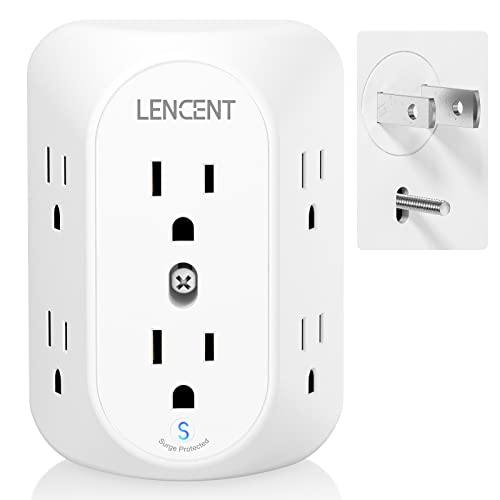
LENCENT 2 Prong Surge Protector Power Strip,2 Prong to 3 Prong Grounding Outlet Adapter,Multi Plug Wall Outlet with 3-Sided 6 Outlets,Power Socket Expander for Non Grounded Kitchen Office Older House
6 in 1 Outlet Splitter: LENCENT 2 prong to 3 prong outlet adapter equipped with 6 wide-spaced AC…
As an affiliate, we earn on qualifying purchases.
As an affiliate, we earn on qualifying purchases.
What Is Clamping Voltage and When Does Protection Activate?
Clamping voltage is the maximum voltage level at which a surge protector activates to shield your devices from excess electrical energy. When a surge exceeds the activation threshold, the device quickly restricts the voltage, preventing damage. The lower the clamping voltage, the better the protection, as it activates sooner. Typically, surge protectors have a specified clamping voltage to guarantee safety. Here’s a quick comparison:
| Surge Protector Model | Clamping Voltage | Activation Threshold |
|---|---|---|
| Model A | 400V | 400V |
| Model B | 350V | 350V |
| Model C | 300V | 300V |
| Model D | 500V | 500V |
Protection activates when voltage surpasses the activation threshold, ensuring your devices stay safe during power surges. Understanding surge protection ratings helps consumers make informed decisions about device safety, especially since clamping voltage directly impacts the effectiveness of surge protection. Additionally, knowing the activation threshold can help you select the most appropriate surge protector for your needs. Being aware of derating factors such as altitude and temperature is also crucial for ensuring reliable protection in diverse environments.
How to Read and Interpret Surge Protector Ratings
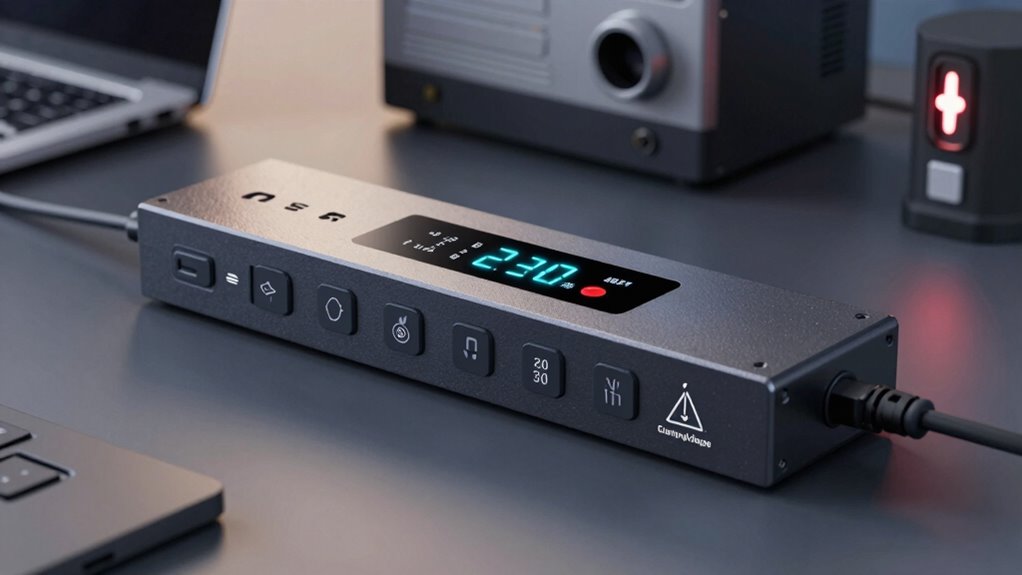
Understanding how to read and interpret surge protector ratings is vital for choosing the right device for your needs. Start by checking the joule rating, which shows how much energy the protector can absorb during a power surge. Higher joules mean better protection. Look at the clamping voltage, which indicates the voltage level where protection activates; lower numbers mean quicker response. Make certain your surge protector is properly grounded through solid electrical grounding, which is essential for safety and effectiveness. A surge protector with good ratings won’t just handle a power surge but will also safely redirect excess energy away from your devices. Proper gear care can extend the lifespan of your electronic devices and ensure optimal performance. Remember, ratings alone don’t guarantee protection. Confirm that the device is certified and compatible with your electrical system for maximum safety. Additionally, understanding the surge protection ratings can help you compare different models and ensure optimal safety for your electronics. It’s also helpful to consider the grounding quality of your electrical setup, as poor grounding can compromise the effectiveness of surge protection. Proper grounding not only enhances safety but also aligns with the importance of local electrical standards for surge protection.
How to Compare Surge Protection Ratings Effectively
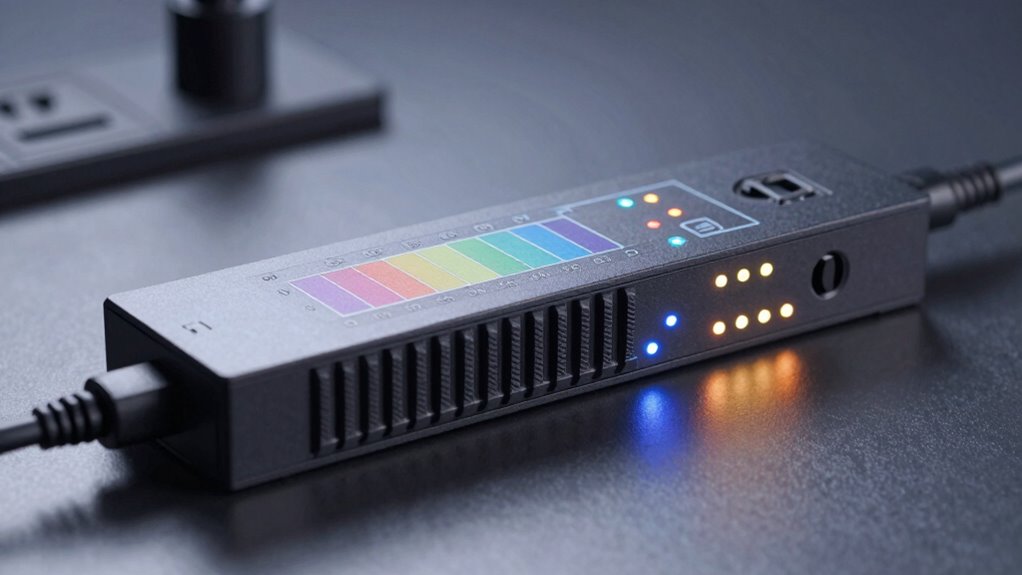
To compare surge protection ratings effectively, you need to understand different rating types and what they signify for your devices. Examine the test conditions used for each product to see how they perform under real-world scenarios. Consider also surge protection ratings to gauge the level of protection provided. A thorough comparison involves analyzing clamping voltage, which indicates the maximum voltage the protector allows before triggering, and how it aligns with your safety needs. Additionally, understanding appliance guidelines can help ensure your devices are compatible with certain surge protection features. For example, selecting the right filtering capabilities can prevent power surges from damaging sensitive electronics. Finally, compare key specifications to guarantee you’re choosing a protector that offers the right level of security for your needs. Additionally, eco-friendly disposal options to ensure your surge protectors are disposed of responsibly when they reach the end of their lifespan.
Understand Rating Types
When comparing surge protection ratings, it’s essential to know what each measurement signifies to make informed decisions. Different rating types, like surge ratings, clamping voltage, and energy absorption capacity, serve distinct purposes. Surge rating accuracy is critical because it indicates how well a device can handle surges over time, reflecting protection technology advancements. For instance, a higher joule rating suggests better energy absorption, but it’s not the only factor. Clamping voltage shows at what voltage the protector activates, giving you insight into its responsiveness. Understanding these rating types helps you evaluate how well a surge protector will perform in real-world scenarios. By focusing on accurate ratings, you can choose devices that offer reliable, long-term protection for your electronics.
Examine Test Conditions
Examining test conditions is crucial for accurately comparing surge protection ratings because different manufacturers may test their devices under varying scenarios. Pay close attention to their testing protocols, as these determine how the ratings are established. Some tests simulate ideal conditions, while others account for real-world environmental factors like temperature, humidity, or electrical noise. These factors can influence how well a surge protector performs in actual situations. Comparing ratings without understanding the test conditions can lead to false assumptions about a device’s effectiveness. Look for detailed information on testing procedures and environmental factors included in product specifications. This helps guarantee you’re making an informed choice based on how a surge protector will perform under the conditions it’s likely to face in your environment.
Compare Product Specifications
Comparing product specifications is essential to determine which surge protector offers the best protection for your needs. Look beyond the joule rating; consider clamping voltage and response time, as these influence surge protection effectiveness and electrical safety. A higher joule rating generally means better energy absorption, but it’s not the only factor. Check the maximum surge current and whether the device has features like EMI/RFI filtering for enhanced electrical safety. Read the fine print to see if the protector is designed for your specific devices and voltage levels. Comparing specifications helps you identify which product provides reliable surge protection, minimizing damage and ensuring safety during electrical surges. This careful evaluation guarantees you choose a surge protector that truly safeguards your equipment and home.
Do Higher Surge Protection Ratings Really Mean Better Safety?
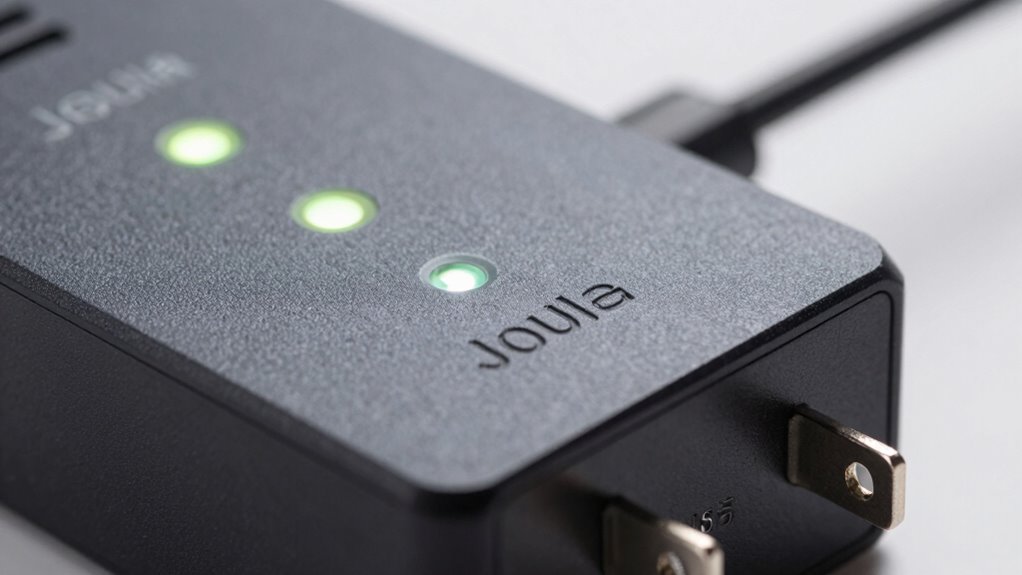
While higher surge protection ratings might seem like a sign of better safety, they don’t always guarantee superior protection against power surges. Electrical standards and surge analysis play a vital role in understanding what ratings truly mean. A higher joule rating or clamping voltage doesn’t automatically translate into better safety if the surge protector isn’t tested according to recognized standards. Many devices with impressive ratings may still fall short during real-world surges. Instead of focusing solely on numbers, consider how well a surge protector adheres to established electrical standards and its performance in surge analysis tests. Ultimately, a balanced approach—combining ratings with verified standards—ensures you get reliable protection, not just a high number on the box.
Common Myths About Surge Protection Debunked
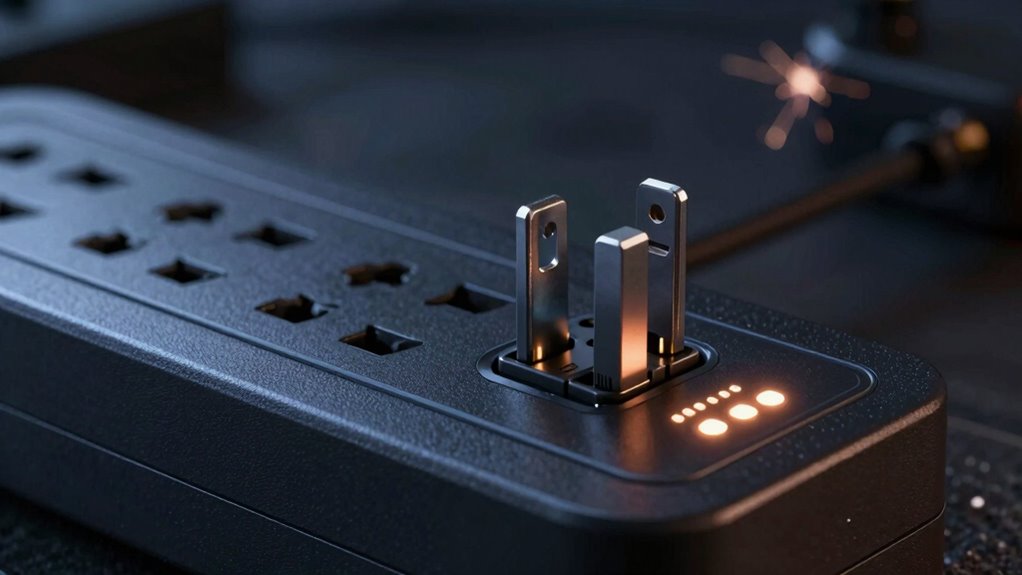
Many common beliefs about surge protection are actually myths that can lead you astray when choosing the right device. One myth is that a higher joule rating guarantees complete safety; in reality, proper electrical grounding is often more critical for effective protection. Another misconception is that surge protectors last forever; in truth, their lifespan depends on how many surges they absorb and their quality. Some think they don’t need to replace a surge protector if it’s still plugged in, but over time, components degrade, reducing efficiency. It’s also a myth that surge protectors prevent all damage; they only reduce risk, so understanding their limits and maintaining good electrical grounding helps guarantee your devices stay safe longer.
Tips for Choosing the Right Surge Protector for Your Needs
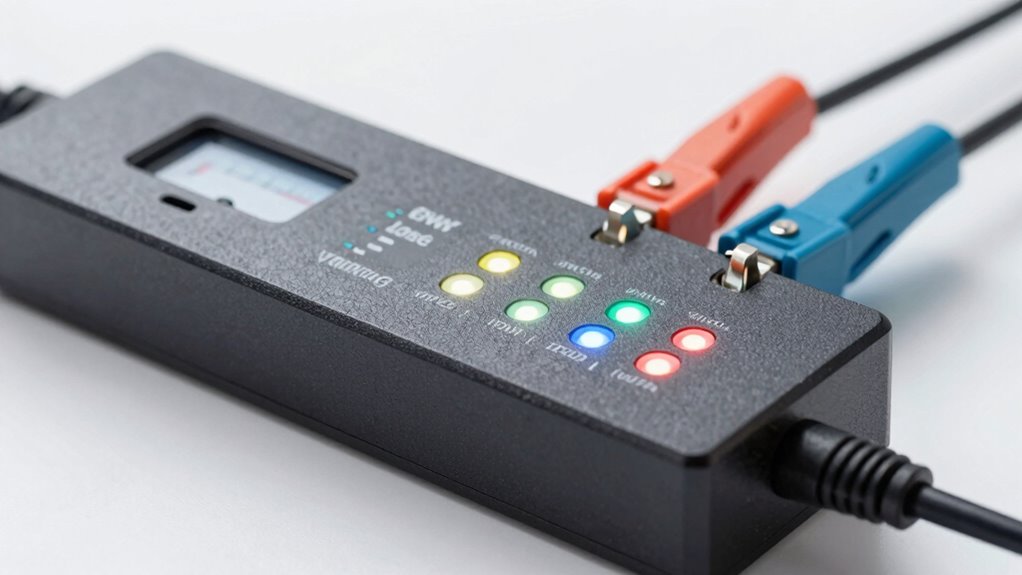
To choose the right surge protector, start by evaluating your power needs so you know how much energy your devices require. Then, consider protection features like surge ratings and additional outlets to provide thorough coverage. Making these considerations helps you select a protector that effectively safeguards your valuable electronics.
Assess Power Needs
Before choosing a surge protector, you need to assess your power needs carefully. Start by calculating your devices’ total power consumption to guarantee the protector can handle the load without risk. Consider how many devices you’ll plug in and their energy requirements. Additionally, focus on voltage stability; if your area experiences frequent fluctuations, opt for a surge protector with higher joule ratings for better protection. Know the peak and running wattage of your equipment to prevent overloads. If you have sensitive electronics like computers or audio equipment, prioritize models that support stable voltage delivery. By understanding your power consumption and voltage stability needs, you ensure the surge protector you select offers reliable protection and prevents potential damage from power surges or fluctuations.
Consider Protection Features
When selecting a surge protector, paying attention to its protection features is crucial for ensuring your devices stay safe. Look for features like multiple outlets, indicator lights, and noise filtering to enhance overall protection. Surge durability is equally important; a protector with high surge durability can absorb more energy, offering better defense against unexpected surges. Check if the protection features include thermal fuses or safety shutters, which add extra layers of security. Consider whether the surge protector has a sturdy design that can withstand daily wear and tear. The right protection features not only shield your electronics but also extend the lifespan of the surge protector itself. Carefully evaluate these aspects to choose a reliable device that provides thorough, long-lasting surge protection.
How to Maintain and Test Your Surge Protector Over Time
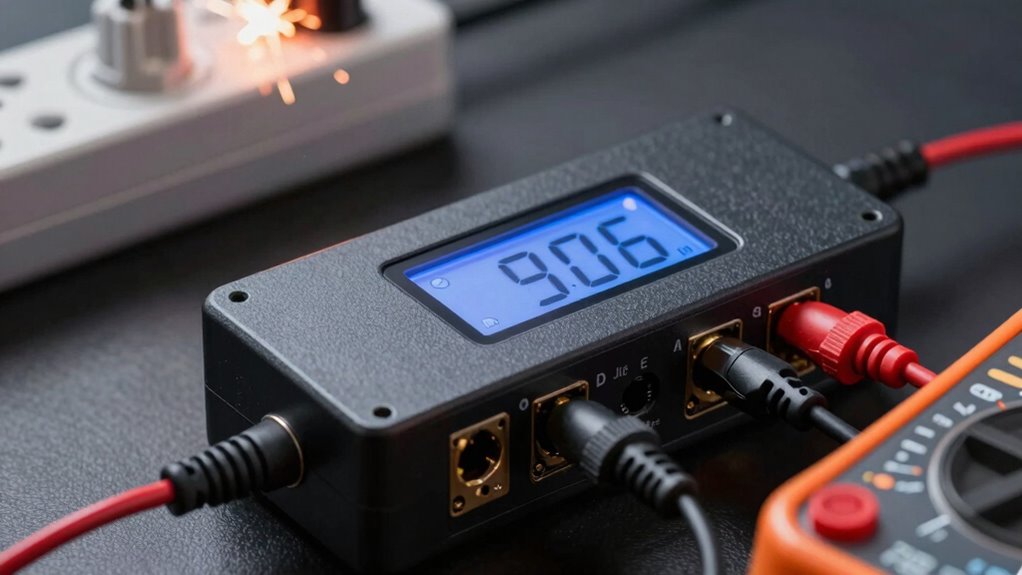
Regularly maintaining and testing your surge protector guarantees it continues to provide reliable protection. Start by inspecting the device for visible damage, such as cracks or burns. Use clear maintenance tips like keeping it dry and dust-free. For testing procedures, utilize a surge protector tester or replace it periodically if it lacks indicators.
| Maintenance Tips | Testing Procedures |
|---|---|
| Keep it unplugged when not in use | Use a surge protector testing device |
| Avoid overloading outlets | Check indicator lights regularly |
| Clean dust from vents | Replace if indicator shows failure |
| Store in a dry, cool place | Replace every 3-5 years or after a surge |
This guarantees ongoing protection and peak performance.
Frequently Asked Questions
Can Surge Protectors Prevent All Types of Power Surges?
Surge protectors can’t prevent all types of power surges, especially voltage fluctuations or unexpected power spikes. While they do a great job at absorbing or redirecting many surges, some extreme events might still reach your devices. You should understand their limits and consider additional protections for sensitive electronics. Remember, no device can guarantee 100% protection, so staying aware of power conditions and using proper surge protection strategies is essential.
How Long Do Surge Protectors Typically Last?
Surge protectors typically last around 3 to 5 years, but their lifespan depends on surge protector maintenance and the number of surges they endure. Over time, the internal components degrade, reducing their effectiveness. You should regularly check the indicator lights and replace the protector when it no longer provides the same level of protection. Proper maintenance guarantees you’re aware of when your surge protector’s lifespan is coming to an end.
Are Expensive Surge Protectors Always Better?
No, expensive surge protectors aren’t always better. You might think a higher price means premium protection, but brand reputation and cost considerations matter more. Sometimes, a budget-friendly option from a reputable brand provides solid protection without breaking the bank. Don’t fall for the hype—evaluate joules, clamping voltage, and reviews. An expensive protector isn’t necessarily superior; it’s about smart choices that fit your needs and budget.
What Signs Indicate a Surge Protector Needs Replacement?
You’ll notice signs of failure when your surge protector’s lifespan is nearing its end. Common indicators include frequent tripping, burning smells, or visible damage like scorch marks or frayed wires. If your protector no longer responds during surges or feels hot to the touch, it’s time to replace it. Ignoring these signs can compromise your devices’ safety, so regularly check for these warning signals to guarantee proper protection.
Do Surge Protection Ratings Apply to All Electronic Devices?
Did you know that surge protection ratings like joules apply to most electronic devices? These ratings help you gauge how much energy a surge protector can absorb before failing. While surge protectors with proper certification and good electrical grounding offer better protection, always check if your device’s specifications match the surge protector’s ratings. Remember, not all electronics need the same level of protection, so choose accordingly for safety.
Conclusion
So, next time your surge protector quietly fails during a storm, remember—it was probably just doing its job by never letting you know how close it came to disaster. The ironic part? You might trust it more than your own safety instincts. Keep an eye on those ratings and test your gear regularly—because when the chaos hits, a little knowledge can be your best protection against the unexpected. After all, who needs a hero when you’ve got ratings?