
TL;DR
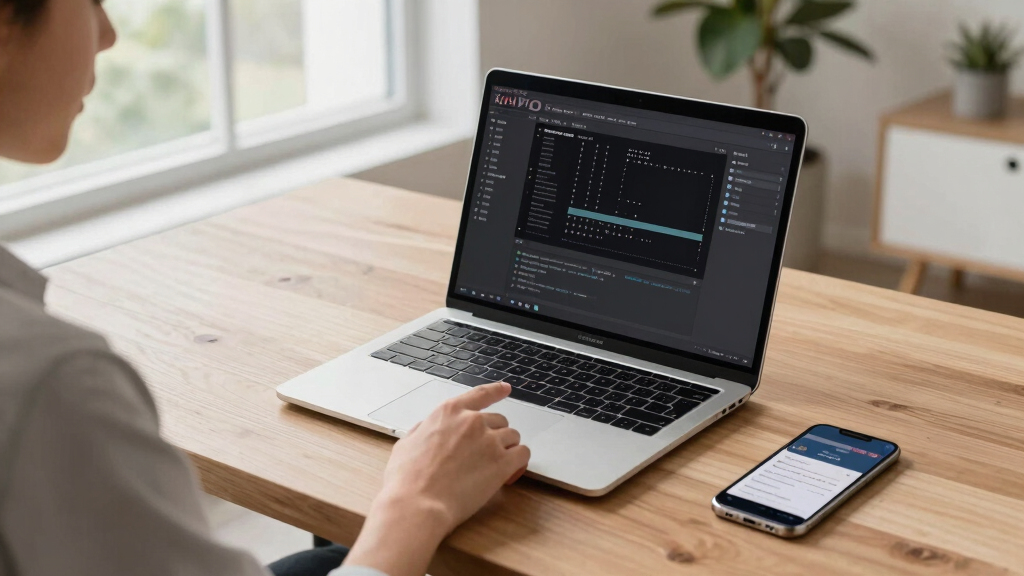
KiCad, a widely used PCB design software, has launched a browser-based version. Users can try it online with demo projects or upload their own designs. Compatibility varies across browsers.
Developers of the open-source PCB design software KiCad have launched a browser-based version, allowing users to design PCBs directly in web browsers like Firefox, Chrome, and Safari.

Get the latest gadgets delivered free with Prime
- Fast, free delivery on millions of items
- Prime Video, Amazon Music and more included
- Member-only deals all year
Implications for PCB Design Accessibility and Workflow
This development could significantly lower the barriers to entry for PCB design by removing the need for software installation. It enables more collaborative, flexible workflows, especially in educational or team environments where quick access is beneficial. However, the current browser support limitations mean that professional users may need to wait for further stability and feature completion before adopting this as a primary tool. Still, it marks a notable shift toward cloud-enabled electronics design tools in the open-source community.
Products Worth Considering
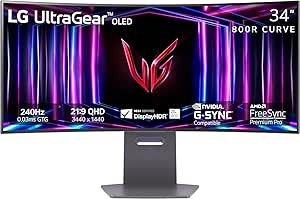
LG UltraGear 34-inch Curved OLED Gaming Monitor, WQHD 1440p, 240Hz, 0.03ms, 800R

Samsung 27-inch Odyssey OLED G6 QHD Gaming Monitor

LG UltraGear evo 27-inch 5K Mini-LED Gaming Monitor
As an affiliate, we earn on qualifying purchases.
Background on KiCad and Browser-Based Tools
KiCad has been a leading open-source PCB design suite since its inception, widely used by hobbyists, educators, and professionals. Traditionally, it has been a desktop application available for Windows, macOS, and Linux. The move to a browser-based version aligns with broader trends in software development toward cloud and web-based tools. While other PCB design tools have explored online versions, KiCad’s open-source nature makes this development particularly notable. The project was announced on a Show HN post, indicating early-stage testing and community interest. Browser-based CAD tools are still emerging, with challenges related to performance, feature support, and compatibility, especially across different browsers and operating systems.
“We are excited to bring KiCad to the browser, making PCB design more accessible and flexible for all users.”
— KiCad developers
Limitations and Stability of the Browser Version
It is not yet clear how fully featured or stable the browser version is compared to the desktop application. Compatibility issues, especially with browsers other than Firefox, may affect usability. Details on performance, support for advanced features, and long-term development plans remain unspecified. The project appears to be in early testing, and ongoing updates are expected to address these limitations.
Upcoming Development and User Feedback
The developers plan to improve browser support, enhance feature parity, and increase stability based on user feedback. Future updates may include broader browser compatibility, performance optimizations, and integration with existing workflows. Community feedback will likely influence the project’s direction, especially regarding usability and feature set. Users are encouraged to test the platform and report issues to aid development.
Key Questions
Is the browser version of KiCad fully featured?
Currently, the browser version offers core features but may lack some advanced functionalities present in the desktop version. Ongoing development aims to close this gap.
Which browsers are supported?
Firefox provides the best experience, while Chrome is functional. Safari is reported to be working but with some limitations. Support for other browsers is not yet confirmed.
Can I upload my existing KiCad projects?
Yes, users can upload their own project files to the browser version for editing and review.
Will the browser-based KiCad replace the desktop version?
It is unlikely to replace the desktop version entirely in the near term, but it offers an alternative for quick access and collaboration. Continued development will determine its long-term role.
When will the browser version be fully stable?
The timeline for full stability and feature parity has not been specified. The project is currently in early testing, with improvements expected over the coming months.
Source: hn